Canadianlic

Who Should Buy Participating Whole Life Insurance In Canada?

Who Should Buy Participating Whole Life Insurance In Canada?
Who Should Buy Participating Whole Life Insurance In Canada
Canadian LIC

By Harpreet Puri

CEO & Founder

SUMMARY

Participating Whole Life Insurance Canada can provide lifelong coverage, a guaranteed death benefit, Cash Value Whole Life Insurance growth, and potential Whole Life Insurance dividends. The discussion compares participating vs Term Life Insurance Canada, explains Whole Life Insurance costs in Canada, participating accounts, estate planning benefits, and tax-efficient wealth transfer strategies. It also identifies who should buy Whole Life Insurance and when Permanent Life Insurance may be the right choice.

Introduction

Why More Canadians Are Looking Beyond Traditional Life Insurance

More Canadians have started realizing that Life Insurance is about more than replacing income once the policyholder passes away. In addition, Life Insurance Policies can be considered part of one’s estate and financial planning strategies, especially when it comes to wealth preservation, tax efficiency, and financial security. In today’s Canada, more and more households are becoming financially advanced compared to what they were a generation ago.

As explained by the Canadian Life and Health Insurance Association, Canadian households are enjoying the financial stability provided by Life Insurance in tough times, as insurers pay billions of dollars in benefits. Meanwhile, the figures published by Statistics Canada have been constantly indicating growth in Canadian households’ net worth, ranging from real estate, investments, and family business to vacation homes and other assets.

While accumulating wealth is an excellent process, there may arise several issues regarding the taxation of capital gains, estate taxes, probate fees, and overall wealth transfers, which surprise Canadian families. Moreover, other households decide to start looking for ways to leave behind a greater legacy.

This is where Participating Whole Life Insurance in Canada often enters the conversation.

While Term Life Insurance is only valid for a specified period of time, Participating Whole Life Insurance can offer you a lifetime coverage plan with an assured death benefit, increasing cash value, and even participation in a dividend-paying account. For many people, this can become one of the most valuable tools that they have ever had. However, for others, it may not be their best choice.

One of the most common questions we hear is simple:

Who should buy Whole Life Insurance, and is Participating Whole Life Insurance worth it?

The answer depends entirely on a person’s goals, family situation, business interests, and long-term financial plans.

Understanding Participating Whole Life Insurance Canada

What Is A Participating Whole Life Insurance Policy?

Participating Whole Life Insurance is a type of Permanent Life Insurance Plan created to provide Permanent Life Insurance cover for an insured individual throughout their lifetime. In contrast to term insurance, which expires after a certain period of time, Participating Whole Life Insurance provides Permanent Life Insurance Coverage.

The Participating Whole Life Insurance Plan consists of various characteristics within the same plan. First, there is a guaranteed death benefit, providing protection in case of the policyholder’s death at any point in time. Second, there is the accumulation of guaranteed cash values. Finally, there is the option to collect dividends if certain conditions are met.

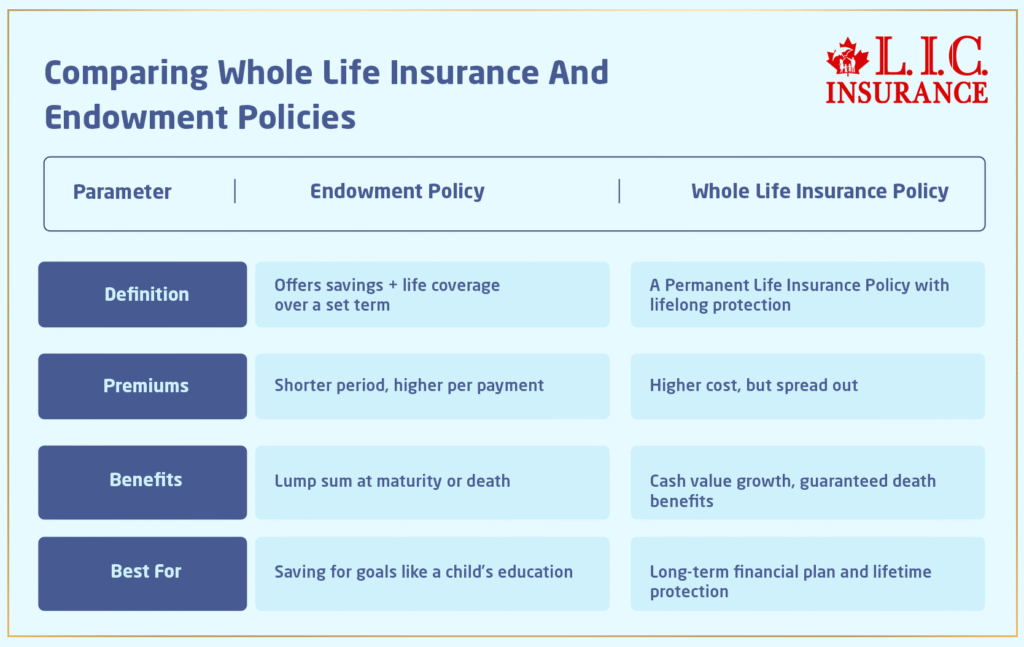
Canadians usually assess Whole Life Insurance Policies against Term Life Insurance by comparing premium payments first and foremost. Although it is certainly true that premiums for Whole Life Insurance Plans tend to be higher than those of term insurance, the comparison is usually limited to just that aspect.

The Participating Whole Life Insurance Canada is ideal for individuals who do not wish to settle for short-term insurance. The policy caters to individuals who are certain about their insurance needs for the rest of their lives.

This is one of the reasons why the combination of insurance protection and asset building is a major factor that attracts individuals to purchase Participating Life Insurance Policies.

How Does A Participating Account Work?

One of the most misunderstood aspects of Participating Whole Life Insurance is the participating account.

When customers buy Participating Life Insurance, a certain amount of the premium goes into the participating account, which is held by the insurer. The funds are invested safely in various types of assets such as bonds, mortgages, property holdings, loans, etc.

It is essential to understand that aggressive performance is not sought when creating participating accounts. The main purpose of the funds allocation is to achieve safe and steady growth that would be able to provide for policy guarantees for decades ahead.

Should the participating account exceed expectations during its work, some of the profit will be given out by the insurer in the form of Whole Life Insurance dividends. Although these dividends are non-guaranteed, many Canadian banks that offer Participating Whole Life Insurance products have been paying dividends to customers for dozens of years.

Dividend Scale interest is quite interesting for many participants since they affect dividends calculations. Yet, it is necessary to keep in mind that there are many other factors affecting the dividend performance. Many policyholders decide to buy additional paid-up insurance with dividends.

Participating Whole Life Features

FeatureParticipating Whole Life
Guaranteed Cash ValueYes
Guaranteed Death BenefitYes
Lifetime CoverageYes
Dividend EligibilityYes, if declared by the insurer
Tax-Deferred GrowthGenerally, subject to applicable tax rules
Policy Loan AccessUsually Available


For Canadians focused on long-term planning rather than short-term returns, this structure can provide a unique balance of guarantees and growth potential.

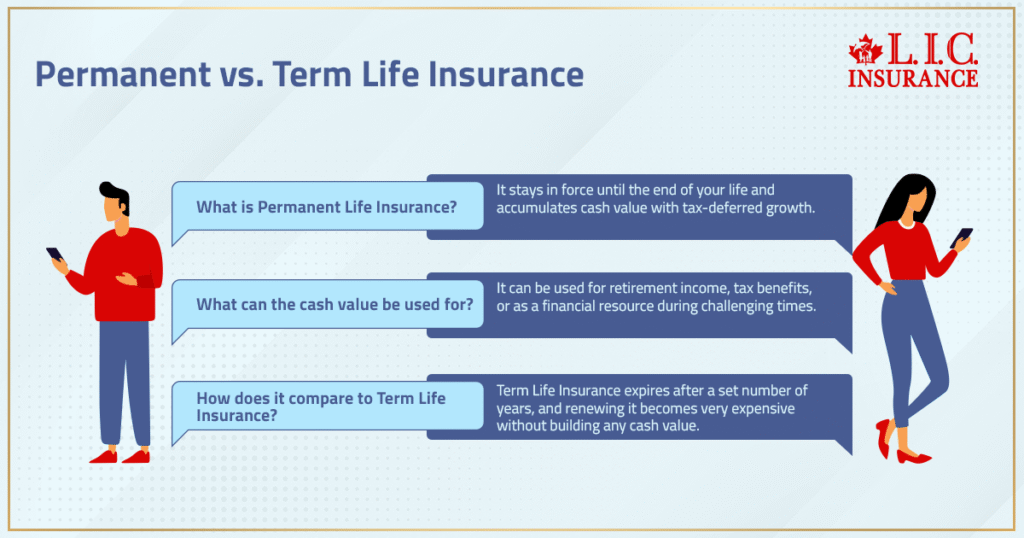
Permanent Life Insurance Compared To Term Insurance

Most people start off with Term Life Insurance before moving on to something more sophisticated. Term Insurance is relatively inexpensive, easy to understand, and usually sufficient in providing coverage for important times in one’s life, like child-rearing years and mortgage repayments.

The topic changes dramatically when financial obligations persist past a certain point in time.

For instance, a business owner looking to finance a buy-sell agreement in thirty years’ time, a cottager needing money to pay capital gains tax, and parents desiring to leave an estate behind are all scenarios where Permanent Life Insurance makes sense.

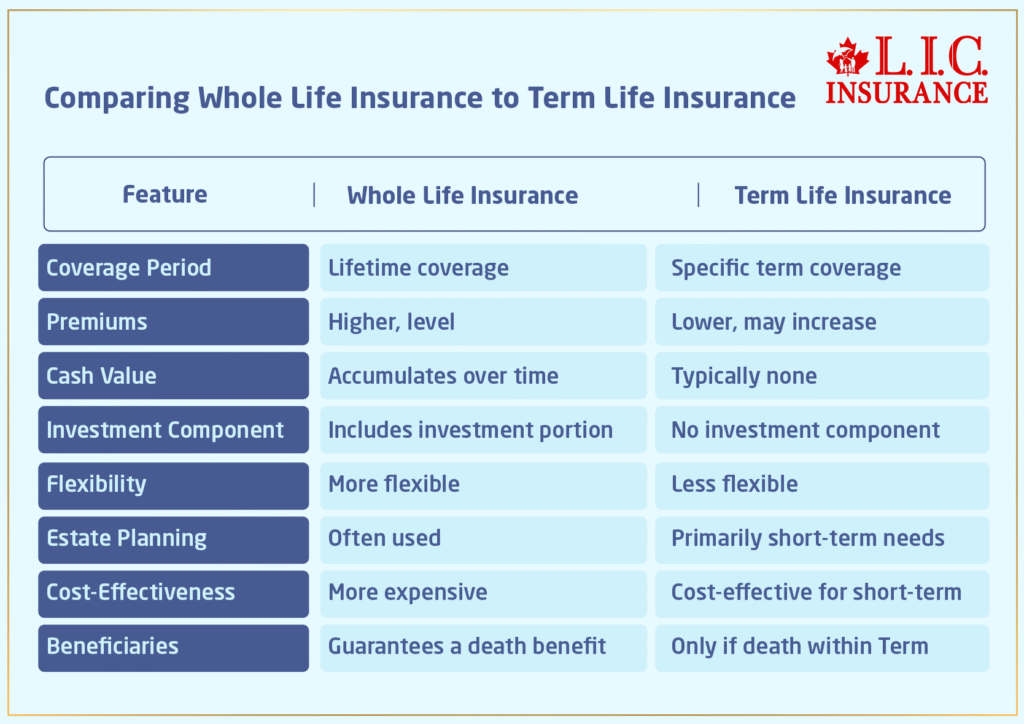
Permanent Life Insurance Compared To Term Insurance

FeatureParticipating Whole LifeTerm Life Insurance
Coverage LengthEntire LifetimeFixed Term
Cash ValueYesNo
DividendsPossible, if declaredNo
Premium CostHigherLower
Estate Planning ValueCan Be SignificantDepends on the Policy and Estate Goals
Tax-Advantaged GrowthPotentially, subject to Canadian tax rulesNo Cash Value Growth


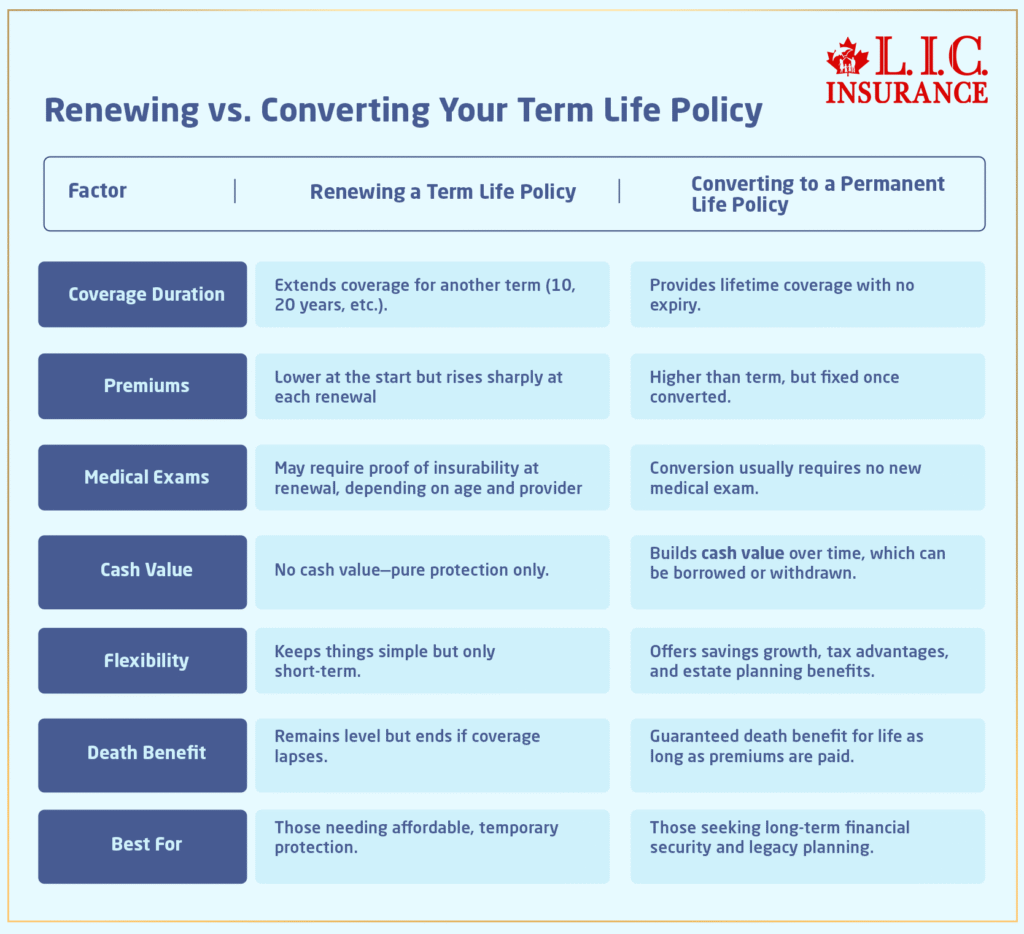
Unlike Term Life Insurance, Participating Whole Life Insurance will not make individuals think about future renewals when they might experience illnesses due to age later on in life.

It often happens that many Canadians who took out term insurance when they were in their thirties end up paying very high premiums when they enter their sixties and seventies. However, Participating Whole Life makes sure that there is no such risk.

There is no need for anyone to assume that Participating Whole Life is more advantageous than term insurance. What this means is simply that each has its own role to play.

Why Some Canadians Prefer A Whole Life Insurance Policy

The appeal of a Whole Life Insurance Policy often extends beyond the insurance itself.

Many people enjoy certainty. They like knowing that their coverage will always be in place. They like knowing that regardless of when they die, their beneficiaries will receive a death benefit. They like building up guaranteed cash value while continuing to provide financial protection.

Many times, we encounter clients who purchased term insurance many years ago. Now that their financial positions have improved, they are considering ways to preserve their wealth beyond merely replacing their incomes.

This type of client is ideal for Participating Whole Life Insurance.

It allows a guaranteed death benefit plus a rising value of the policy itself. Cash value builds up over time, adding a new element of flexibility. In some cases, our clients will be able to access money through various methods while keeping their Life Insurance Coverage in effect.

Many of our clients also enjoy dividend payment potential. While never guaranteed, dividends play a crucial role in long-term policy accumulation when reinvested consistently.

The net result is a Life Insurance product that does several things all at once.

Who Should Buy Participating Whole Life Insurance?

This is where Canadians tend to pay the most attention when assessing Participating Whole Life Insurance. The fact is that everyone doesn’t need Life Insurance Coverage for their entire lives. Not everyone’s family needs an increasing cash reserve. Not every household needs an estate plan.

That being said, some Canadians often find themselves benefiting greatly from Participating Whole Life Insurance, thanks to the rare blend of coverage, guaranteed cash values, dividends, and taxation benefits provided by such policies.

What Canadians need to ask themselves is not whether Participating Whole Life Insurance is good or bad. Instead, they should consider whether it fits their financial goals.

Business Owners Looking For Tax-Advantaged Growth

Many people who own businesses find themselves at odds with financial issues which people with salaries never face.

It is common for some successful companies to have retained earnings as the years go by. However, such retained earnings might prove costly because of the taxation involved in investing them in normal corporate investment accounts. Taxation is involved in interest, foreign earnings, and investment gains made each year.

This leads to many incorporated business owners finding ways to handle their money in a different manner.

Participating Whole Life Insurance is frequently part of that discussion.

A well-constructed Corporately Owned Participating Whole Life Insurance Plan will provide both tax-deferred growth within the policy itself as well as a significant death benefit. In many cases, this death benefit may be received via the capital dividend account, which will allow for even greater efficiency for the recipients.

Our practice frequently advises physicians, dentists, CPAs, entrepreneurs, owner-operators of trucking firms, construction business owners, and other incorporated individuals who utilize Participating Life Insurance.

The objective is rarely just insurance.

Instead, the policy becomes a long-term asset that supports succession planning, wealth preservation, and intergenerational transfers.

For business owners focused on protecting accumulated wealth, Participating Whole Life Insurance Canada often deserves serious consideration.

Families Seeking Lifelong Coverage

Many families initially purchase Term Life Insurance because their primary concern is replacing income if a parent dies unexpectedly.

That strategy often makes perfect sense.

A young family with children and a mortgage may obtain substantial Life Insurance Coverage at an affordable premium through term insurance. The protection helps safeguard financial obligations during years when income replacement is most important.

However, financial priorities often evolve.

As children become adults, mortgages decline, and household income increases, some families begin looking beyond temporary protection. They start thinking about legacy planning, financial support for future generations, charitable giving, and preserving family wealth.

Participating Whole Life Insurance becomes attractive because the coverage never expires.

This policy stays active throughout the life of the individual, ensuring that the beneficiaries get the death benefit at some point in time.

Another thing that attracts many parents is the fact that the policy can grow in value through dividends and guaranteed cash values even when financial commitments are long gone.

In such cases, the focus shifts from income protection to wealth protection.

This has become the primary reason why people move from temporary insurance to permanent insurance policies.

High-Net-Worth Canadians Concerned About Estate Taxes

One of the most powerful uses of Participating Whole Life Insurance involves estate planning.

Many wealthy Canadians take many years accumulating their assets through investments in companies, real estate, recreational facilities, cottages, and other types of investments.

The problem is when such assets are passed down to future generations.

Large liabilities for capital gains tax become a problem that can result in inheriting large amounts of assets, along with significant tax obligations.

Consider a simplified example.

A family cottage purchased decades ago for $200,000 may eventually be worth $1.8 million. While that appreciation represents financial success, it can also create a significant taxable gain.

Without proper planning, heirs may be forced to sell assets simply to pay taxes.

Participating Whole Life Insurance can help address this problem.

The death benefit creates immediate liquidity when it is needed most. Instead of selling assets, beneficiaries may use insurance proceeds to cover capital gains taxes, estate taxes, legal expenses, and settlement costs.

At Canadian LIC, many high-net-worth families use Participating Life Insurance specifically for this purpose.

Their goal is not just to leave behind something as a source of money after their death. They have a goal of protecting something that they have built over the years.

To achieve this, Participating Whole Life Insurance becomes more than just insurance for these people.

Parents And Grandparents Building Wealth Transfer Strategies

Many grandparents today possess significantly more wealth than previous generations.

Real estate appreciation, business ownership, disciplined investing, and decades of savings have allowed many retirees to accumulate substantial assets.

As a result, they increasingly ask a different question.

Rather than focusing exclusively on retirement income, they begin considering how wealth can be transferred efficiently to children and grandchildren.

Participating Whole Life Insurance frequently becomes part of that conversation.

The tax-free nature of the Life Insurance death benefit makes it an efficient means for transferring wealth. Meanwhile, the guaranteed cash value and dividends of the policy will keep on growing until retirement age.

For many grandparents, Participating Whole Life Insurance becomes a means of bequeathing more money without subjecting heirs to undue tax burdens.

For others, Life Insurance Policies become a tool for creating equality in inheritance distribution when assets like businesses and properties are hard to split equally among family members.

In these situations, the value of Participating Whole Life extends well beyond its traditional insurance role.

It becomes part of a comprehensive family legacy strategy.

Canadians Who Have Maximized RRSPs And TFSAs

Many successful Canadians eventually reach contribution limits within their registered plans.

After taking full advantage of RRSPs and TFSAs, they start looking at other ways to make use of tax benefits in order to build their savings.

Participating Whole Life Insurance is one choice they may opt for due to its special tax features.

The cash value will grow tax-deferred inside the insurance policy contract. After some time, such tax benefits can make a considerable contribution to growth.

Others may like the flexibility provided by such instruments as policy loans. It is necessary to note that Participating Whole Life Insurance cannot be an automatic replacement for other types of investments.

Instead, it often complements them.

Many wealthy Canadians invest in diversified portfolios that consist of registered investments, non-registered investments, properties, corporate investments, and Participating Whole Life Insurance.

Each of these serves a unique purpose.

Participating Whole Life Insurance has been chosen due to its combination of deferred growth, permanent life coverage, and estate planning options.
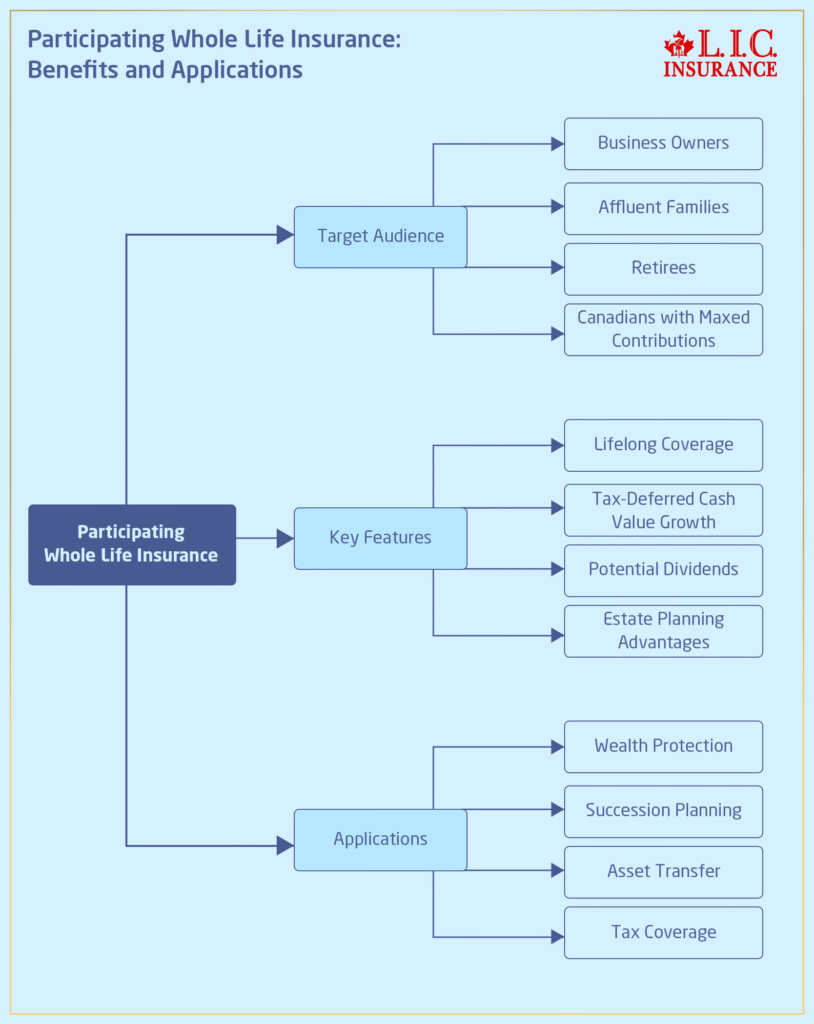
Participating Whole Life Insurance Benefits and Applications

When Participating Whole Life May Not Be The Right Choice

One of the most important parts of any insurance discussion involves identifying situations where a product may not be appropriate.

We believe honest advice requires discussing both advantages and limitations.

Participating Whole Life Insurance is not ideal for everyone.

A young couple who are facing issues in making ends meet may require a cheaper term insurance policy providing significant coverage.

In case someone is concentrating on getting rid of expensive debts, they can create financial benefits by settling liabilities before opting for an insurance plan.

Likewise, people searching for temporary coverage do not necessarily have to choose permanent policies.

When talking about Participating Whole Life Insurance, it makes sense when the insured wants to keep the policy going throughout their lifetime.

The whole concept is not for short-term purposes but rather for longer terms.

Therefore, it will be beneficial for the Canadian people to understand their priorities before buying any kind of permanent insurance.

Always look for something that matches your needs and budget.

Understanding Whole Life Insurance Costs In Canada

One of the first questions Canadians ask is straightforward:

Why does Participating Whole Life Insurance cost more than Term Life Insurance?

This solution is to be found in the benefits offered by the policy.

In Term Insurance, the emphasis is on the death benefit provided by the policy. The Participating Whole Life Insurance offers the death benefit, guaranteed growth of the cash value, dividends, permanence, and several other features.

For obtaining these benefits, larger premiums have to be paid.

Illustrative Premium Comparison

ApplicantCoverageProduct TypeApproximate Cost
Age 35$500,000Term 20Lower
Age 35$500,000Participating Whole LifeHigher
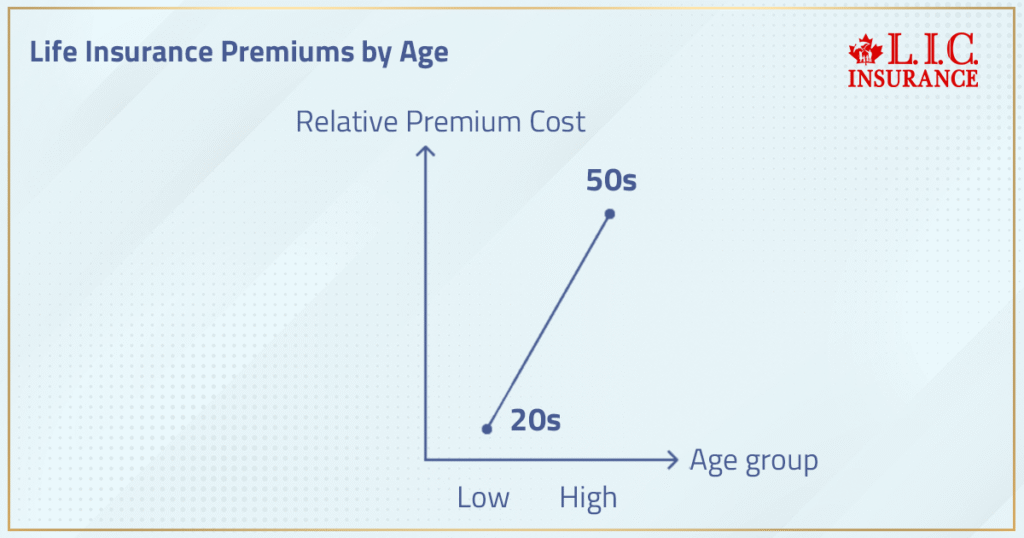
Age 55$500,000Participating Whole LifeSignificantly Higher


Pricing can be affected by various aspects, such as age, health, whether one smokes, the amount of coverage, payment method, and the insurer.

The underwriting process might involve medical proof or even a medical examination based on the amount of coverage chosen.

Even though whole-Life Insurance has high premiums during the early years, many people perceive it as investments into insurance and assets.

This means that pricing should always be analyzed based on its value and not independently.

Life Pay Options Explained

One area where people in Canada tend to get surprised is in terms of premium structuring.

There is an expectation among many that all Life Insurance Plans have premiums throughout the individual’s lifetime. That is indeed an option, but Participating Whole Life Insurance could be structured in various ways based on what the client wants to achieve financially.

While some people choose the traditional approach of Life Pay, where they make premium payments throughout their lifetime, others opt to complete the premium payments early in life, especially at times when they earn more.

For instance, a successful entrepreneur who is about forty would not want any premium payments once he retires. Doctors or other professionals can opt to pay more in their peak earning periods.

Payment Options Available

Payment OptionPremium Duration
Life PayLifetime
10 Pay10 Years
20 Pay20 Years


Paid-up insurance may have its advantages in that it helps to avoid paying further premiums but provides permanent insurance at the same time.

Often enough, the choice of the right way of payment has nothing to do with the age of the person and everything to do with cash flows, retirement needs, and other considerations.

What counts is that the chosen type of insurance matches the overall financial strategy and not simply saves money on premiums.

The Investment Component Behind Participating Whole Life

One reason Participating Whole Life Insurance generates so much discussion is its investment component.

Some people mistakenly view Participating Whole Life Insurance as a pure investment. Others dismiss it entirely because it is not designed to generate stock-market-like returns.

The reality lies somewhere in between.

Participating Whole Life Insurance is primarily a form of Life Insurance, although the increasing cash value within it is one of its most valuable features.

The premium paid will go towards the payment of insurance expenses, while the other will accumulate into the cash value. With dividend payments used to acquire paid-up insurance, the amount in cash value will be considerable.

This creates several potential planning opportunities.

Some policyholders use policy loans during retirement. Others access funds for business opportunities or emergencies. Some simply allow the value to continue growing for estate planning purposes.

The appeal for many Canadians is stability.

Unlike conventional investment accounts, which can see considerable market fluctuations, Participating Whole Life Insurance provides the individual with a guarantee-based product.

Typically, the growth of its cash value happens under tax-deferral, providing yet another benefit for those looking at long-term wealth-building tools.

However, this does not mean that Participating Whole Life Insurance has to substitute other types of investment. On the contrary, it usually works as an element of a diverse portfolio.

Many wealthy Canadians invest money into registered and non-registered investment portfolios, real estate holdings, corporate assets, and Participating Whole Life Insurance in order to fulfill various financial goals.

Different asset classes are used for distinct purposes.

Participating in Whole Life Insurance fulfills a specific goal, which includes guarantees, tax efficiency, and estate planning aspects.

Participating Life Insurance And Estate Planning

Estate planning is one of the strongest arguments for Participating Whole Life Insurance.

Many Canadians spend decades building wealth but relatively little time considering how that wealth will transfer after death.

The result can be surprising.

Investment properties worth millions of dollars can be held by a family. Corporate assets may be owned by a business owner. A retired couple may own a cottage that has appreciated immensely through the decades.

While these assets symbolize financial success, these assets can mean potential tax liability in the future.

Under Canadian law, there could be deemed disposition rules applied to specific assets upon death, hence capital gain taxes are applicable on such assets. Capital gains taxes may prove costly, especially when property values have increased considerably over time.

The solution for addressing tax liability in this instance is Participating Life Insurance.

Let us assume there is a family cottage which was bought years back at $250,000, but is currently worth $2 million. The potential tax liability can prove to be costly.

When nothing is planned for this contingency, then the sale of the asset may become unavoidable for paying taxes.

Using Participating Whole Life Insurance, the death benefit will pay out precisely for the tax liability.

The same is true for private corporations, investment accounts, farmland, and other appreciating property as well.

To many wealthy families, Participating Life Insurance Policies become an important estate planning instrument because they permit the assets to stay in the family, without having to be sold in order to settle any taxes that may accrue.

The tax-free nature of the death benefit makes it even more effective in estate planning schemes.

That is why accountants, lawyers, and other financial professionals advise clients to consider Permanent Life Insurance when discussing their wealth transfer goals.

Joint Coverage Strategies For Couples

Couples frequently ask whether they should purchase separate policies or consider joint coverage.

The answer depends on their objectives.

Some families want individual protection for each spouse. Others focus primarily on estate planning and minimizing costs.

Common Joint Coverage Structures

Coverage TypeBest For
Single Life Insurance CoverageIndividual Needs
Joint First-To-DieIncome Protection
Joint Last-To-DieEstate Planning


A joint first-to-die policy pays the death benefit when the first insured person passes away. This structure is often considered when income replacement is the primary objective.

In a joint last-to-die policy, the payment will only be made when both insured people have died. Since the estate tax normally follows the second death, it makes sense to utilize such policies in estate planning techniques.

Joint Last to Die Participating Whole Life Insurance can be used by wealthy couples in order to get death benefits and preserve their estates.

It will all depend on the needs of the family.

Comparing Whole Life, Universal Life, And Term Life Insurance

Choosing among the various Life Insurance options available in Canada can feel overwhelming.

Each product offers advantages depending on the policyholder’s goals.

Comparing Major Life Insurance Types

FeatureParticipating Whole LifeUniversal LifeTerm Life Insurance
Permanent CoverageYesYes, subject to policy conditionsNo
Cash ValueYesYes, subject to policy performance and chargesNo
Guaranteed Cash ValueYes, as specified in the policyDepends on the policyNo
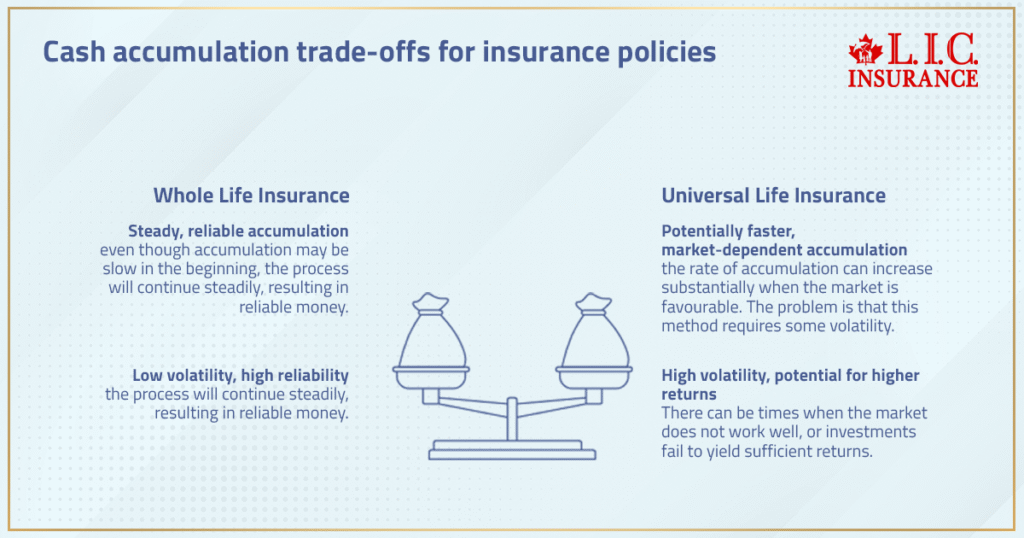
Investment FlexibilityLowerHigher, depending on available optionsNone
Lifetime CoverageYes, if the policy remains in forcePotentially, subject to policy conditionsNo
Death BenefitYesYes, subject to policy conditionsYes, during the coverage term


Term Life Insurance is usually chosen by people who seek affordable insurance to cover their short-term needs.

Universal Life Insurance is usually chosen by investors who wish to have more flexibility in making investments in their insurance policy.

Participating Whole Life Insurance is usually chosen by people looking for long-term assurances, dividend opportunities, estate-planning advantages, and lifetime security.

No product is universally better.

Choosing the right solution will depend on the person’s goals, risk appetite, tax circumstances, and financial considerations.

This is precisely why professional guidance is crucial when analyzing insurance plans.

Key Factors To Consider Before Buying

Before purchasing any Participating Whole Life Insurance Policy, Canadians should carefully evaluate several key factors.

The first consideration is purpose.

Why are you buying the policy?

Some people want lifelong coverage. Others want to create a tax-efficient inheritance. Some want to protect a business, while others focus on preserving family wealth.

The second consideration involves affordability.

Participating Whole Life Insurance requires a long-term commitment. Policyholders should feel comfortable maintaining premium payments for many years.

Health is another important factor.

Depending on the company and coverage limits, medical proof and an examination might be needed. Getting coverage when one is healthy could lead to better terms.

Furthermore, people need to consider their total financial picture. Investments, retirement accounts, personal property, liabilities, estate planning plans – everything needs to be considered when determining if Participating Whole Life Insurance suits them.

Last but not least, selecting a good insurance provider is important.

Financial stability, dividend payouts, customer service, and even product design could differ significantly from one company to another.

This is why consulting a qualified insurance advisor would come in handy.

How Canadian LIC Helps Clients Determine Whether Participating in Whole Life Insurance Is Worth It

We have spent years helping Canadians evaluate complex insurance decisions.

One of the key things we have learned is that it is imperative not to sell Participating Whole Life Insurance just because it offers dividends and has cash value.

This must start by first knowing what the objectives of the clients are.

In meetings with business owners, professionals, retired individuals, or even families, the first thing we try to do is determine their objectives. Is it about estate taxes? Financial security? Or perhaps tax-deferred growth?

Only after answering those questions do we begin evaluating specific solutions.

There are circumstances when Participating Whole Life Insurance turns out to be the right choice. There are times when Term Life Insurance or Universal Life Insurance would better meet the needs of our clients.

We assist our clients in comparing Life Insurance products of prominent Canadian financial companies, which include, among others, Equitable Life of Canada and other providers of Participating Life Insurance products.

The goal of our company is not to sell a specific type of product.

Our company is oriented towards helping Canadians devise plans ensuring financial stability and safety for their descendants.

Final Thoughts: Who Benefits Most From Participating Whole Life Insurance In Canada?

Participating Whole Life Insurance Canada is not designed for every household, and that is perfectly acceptable.

Many younger families will still find that affordable Term Life Insurance continues to be their most viable choice. For others, Universal Life Insurance could prove more flexible as an investment option.

Nonetheless, Participating Whole Life Insurance plays a distinct role in the world of Canadian financial planning.

It offers the security of Permanent Life Insurance Coverage, guarantees death benefits, promises guaranteed appreciation of cash values, allows for possible dividends, tax-sheltered growth of funds, and many other benefits in a single insurance plan.

Those Canadians who stand to benefit from it most are individuals who consider plans for a much longer period than the next five or ten years ahead. They include entrepreneurs considering strategies of business succession, retired persons securing their family inheritance, professionals exploring further tax-effective options, and families planning for a future inheritance of financial value.

Used correctly, it can indeed bring about substantial financial advantage throughout one’s lifetime.

The best approach to see whether it would be suitable in your case is to look at your particular goals, assets, financial responsibilities, and other aspects of your situation under a professional eye.

Author: Harpreet Puri, Licensed Insurance Adviser | MDRT Qualifier
Experience: 14 Years In Life Insurance & Financial Planning

LinkedIn Profile:https://www.linkedin.com/in/harpreetpuricanadianlic/

Disclaimer:

This content is provided for general educational purposes only and should not be considered financial, tax, legal, or insurance advice. Participating Whole Life Insurance Policies, dividends, costs, and tax implications vary by insurer, policy design, and individual circumstances. Consult a licensed insurance advisor, tax professional, or legal advisor before making financial decisions. Policy features and availability may change over time.

Get The Best Insurance Quote From Canadian L.I.C
Call +1 416-543-9000 to speak to our advisors.
Get Quote Now

FAQs

Some insurance companies provide their policyholders with an option to make their policies become a reduced paid-up policy that will enable them to cease making future premium payments. Even though the cover amount is going to be lowered, the policyholder will continue enjoying his Life Insurance Coverage plus cash value.

In certain situations, a lender may allow the Cash Value Whole Life Insurance accumulated within a participating policy to support borrowing arrangements. This approach is often used by business owners and investors who want to maintain their Life Insurance Coverage while creating additional financial flexibility. Terms vary depending on the lender and the insurance provider.

At times, families may have possessions that are hard to share equally, like businesses, holiday homes, or real estate properties. This is where purchasing Whole Life Insurance Canada comes into play, as you can have the proceeds of your policy paid out to one heir, while others inherit tangible possessions.

The alteration of interest rates may have effects on investment, yet Participating Whole Life Insurance has been created to ensure the financial security of its investors in the long term. This insurance operates within the participating account that has existed for many decades, instead of only several months.

Many grandparents buy Whole Life Insurance for their grandkids in order to have a plan for the future. By starting at an earlier age, one can have the benefit of paying smaller premiums and accumulating cash value that will be available even with poor health in the future.

Most Participating Whole Life Insurance Policies will continue to be in effect irrespective of whether the policyholder moves to another province in Canada. However, in certain cases, depending on the particular insurer, there may be some variation in certain procedures.

The families who have a special needs individual to look after often resort to taking out a Permanent Life Insurance Policy to make sure that the person will be supported financially into the future.

Prior to receiving your Whole Life Insurance quote, inquire about the purpose of dividends, guaranteed cash value, optional features available, and the impact on the coverage amount over time. Having an insight into these factors will enable you to compare various Life Insurances.

Some Canadians use Participating Life Insurance to leave a larger charitable gift than they might otherwise be able to donate during their lifetime. The death benefit can create a lasting legacy while preserving other assets for family members and estate planning objectives.

Participating Whole Life Insurance in Canada proves to be highly useful for those whose concern lies in wealth conservation as opposed to security. People who are involved in business, incorporated professionals, retired people whose worries revolve around estate planning, and those who are looking for permanent insurance, may find Participating Whole Life Insurance appealing.

There are various participating insurance products in Life Insurance that are available in Canada from insurers such as Canada Life Insurance, Manulife Financial Corporation, Sun Life Financial, and Equitable Life of Canada. The most suitable product for Whole Life Insurance can only be selected after considering the history of dividends.

The preferred individual is generally one who is interested in getting covered permanently and adopts a long-term perspective while making plans. Canadians who are desirous of constructing an asset with certain tax benefits, establishing financial security in the future for their beneficiaries, maintaining their family’s wealth, or developing a good estate planning strategy will benefit from a Participating Whole Life Insurance Policy.

Payment of dividends is not assured but depends on the performance of the participating account of the insurance company. In case the policy pays out dividends, the option for the policyholder would be to buy extra paid-up insurance, accumulate value, cut down premiums or receive money, among others, based on the terms of the policy.

The cost of Whole Life Insurance Plans in Canada depends on several factors, such as age, health condition, whether you smoke or not, coverage, payment structure, and your chosen insurer. Since Participating Whole Life Insurance entails having Permanent Life Insurance protection, guaranteed cash accumulation, and dividend payouts, Whole Life Insurance premium amounts are usually higher than Term Life Insurance premiums.
Sources and Further Reading

Industry & Consumer Education

Participating Whole Life Insurance Resources

Permanent Life Insurance & Cash Value Education

Estate Planning & Business Planning

Additional Canadian LIC Educational Resources

Regulatory & Consumer Information

Key Takeaways

  • Participating Whole Life Insurance Canada is designed for long-term financial planning, offering lifelong coverage, a guaranteed death benefit, and the opportunity to build cash value over time.
  • Unlike Term Life Insurance, Participating Whole Life Insurance does not expire after a set period, making it suitable for Canadians seeking permanent coverage and long-term financial protection.
  • A participating policy may earn Whole Life Insurance dividends, which can be used to increase coverage, grow the policy’s cash value, reduce premiums, or accumulate additional value within the policy.
  • Business owners often use Participating Life Insurance as part of tax-efficient corporate planning, succession planning, and wealth transfer strategies.
  • High-net-worth individuals frequently purchase Participating Whole Life Insurance to help cover capital gains taxes, support estate planning goals, and preserve family assets for future generations.
  • Families seeking lifelong financial support for spouses, children, or grandchildren may benefit from the guaranteed death benefit and long-term stability offered by a Whole Life Insurance Policy.
  • The policy’s cash value account grows on a tax-advantaged basis and can become an important financial asset during the insured’s lifetime.
  • Participating Whole Life Insurance can complement RRSPs, TFSAs, real estate holdings, and other investments as part of a diversified long-term financial strategy.
  • Premiums are generally higher than term insurance because the policy provides Permanent Life Insurance protection, guaranteed cash value accumulation, and dividend eligibility.
  • Multiple payment structures are available, including Life Pay, 10 Pay, and 20 Pay options, allowing Canadians to align premium payments with their financial goals.
  • Participating Whole Life Insurance is not ideal for everyone. Individuals primarily seeking affordable coverage for temporary needs may find Term Life Insurance more suitable.
  • Choosing the right policy requires evaluating personal Life Insurance needs, estate planning objectives, affordability, tax implications, and long-term financial priorities.
  • Working with a licensed insurance advisor can help determine whether Participating Whole Life Insurance aligns with your overall financial and wealth preservation strategy.
  • For Canadians focused on legacy planning, estate preservation, and tax-efficient wealth transfer, Participating Whole Life Insurance often provides benefits that extend well beyond traditional Life Insurance Coverage.

Your Feedback Is Very Important To Us

Help Us Better Understand Your Life Insurance Goals

We’d appreciate your feedback. Your responses will help us understand the challenges Canadians face when evaluating Participating Whole Life Insurance Canada, estate planning, and long-term financial protection strategies.

    Contact Information


    About Your Current Situation


    Understanding Your Challenges


    Your Financial Goals


    About the Article


    Would You Like a Complimentary Insurance Review?

    Additional Comments

    Can I Add Riders To A Money-Back Life Insurance Policy?

    Can I Add Riders To A Money-Back Life Insurance Policy?

    Can I Add Riders To A Money-Back Life Insurance Policy
    Canadian LIC

    By Pushpinder Puri

    CEO & Founder

    SUMMARY

    Money Back Life Insurance Policy Canada options can become far more flexible with the right riders. Coverage includes topics such as Cash Back Life Insurance, death benefit structures, guaranteed insurability rider options, child term rider benefits, accelerated death benefit rider features, cash value growth, Money Back Vs Endowment Plan comparisons, and long-term financial protection strategies designed around evolving financial goals and family needs.

    Introduction

    The way Canadians look at Life Insurance has changed dramatically in recent times. Canadians no longer consider their insurance policies as a payment that they receive only upon death. Today, Canadians require a certain amount of flexibility. They require policies that will adapt according to changing times. They require policies that would not only help with their retirement needs, educate their children, plan their estates, and cover emergencies but also financially secure their dependents.

    This explains why more and more Canadians are interested in Money Back Life Insurance policies.

    According to the Canadian Life and Health Insurance Association, more than 29 million Canadians currently own Life Insurance coverage, and permanent insurance products continue gaining popularity because families increasingly want financial products that combine protection with savings-related benefits. Industry data published by CLHIA also shows Canadians are paying greater attention to long-term financial resilience and estate protection.

    At Canadian LIC, one question repeatedly comes up during consultations involving Cash Back Life Insurance:

    “Can I add riders to improve the policy later?”

    The answer is yes in most cases. The policy owner can modify a regular policy to become much more personalized. Nevertheless, it will really pay off only when the owners are able to choose the correct riders based on their financial needs.

    There are riders designed to increase the flexibility of the policies in case of certain medical problems. There are those who aim to ensure that your kids get protected, that you stay insurable in the future, or that you gain additional protection in case of unforeseen circumstances. Nevertheless, many people buy unnecessary riders, while others ignore the riders which might be critical to them.

    Learning about what is called riders can help you make better choices.

    What Is Money Back Life Insurance And How Does It Work?

    Understanding riders requires that one first understand the meaning of Money Back Life Insurance and why this type of Life Insurance is viewed differently by many people in Canada when compared to ordinary term Life Insurance.

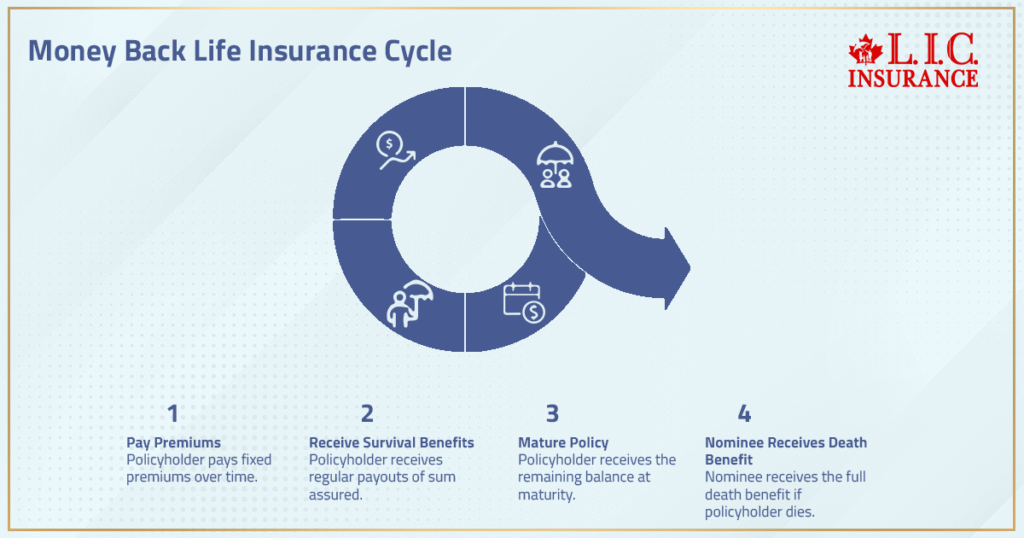
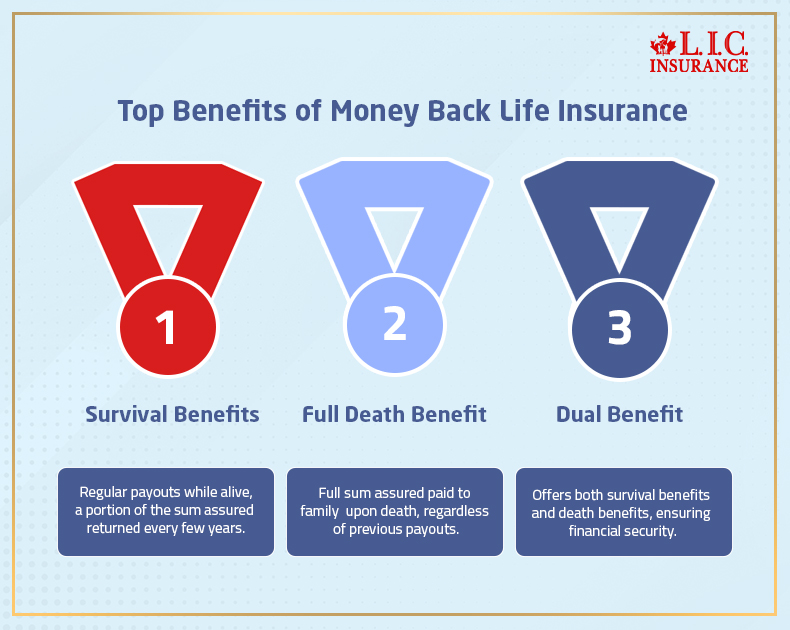
    Money Back Life Insurance refers to a situation whereby, together with providing Life Insurance cover, the policy gives periodic payouts to the insured in the event that they are alive at the point of payout. This is unlike other ordinary term insurance policies, whereby premium payments are purely to compensate the insured for any risks during the specified term.

    The Money Back Plan provides the insured with a mix of protection and savings benefits.

    In most Long Term Money Back Insurance Plans, the insured person is entitled to receive periodic payout throughout the period they remain insured, even though they continue enjoying death cover. Should the insured pass away before the expiration of the contract term, the entire total death cover is paid out to the listed beneficiary.

    Canadians like Life Insurance with money-back guarantees due to psychological reasons of not “losing” premiums in case of no payout.

    That emotional factor matters more than many people realize.

    Our customers have described term insurance as being a necessity, although an unpleasant one, since the individual does not stand to receive anything if they outlive their coverage period. The idea behind Money Back Life Insurance, however, shifts the client’s understanding, as the payment made might eventually yield returns on the policy.

    There are cases where some Life Insurance policies are built to earn interest over time, giving the customer the option of utilizing policy loan possibilities when necessary.

    However, just like the concept of term and permanent, not all Money Back Plans are the same.

    Some permanent Life Insurance policies will lower the benefit amount upon making survival payments to the insured, while some will retain the total benefit amount. Some of these will focus primarily on the insured living throughout the policy period, while others operate more like investment vehicles with insurance coverage included.

    It is here that expertise comes in handy, as some of the language used differs from one insurer to another, depending on the type of product they sell.

    Customers also tend to get confused by Money Back Vs Endowment Plans because they both carry savings components.

    Why Canadians Add Riders To A Life Insurance Policy

    Life changes faster than most people expect.

    The person buying Life Insurance at 30 can encounter children, work issues, parents growing old, mortgage payments, planning for retirement, or health problems.

    What was initially bought as an essential insurance policy twenty years before might not be adequate anymore due to different financial needs.

    This is where the importance of the riders comes in.

    Life Insurance rider is an extra benefit that could be added to your main policy that will give you more insurance coverage or special features.

    Riders give the opportunity for a person to personalize his or her insurance package without being stuck to the standardization of Life Insurance offered in Canada.

    Clients of Canadian LIC often find themselves seeking for rider services after significant life events happen to them.

    Some parents become preoccupied with education costs of their kids, some worry because they see people close to them getting sick. Business owners tend to worry about estate or income taxes. Young working people worry that they may lose insurability in the future.

    These concerns explain why insurance rider flexibility has become increasingly important within modern financial planning.

    Still, adding riders should never happen randomly.

    A common misconception among Canadians is that all riders help improve the policy. However, it should be noted that all riders contribute to the increased cost of the total policy. Some riders incur a relatively smaller additional cost, but other riders cause substantial increments in insurance premiums.

    An ideal scenario would involve balancing affordability, protection, and long-term financial protection needs.

    For instance, a young and healthy client might benefit much more from guaranteed insurability than any other rider since the medical examinations will become more challenging in the future. Conversely, a client who is close to retiring might prefer a flexible accelerated death benefit or efficient estate planning strategy.

    It all depends on personal circumstances.

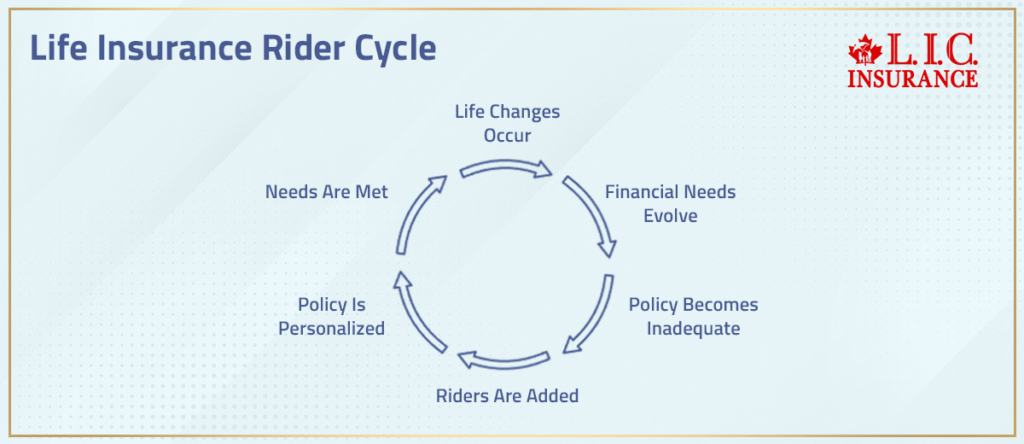
    Life Insurance Rider Cycle

    Understanding The Death Benefit In Money Back Life Insurance Policies

    Even though Money Back Life Insurance Policy Canada includes survival benefits, the death benefit remains the core purpose of the policy.

    This is one area where confusion often occurs.

    Many think that since the payout happens during the term, the remainder becomes less effective. That is not always the case. The structure very much depends on the way in which the insurance company creates the permanent policy.

    Some insurance companies will keep the benefit even in spite of survival payments, while others will decrease the death benefit with each payment.

    It should be advised at Canadian LIC for clients to look very carefully into how their particular insurance company deals with the issue, as it may vary greatly from insurer to insurer.

    One illustration would be policies with same premiums but resulting in quite different benefits after twenty years of payments.

    In general, when the covered individual passes away under an ongoing policy, his/her heirs usually receive the remainder of the death benefit tax-free in Canada.

    Beneficiary changes also become important throughout life.

    Factors such as marriages, divorces, transfers of business interests, remarriages, and further additions to families may all play a role in how distribution of benefits should take place. The problem is that many people overlook this aspect and do not update beneficiaries, leading to legal challenges later on.

    Emotionally, the fact is clear; in times of crisis, a family needs financial coverage right away. Loan payments, mortgage, debts, tuition fees, and burial costs are all ongoing regardless of whether someone has a steady income anymore.

    This is why the overall structure of the death benefits is far more important than comparing premiums only.

    Which Insurance Rider Options Are Available With Cash Back Life Insurance?

    All insurance companies that sell money-back insurance also provide options for adding riders to the existing policy. It is not available everywhere; its availability will depend upon age, health condition, underwriting guidelines, and the insurance company.

    There are riders that you can opt for when applying for an insurance plan and some that can be added afterwards under certain conditions.

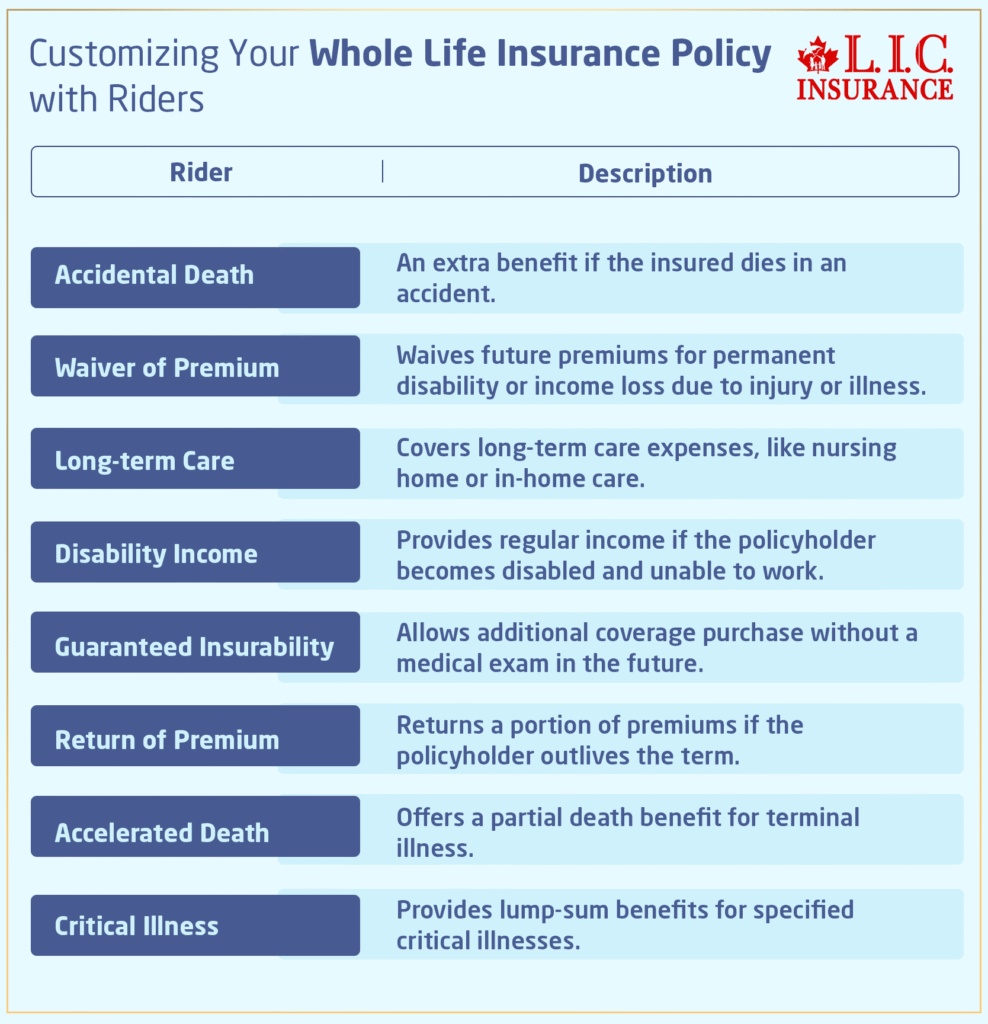
    Some common types of riders are accelerated death benefit rider, guaranteed insurability rider, child term rider, accidental death benefit, and waiver of premium rider, among others.

    Our clients are sometimes astonished at how different insurers approach rider availability.

    An insurer could allow a guaranteed insurability right up to 45 years old, while another would deny it to someone far younger. While some plans will make an additional rider contingent on a medical test, others might be more lenient and approve them easily.

    Earlier rider addition translates into a lower cost, usually.

    This means that people who try to add riders later because of health conditions could end up paying significantly more.

    One more critical detail to know when talking about riders is that they can vary greatly by utility.

    Some riders are very useful when you have kids, but useless to retirees. Other riders will appeal only to those in a certain profession and are unnecessary to anyone else.

    Therefore, customizations should never be based on assumptions.

    Accelerated Death Benefit Rider: Early Access During A Terminal Illness

    One of the most emotionally significant riders offered is the accelerated death benefit rider.

    Under the provisions of this rider, the policyholder may receive a portion of the death benefit if he or she is terminally ill. The financial situation of those who are terminally ill is extremely challenging at times when they have already been emotionally drained.

    Financial strains due to travel expenses, medical expenses, and loss of income make the situation even worse for the families of the terminally ill.

    Our clients enjoy this rider since it allows flexibility during those times when additional financial pressure does not need to be added to their families.

    Based on the insurance company, the rider could offer access to some percentage of the death benefit when the insured gets diagnosed with a terminal illness and is expected to pass away shortly thereafter.

    Additionally, the policies might have conditions involving severe or total disabilities as well.

    Clearly, the usage of the accelerated death benefit will result in a lower death benefit that can be received by beneficiaries.

    However, this trade-off is deemed appropriate by many families due to the fact that the money arrives at precisely the time it is needed.

    The rider will benefit Canadians worrying about health care interruptions.

    Guaranteed Insurability Rider: Future Coverage Without Another Medical Exam

    Health can change unexpectedly.

    One who enjoys good health at the age of 30 can develop diabetes, heart disease, autoimmune diseases, and cancer by the time he or she reaches the age of 45 years old. After health problems develop, getting new insurance becomes complicated or expensive.

    It is the reason why guaranteed insurability becomes one of the most valuable riders in insurance.

    With the guarantee of insurability, an insured is able to acquire additional coverage in the future without undergoing a medical examination again.

    It becomes highly essential when someone undergoes life changes such as marriage, childbirth, an increase in income, expansion in business, and a mortgage increase.

    At Canadian LIC, the insurance rider is usually advised for younger families as it covers future flexibility when health problems become an issue. Many Canadians do not realize how much their premiums rise after they develop some health problems. Buying insurance now can potentially save hundreds of thousands of dollars throughout a lifetime.


    Child Term Rider And Money Back Policy For Child Education

    Parents naturally worry about protecting their children financially, but many also want to secure future insurability for them early.

    A child term rider provides limited Term Life Insurance coverage for children under the parent’s insurance policy.

    While the death benefit itself may not be large, the real long-term value often involves future conversion opportunities. Many child term rider structures allow children to convert coverage into permanent Life Insurance later without another medical exam.

    That feature can become extremely valuable if future health complications arise.

    At Canadian LIC, parents exploring a Money Back Policy for child education often combine education-focused savings strategies with child protection riders to create broader family-oriented financial planning.

    The emotional appeal is understandable.

    Parents do not simply want short-term coverage. They want stability for the child’s future regardless of what happens medically later in life.

    Some parents also view child-related riders as a disciplined financial planning tool because it encourages long-term thinking instead of reactive financial decisions.

    Accidental Death Coverage: Is The Additional Cost Worth It?

    An accidental death rider enhances payouts in case of death caused by qualifying accidents.

    Sometimes the payout will be twice the amount of the original death benefit payment.

    This kind of additional coverage is very popular with those engaged in physically intensive occupations.

    Nevertheless, accidental death riders are sometimes very misinterpreted.

    There are many assumptions that nearly any accidental death case fits, but exceptions are quite many and vary with insurance firms.

    Any accident connected with risky actions, drug consumption, criminal acts or occupations can be non-qualifying accidents.

    At Canadian LIC, it is advisable to review your policy regarding accidental death riders, as not all of them guarantee a good return on money.

    Some people could get better protection in terms of enhancing the original death benefit than getting accidental coverage.

    Nevertheless, in case of some occupations and their risks, accidental death riders might still be worth considering.

    Money Back Vs Endowment Plan: Which One Offers Better Flexibility?

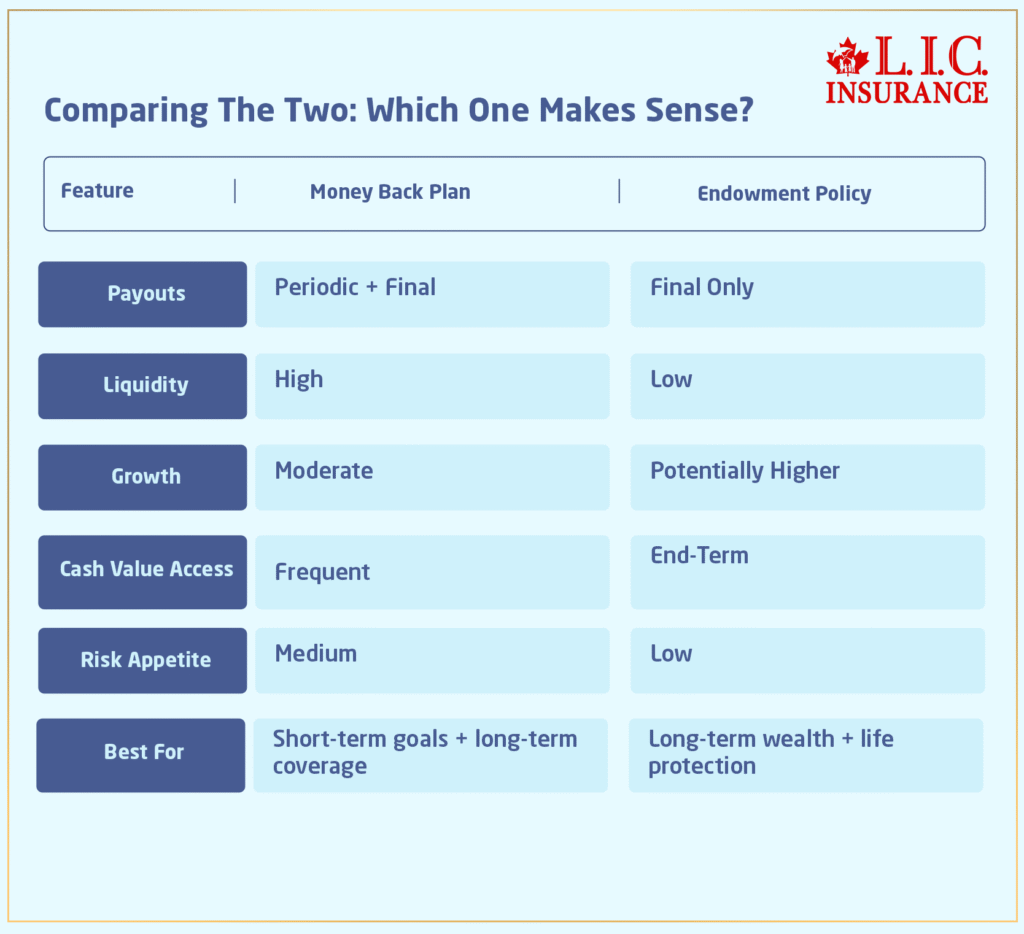
    The debate involving Money Back Vs Endowment Plan structures continues because both products combine insurance with savings-oriented components. However, they function differently in practice.
    Feature Money Back Policy Endowment Plan
    Survival Benefits Periodic payouts Lump sum at maturity
    Liquidity Higher Lower
    Rider Flexibility Usually broader Often limited
    Cash Flow Frequency Multiple intervals End of term
    Death Benefit Active during term Active during term
    Investment Orientation Moderate Stronger savings focus
    Flexibility Higher More restrictive

    The individuals wondering whether Money Back Plans constitute a safe investment option must be aware that the insurance products were created to provide stable solutions and protection for their owners. While compared to market-linked products, the Money Back Insurance provides better prediction of results and less volatility, it might lack some growth options which equity investments possess.

    All discussions at the Canadian LIC regarding whole life and term insurance products as well as endowments, will first address financial considerations rather than unrealistic expectations from these investments.

    Is Money Back Insurance Taxable In Canada?

    Questions involving taxation are extremely common.

    One of the most frequently asked questions by many individuals in Canada is whether there is any tax on survival payments, withdrawal of policy loans, or growth.

    Typically, conventional death benefit amounts that have been paid out to beneficiaries will not result in taxes being levied in Canada. Nonetheless, it is quite possible to get into taxation issues in permanent Life Insurance where one is seeking to handle accumulated growth, surrender values, and policy loans.

    Money Back Insurance taxation questions must always involve consulting both the insurance agent and the tax expert.

    For instance, withdrawals may end up becoming taxable based on adjusted cost basis. In addition, interest accumulation in certain insurance policy forms may be subject to taxes at some point.

    Canadian LIC advises clients who are using permanent Life Insurance as an estate and wealth planning tool to consult tax experts.

    Can Seniors Add Riders To Money Back Life Insurance Policies?

    Yes, although options become more limited with age.

    Age is a factor that affects the availability of riders beyond certain ages, particularly where there are health-related problems.

    Nevertheless, the relevance of Money Back Insurance for senior citizens continues because of estate protection, burial expenses, last-minute tax payment, and support for surviving dependents, among other considerations for many Canadian households.

    There are some cases where a simplified insurance can be issued without a complete physical examination, but premiums will be higher than those for early policies.

    At Canadian LIC, many older customers tend to focus on riders related to death benefits, long-term care or coverage stability rather than fast savings.

    It is quite clear that insurance becomes costly as one grows older.

    However, just because an individual is a senior citizen, this does not imply that he or she does not need insurance at all.

    How Much Coverage Should You Choose?

    One of the most difficult parts of Life Insurance planning involves determining how much coverage truly makes sense.

    There is no universal formula because every family’s financial situation differs.

    At Canadian LIC, coverage discussions typically involve reviewing:

    • Mortgage obligations
    • Income replacement needs
    • Child education costs
    • Retirement objectives
    • Business liabilities
    • Existing investments
    • Future inflation concerns

    Most Canadians unknowingly end up underinsuring themselves in their quest for affordability at present.

    A plan purchased 20 years ago may not necessarily suit the current needs of a household.

    This is one more reason why riders are important.

    One should not just aim at securing insurance at affordable rates.

    One should aim at securing sustainable insurance plans to help one in the times ahead.

    Common Mistakes Canadians Make When They Add Riders

    One of the major mistakes made by Canadians is purchasing various riders without really assessing whether these features fit their financial objectives.

    A second common problem relates to buying plans based on the cost of initial premiums and disregarding that additional riders might lead to higher costs down the road.

    Another group of people neglects to reassess the adequacy of their insurance. Since situations can change for the worse, the existing plan may no longer fit the client’s needs.

    Other mistakes are related to misinterpretations of exclusions, letting policies lapse, forgetting about beneficiary changes, or believing that all riders are beneficial for the plan.

    At Canadian LIC, policy review is highly recommended since an effective insurance plan is supposed to evolve along with the client’s life situation.

    How Canadian LIC Helps Families Customize Money Back Life Insurance Policies

    No two families approach insurance the same way.

    Some prioritize retirement stability. Others focus on child education planning, estate transfer efficiency, or long-term financial protection against health-related uncertainty.

    At Canadian LIC, the process starts with understanding the client’s financial goals before recommending any policy structure.

    That includes reviewing:

    • Existing assets
    • Long-term obligations
    • Tax considerations
    • Coverage affordability
    • Rider suitability
    • Future insurability concerns
    • Estate planning objectives

    Given that there are various ways in which insurers construct Money Back Life Insurance quotes, there is a critical need for comparative analysis.

    The emphasis here is not on the sales of insurance.

    The emphasis here is on the construction of protection measures that can stand the test of time.

    For many Canadians, the proper choice of riders becomes just as crucial as the choice of the actual policy.

    Author: Harpreet Puri, Licensed Insurance Adviser | MDRT Qualifier
    Experience: 14 Years In Life Insurance & Financial Planning

    LinkedIn Profile:https://www.linkedin.com/in/harpreetpuricanadianlic/ 

    Disclaimer:
    This content is provided for general educational purposes only and should not be considered legal, tax, or financial advice. Life Insurance policy features, rider availability, premiums, and eligibility rules vary depending on the insurance provider and individual circumstances. Tax treatment involving permanent Life Insurance, cash value, or policy loans may differ based on personal financial situations. Readers should consult a licensed insurance professional and a qualified tax advisor before making coverage or financial planning decisions.

    Get The Best Insurance Quote From Canadian L.I.C
    Call +1 416-543-9000 to speak to our advisors.
    Get Quote Now

    FAQs

    There could be some lenders who would accept the permanent policy if its cash value can be considered enough for their lending purposes. The eligibility for a loan from such policies is dependent on the insurance company, cash value of the policy, and the lender’s criteria.

    Certainly, occupation does play an important role in the determination of the premium for the policy. Those individuals engaged in dangerous occupations may end up paying higher premiums. Insurance companies’ criteria include consideration of factors such as travel and occupational exposures.

    A number of insurers offer permanent Life Insurance applications to new arrivals; however, it is possible that a residency status and Canadian financial record might impact the conditions of acceptance. Additionally, it is quite possible that some policies will ask for more paperwork during the underwriting process.

    Most of the time, smoking will result in higher insurance costs since smoking is categorized as a higher risk by insurance companies. Even people who smoke occasionally may have to pay more in premiums. People who abstain from smoking for a number of years can benefit from better premiums.

    In some cases, the rules for policies related to dependants or spouses may be such that different combinations of insurance riders could be used based on the individual requirements of each person. The kind of flexibility will differ based on the insurance company and the policy type.

    Certainly, today, many insurance companies provide online applications for Life Insurance with a money-back guarantee. Nonetheless, due to the complexity of the policy structures in some cases, the assistance of an advisor is necessary when developing a customer’s financial plan.

    Some people in Canada would rather have Cash Back Life Insurance as opposed to market-linked financial products since there is relative stability when it comes to economic uncertainty. Although profits might be relatively low, there are certain advantages for families that need security.

    Life Insurance needs can be reassessed when a family decides to increase its obligations in the home. In accordance with the structure of the insurance policy, the insured person will have a variety of riders and policy upgrade possibilities for acquiring more coverage.

    Not necessarily. Some simplified issues or limited underwriting products will provide coverage without the need for a thorough medical examination process. Nonetheless, some policies without medical examination tend to be more expensive or have fewer coverage limits than underwritten permanent Life Insurance.

    Some permanent policy structures with accumulation of cash value can later be incorporated into a wider retirement plan. Some policy owners make use of cash value accumulation, access to policy loans, and survival benefits in supplementing their flexibility options at retirement.

    Indeed, there are those business owners who utilize permanent Life Insurance as a means of ensuring that their businesses have adequate protection in case of a key person risk. However, in some instances, the policy benefits can be used for operational stability following the death of a key person.

    Some insurance products offered by companies offer shorter periods of premium payment along with longer periods of coverage. This is beneficial for people who want to remain covered throughout their lives but do not want to pay any premiums after retirement.

    Insurers allow you to maintain your coverage even when residing outside for some time, although conditions for this may vary by insurer. Long stays may influence eligibility criteria for additional insurance riders. It is advisable to consult the insurance provider about travel plans.

    The dividends for some of the permanent policies that participate in this program may arise depending on the performance of the insurer. The policy owners can then use the dividend to either reduce the premiums paid, buy more coverage or build up even more cash value.

    The payment frequency for many insurers is flexible after the start of the insurance policy. There may be instances when people opt for annual payments due to small discounts offered by insurers in comparison to monthly payment plans.

    Some riders may be allowed to automatically expire beyond a particular age or coverage stage even though the permanent insurance policy continues. Some other riders will be available for the entire duration of the policy. It is important to note how riders expire to prevent any surprises later on.

    Some families purchase permanent Life Insurance for their dependents who will need long-term financial support. If structured correctly, this can assist in providing funding for the care of one of the family members. This type of planning generally requires estate or trust planning assistance.

    Yes, certainly, because high inflation will decrease the buying capacity of the Life Insurance payment received after many years. People who select Money Back Life Insurance plans take into account how future expenses for the family might grow significantly.

    Some of the joint insurance plans have individual rider options for each individual insured. While one spouse may want extra cover on the medical front, another may be concerned more about guaranteed insurability and future policy options. This depends on which insurance company it is.

    The following are some of the rider benefits that might include the waiting period before becoming claimable. These are often applied to the specialized health or disability riders. It is crucial to understand this since the interpretation of the cover differs from what the contract means.

    Ownership transfers can be done depending on the type of permanent Life Insurance coverage chosen. There are individuals who make ownership transfers due to various reasons like tax issues and other financial planning issues related to their businesses or families.

    The use of more riders at times might lead to the reduction in accumulation rate of cash values since part of the premiums pay for benefits from the additional riders. This will depend on the type of permanent insurance policy that is adopted.

    Other Canadians use their Life Insurance for donation planning in later life. Making a registered charity the recipient of a policy can provide an avenue to further one’s charitable intent, as well as generate estate taxation benefits in some cases.

    Overall, the more youthful and healthy an individual is, the more favourable prices they get from the insurer, due to low risks involved. Taking out a life cover early can increase the chances of getting a wide variety of riders at lower costs in future due to health problems.

    The answer is yes because there are many instances where families fail to appreciate the monetary benefits of unremunerated responsibilities within their family homes. Riders and additional policies can assist in compensating for such things when a stay-at-home parent falls ill or dies.

    Sources and Further Reading

    Key Takeaways

    • A Money Back Life Insurance Policy Canada combines Life Insurance coverage with scheduled survival payouts, making it appealing for Canadians seeking both protection and long-term financial value.
    • Riders can significantly improve a Life Insurance policy by adding additional protection tailored to evolving financial goals, family responsibilities, and future healthcare concerns.
    • Popular rider options include accelerated death benefit rider features, guaranteed insurability rider benefits, child term rider protection, and accidental death coverage.
    • Life Insurance with money back guarantee structures may help families feel more comfortable about paying premiums because some policies provide money returned during the policy term.
    • The death benefit structure can vary depending on the insurance company, especially after survival payouts are issued, making policy comparison extremely important.
    • Guaranteed insurability can help policyholders increase coverage later without another medical exam, which may become valuable if health issues develop in the future.
    • Certain permanent Life Insurance policies may build cash value over time, allowing policyholders potential access to policy loan options or additional financial flexibility.
    • Money Back Vs Endowment Plan comparisons should focus on liquidity, flexibility, rider availability, and long-term financial protection rather than investment returns alone.
    • Questions involving is Money Back Insurance taxable should always be reviewed with a tax advisor because policy taxation may vary depending on policy structure and withdrawals.
    • Adding too many riders without evaluating affordability can increase higher premiums and create long-term financial strain if the policy becomes difficult to maintain.
    • Money Back Life Insurance for seniors may still offer valuable estate planning and financial protection opportunities, although rider availability often becomes more limited with age.
    • Working with an experienced insurance professional helps families compare Money Back Life Insurance quotes properly and customize coverage according to real long-term financial goals instead of short-term assumptions.

    Your Feedback Is Very Important To Us

      Personal Information

      1. Please share your Name:

      2. Please share your Email Address:

      3. Please share your Phone Number (Optional):

      4. Which province in Canada do you live in?

      Your Current Insurance Situation

      5. Do you currently own a Money Back Life Insurance Policy in Canada?

      6. Which type of Life Insurance are you most interested in?

      7. What is your biggest concern when choosing a Life Insurance policy?

      Please specify:

      Rider-Related Challenges

      8. Before reading this article, were you aware that you could add riders to a permanent policy?

      9. Which Insurance Rider interests you the most?

      10. What confuses you most about riders?

      Please specify:

      11. Have you ever delayed buying coverage because of confusion around riders or policy options?

      Financial Planning & Protection Goals

      12. What is your main reason for considering Life Insurance with Money Back Guarantee features?

      Please specify:

      13. Are you concerned about future health issues affecting your ability to increase coverage later?

      14. Would you prefer fixed premiums or flexible premium options?

      Coverage Experience & Advisor Support

      15. Have you ever felt that an insurance provider did not properly explain rider benefits or limitations?

      16. What is your biggest frustration with shopping for Money Back Life Insurance quotes?

      Please specify:

      17. Would you like a personalized review of your current insurance policy or rider options?

      Final Thoughts

      18. Which topic would you like Canadian LIC to explain next?

      Please specify:

      19. Additional Comments Or Questions:

      Why Canadian Families Buy Term Life Insurance In Canada?

      Why Canadian Families Buy Term Life Insurance In Canada?
      Why Canadian Families Buy Term Life Insurance In Canada
      Canadian LIC

      By Harpreet Puri

      CEO & Founder

      SUMMARY

      Term Life Insurance for families in Canada helps provide financial protection through income replacement, mortgage support, and tax-free death benefits. Coverage options, affordable Term Life Insurance Plans, Term Life Insurance costs in Canada, Term Insurance for couples, and Term Life Insurance vs Whole Life Insurance are discussed alongside how much life insurance a family may need to protect children’s education, living expenses, and the family’s future.

      Introduction

      Canadian families are facing financial pressures that look very different from what previous generations experienced. Mortgage payments have increased sharply in many cities, grocery bills continue to rise, childcare costs remain expensive, and long-term financial responsibilities now stretch far beyond basic household expenses. According to Statistics Canada, household debt levels in Canada continue to remain elevated, with mortgages representing the largest financial obligation for most families. At the same time, data from CLHIA shows that millions of Canadians depend on life insurance coverage as part of their long-term financial protection strategy.

      The discussions regarding the need for life insurance in many homes have gone beyond issues such as funeral expenses or estate management. Today, many homes have started to take issues of securing themselves against loss of income and ensuring that they can make their monthly mortgage payments and pay for the education expenses of their children, among others, in case an eventuality strikes. The reasons above justify the increased popularity of family life insurance policies in Canada.

      It is common to find that most families survive on the income generated by one or two persons. The situation becomes dire when one of the main sources of income dies. Monthly expenditures will continue to come even without any income. Issues such as mortgage repayments, childcare fees and others still need money despite how hard the situation is financially.

      It is this reason that Term Life Insurance Canada has become a vital aspect of today’s financial planning. Contrary to permanent life insurance policies that seek long-term benefits through cash accumulation, Term Life Insurance policies seek affordable financial protection within a particular period of time when people have more need for such protection. Term Life Insurance offers people a chance to buy a lot of coverage without straining their finances.

      For instance, at Canadian LIC, families looking for Term Life Insurance rates are not necessarily seeking investments but rather seeking financial protection that suits their financial position. This kind of insurance can help people to protect their loved ones from uncertainties and also meet various needs, ranging from income replacement, paying off debts, and ensuring that their children are well catered for in the future.

      Why Life Insurance Has Become An Essential Part Of Family Financial Protection

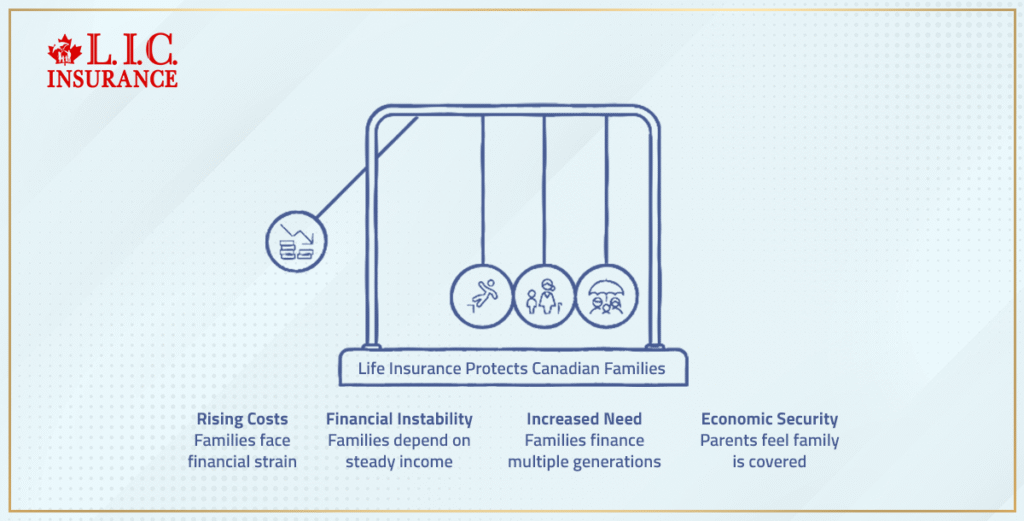
      Life has become more costly for Canadian families in almost every way. The cost of housing continues to be an obstacle for first-time buyers as well as those already in possession of homes. Having kids today takes much more preparation than it did even fifteen years back. Housing, gaps in health care, food, school savings, and retirement plans vie for attention from the same family budget.

      In consequence, many families are financially unstable despite having a stable appearance.

      A family could consist of two breadwinners, have a roof over their head, drive vehicles, and have savings that are increasing steadily, but they could be completely dependent on a steady flow of money. Should one of the couple pass away suddenly, the other party would be required to assume significant financial burdens right away.

      This is where life insurance becomes an essential part of financial protection rather than an optional purchase.

      Term Life Insurance Coverage helps create a financial safety net for surviving family members. Instead of forcing loved ones to immediately sell the home, deplete retirement savings, or drastically lower their lifestyle, the policy can provide meaningful financial support during one of life’s most difficult transitions.

      The need for life insurance has also increased in Canada, given the extended period that families are taking to complete their commitments. In some families, the parents have to finance their children even during their university days while simultaneously funding the needs of their parents. Certain families find themselves in the situation where they are paying for childcare as well as elder care expenses at once. Moreover, others find themselves paying off mortgages well into their 50s and 60s because of rising property prices.

      The need of the hour is clear for young families. In most cases, parents feel that any loss incurred from the primary earning member would have devastating effects on the economic future of the family. There are not just monthly commitments to take care of, but also long-term considerations regarding the children’s education, retirement plans, and finances.

      Life insurance coverage gives parents the satisfaction that even if something happens to the primary source of earnings, the rest of the family members are covered economically.

      Life Insurance Protects Canadian Families

      Why Most Families Choose Affordable Term Life Insurance First

      The affordability of Canadian life insurance has become a pivotal determinant in many family plans.
      Families comprehend the significance of securing themselves financially while being aware of the necessity of having coverage that meets their budgetary needs. Affordability is the main reason why Term Life Insurance is popular in Canada.
      With Term Life Insurance, individuals have the option to get coverage worth millions of dollars for an affordable price. Families will pay a smaller premium compared to what they would be required to pay under permanent insurance products. Families can therefore afford to purchase more coverage during their most vulnerable times.
      In other terms, a healthy couple aged between thirty and forty can afford substantial coverage under Term Life Insurance, which might be more expensive under permanent life insurance products. It is important to note that families are already making huge payments such as mortgages, childcare, food, transportation, and retirement planning. 
      Term Life Insurance serves the primary purpose of providing protection against unforeseen events. The policy does not offer any cash value or accumulate money over time.
      Coverage Type Typical Monthly Cost Coverage Length Cash Value
      Term Life Insurance Lower Premiums Fixed Set Period No
      Whole Life Insurance Higher Premiums Lifetime Coverage Yes
      Universal Life Insurance Flexible Premiums Permanent Coverage Yes

      This makes Term Insurance an especially attractive option for younger families. Most households start out wanting to focus more on protecting against the mortgage, income protection, providing for child care costs, and paying off debts than investing in insurance policies. With Term Life Insurance, families can fulfill their obligations in these areas without breaking the bank.

      One advantage of Term Insurance is its flexibility. Families can opt for term policies with various durations according to their needs. There are those who choose policies with 20-year terms to cover the years of dependency, while others go for longer 30-year terms.

      In Canadian LIC, most customers initially look for a form of permanent insurance only to discover that an affordable term policy suits their lifestyle. When they have reduced their mortgage balance, gained financial independence from their children, and built up enough savings, they can then move on to explore the possibilities of permanent policies.

      Term Life Insurance will continue to be an ideal option for many Canadian families because of its cost-effectiveness, flexibility, and coverage.

      How Much Life Insurance Does A Family Need In Canada?

      One of the most common questions Canadian families ask is how much life insurance they actually need.

      There cannot be a single answer since each individual case varies. For example, a relatively new couple with little kids and substantial debts would need to have substantially higher coverage compared to a couple who has already raised their offspring and does not have any significant debts. Still, the purpose stays the same – to ensure the survivors can sustain themselves economically in the event of an unexpected loss.

      The most common advice offered by professionals working in the field is based on the income replacement approach. Namely, they suggest buying life insurance worth 10-15 times more than annual income. Such a suggestion serves well as an approximation, but, unfortunately, is far from being enough for thorough planning.

      When considering the best coverage, one needs to take into account a number of aspects. The biggest debt most Canadian families face is the mortgage loan. At the same time, there are many cases when individuals take car loans or even owe money. Other issues may include expenses related to educating children or assisting elderly parents financially.

      Daily living expenses must also be considered realistically. Groceries, utilities, transportation, insurance payments, and property taxes continue regardless of emotional circumstances. The surviving spouse may also face reduced work flexibility, especially if young children are involved.

      Many families underestimate how quickly a lump sum can decline when long-term living expenses are included.

      For instance, a household with earnings of $140,000 per year, having two children, paying a mortgage, and holding limited savings, might require an insurance plan that covers over one million dollars in order to be stable over the coming 15 to 20 years. Taking into account mortgages, childcare, costs of schooling, and the cost of living, it becomes evident that the needed amount of coverage will be greater than originally anticipated.

      It is also very common for people to underestimate the economic role played by stay-at-home parents. Although there is no direct salary, it does not mean that such parents do not offer anything else. They can do various kinds of work at home that is worth several thousand dollars per year and, therefore, would be rather expensive to compensate.

      At Canadian LIC, we come across many clients trying to calculate Term Life Insurance quotes, and the first thing that comes to their mind is to cover funeral costs or pay off some debts. After doing some calculations, however, they realize the true cost of insuring themselves.

      Life insurance can help people remain financially stable even after being gone.

      Understanding The Death Benefit and Tax-Free Financial Support

      The death benefit is the foundation of every life insurance policy.

      When an insured person dies during the active policy period, the beneficiaries receive a lump sum payment known as the death benefit. In Canada, this payout is generally received tax-free, which makes life insurance one of the most efficient financial protection tools available for families.

      That tax-free death benefit can provide enormous financial support during an emotionally difficult time.

      Families may use the lump sum to continue mortgage payments, eliminate debts, cover daily living expenses, pay funeral costs, fund children’s education, or simply stabilize household finances temporarily while long-term adjustments are made. Unlike many other financial assets, life insurance proceeds are designed to move directly to beneficiaries relatively quickly when policies are properly structured.

      This speed matters greatly.

      When a primary income earner dies unexpectedly, surviving spouses often face immediate financial pressure. Monthly bills continue arriving almost instantly. Childcare obligations remain. Groceries, utilities, insurance premiums, and transportation costs do not pause during grief. The financial shock can become overwhelming if there is no existing financial safety net in place.

      A properly structured Term Life Insurance policy helps reduce that pressure significantly.

      Many Canadians also appreciate the simplicity of Term Life Insurance claims. Once documentation requirements are completed, Canadian insurers typically process valid claims according to strict regulatory standards. This allows families to focus more on emotional recovery rather than financial survival.

      At Canadian LIC, families are often surprised to learn how flexible life insurance death benefits can be. Beneficiaries are not restricted to using the funds for one specific purpose. Instead, the payout becomes a source of financial stability that can adapt to the household’s immediate and long-term needs.

      The purpose of life insurance is not merely to replace income temporarily. It is about protecting the family’s future and helping loved ones maintain dignity, stability, and opportunity despite devastating circumstances.

      Why Income Replacement Matters More Than Ever For Canadian Families

      Income replacement remains one of the strongest reasons Canadian families purchase Term Life Insurance Coverage.

      Most families in modern times survive largely on one or two salaries to be able to support their standard of living. Higher-income families will have to struggle with financial difficulties when one source of income is abruptly lost. The bills will come, even if they lose all of the income coming from the family unit.

      The trauma and distress caused by such a loss is bad enough, but the additional stress of being unable to cover household needs can exacerbate matters.

      Take the example of a family in Ontario that consists of two young kids, mortgage costs, and over $100,000 worth of expenses per year. The family might be unable to cope financially with an unexpected death if the primary income earner is suddenly gone without having adequate safeguards.

      Income replacement through Term Life Insurance helps prevent those situations from becoming catastrophic.

      The economic benefit of domestic assistance is also often overlooked by many Canadians. Staying home parents offer assistance that usually comes with a high price tag. Child care, housekeeping, transportation, cooking, and personal care are just some of the ways that contribute to the stability of the family.

      Without proper protection, surviving partners have no choice but to hire external help amid a time when their emotional state is being challenged by significant life changes.

      That’s why Term Life Insurance for families continues to be highly relevant. This creates a breathing space at a time when financial and emotional challenges come together.

      Instead of making loved ones sell assets, withdraw retirement funds, or borrow money to cover expenses, the amount covered ensures stability during transition years.

      Term Life Insurance Vs Whole Life Insurance: What Families Should Know

      One of the most difficult decisions for families is deciding whether to opt for Term Life Insurance or Whole Life Insurance.
      Both types of insurance policies have their own significance, but they work in entirely different ways.

      Term Life Insurance offers protection only for a limited time period. In case of death within the policy period, the beneficiary receives the death benefit. After the expiration of the term, the protection lapses unless the policy is renewed.

      On the other hand, Whole Life Insurance and Universal Life Insurance offer protection for a lifetime.
      Feature Term Life Insurance Whole Life Insurance Universal Life Insurance
      Coverage Length Temporary Lifetime Coverage Permanent Coverage
      Monthly Cost Lower Higher Flexible
      Cash Value No Yes Yes
      Main Purpose Affordable Protection Lifelong Protection Flexible Investment + Coverage

      For several families, affordability becomes the determining factor initially. Many young couples want coverage in case of their death regarding mortgage, childcare assistance, earning replacement, and handling debts. The Term Life Insurance ensures they have adequate coverage while having affordable premiums.

      Permanent life insurance may become appealing when used for estate planning, tax planning, transferring wealth, or business continuity reasons. Additionally, some people in Canada prefer the lifelong coverage since it provides a future payout plus accumulates cash over the years.

      Nevertheless, most families start out with term life as it enables them to combine their coverage needs with RRSPs, TFSAs, RESPs, and even save for emergencies.

      At Canadian LIC, one of the first questions the advisors would ask the clients is whether it all depends on the financial plans of the family members. No one-size-fits-all policy type applies to everyone.

      How Long Should Family Term Insurance Last?

      Choosing the right term length is almost as important as choosing the right coverage amount.

      Families generally want term coverage to last through their highest financial responsibility years. That usually includes periods where children remain financially dependent, mortgages are still outstanding, or household debt obligations remain significant.

      The most common term options in Canada include:

      • 10-Year Term
      • 20-Year Term
      • 30-Year Term

      A 20-year Term Life Insurance Plan will be perfect for a family with dependents because it coincides almost perfectly with years of dependency and paying off the mortgage. The right term to opt for a young family would depend on various considerations, including the size of the mortgage.

      The length of the right plan is largely determined by the particular situation at hand. Some people tend to pick short-term plans because they foresee a quick reduction in the amount of debt that they have.

      In other cases, people might buy extended plans when they are relatively healthy because they do not want to pay higher premiums if their condition worsens.

      In Canadian LIC, many families go for extended coverage because insurability is always unpredictable. One might be forced to part with a lot more money should they receive a new medical diagnosis later in life.

      Why Couples Often Choose Term Insurance For Couples

      Term Insurance for couples has become increasingly common because modern households often rely heavily on both partners financially.

      Even if one spouse earns less income, their contributions to the household may still carry enormous economic value. Losing either partner can create major financial disruption.

      Couples often share:

      • Mortgage obligations
      • Vehicle loans
      • Childcare responsibilities
      • Household expenses
      • Retirement planning goals
      • Long-term financial commitments

      A lack of sufficient financial security could prove difficult for surviving partners to achieve stability.

      Additionally, there is a lack of realization of the need to ensure homemakers are appropriately insured. Even though they might not be able to earn money through employment, the costs that arise from trying to replace their work in the home prove to be costly.

      Some individuals opt for different individual policies, while some go for joint plans depending on what they want.

      Individuals at the Canadian LIC tend to assist in assessing what coverage amount should be insured, considering that it might not necessarily be the earning spouse only.

      It takes an understanding of the financial contribution made by each individual in the home to protect the family.

      How Canadian LIC Helps Families Buy Life Insurance With Confidence

      For many Canadians, purchasing life insurance may be quite perplexing. There are many issues that need to be addressed when buying life insurance, including the type of insurance, amount, term period, underwriting, and affordability.

      The purpose of Canadian Life Insurance Company is not to get you life insurance. It is to make sure that you understand your financial situation and needs so that you can make wise choices.

      Families receive guidance that considers:

      • Household income
      • Mortgage obligations
      • Debt levels
      • Child dependency years
      • Retirement planning
      • Existing investments
      • Long-term affordability
      • Future insurability

      Canadian LIC helps compare Term Life Insurance quotes from multiple major insurers, including:

      The comparison method makes it easier for individuals to compare the prices, facilities, options, and flexibility that are available to them.

      In the case of Canadian LIC, there is a continued emphasis on helping clients to find the best insurance policy, rather than settling for the cheapest one. Good financial cover needs to be balanced with cost-effectiveness.

      Common Mistakes Families Make When Choosing Life Insurance Coverage

      A majority of people put off getting life insurance for themselves and their families until such time when they feel that they will no longer be around to provide financial support to their families. However, this may end up becoming a major problem.

      Most of the time, premiums become increasingly expensive over time. In addition, the change in an individual’s health situation might affect his or her insurability significantly. There are also people who underrate how much insurance cover they require. Instead of considering the expenses of buying insurance for many years in the future, some people only consider the costs associated with organizing funerals.

      There are cases where people opt to get employer-based insurance, and they do so thinking that they will always be employed. Other people also opt to buy policies which have a high premium cost yet require low insurance benefits.

      This is one of the mistakes that our team at Canadian LIC tries to discourage customers from making.

      Why Term Life Insurance Continues To Be A Cost Effective Financial Plan For Young Families

      Term Life Insurance is perhaps one of the most cost-efficient financial products for younger families.

      The logic behind this assertion is rather simple. While financial protection is certainly needed in the highest degree during the years when expenses will be extremely high but not for life, mortgages are paid off, children mature and become independent, and debt becomes less while retirement funds start accumulating.

      However, in early years, when the family has just been formed, the need for financial security is higher than ever.

      Term Life Insurance offers the possibility to get protected for such years, spending as much money on the premium as possible in a cost-efficient manner.

      The opportunity to remain financially flexible while being insured, which means having the ability to invest into various other assets, including TFSA, RRSP, RESP, and others, is invaluable during uncertain economic times.

      Protecting Children's Education And Your Family's Future

      One of the reasons why parents buy life insurance is their wish to make sure that there is a secure future for their kids.

      Education in Canada is getting more expensive every year. Educational fees, housing costs, textbooks, transportation, and various other expenditures connected with education can put too much financial burden on surviving family members in case of sudden loss of income sources within the family.

      In case there was no adequate financial preparation, everything may be changed in a child’s future.

      Properly chosen Term Life Insurance will help maintain all educational goals in case of financial difficulties. Parents will continue paying for their child’s education and provide necessary support and development assistance.

      There are numerous ways for Canadian families to prepare for the future and increase the level of financial safety. One of them is to buy life insurance combined with RESPs and additional financial preparations.

      For example, at Canadian LIC, many people say that it is not themselves who are the reason why they want to buy insurance, but their kids.

      Final Thoughts On Choosing The Right Life Insurance In Canada

      Every family within Canada experiences different levels of financial stress, responsibility, and planning needs. Some households require mortgage protection. For other families, it might be income protection, debt relief, funding educational expenses, or safeguarding their family financially.

      This is precisely why selecting a good life insurance policy should never come down to guesswork.

      Many families will still find that Term Life Insurance Canada is the best way to achieve affordable yet effective protection in terms of both cost and coverage.

      Families are able to obtain adequate life insurance cover at very reasonable costs without having to sacrifice any of their other financial priorities.

      However, it is crucial that one starts early before insurability becomes an issue due to age and other factors.

      Canadian LIC will help you compare a number of life insurance policies as well as receive advice based on your unique financial position.

      Life insurance coverage not only helps deal with emergencies and uncertainties. It is also about securing your family for the future.

      Author: Harpreet Puri, Licensed Insurance Adviser | MDRT Qualifier
      Experience: 14 Years In Life Insurance & Financial Planning

      LinkedIn Profile:https://www.linkedin.com/in/harpreetpuricanadianlic/

      Disclaimer:
      The information provided is for general educational purposes only and should not be considered legal, tax, or financial advice. Term Life Insurance Coverage, premiums, eligibility, and policy terms may vary based on age, health condition, insurer guidelines, and province. Readers should consult a licensed insurance advisor before purchasing any life insurance policy in Canada. Policy features and availability may change over time.

      Get The Best Insurance Quote From Canadian L.I.C
      Call +1 416-543-9000 to speak to our advisors.
      Get Quote Now

      FAQs

      Purchasing Term Insurance early is beneficial for families to ensure that they receive favourable premium rates, which are largely dependent on one’s age and physical health status. Term Insurance is something most young families buy before they are faced with bigger responsibilities and higher costs in life.

      Yes, a Term Life Insurance policy could be of great use to secure the co-signed mortgages which the spouses, or any other family members, share together. The Term Life Insurance death benefits will help in case one of the borrowers dies suddenly, and thus avoid any burden on other borrowers still liable for payments.

      Absolutely not, Term Life Insurance for families is also suitable for couples who do not have children, people who financially support their elderly parents, or those who share debts together. Term Life Insurance is used by many Canadians to secure themselves financially or to maintain stability in case of unforeseen circumstances.

      Conversion options can be included in some Term Life Insurance Coverage policies in Canada that can give the policyholder the ability to move from their Term Life Insurance Coverage to permanent life insurance coverage without having to undergo any further medical examinations.

      In most cases, when one misses paying premiums for a Term Insurance plan, insurance providers give a grace period for them to make such payments. If there are no payments during the grace period, then the insurance can expire.

      Yes, self-employed individuals in Canada usually opt for inexpensive Term Life Insurance to cover their income, costs at home, and their future. As self-employed families do not have access to employee benefits, Term Life Insurance plays an essential role for the remaining family members.

      Yes, smokers generally pay more for Term Life Insurance in Canada because insurance companies view smokers as high-risk clients. Even those who smoke on occasion are affected. The amount of money that families can save through non-smoking is substantial once the mandatory waiting period passes.

      The life events of people keep changing from one time to another. Getting married, having children, buying houses, expanding businesses, or earning more money can influence the amount of life insurance cover one requires. Therefore, it is essential that one reviews their insurance plan from time to time.

      There are some Canadians who plan their finances by purchasing life insurance policies for their family members in future generations. The grandparents may buy a particular type of life insurance policy for their grandchildren so that they are covered for their whole lives.

      But not necessarily. There are Term Life Insurance products that come with fewer medical tests depending on age, health, and coverage required. But in most cases, the complete underwriting process leads to cheaper premiums and better coverage options.

      Several major insurers offer Term Life Insurance Canada solutions designed for families, including Canada Life, Sun Life, Manulife, and RBC Insurance. The right provider depends on a family’s financial situation, health condition, coverage amount needs, and long-term financial goals. Many households compare flexibility, conversion options, and affordability before selecting a Term Life Insurance policy.

      For families, the benefits of Term Life Insurance come mainly during those periods when needs are highest. Term Life Insurance helps cover expenses like the mortgage, providing income in case a breadwinner passes away, funding education, and covering other daily expenses. Another reason many Canadians opt for Term Life Insurance is that it provides greater financial security at an affordable price.

      Absolutely, several insurance companies provide Term Life Insurance Plans that are not only affordable but are tailored towards young families, young couples, or even new homeowners. Term Life Insurance rates will most likely be lower for those people who apply at an early age in life and opt for Term Life Insurance policies as compared to permanent life insurance.

      Typically, the duration of 20 years on a life insurance policy fits into large family responsibilities such as child upbringing and paying off a mortgage. Many families living in Canada select this particular period as it ensures financial stability during years that require high levels of spending. It also gives families the chance to have predictable premium payments for the whole period of 20 years.

      Most Term Life Insurance Plans have some exclusions that would prevent payment of benefits if certain criteria are met. Some of the most common exclusions include material misrepresentation, participation in hazardous occupations, and death during the contestable period because of hidden health information. It is important for families to read the policy details and consult an insurance professional before purchasing life insurance.

      Sources and Further Reading

      Key Takeaways

      • Term Life Insurance for families helps provide financial protection during years where mortgage payments, childcare costs, and daily living expenses are highest.
      • Many Canadian households choose affordable Term Life Insurance because it offers substantial coverage amounts at lower monthly premiums compared to permanent life insurance plans.
      • The right coverage amount depends on income replacement needs, financial obligations, children’s education costs, debts, and long-term family goals.
      • A Term Life Insurance death benefit is generally paid tax free to beneficiaries in Canada and can help support mortgage payments, living expenses, and future financial stability.
      • Young families often prefer term life coverage because it is cost effective and aligns well with temporary high-responsibility years.
      • Comparing Term Life Insurance quotes from multiple insurers can help families identify the right life insurance policy based on both affordability and long-term protection needs.
      • Term Life Insurance vs Whole Life Insurance decisions should be based on financial situation, future goals, budget flexibility, and whether lifelong coverage or cash value accumulation is important.
      • A 20-year or 30-year Term Life Insurance Plan is commonly selected to match mortgage timelines and child dependency years.
      • Couples should evaluate coverage for both spouses, including stay-at-home parents whose household contributions carry significant financial value.
      • Reviewing life insurance coverage regularly helps families adjust protection as income levels, debts, children, and financial goals evolve over time.

      Your Feedback Is Very Important To Us


        Universal Life Insurance Tax Benefits for High Earners

        Universal Life Insurance Tax Benefits for High Earners

        Universal Life Insurance Tax Benefits for High Earners
        Canadian LIC

        By Pushpinder Puri

        CEO & Founder

        SUMMARY

        Universal Life Insurance Canada strategies are increasingly used by high-income earners seeking tax efficiency, estate planning support, and long-term wealth preservation. Topics include Universal Life Insurance tax benefits, CRA rules for Universal Life Insurance, Cash Value Life Insurance Canada, tax-deferred growth, Permanent Life Insurance policies, Universal Life Insurance costs in Canada, corporate planning, probate reduction, retirement income strategies, and tax-efficient wealth transfer for affluent Canadian families.

        Introduction

        The moment many affluent Canadians begin earning substantial income, the conversation around money changes completely. The earlier stage of financial planning involves growth, income, and savings, but the later stages gradually shift towards another crucial area: retaining the gains that were previously made.

        A doctor earning $500,000 per year, a highly successful incorporated consultant, or a self-made business person enjoying corporate retained earnings might suddenly come across an unpleasant discovery: the higher their level of prosperity, the more taxation hinders their financial progress over the long term. Income from investments becomes increasingly taxed, as do passive investments under the new regulations in the corporate environment. Estate debts start building up silently in the background. Even if the portfolio performs exceptionally well, its growth will be severely hampered by the yearly taxation of compounding returns.

        It’s this pressure that has driven the discussion about Universal Life Insurance in Canada among top earners to grow significantly in recent years.

        According to the Canadian Life And Health Insurance Association (CLHIA), Canadians collectively hold trillions of dollars in life insurance coverage, with permanent insurance products increasingly becoming part of broader financial and estate planning conversations. Meanwhile, the Canada Revenue Agency (CRA) continues to maintain strict tax rules involving passive investment income, estate taxation, and exempt life insurance policies.

        For many affluent households, the challenge is no longer simply generating returns. The challenge becomes improving tax efficiency while preserving financial flexibility across decades.

        That is where the tax advantages of Universal Life Insurance in Canada begin attracting attention.

        At Canadian LIC, it is not uncommon to see clients who undertake the task of advance planning all end up coming to the same conclusion. RRSPs and TFSAs continue to be important, but when it comes to those earning highly who are taking full advantage of their traditional registered plans, new ways of dealing with taxes may be called upon. The Universal Life Insurance Policy is one of the options that has increasingly been considered for these reasons.

        The Universal Life Insurance Policy is one of the most misunderstood financial instruments in Canada.

        Some see it only as insurance, while others consider it a way of investing in a product that does not attract taxes. The truth is that this is neither insurance nor a tax-free instrument. But when it is put in place correctly, it could be an amazing tool.

        Knowing the difference between the two makes all the difference, especially among rich individuals in Canada who run corporations, invest in assets, and have estate planning tasks.

        Why High-Income Canadians Are Re-Evaluating Traditional Investment Strategies

        As many successful Canadians discover at some point in time when they reach higher tax brackets, the problem is not necessarily with how their investments have performed but rather how taxation reduces efficiency over time.

        Income from interest is taxed. Gains from non-registered investments result in annual tax reporting. Reallocations might give rise to capital gains. Earnings on foreign investments represent yet another level of taxation. Regardless of good performance, the ability to grow wealth will gradually diminish due to taxation interfering with compound growth.

        It is an even trickier situation for incorporated professionals and business owners.

        Earnings from corporations are usually taxed before being reinvested through passive activities. This may affect access to certain tax benefits offered by the small business deduction rules. A corporation with passive investment holdings that are significant in size may actually become less tax-efficient over time than initially anticipated.

        It is thus natural for wealthy Canadians to start exploring opportunities to enhance after-tax results.

        This is where the entire discussion changes.

        Instead of focusing only on accumulation, many high-income earners begin focusing on:

        • Tax efficiency
        • Estate preservation
        • Wealth transfer
        • Probate reduction
        • Retirement income planning
        • Corporate succession planning

        Universal Life Insurance Policies have been gradually gaining more ground in such debates due to the relationship between their taxation and wealth creation.

        For most wealthy Canadians, the attraction lies beyond simply purchasing insurance. The attraction lies in being able to create wealth effectively within a tax-sheltered environment, while at the same time ensuring liquidity for their estates.

        Strategies for Wealth Enhancement

        How Universal Life Insurance Works In Canada

        It is necessary to understand how Universal Life Insurance works before going into its tax benefits.

        Universal Life Insurance is a form of Permanent Life Insurance that offers lifelong insurance coverage and also allows the insured person to build an investment account within the insurance plan.

        In contrast to term life insurance, which has a finite period of coverage, Universal Life Insurance is intended to offer coverage throughout the life of the insured person, provided that funding requirements are satisfied.

        Universal Life Insurance involves two different parts.

        The first part involves the insurance component. The insurance component is responsible for providing the insurance coverage or death benefit, as well as meeting the expenses associated with insurance coverage.

        The second part involves the investment component of the insurance plan. The premium payments above the insurance expense are deposited into the investment account within the insurance plan.

        This is where Universal Life Insurance differs significantly from basic insurance products.

        The wealthy members of Canadian society find flexibility in the product very appealing, since it is possible to make changes to the policy as circumstances dictate. In certain cases, individuals will put just enough money into the policy to keep it going, while others may take advantage of the fact that their contributions are exempt from CRA rules, allowing them to make very large deposits.

        In many cases, it will be possible for the insurer to offer a wide range of investments, including guaranteed interest plans, indexed plans, bond-based plans, equities, or even daily interest plans.

        One reason why Universal Life Insurance tends to attract entrepreneurs and professionals is precisely this aspect of flexibility.

        But with flexibility comes the potential for complexity.

        Whereas some insurance products are fairly straightforward in nature, Universal Life Insurance demands careful management.

        That is why advanced planning becomes essential.

        Understanding The Universal Life Insurance Tax Benefits Available Under CRA Rules

        The key attraction around the Universal Life Insurance tax benefits is the special way that exempt life insurance policies work from a Canadian tax perspective.

        According to CRA guidelines, qualified exempt life insurance policies can be set up so that growth within the policy is taxed only when the policy becomes non-exempt. In effect, the taxpayer doesn’t need to pay tax annually on the investment gains made while the policy remains exempt.

        That can make all the difference for wealthy Canadians over time.

        If money were invested in a regular, taxable investment portfolio, the annual taxation would chip away at compound growth rates over many years.

        However, when the money is invested through a well-designed universal life policy, growth can be allowed to keep growing year after year without interruption by annual taxes.

        This makes an enormous impact over time.

        Finally, even the death benefit enjoys favourable tax treatment. The death benefit will normally be paid out as a lump sum tax-free amount to the policy’s beneficiaries.

        This feature alone often becomes highly attractive for estate planning purposes.

        For high-income families, large estates may eventually face:

        Universal Life Insurance can assist in creating liquidity when such demands occur.

        Yet, it is essential to note that the term “tax-free” often causes misconceptions for many Canadians.

        Universal Life Insurance is not necessarily tax-exempt under all conditions. Taxation rules associated with exempt policies, cost basis calculations, withdrawals, policy disposition, and cash surrender value continue to carry significant weight.

        That is precisely the reason why wealthy planning strategies incorporating Universal Life Insurance must never be taken lightly.

        Is Universal Life Insurance Tax-Free In Canada?

        One of the common myths about Universal Life Insurance revolves around its taxability.

        Many individuals question whether Universal Life Insurance is entirely exempt from taxes in Canada.

        However, this is not always the case.

        The death benefit proceeds of the Universal Life Insurance Policy are typically exempt from taxes to the beneficiaries. This tax advantage is one of the main benefits that come with life insurance planning.

        Nevertheless, some transactions concerning the Universal Life Insurance Policy might result in taxable events.

        Any withdrawal exceeding the policy’s adjusted cost basis may become taxable income. The surrendering of a policy may generate taxes. Some forms of policy loans could also become subject to tax depending on their nature.

        This point is particularly relevant when wealthy Canadians utilize Universal Life Insurance mainly for wealth-building purposes.

        In Canada Life Insurance Co., many affluent customers realize how essential proper management of their Universal Life Insurance Policy becomes once substantial investments start flowing into the policy.

        While the policy can become highly tax-effective, any incorrect funding, withdrawal, or restructuring could undermine these tax benefits significantly.

        How Cash Value Growth Works on a Tax-Deferred Basis

        It is the investment portion within Universal Life Insurance that usually lures the wealthy Canadian clients who want something more sophisticated from their money.

        When premium payments surpass the basic insurance cost of the policy, the surplus amount is deposited into the investments of the policy.

        If the policy is maintained within the terms of the exempt test criteria specified by the Income Tax Act, the growth within the policy will continue in a tax-deferred manner.

        This becomes more apparent when we consider Universal Life Insurance against taxable investments.

        Taxable Investment Account Vs Universal Life Insurance

        Scenario Taxable Investment Account Universal Life Insurance
        Annual Investment Growth Taxable Generally Tax Deferred
        Annual Tax Reporting Required Limited During Accumulation
        Estate Tax Efficiency Lower Higher
        Probate Exposure Possible Often Reduced
        Tax-Free Death Benefit No Generally Yes
        Long-Term Tax Efficiency Moderate Potentially High
        Most wealthy Canadians finally understand that reducing the yearly burden of taxes may turn out to be as crucial as achieving maximum gross earnings. This is especially important for incorporated people, doctors, dentists, business managers, and other entrepreneurs whose marginal taxes are relatively high.

        Understanding Universal Life Insurance Cash Value Taxation Canada

        While growth within the policy itself may accrue without taxes, drawing upon that gain could trigger taxation issues based on how it is withdrawn.

        It is at this point that terms like adjusted cost basis, gains on the policy, and cash surrender values play a vital role.

        Adjusted cost basis or ACB usually refers to the policy owner’s tax basis within the insurance contract based on certain computations.

        If the withdrawals made from the policy surpass the adjusted cost basis, there could be taxable gains.

        Simplified Example Of Cash Value Taxation

        Item Amount
        Cash Surrender Value $500,000
        Adjusted Cost Basis $320,000
        Potential Taxable Gain $180,000
        The above illustration clearly explains why wealthy Canadians tend to take Universal Life Insurance withdrawals seriously. Instead of terminating their policies outright, certain people seek alternative ways of tapping into their funds without actually terminating their coverage. Such methods can be rather complex and always require professional advice on taxation to avoid any future tax issues.

        Why Universal Life Insurance Appeals to High-Income Earners

        The financial priorities of affluent Canadians often differ dramatically from those of average-income households.

        The conversation is no longer focused strictly on replacing employment income after death.

        Instead, high-income earners often focus on:

        • Preserving accumulated wealth
        • Improving tax efficiency
        • Reducing estate liabilities
        • Creating estate liquidity
        • Supporting family business succession
        • Protecting future generations financially

        This is just one of the reasons that Universal Life Insurance has become increasingly appealing to incorporated professionals and prosperous entrepreneurs.

        For instance, when an incorporated business earns a significant amount each year, it will sooner or later build up some passive capital that earns investment income and incurs taxation every year.

        The effect of these taxes erodes efficiency over time.

        A well-designed Permanent Life Insurance strategy may be able to create a more tax-efficient climate for some of the excess capital while providing estate planning advantages at the same time.

        This is precisely what makes Universal Life Insurance such a popular choice for many affluent Canadians today.

        Corporate-Owned Universal Life Insurance Strategies In Canada

        The use of Corporate-Owned Universal Life Insurance is not uncommon among wealthy business owners in Canada.

        In such arrangements, the corporation holds the policy and covers the premiums. In many situations, the corporation is also named as the policy beneficiary.

        Tax savings and estate planning benefits may be derived under certain circumstances.

        One of the major considerations that must be considered is the concept of the Capital Dividend Account, also known as CDA.

        Upon the insured’s death, any portion of the payout that exceeds the adjusted cost of the policy will be channelled into the CDA and thus result in tax-free capital dividends for the shareholders or heirs.

        Such a tax savings arrangement can prove very beneficial for family business owners.

        Corporate-Owned Universal Life Insurance is often used alongside:

        • Shareholder agreements
        • Buy-sell funding
        • Estate freeze planning
        • Business succession strategies
        • Estate equalization planning

        These structures become especially relevant for affluent families seeking to transfer wealth efficiently between generations while minimizing future tax exposure.

        Using Permanent Life Insurance For Estate Planning And Probate Reduction

        Estate planning becomes increasingly important as wealth grows.

        Large estates involving corporations, investment portfolios, cottages, or real estate holdings may eventually create significant taxation and probate exposure.

        Without proper planning, surviving family members may face:

        • Capital gains taxation
        • Probate fees
        • Liquidity shortages
        • Delays in estate distribution

        Universal Life Insurance can help solve these issues through the provision of immediate liquidity upon death in a tax-efficient manner.

        Since the beneficiaries are usually listed on the insurance document, the payments may go straight to them without requiring probate.

        In wealthy families, the need for replacing lost income is often secondary to ensuring the preservation of the family’s estate.

        This makes all the difference in high-level wealth management.

        Universal Life Insurance Vs Whole Life Insurance Vs Term Life Insurance

        Feature Universal Life Insurance Whole Life Insurance Term Life Insurance
        Coverage Duration Lifetime Lifetime Temporary
        Cash Value Growth Flexible Guaranteed/Participating None
        Investment Flexibility High Low None
        Premium Flexibility Often Flexible Fixed Fixed
        Tax Deferred Growth Yes Yes No
        Initial Insurance Cost Higher Higher Lower
        Estate Planning Efficiency High High Moderate
        Suitable For Wealth Accumulation Strong Strong Limited
        Each insurance product serves different financial goals. While Term Life Insurance remains valuable for temporary protection needs, affluent Canadians often gravitate toward Permanent Insurance structures because of the additional estate planning and tax efficiency advantages they may provide over time.

        What Determines Universal Life Insurance Cost In Canada?

        There are many factors that can impact the cost of Universal Life Insurance Plans in Canada.

        Factors such as age, medical history, whether someone is a smoker or not, the medical examination report, funding mechanism and level of coverage can have significant impacts on pricing.

        A young person with no medical issues will most likely be charged significantly less for insurance than an older individual who has some medical conditions.

        The funding approach itself becomes extremely important as well.

        Sample Universal Life Insurance Cost Examples

        Age Coverage Estimated Monthly Premium
        35 $500,000 $250–$450
        45 $1 Million $600–$1,200
        55 $1 Million $1,300–$2,500
        Actual pricing varies substantially depending on policy design, insurer underwriting, investment allocations, and funding objectives.

        Common CRA Compliance Mistakes Canadians Make With Universal Life Insurance Policies

        One of the largest blunders made by wealthy Canadians is to believe that Universal Life Insurance works like an unfettered tax shelter.

        The exemption policy of the CRA is still very relevant.

        Incorrect structuring of the policy, overselling the policy, bad withdrawal practices, and misinterpretation of the adjusted cost basis calculation can adversely affect tax efficiency.

        It is for this reason that sophisticated planning with Universal Life Insurance must incorporate input from insurance specialists, accountants, tax experts, and estate planners.

        At Canadian LIC, planning sessions of wealthy clients often include consultations with outside professional advisors due to potential taxation issues in the future.

        When Universal Life Insurance May Not Be The Right Investment Strategy

        Despite its advantages, Universal Life Insurance is not ideal for every Canadian.

        Individuals primarily seeking the lowest-cost short-term insurance coverage may find simpler term insurance solutions more appropriate.

        Universal Life Insurance generally works best for Canadians with:

        • Long-term financial objectives
        • Stable surplus cash flow
        • Estate planning concerns
        • Tax efficiency priorities
        • Wealth accumulation goals

        The strategy requires patience, discipline, and proper long-term planning.

        It is not designed as a short-term speculative investment product.

        How Canadian LIC Helps High-Income Canadians Structure Tax-Efficient Universal Life Insurance Plans

        At Canadian LIC, insurance planning for the wealthy is more than just comparing insurance rates.

        There are many wealthy customers who need a sophisticated plan that includes company structure analysis, estate planning integration, retirement planning, and tax-structured funding.

        Together, Harpreet Puri and the team at Canadian LIC have assisted many wealthy Canadians with their planning needs relating to Universal Life Insurance Coverage, wealth protection, business continuity, and tax-planned estates.

        Universal Life Insurance products overlap significantly with tax laws and estate planning, making coordination necessary between experts in both fields.

        Final Thoughts

        For most well-to-do Canadians, the biggest financial problem at some point in their lives is not just building wealth but rather ensuring its preservation.

        This trend accounts for the continuous interest in Universal Life Insurance Canada Plans among incorporated individuals, company executives, doctors, entrepreneurs, and wealthy Canadian families.

        CRA rules for Universal Life Insurance have the potential to be a great strategy that combines protection, growth of funds on a tax-deferred basis, estate planning, and financial flexibility in the long run.

        However, such strategies need to be appropriately designed, realistically approached, and expertly managed.

        Properly structured Universal Life Insurance can be a valuable long-term financial management instrument for wealthy Canadians.

        Author: Harpreet Puri, Licensed Insurance Adviser | MDRT Qualifier
        Experience: 14 Years In Life Insurance & Financial Planning

        LinkedIn Profile:https://www.linkedin.com/in/harpreetpuricanadianlic/

        Disclaimer:

        This content is intended for general informational purposes only and should not be considered tax, legal, investment, or financial advice. Universal Life Insurance tax treatment in Canada depends on individual circumstances, CRA rules, policy structure, and funding strategy. Readers should consult qualified tax professionals, accountants, lawyers, and licensed insurance advisors before making financial or estate planning decisions. Policy features, investment performance, and insurance costs may vary by insurer and underwriting approval.

        Get The Best Insurance Quote From Canadian L.I.C
        Call +1 416-543-9000 to speak to our advisors.
        Get Quote Now

        FAQs

        A lot of wealthy Canadians have used Universal Life Insurance Canada methods to enhance their retirement options. With good Cash Value Life Insurance Canada planning, it might be possible to provide other alternatives for liquidity when making taxable investments would have greatly increased taxes paid.

        The vast majority of Universal Life Insurance Policies in Canada continue to require a physical examination, particularly when dealing with higher amounts of insurance and wealthy clients’ insurance plans. However, there might be some exceptions among various insurers based on age, medical history, and total premium cost.

        Some rich families buy Permanent Life Insurance for their kids or other young family members in terms of planning for an estate or building up money over the long run. Starting early might help them to lower the cost of the Universal Life Insurance Policy in the future.

        Universal Life Insurance is more flexible compared to other life insurance products, but late premium payments might impact the overall success of the plan. The policy may ultimately terminate in the event that there isn’t enough cash surrender value within the policy.

        For wealthy Canadians, regular savings may generate continuous taxable interest income without having much potential for growth. With careful planning, a Universal Life Insurance Plan can be more effective and offer extra estate benefits when integrated with other financial strategies.

        Wealthy Canadians can take advantage of the Universal Life Insurance benefits when it comes to charitable planning while ensuring that their estates maintain their value for their heirs. There are specific tax planning options that arise from naming charities as beneficiaries of their policies.

        It is important to understand that not all investment opportunities within Universal Life Insurance Plans come with guarantees. Some insurance companies provide guaranteed investment choices, while some also offer market-based investments whose returns keep changing over time.

        Universal Life Insurance is intended for lifetime coverage if sufficient funding is ensured. Universal Life Insurance Plans have been favoured by many wealthy Canadians due to the permanence of these insurance policies, which makes them suitable for estate planning and family protection purposes.

        Absolutely, corporations do make use of Universal Life Insurance products when they are covering their higher-paid individuals or executives. The loss of an individual shareholder or executive can bring financial disturbance to the corporation, and having Permanent Life Insurance can solve this problem easily.

        Since the beneficiaries are often listed in the insurance documents, there are various permanent insurance designs that could minimize probate risk in Canada. It will prove very helpful for the ultra-rich in Canada who want to pass down their wealth to their successors.

        A number of wealthy Canadians implement Universal Life Insurance Canada techniques in order to immediately have liquid assets that are tax-efficient. The death benefit offered by such policies is typically paid out in tax-free cash, thereby compensating for any tax expenses and other estate costs involved in the process.

        Personalized Universal Life Insurance quotes online are typically made in relation to the following characteristics: age, medical background, level of coverage, investment approach and long-term financial objectives. Wealthy individuals will frequently need customized Universal Life Insurance Policies geared towards meeting their estate and tax planning objectives.

        According to CRA policy exemptions, any growth experienced within Universal Life Insurance that is structured properly will be able to be compounded without being taxed each year, unlike most other taxable investments available to the wealthy Canadian population.

        Canadian residents with higher income tend to consider policy flexibility, investment options, exempt test limits, funding structures, and future cash value accumulation. Deciding on an appropriate type of Permanent Life Insurance is also crucial based on retirement considerations and taxation expectations.

        Some wealthy Canadians employ collateral loan techniques by using the cash surrender value of an insurance contract rather than withdrawing from the contract itself. Although there could be some effective techniques that would make the tax consequences more favourable, the end result hinges on how the policies are structured.

        Key Takeaways

        • Universal Life Insurance Canada strategies have become increasingly popular among high-income earners seeking better long-term tax efficiency, estate planning flexibility, and wealth preservation opportunities.
        • Properly structured Universal Life Insurance Policies may allow investment growth to accumulate on a tax-deferred basis under CRA-exempt policy rules, helping reduce annual tax drag over time.
        • Unlike basic term life insurance, Universal Life Insurance combines permanent coverage with a flexible cash value component that may support long-term financial and estate planning objectives.
        • The policy’s death benefit is generally paid tax-free to beneficiaries, which may help affluent families manage estate taxes, probate fees, and intergenerational wealth transfer more efficiently.
        • High-income professionals and business owners often use Cash Value Life Insurance Canada strategies as part of broader retirement income, corporate planning, and family business succession planning.
        • Understanding concepts such as adjusted cost basis, exempt policy rules, policy withdrawals, and Universal Life Insurance cash value taxation in Canada is critical before implementing advanced insurance strategies.
        • Corporate-owned Permanent Life Insurance policies may create additional estate and tax planning opportunities through structures such as the Capital Dividend Account (CDA).
        • Universal Life Insurance is not designed for short-term investing or low-cost temporary protection. It generally works best for affluent Canadians with long-term financial goals and stable surplus cash flow.
        • The effectiveness of any universal insurance policy depends heavily on proper structuring, ongoing monitoring, funding discipline, and coordination with qualified tax and estate planning professionals.
        • For many wealthy Canadians, Universal Life Insurance has evolved from a basic insurance product into a long-term financial strategy focused on tax efficiency, estate preservation, and financial security across generations.

        Your Feedback Is Very Important To Us


          Pros And Cons Of Child Life Insurance In Canada

          Pros And Cons Of Child Life Insurance In Canada

          Pros And Cons Of Child Life Insurance In Canada
          Canadian LIC

          By Harpreet Puri

          CEO & Founder

          SUMMARY

          Pros and cons of Life Insurance for children in Canada, including Child Life Insurance cost, cash value growth, future insurability, and Family Life Insurance Plans. Covers Whole Life Insurance, Term Life Insurance Policy options, guaranteed coverage, Child Term Rider benefits, long-term financial planning, RESP comparisons, Critical Illness Riders, and how Permanent Life Insurance may support a child’s financial future and financial security

          Introduction

          Parents throughout Canada are viewing the task of financial planning quite differently from what they used to do just a few years back. The rise in the cost of living, increasing worries over the future health care costs, and concerns regarding their overall financial security have made parents rethink their options, moving away from conventional savings plans and RESPs. More often, parents are considering the possibility of their child’s Life Insurance being useful in both ways.

          This shift is not happening in isolation.

          Based on the Canadian Life and Health Insurance Association, millions of Canadians use various types of Life Insurance Plans within the context of comprehensive financial management plans aimed at saving wealth. Simultaneously, there are constantly growing housing prices, tuition rates, and inflation. Nowadays, people have numerous questions that they did not even think of ten years ago. Should Life Insurance for children provide just-in-case coverage only? Will the plan generate a profit in the long run? What does child coverage bring in terms of securing a solid financial future?

          Very often, we talk with people whose aim is to manage finances wisely while avoiding any additional financial strain on their household budget. In many cases, families want to ensure the guaranteed future insurability of the child due to hereditary diseases. There are people who want Life Insurance that can develop cash value, and people who need a kind of buffer in case of an emergency.

          It goes without saying that Child Life Insurance has its merits and downsides, and for some families, such coverage is a valuable investment, while other people find that it is not currently their priority.

          That is why understanding both sides matters before purchasing any policy.

          What Is Child Life Insurance In Canada?
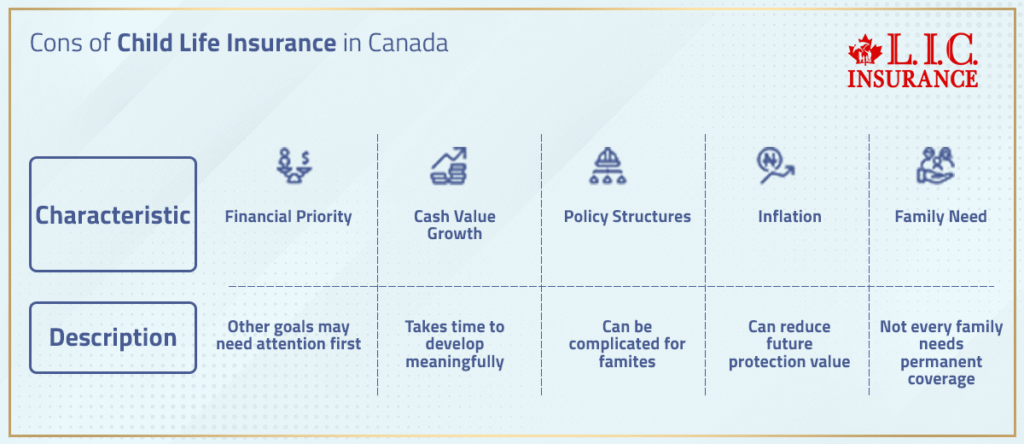
          Child Life Insurance can be defined as a kind of Life Insurance Policy taken out on a minor child. Child Life Insurance in Canada is often set up as a permanent form of insurance or as temporary insurance linked to an adult policy.

          In most cases, when parents are thinking about buying Life Insurance for babies in Canada, they first learn about permanent insurance since this type of insurance provides coverage until death. Such policies as Whole Life Insurance and universal life provide not only a death benefit but also the building up of some financial savings within the contract.

          One of the main reasons for choosing permanent insurance for a child is connected with financial planning and building up money over a long period of time.

          The important thing about Permanent Life Insurance is the inclusion of accumulated cash value, which accumulates over the years. One part of the insurance cost goes towards the insurance itself, and another portion helps accumulate money within the policy.

          What many parents do not realize is that these types of insurance can later turn into a valuable asset that their children will own. Once the child grows up and becomes an adult, it often means that the asset will be directly transferred to him or her.

          The other type of insurance that people usually hear about from us is a Child Term Rider. Child Term Riders are relatively inexpensive and serve as temporary insurance that covers children before they grow up into adults. However, this type of insurance does not have a cash value, which makes its long-term use somewhat difficult.

          When we explain this choice to parents, we usually tell them that it has nothing to do with costs. It has everything to do with their long-term purpose.

          Why Parents Are Buying Life Insurance For Kids Earlier Than Before

          The present-day generation of parents is taking the issue of future insurability much more seriously than their predecessors did.

          Health issues, which used to be diagnosed mostly later in life, are nowadays diagnosed more often and at a younger age. Mental illnesses, diabetes, autoimmune diseases, and various chronic illnesses can greatly influence a person’s ability to get insured when they reach adulthood.

          This issue is among those that have contributed immensely to the fact that families nowadays buy insurance for children to protect themselves from any future problems with insurability.

          A lot of insurance plans include guaranteed future insurability that helps children buy additional protection at a later date without undergoing a medical examination. This option may prove to be really useful in case the family history involves some genetic health risks.

          It is getting more common to see people buying insurance when there is no immediate necessity.

          Affordability also plays a major role.

          It’s also common for policies taken out during infancy or early childhood to provide lifetime low premiums. Given that children are low-risk applicants, it becomes relatively easy for them to get very competitive rates for permanent insurance when purchasing such plans while still very young.

          Many parents find that buying permanent insurance for their children while they are young gives them the benefit of guaranteed insurance when they become adults, something that may no longer be possible due to poor health or other factors that would make them high-risk applicants.

          There are many parents out there who see purchasing insurance for their children as just another way of securing a sound financial future through financial instruments like TFSAs and RESPs.

          While it doesn’t necessarily mean all children need insurance, it helps explain the trend towards buying child insurance policies in Canada.

          Cash Value: Does Child Life Insurance Build Cash Value?

          The main factor why parents consider getting permanent Child Life Insurance is the chance to build up cash value in the future.

          The ability to create cash value is inherent in permanent insurance products like Whole Life Insurance and some types of universal Life Insurance. As opposed to a Term Life Insurance Policy, permanent products can create cash value during their term.

          The created value may serve as a financial asset in the future.

          Often, parents wonder whether the built-up cash value in the future can be used for important financial needs like buying a house, paying for higher education, starting a business venture, etc. In most cases, the answer is affirmative.

          However, having knowledge of how the growth occurs is essential.

          The main purpose of permanent insurance is to act as a vehicle for long-term investment and planning, and not as an easy way to become rich quickly. Growth, in most cases, happens very slowly over the years. Early surrenders do not allow for receiving expected results from the product.

          Growth depends on such components as guaranteed values, dividends paid, or paid-up additions. In case of participating policies, growth may occur due to high dividends paid by the insurer; however, dividends are not guaranteed to occur each year.

          Frequently, parents compare the insurance of children with a Registered Education Savings Plan; however, these products are created for different purposes.

          While an RESP is targeted at education savings and grants, Permanent Life Insurance is designed to provide benefits to customers in terms of lifelong insurance coverage, stability, estate planning, and growth opportunities.

          Under the rules set by the Canada Revenue Agency, certain Canadian insurance policies can receive favourable treatment according to the country’s tax rules. Nonetheless, any withdrawal or loan might have significant consequences when paying taxes.

          That is why permanent insurance should always be considered in a wider scope of personal financial planning.

          Pros Of Child Life Insurance In Canada

          Child Life Insurance can provide long-term financial protection and future flexibility when it aligns properly with a family’s overall financial plan.

          • Guaranteed Future Insurability – Many Permanent Life Insurance Policies for children allow the insured child to purchase additional coverage later without another medical exam, even if health conditions develop in adulthood.
          • Financial Protection During Unexpected Tragedy – A Child’s Life Insurance Policy can help families manage funeral costs, final expenses, and temporary financial stress during an emotionally difficult period.
          • Cash Value Growth Over Time – Certain Whole Life Insurance Plans gradually build accumulated cash value, which may support future financial goals such as education, emergency needs, or long-term financial planning.
          • Affordable Lifetime Coverage – Purchasing Life Insurance for kids at a young age usually locks in lower premiums compared to obtaining permanent coverage later in adulthood.
          • Long-Term Financial Stability – Some families use permanent coverage as part of broader estate planning and wealth preservation strategies designed to strengthen a child’s future financial security.
          Pros Of Child Life Insurance In Canada

          Cons Of Child Life Insurance In Canada

          Despite its advantages, permanent child coverage may not be the right financial priority for every Canadian family.

          • Other Financial Goals May Need Attention First – Families struggling with debt, limited savings, or insufficient adult Life Insurance Coverage may benefit more from strengthening those areas before purchasing child coverage.
          • Cash Value Growth Takes Time – Permanent Life Insurance Policies are designed as long-term financial tools, and meaningful accumulated cash value usually develops gradually over many years.
          • Policy Structures Can Be Complicated – Features such as paid-up additions, policy loans, participating dividends, and tax implications may confuse families unfamiliar with permanent insurance planning.
          • Inflation Can Reduce Future Value – A smaller policy purchased today may provide less meaningful financial protection decades later unless future coverage options are used properly.
          • Not Every Family Needs Permanent Coverage – In some situations, RESP contributions, emergency savings, or stronger adult insurance protection may offer more immediate financial value than buying Life Insurance for children early.
          Cons Of Child Life Insurance In Canada

          Child Life Insurance Vs RESP: Which One Helps A Child’s Future More?

          Parents frequently compare Child Life Insurance with a Registered Education Savings Plan because both products are connected to long-term planning for a child’s future. However, they are designed for very different purposes.
          Feature Child Life Insurance RESP
          Primary Purpose Lifetime protection and cash value growth Education savings
          Government Grants No Yes
          Tax Treatment Tax-advantaged growth potential Tax-deferred growth
          Flexibility Can support multiple future goals Education-focused
          Death Benefit Yes No
          Future Insurability Possible No
          Risk Level Depends on policy structure Depends on investments
          Access To Funds Policy rules apply Education withdrawal rules apply

          As per the Canada Revenue Agency, RESPs are eligible for government grants under the Canada Education Savings Grant Program, making them very desirable for individuals who are only interested in financing their education.

          The major drawback is that RESPs do not offer any lifetime insurance benefits or insurability benefits in the future.

          For most families, the key is to choose neither. The key is to know what can be accomplished by using either option.

          Child Term Rider Vs Standalone Policy

          Child Term Rider insurance is one of the first child plans that people usually come across because they are cheap to attach to adult plans.

          For those who are seeking affordable protection, it is possible for the family to benefit from a rider plan.

          Riders have some limitations as well.

          The biggest limitation of riders is that they usually run out when the children reach adulthood, and the plans rarely accumulate much cash value.

          Standalone policies offer many more advantages than riders.

          There are several stand-alone permanent plans that offer lifelong coverage, ownership transfer capabilities, accumulated value, and future insurability guarantees.

          If all you care about is affordability, then a rider makes more sense.

          But if you are planning for the future, it would be wise to opt for a permanent stand-alone policy.

          Child Term Rider Vs Standalone Policy

          Feature Child Term Rider Standalone Policy
          Coverage Temporary Lifetime
          Cost Lower premiums Higher premiums
          Cash Value Usually none May build cash value
          Future Insurability Limited Often included
          Ownership Linked to parent policy Can transfer to the child
          Best For Affordable protection Long-term financial planning

          How Much Child Life Insurance Coverage Is Enough?

          No formula exists for calculating how much Life Insurance should be purchased for a child.

          Some people buy small policies that will merely take care of any expenses related to the funeral and burial.

          Others buy bigger policies that will cater to their long-range financial needs and plans.

          Our advice to parents is not to think about the maximum limit possible but rather to consider whether the policy really fits within their financial plans and objectives.

          It should be a natural extension of their financial plans and not an added burden to them.

          Critical Illness Riders And Additional Benefits For Children

          Another option that some families might consider including would be critical illness coverage for their kids.

          Being ill is always a stressful thing, especially for children, and can take its toll not only on the parents emotionally but financially as well. Although healthcare costs are covered to a certain extent provincially, the loss of income, as well as travel and accommodation costs, will be incurred.

          A Critical Illness Rider could pay out a lump sum that would lessen the financial burden.

          However, all insurance policies differ.

          The family needs to consider all aspects when including other riders.

          When Is Life Insurance For Children Worth It In Canada?

          According to our observations, permanent insurance for children makes the most logical choice in cases where families emphasize the importance of long-term planning.

          These might be parents interested in guaranteed future insurability, those with hereditary health issues, or those who have established considerable amounts of emergency funds for adults.

          It may be important for one family due to the availability of affordable lifetime protection. Others would prioritize financial security and flexibility.

          The bottom line is that it all comes down to what the family considers more important.

          Situations Where Child Life Insurance May Not Make Sense

          There are also many instances when providing for children is not the best financial choice.

          People who are having trouble with debts, poor cash flows, and inadequate emergency savings would find it more useful to improve these areas first.

          Also, parents who do not have enough insurance for themselves should take care of their own needs before taking out policies for their children.

          A child’s policy should help secure the financial status of a family, not burden it.

          Questions Parents Should Ask Before Purchasing Life Insurance For Children

          Before purchasing Life Insurance for children, parents should clearly understand how the policy works long-term and whether it truly supports their family’s financial goals.

          Important questions to ask include:

          • Will the policy build guaranteed cash value over time?
          • How does the policy growth structure work?
          • Are there surrender charges or restrictions if the policy is cancelled early?
          • What are the possible tax implications of withdrawing the accumulated cash value later?
          • Can ownership of the policy transfer to the child in adulthood?
          • Does the plan include guaranteed future insurability options?
          • Is the policy participating or non-participating?
          • Will premiums remain fixed throughout the payment period?
          • How does this policy compare with other long-term financial planning tools?

          The quality of both the advisor and the insurance provider matters significantly because a Child’s Life Insurance Policy can affect decades of future financial planning and financial security.

          How We Help Families Build Long-Term Financial Security

          We assist families in evaluating several insurance companies and designing their plans around long-term financial considerations rather than just standard advice.

          Families may be concerned about affordable coverage. Some families may be more interested in Permanent Life Insurance Coverage and estate planning.

          Our job is to educate the parents about the benefits and drawbacks of child coverage.

          Since these policies may impact the child’s financial future for years to come, careful planning becomes extremely important.

          Conclusion

          The debate about children’s Life Insurance has come a long way from merely offering coverage as an emergency measure.

          In today’s Canada, more families view a permanent coverage option for their children as part of a bigger scheme that includes considerations such as insurability in the future, protection, stability, and asset-building.

          Nevertheless, this does not imply that all families require child insurance.

          In certain cases, bolstering emergency funds, increasing RESP payments, or even improving coverage in the case of the parents could be the most prudent move at the time. In other cases, a well-designed permanent plan may prove to be a valuable asset down the road in the child’s life.

          Ultimately, the utility of a child insurance policy comes down to the needs and circumstances of a family.

          Used properly, Life Insurance can do much more than just offer coverage; it can serve as part of a bigger financial framework.

          Author: Harpreet Puri, Licensed Insurance Adviser | MDRT Qualifier
          Experience: 14 Years In Life Insurance & Financial Planning

          LinkedIn Profile:https://www.linkedin.com/in/harpreetpuricanadianlic/ 

          Disclaimer:
          The information provided is for general educational purposes only and should not be considered legal, tax, or financial advice. Child Life Insurance Policies, cash value growth, and tax implications vary by insurer and individual circumstances. Readers should consult a licensed insurance advisor or qualified financial professional before purchasing Life Insurance for children or making long-term financial planning decisions.

          Get The Best Insurance Quote From Canadian L.I.C
          Call +1 416-543-9000 to speak to our advisors.
          Get Quote Now

          FAQs

          Yes, most insurers do provide Permanent Life Insurance for children regardless of whether their parents have been in Canada for a long time. This is subject to their residency status, province documents, and the underwriting process. Some immigrants prefer to start saving through Family Life Insurance Plans right after moving to Canada.

          All insurance companies will require the applicant to provide basic identification information, such as the child’s birth certificate, proof of the parent’s identification, and medical history information, in case it is required. In certain Whole Life Insurance Policies, residency information and beneficiary information may be needed.

          Some Permanent Life Insurance Plans provide flexibility when there is sufficient cash value within the plan. Based on how the plan is designed, the value within the plan can assist with paying premiums for a while. This aspect differs widely among insurance companies and must be considered before depending on it.

          In most cases, children’s Life Insurance Policies continue to be valid even when the insured moves, works, or studies abroad. In addition, there may be some complications related to the future management of the policy, as well as financial and taxation issues.

          It is possible that some people may eventually invest in their entrepreneurial ventures or business ventures using the savings built up within their whole-Life Insurance Policy. Though policies may not be designed as loans for business ventures, they may provide added financial flexibility later in life.

          Most Whole Life Insurance Plans provide a fixed premium, which is guaranteed to stay the same throughout the period during which payments will be made. However, when it comes to universal Life Insurance, a flexible approach to premium paying can be possible based on the specifics of the particular plan.

          In some cases, there might be a shared responsibility by two parents who have undergone divorce or separation to maintain their child’s Life Insurance Plan. The structure of ownership is different for various companies providing such services, hence the need for legal consultation when purchasing the plan.

          The Permanent Life Insurance Policy does not inherently disqualify an individual from receiving benefits from most student financial assistance schemes. Nevertheless, if a significant amount of built-up cash value is subsequently realized, it might be prudent for one to consult a professional financial counsellor.

          Some insurers permit the beneficiary child to enhance or convert parts of the present Life Insurance Policy into bigger adult life policies without having to begin the whole process anew. This feature can be very useful for adults when their liabilities have grown post-marriage and children, or post-home purchase.

          It is common for many families to opt for Life Insurance on behalf of newborn children in Canada, owing to the fact that premium costs at this stage can be much lower. Nonetheless, it should be noted that the optimal time to do so is dependent on many factors other than simply age.

          A number of prominent Canadian insurance companies provide excellent Life Insurance Policies for children, which include participating Whole Life Insurance Plans that offer benefits such as guaranteed insurance, paid-up additions, and future insurability options. While choosing the best policy may not be solely based on the company’s reputation, the effectiveness of the insurance plan in relation to the family’s future is an important consideration.

          Permanent Child Life Insurance may help in future savings plans because some types will develop accumulated cash value over time. Nevertheless, it is important to understand that permanent Child Life Insurance does not take the place of regular investments or even an emergency fund. It is better to consider it as one aspect of family finances in general.

          The Registered Education Savings Plan focuses on financing education after high school, whereas Permanent Life Insurance can cover the child throughout his/her life, with potential benefits in the future. The first strategy concerns education, while the second is about providing insurance for the future. Parents in Canada tend to use both of them simultaneously.

          The coverage amount for Life Insurance for children generally ranges between $10,000 and $250,000, depending on the insurance company, type of policy, and the goals of the family. The premiums depend on the type of Life Insurance purchased, whether it be a permanent or temporary Life Insurance, but purchasing insurance at an early age is always cheaper.

          Whole Life Insurance Policies vary from one insurance company to another in their features, particularly the performance of dividends, future insurability, accumulation of cash value, and payment arrangements. While some companies concentrate on participative whole life products, other firms tend to put more emphasis on simplified issue or flexible universal life products.

          There exist Permanent Life Insurance Plans that enable families to opt for either the limited payment periods option, lifetime premium payments, or accelerated funding plans. There are certain types of Permanent Life Insurance Plans that are set up to pay off entirely within a predetermined period, thereby cutting down payment costs without jeopardizing the coverage for life.

          There are many different benefits that some policies provide that have nothing to do with the death benefit at all. Some of the possible benefits will depend on the type of policy purchased, but they could potentially consist of cash build-up, insurance opportunities, or growth possibilities, among others.

          Early purchasing of Life Insurance for one’s kids can end up restricting financial resources that might have been used for other purposes, such as paying off debts, building an emergency fund, and saving for college. Besides, Permanent Life Insurance Policies take some time before the growth of their cash values becomes significant.

          Key Takeaways

          • Life Insurance for children in Canada is often used for more than just a death benefit, especially when families focus on long-term financial planning and future financial security.
          • Permanent Whole Life Insurance may build accumulated cash value over time, which can support future goals such as education funding, emergency needs, or financial flexibility later in adulthood.
          • One of the biggest advantages of Child Life Insurance is guaranteed future insurability, which may allow the insured child to access additional coverage later without another medical exam.
          • A Child Term Rider usually provides lower-cost temporary coverage, while standalone permanent policies offer longer-term benefits such as cash value growth and lifetime coverage.
          • Lower premiums at a young age make Life Insurance for kids more affordable compared to purchasing permanent coverage later during adulthood.
          • A Registered Education Savings Plan and permanent Child Life Insurance serve different purposes, and many Canadian families use both strategies together rather than choosing only one.
          • Permanent coverage may not be the right financial priority for every household, especially if parents still need emergency savings, debt reduction, or stronger adult insurance protection.
          • Policy structure matters significantly because insurers differ in how they handle dividends, payment flexibility, guaranteed coverage, and long-term cash value growth.
          • Families considering buying Life Insurance for children should review policy ownership rules, tax implications, future flexibility, and long-term affordability carefully before purchasing coverage.
          • The value of Life Insurance for children depends entirely on the family’s financial goals, risk tolerance, and long-term planning priorities rather than emotional marketing alone.

          Your Feedback Is Very Important To Us


            Does A Life Insurance Plan Go Through Probate In Canada?

            Does A Life Insurance Plan Go Through Probate In Canada?

            Does A Life Insurance Plan Go Through Probate In Canada
            Canadian LIC

            By Pushpinder Puri

            CEO & Founder

            SUMMARY

            Life Insurance probate Canada rules can affect how quickly beneficiaries receive Life Insurance proceeds after the insured person dies. Probate fees, estate administration tax, beneficiary designations, tax liability, and probate law may all impact an insurance payout. Proper estate planning, Permanent Life Insurance, jointly owned assets, and updated Life Insurance beneficiary details in Canada can help families avoid probate, reduce estate costs, and protect wealth long-term.

            Introduction

            A family can work on developing their financial stability for thirty or forty years only to have the whole situation turned upside down when something unforeseen happens. It is precisely the harsh truth faced by most Canadian families annually. The family buys a Life Insurance contract, expecting to get the benefit money without delay once the insured passes away. However, upon the insured individual’s passing, it turns out that, for some reason, the Life Insurance settlement becomes delayed.

            The fact is, we frequently communicate with people who believe that the proceeds from a Life Insurance Policy automatically fall outside probate in Canada. For example, there are cases where people do not even realize that their family’s estate became the owner of their Life Insurance Policy several years ago. Another thing is that some people have failed to update their beneficiary designation after a divorce, resulting in their ex-spouse becoming the new recipient.

            This misconception is more relevant than ever before because estates have grown larger in Canada compared to what they used to be a generation back. As CLHIA reports, Life Insurance companies in Canada pay billions each year in Life Insurance death benefits. Meanwhile, the increasing value of property holdings, investments, the amount in RRSPs, and other business assets means that many estates will have to pay probate fees, estate administration tax, and taxes upon death.

            Canadians wonder about the same things when they hear of cases of probate delays. What is probate? What does probate do? How long does probate take in Canada? Are Life Insurance payments subject to taxation under CRA rules? Does Life Insurance escape probate altogether?

            All the above depend totally on how the insurance policy was set up prior to death.

            Properly structured Life Insurance can enable a person’s estate to receive funds without taxes being charged and bypass the probate process entirely. However, failure to plan an estate or to maintain old documents may result in the estate having to go through probate, creditors demanding payments, and high estate taxes.

            To avoid this, one must learn how the Life Insurance probate process works in Canada.

            What Is Probate In Canada And What Does Probate Do?

            Probate is the process by which a court certifies the validity of a deceased person’s will and empowers the estate trustee to deal with their estate. In Ontario, probate is related to Estate Administration Tax, which most Canadians refer to as probate fees.

            People rarely consider probate until they undergo the process themselves. Most families believe that a will automatically bestows the authority on the executor. However, banks usually require certification before releasing funds or transferring ownership of assets.

            The intention behind probate legislation is to safeguard everyone involved. Financial institutions, insurance providers, securities dealers, and land titles offices seek legal confirmation of the agent’s ability to represent the estate. Probate court effectively validates the will’s authenticity and identifies the agent empowered to act on the estate’s behalf.

            After granting probate, the estate trustee may administer the estate’s property, settle debts, file tax returns, fulfill any legal duties, and distribute the inheritance to beneficiaries.

            The challenge is that probate rarely moves quickly.

            Families are quite shocked when they find out how long a will probate process can take in Canada. Probate can take anywhere from a few months to a lot more time, depending on the province and complexities involved, as well as court delays.

            The reality is that this poses quite a challenge because you need to keep living your life despite probate delays. You have to pay your mortgage. You have to pay your utility bills. The cost of funerals needs to be settled right away. Spouses are left without their income while they wait for probate delays to resolve.

            We always tell them that probate delay is not really the issue. The issue is how probate delays affect them.

            When Probate Is Required In Canada

            One of the major myths about probate and estate administration is that all estates undergo probate procedures automatically. This is not true.

            The necessity for probate hinges mostly on how the estate assets were managed prior to death. Some assets are automatically transferred without undergoing probate, whereas other assets can only be transferred via probate. Jointly owned assets do not undergo probate since ownership transfers directly to the survivor. Registered assets where there is a beneficiary designation also avoid probate. Similarly, Life Insurance proceeds do not go through probate if there is a beneficiary designated.

            Probate is more probable when the assets are individually owned or there are uncertainties regarding legal issues.

            For instance, we have come across probate challenges that result from failing to update beneficiary forms due to divorce or marriage. There are also instances when there are no beneficiary designations at all, and there is no beneficiary left since he/she passed away several years ago.

            Sometimes families unintentionally create probate problems simply because they assumed old paperwork was still valid.

            Once the estate takes on this role, everything drastically changes. Beneficiaries no longer receive the insurance proceeds directly; rather, they are transferred to the estate of the insured individual. This could mean that the proceeds are then at risk from probate fees, estate administration tax, legal fees, creditors, and a delay in payment.

            For example, one family in Ontario found themselves waiting many months before gaining access to the insurance proceeds when their father passed away. They had been relying on their father’s Life Insurance to help them through this difficult time. Years earlier, their father had chosen his estate as the beneficiary instead of naming a direct insurance beneficiary. What they had thought would provide some immediate income had turned into a long process of estate administration instead.

            The point here is clear: estate planning is not something one does decades ago and forgets about it thereafter. Major changes in life could completely alter the structure of the insurance plan.

            These changes include marriage, divorce, business ownership, retirement, births, and even deaths within the family.

            Does A Life Insurance Policy Go Through Probate In Canada?

            Life Insurance Policy Rules Most Canadians Misunderstand

            In most cases, Life Insurance will be outside the reach of probate as long as the insurance policy designates a valid beneficiary. This is what makes Life Insurance an effective tool for estate planning in Canada.

            Upon death, the Life Insurance payment goes straight to the beneficiary named in the policy. Because the money does not become a part of the estate, there is no need to pay any probate or estate administration taxes.

            This is the desired scenario.

            But will Life Insurance be immune from probate in all circumstances? The answer is no. In certain cases, the proceeds from Life Insurance can end up in probate court.

            The most common case involves naming the estate as the beneficiary of the policy. It is very popular among Canadians because they think it will make their estate planning easier.

            The moment the estate becomes the designated beneficiary, the proceeds from the Life Insurance become an asset of the estate and can be involved in probate proceedings.

            It is an emotionally and financially stressful situation at the worst possible time.

            The widowed individual may find it difficult to pay bills before the process of probate is granted. Children might depend on Life Insurance to get educated and be supported. Entrepreneurs can be left with corporate liabilities despite the fact that estate settlement has not yet been completed.

            Sometimes we tell our clients that the importance of Life Insurance is not just the face amount of the policy, but the fact that it is quick, sure, and secure in a tough period.

            If the Life Insurance Policy is handled properly and avoids probate, then the family is able to get help in their time of need.

            How To Ensure Life Insurance Avoids Probate

            When Life Insurance Proceeds Become Part Of The Estate

            Life Insurance Proceeds Can Accidentally Trigger Probate

            Even one simple error in paperwork could drastically alter the treatment of the insurance settlement.

            The family is shocked when they realize how simple it actually is for the insurance proceeds to inadvertently fall into the estate. This usually occurs because of either an invalid or outdated beneficiary designation.

            It is common to find cases where a beneficiary died many years ago and yet he or she still remains listed as a beneficiary on the policy. There are other instances where individuals wrongly believed that their will would control the insurance settlement.

            Once the insurance proceeds are part of the estate, everything becomes different.

            The proceeds may become vulnerable to creditors and the probate process. Probate fees might be applicable. Estate administration tax might affect the net value of the estate.

            The emotional significance of this experience tends to be understated. Those anticipating an easy process of receiving insurance money are confronted with a process that involves legal documents and waiting periods.

            This process becomes all the more challenging when the survivors depend heavily on this money to replace their income. The funeral expenses are paid out right away. The mortgage payments remain as scheduled. Tax responsibilities related to any RRIFs, investments, and businesses may start having an effect on the estate, too.

            An estate plan could turn a potential problem into a solution.

            How Beneficiary Designations Help Avoid Probate

            The problem for many people in Canada is that they concentrate too much on making their will but fail to consider the beneficiaries named on their insurance policies and registered investments. This is very dangerous and can cause problems further down the road.

            In general, the insurance company will consider the most recent beneficiary designation that has been made on the insurance policy. The will could say one thing, but the beneficiary form may have taken precedence.

            This will come as a shock to many families.

            We strongly recommend that our clients update their beneficiaries whenever there has been a significant change in their lives because things keep changing and evolving.

            One of the most frequent issues that arises is in relation to divorce. An individual gets remarried, forms a new family, and feels that their estate plan automatically takes care of any changes. However, after some time passes, the ex-spouse might remain the named beneficiary of the Life Insurance Plan because the beneficiary form was never changed.

            For example, we once checked a Life Insurance Policy for a business owner from British Columbia who had been divorced nearly a decade ago and had not taken the time to change the beneficiary form. After the individual passed away suddenly, the beneficiary claimed on the Life Insurance Policy, which was claimed by the ex-spouse since the form remained the same with the insurance company. The family assumed that the will overrides everything else, but the probate laws were clear that the beneficiary designation should be considered independently from the estate.

            Another significant issue has to do with designating a minor child as a beneficiary, which requires additional steps because a minor cannot manage money in accordance with the laws in many provinces.

            However, all of these concerns are easily preventable as long as the individual reviews the estate plan regularly.

            Are Life Insurance Proceeds Taxable In Canada?

            One of the major misconceptions about Life Insurance probate in Canada is the issue of taxation.

            Many Canadian residents mistakenly think that the tax on insurance payable to the Canada Revenue Agency applies to all insurance payments. Thankfully, Life Insurance proceeds for death benefits going to a designated beneficiary are tax-free in Canada.

            This implies that beneficiaries are likely to be exempt from taxes on the insurance payment from the Life Insurance Plan itself.

            However, there is confusion when it comes to tax liabilities arising from other sources within the estate.

            The balances in RRSPs, RRIFs, real estate, businesses, and non-registered investments may be taxed even after someone passes away. The problem is that many families tend to associate these taxes with the Life Insurance payments when they really have nothing to do with each other.

            There is also an additional element of taxation for Permanent Life Insurance Policies and Cash Value Life Insurance in Canada, depending upon their application within the individual’s lifetime. Policy loans, surrender values, withdrawals, and changes of ownership can be taxed in certain conditions.

            This is the reason that estate planning and tax planning must go hand in hand in many cases. We frequently coordinate with the assistance of accountants and tax experts to ensure that the planning for Life Insurance becomes easier without tax obligations.

            How Permanent Life Insurance In Canada Helps With Estate Planning

            The benefits of Permanent Life Insurance are far more extensive than just providing income replacement.

            Quite frequently, Canadian consumers rely on permanent insurance as part of their ongoing estate planning process.

            Unlike Term Life Insurance, which only provides insurance coverage during an allotted period of time, Permanent Life Insurance offers both a lifetime of coverage and a way to grow funds over time.

            For that reason, permanent insurance is an invaluable tool for any family facing estate tax issues in the future.

            One situation we often come across relates to family cottages.

            Typically, such cottages were purchased years ago for less money, and now their value has increased tremendously.

            After the owner’s death, even though no sale took place, the property will generate capital gains taxation.

            The lack of liquidity forces family members to sell the cottage merely because of paying off capital gains tax.

            With Permanent Insurance, the insured could instantly receive funds that would serve to cover these costs without paying taxes on the withdrawal.

            In business, people tend to employ the same tactics for shielding assets from any loss, safeguarding the interests of the stockholders, and facilitating continuity in their business.

            For numerous families, permanent insurance ceases to be an insurance plan and turns into protection for financial security.

            Life Insurance Payout Timelines Vs Probate Timelines

            The difference between a direct beneficiary payout and probate court involvement can dramatically affect how quickly families receive support after death.
            Situation Typical Timeline
            Named Beneficiary Faster
            Estate Named Beneficiary Slower
            Probate Court Delays Much Longer
            Contested Estate Potentially Extensive

            When Life Insurance proceeds go through probate correctly, beneficiaries usually receive the money fairly quickly once all the necessary papers have been filed.

            However, when probate intervenes, there can be significant delays.

            As we like to say, time is just as important as the amount of money from an insurance policy. Very few families have the luxury of waiting months before continuing.

            The bills keep coming even after someone passes away. Mortgage payments are due on time. The children still need to eat. There may also be business dealings that continue.

            That is where the importance of beneficiary designations comes into play.

            Probate Fees In Ontario And Across Canada

            One of the most overlooked aspects of estate planning is probate fees. For Ontario, probate fees are termed Estate Administration Tax, while for other provinces, there may be other fee structures. However, it is basically the same principle. The bigger the estate, the higher the fees involved with probate.
            Province Probate Fee Structure
            Ontario Estate Administration Tax Based On Estate Value
            British Columbia Percentage-Based Probate Fees
            Alberta Lower Flat Probate Structure
            Quebec Different Civil Law Estate Process

            In the past, probate mostly involved only very rich families with significant estate holdings. However, nowadays, with rising real estate prices and investments, regular middle-class Canadians are becoming more prone to paying probate costs as well as possible inheritance taxes.

            This is one of the factors that makes Life Insurance Plans, designation of beneficiaries, joint tenancy arrangements, and other tax-planning measures highly important in today’s estate planning debates.

            How Jointly Owned Assets And Registered Accounts Affect Probate

            There may be some assets that do not require probate if structured properly.

            In most cases, joint property will automatically transfer to the surviving spouse through the probate process.

            Tax-Free Savings Account, registered retirement savings plan, and registered retirement income fund are also likely to avoid probate if they are set up properly with appropriate beneficiaries named.

            Such steps will help individuals save on probate expenses.

            But probate avoidance is never the ultimate objective.

            Poor ownership structure can lead to various problems, including tax issues, legal complications, and even family conflicts.

            It is important for our clients to understand that a well-rounded estate planning approach involves balance.

            Our goal is not to avoid probate at any cost.

            Potential Estate Taxes Canadians Often Overlook

            Canada does not have an inheritance tax, but nevertheless, many estates end up facing considerable tax liabilities after death.

            The various tax liabilities include registered funds, investments, businesses, and capital gains. Many families are unaware of just how quickly the value of their estates can be eaten away through taxation before the beneficiaries actually receive any money.

            That’s one of the reasons why Permanent Life Insurance continues to be an important asset in the process of estate planning.

            The story of a retired couple living in Alberta includes a family cottage, some non-registered investments, and some registered retirement income funds that have appreciated significantly. When one member of the family died, the other realized that there were substantial tax liabilities arising out of capital gains and registered accounts taxes. Permanent Life Insurance came in handy when it came to paying the estate taxes, and the sale of the family cottage was avoided.

            Proceeds from an insurance policy will give you instant access to money, which could be used to pay taxes, retain your investments, and avoid selling off valuable assets of your family just to meet tax needs.

            Our firm often advises our clients on how to utilize a Permanent Life Insurance Policy to protect their heirs from the burden of any further financial pressure in relation to estate taxes and probate.

            Strategies Canadians Use To Avoid Probate Legally

            Most Canadians prefer not to have their loved ones involved with probate delays and legal issues following their death.

            There are several methods that can help lower probate risk, including well-planned beneficiary designations, joint ownership, Life Insurance Planning, trusts, and coordinated tax planning.

            A Life Insurance Policy continues to be one of the best ways to plan your estate for probate risks, especially when beneficiaries have been properly named, allowing them to collect the funds outside probate.

            However, planning to avoid probate must always be done with professional advice. Bad planning could result in unforeseen consequences, including creating unnecessary tax problems or other disputes among family members.

            We routinely collaborate with attorneys, accountants, and financial planners to assist in structuring an estate plan.

            How Canadian LIC Helps Families Protect Their Estate And Life Insurance Benefits

            Estate planning isn’t just about filling out documents. It’s about safeguarding actual families through trying times.

            Our attorneys assist clients in assessing their beneficiaries, their need for probate, comparing different types of Permanent Life Insurance, and developing the best Life Insurance Plans that safeguard their surviving loved ones financially.

            We also compare solutions from insurers such as:

            • Manulife
            • Sun Life
            • Canada Life

            Every family’s circumstances are different.

            Some families are interested in reducing probate costs. Some families may be more interested in protecting their wealth, business succession planning, or asset preservation.

            The best course of action is determined by each individual family’s needs, tax obligations, and financial considerations.

            Final Thoughts

            The majority of Life Insurance benefits in Canada are spared from the requirement of undergoing probate as long as there is a valid beneficiary designation in the insurance policy. However, the lack of attention paid to the contents of one’s estate plan could result in probate fees, estate administration tax, legal costs, and even delays in insurance money being collected by family members at a crucial point in time.

            A carefully constructed insurance policy will help beneficiaries gain access to tax-free funds quickly without any stress on them or financial strain on the family.

            However, when it comes to Life Insurance that does not have a valid beneficiary designation, such insurance money is subject to probate just like any other asset in the estate.

            In fact, awareness of this regulation beforehand will allow survivors to benefit greatly from understanding these rules during a time of need.

            In today’s world, examining one’s insurance policy and estate planning strategy could very well be the most important financial decision made by many Canadians.

            Author: Harpreet Puri, Licensed Insurance Adviser | MDRT Qualifier
            Experience: 14 Years In Life Insurance & Financial Planning

            LinkedIn Profile:https://www.linkedin.com/in/harpreetpuricanadianlic/

            Disclaimer:
            This content is intended for general educational purposes only and should not be considered legal, tax, or financial advice. Probate law, estate administration tax, and Life Insurance beneficiary Canada rules may vary by province and individual circumstances. Readers should consult qualified legal, tax, or financial advisors before making estate planning or Life Insurance decisions.

            Get The Best Insurance Quote From Canadian L.I.C
            Call +1 416-543-9000 to speak to our advisors.
            Get Quote Now

            FAQs

            In scenarios involving simultaneous death, there may be challenges faced during the probate process. Lack of a contingent beneficiary within the Life Insurance contract may make matters difficult since the Life Insurance monies may have to be distributed to the estate of the deceased first before legal issues are sorted out.

            Of course, there is no issue here regarding the receipt of benefits from a Canadian insurance company by a foreigner, provided that there was some form of designated beneficiary. But one should consider other factors such as taxation, banking regulations, and other issues regarding identification when dealing with the insurance payment.

            Funeral costs are immediately a burden since probate court clearance takes several months in some provinces. Most people opt to use their savings until they have access to the money from the deceased’s estate or the benefits from Life Insurance. Having an appropriately planned Life Insurance beneficiary in Canada may solve this problem.

            Problems could occur in terms of probate law regarding digital wills and estate plans that lack proper witnessing based on the rules of each province. Should there be any doubts regarding the will’s legitimacy by the probate court, there is the potential for significant delays during estate administration.

            When an insurance policy expires due to failure to pay premiums, the beneficiaries could be left without the Life Insurance benefit. In such situations, surviving partners whose lives depend on Permanent Life Insurance would face significant difficulties. It is important for policyholders to conduct regular reviews of their policies.

            Yes, the delay in the probate process will pose significant operational problems when corporate interests are included in the deceased person’s estate. Bank accounts, shareholding agreements, and other outstanding obligations may be hard to manage without the authorization of the estate trustee. Businesspersons who incorporate their businesses tend to acquire permanent insurance.

            The compensation payable to the executor or trust estate administrator may be regarded as taxable income based on how it is paid out and how each province handles the probate laws. Estate administration usually leads to more taxable items beyond the costs associated with the probate process itself.

            Yes, it is true that proceeds from Life Insurance Policies are utilized to finance dependent children with disabilities via estate planning mechanisms and trusts. The use of a well-crafted insurance policy may help families extend their benefits tax-free without interfering with other programs run by the government.

            Certainly, an increase in real estate values can affect estate administration taxes and the potential estate taxes since the value of the estate will be considerably higher. Often, families find themselves surprised by how large the probate costs will be due to the increase in real estate values.

            Many cases involving estate disagreements arise because the beneficiary paperwork was never changed after any divorces, subsequent marriages, or business ownership shifts. The family assumes that their deceased individual meant to have other beneficiaries named than the ones the insurance company has on file.

            The majority of Canadian Life Insurance companies will check on the validity of the beneficiaries designated prior to paying out money on a death Life Insurance Policy. The existence of a valid beneficiary will often ensure that the insurance payout is made outside of the process of probate and distributed to the beneficiaries without delay.

            One of the easiest methods of ensuring that your Life Insurance proceeds will not be subject to probate expenses in Canada is by keeping up-to-date the beneficiary designation forms with a proper designated beneficiary. It is equally important for family members to check up on their Life Insurance Coverage periodically following a significant event such as marriage, divorce, or retirement.

            Term Life Insurance and Permanent Life Insurance in Canada, like any other Life Insurance, can avoid going through probate depending on how the beneficiaries are set up. The determining aspect in this case is normally not the kind of Life Insurance but whether the insurance amount is paid out directly to the beneficiary.

            It is possible that a properly structured non-probate Life Insurance Plan will allow families to be able to obtain funds from their insurance much more quickly than they otherwise would have without paying extra fees and expenses, including legal expenses and stress. Life Insurance Plans are frequently utilized in Canada to ensure protection against financial hardship.

            The designated beneficiary becomes very important when it comes to deciding whether the proceeds from the policy will go through probate or not. If all is well with the beneficiary designation, then the beneficiaries are likely to get money faster without being subject to creditors and probate issues.

            Sources and Further Reading

            Key Takeaways

            • Most Life Insurance proceeds in Canada can bypass probate when a valid beneficiary designation exists on the insurance policy.
            • Probate and estate complications often happen because beneficiary forms were outdated, missing, or incorrectly structured.
            • Naming the estate as beneficiary may expose Life Insurance proceeds to probate fees, estate administration tax, legal costs, and creditor claims.
            • A properly structured Life Insurance Policy can help families receive tax-free financial support faster after the insured person dies.
            • Probate law and estate planning rules vary across Canada, especially regarding probate fees and estate administration procedures.
            • Permanent Life Insurance and Cash Value Life Insurance in Canada are often used for wealth protection, tax planning, and covering potential estate taxes.
            • Registered retirement savings plan balances, business interests, and investment properties may create tax liability even when Life Insurance proceeds remain tax-free.
            • Reviewing beneficiary designations after major life events like marriage, divorce, retirement, or business ownership changes is extremely important.
            • Jointly owned assets and registered accounts may help families avoid probate when structured properly within a comprehensive estate plan.
            • Working with experienced financial advisors, tax professionals, and estate planning specialists can help families protect assets and reduce future probate-related financial stress.
            •  

            Your Feedback Is Very Important To Us


              Your Current Situation


              Probate & Estate Planning Concerns


              Life Insurance & Beneficiary Questions


              Financial & Estate Planning Priorities


              Final Feedback


              Whole Life vs Universal Life: Which Saves You More?

              Whole Life vs Universal Life: Which Saves You More?

              Whole Life vs Universal Life Which Saves You More
              Canadian LIC

              By Pushpinder Puri

              CEO & Founder

              SUMMARY

              Whole Life vs Universal Life Insurance compared using permanent Life Insurance Canada and cash value Life Insurance Canada strategies. Covers Whole Life Insurance Policy Canada and Universal Life Insurance Canada, including cash value growth, death benefit differences, premium structures, and real insurer comparisons to help decide which Life Insurance is right for long-term financial planning.

              Introduction

              Life Insurance In Canada Is Changing Fast

              There is an ongoing change within Canadian homes. People now recognize Life Insurance as an investment that will require their attention for many years. More often than not, it becomes an integral part of a larger financial plan. Based on a survey conducted by the Canadian Life and Health Insurance Association, more than 22 million Canadians currently hold Life Insurance Policies, with the largest percentage among these belonging to Permanent Life Insurance, Canada insurance coverage that provides lifelong protection coupled with financial gain.

              This growing trend is well-reflected by the work done at Canadian LIC every day. Customers are no longer inquiring about the required amount of protection. Instead, they want to know if purchasing a Whole Life Insurance Canada or a Universal Life Insurance Canada will provide them with any financial benefits in the years to come.

              The main question that most people can’t seem to get past is easy enough to ask, yet very complex to answer. Which is better, Whole Life vs Universal Life Insurance—what will save me more money?

              Understanding The Basics Of A Life Insurance Policy In Canada

              A modern Life Insurance Plan in Canada can be broadly categorized into three classes: Term Life Insurance, Whole Life Insurance, and Universal Life Insurance. Each of the above has distinct functions.

              The Term Life Insurance Plan is meant to cover short-term requirements. While it may offer reduced premiums and simple coverage options, it does not accumulate any cash value, thus making it inefficient when it comes to long-term financial planning purposes.

              Contrary to Term Insurance, Whole Life and Universal Plans include some sort of savings aspect, which allows you to withdraw money while living. That is why they become popular when dealing with financial and retirement planning.

              The growth of the cash value of qualifying plans under the Canadian tax system is considered tax-deferred, as per the rules of the Canadian Income Tax Act Section 148. This fact explains why many business people and affluent individuals consider Cash Value Life Insurance in Canada.

              The main difference between the Term Life vs Whole Life vs Universal Life Insurance Canada does not concern their duration, but their financial performance.

              What Whole Life Insurance Offers: Stability, Guaranteed Death Benefit, And Predictable Cash Value Growth

              The Whole Life Policy is characterized by certainty. The insurer is committed to providing three types of certainty from the very moment when the contract becomes operational: certainty in premium payments, death benefits, and cash value growth.

              Each payment made towards the premium serves two purposes: the cost of insurance and Whole Life Insurance cash value accumulation.

              Real-World Perspective From Canadian LIC

              Recently at Canadian LIC, a businessman aged 38 opted for the Sun Life Financial Participating Whole Life Insurance Policy in Canada. He did not seek fast growth, but rather wanted consistency and estate planning for the future.

              At the 20-year mark, the cash value had built up enough for the businessman to withdraw money to fund the development of his business without affecting his insurance coverage. The policy still offered lifetime insurance cover while the build-up value worked behind the scenes.

              The advantage of Whole Life Insurance is that it does not depend on timing or any form of management. It caters to those people who value stability and require an investment that will perform consistently and predictably.

              Whole Life Insurance Benefits And Drawbacks You Must Know

              A closer look at Whole Life Insurance, why it is considered one of the most stable long-term financial tools in Canada.

              Benefits:

              • Guaranteed Death Benefit: Your beneficiaries receive a fixed payout, regardless of when you pass away, creating a reliable long-term safety net.
              • Fixed Premiums: Premium payments remain unchanged throughout your lifetime, offering certainty in budgeting and protecting against rising insurance costs.
              • Guaranteed Cash Value: The policy builds a steady cash value component that grows over time and can be accessed when needed.
              • Predictable Cash Value Growth: Unlike market-linked products, growth is stable and consistent, making it easier to plan for retirement or estate needs.

              Drawbacks:

              • Higher Premiums: Compared to Term Life or even some Universal Life structures, Whole Life requires a higher financial commitment, especially in early years.
              • Lower Growth Potential: While stable, returns are more conservative than investment-based strategies tied to a market index.
              • Limited Flexibility: Premiums and structure are fixed, which means less ability to adjust as your financial situation changes.

              Why Many Still Choose It:

              • Long-Term Stability: The combination of guaranteed cash and lifelong coverage creates a dependable financial foundation.
              • Wealth Preservation: Ideal for estate planning, final expenses, and transferring wealth efficiently across generations.

              What Universal Life Insurance Offers: Flexibility, Growth Potential, And Control

              While Whole Life Insurance is all about predictability, the Universal Life Insurance Plan in Canada provides you with options to change. In Universal Life Insurance, there is no limit on how much money can be put in and how the investment can be made within the account.

              In this kind of insurance plan, the insurance part is separated from the investment part. When the costs of insurance are met, the remaining amount goes into the investment accounts that can be connected with either interest rates or market indexes.

              For people with variable incomes, the Universal Life Insurance Plan can work best.

              Universal Life Insurance Pros And Cons: Growth Potential Vs Risk

              The primary characteristic that distinguishes Universal Life Insurance from other types of insurance policies is the growth capacity. While the returns in the Whole Life plan are constant, Universal Life Insurance enables you to increase your gains depending on market fluctuations.

              In yet another Canadian Life Insurance Company case, the client decided to go for a Universal Life Insurance product by Manulife Financial. The allocation was quite balanced, and within 25 years, it surpassed all predictions of traditional Whole Life plans because of the market environment.

              Nevertheless, the situation does not end here. The client had to readjust the premium payments during turbulent market conditions in order to ensure that the Universal Life Insurance Plan performed optimally. Therein lies one of the major facts about Universal Life Insurance cost – it changes over time based on the results of the investments made under the policy.

              Indexed Universal Life: Growth Linked To Market Index And Upside Potential

              Indexed Universal Life Insurance combines stability and growth. Rather than being exposed directly to the markets, the return on investment is based on an index that tracks market movements, providing growth coupled with a built-in safeguard.

              Even though there are some restrictions associated with this strategy, the idea behind it is not to limit gains but to protect the investor from loss when the market is down.

              Most plans in Canada adopt this kind of system by using segregated funds or interest-based plans. It would work well for people looking for moderate growth but without being fully exposed to the markets.

              Key Differences Between Whole Life And Universal Life Insurance

              Feature Whole Life Universal Life
              Death Benefit Guaranteed Flexible
              Cash Value Guaranteed Market-dependent
              Premium Payments Fixed premiums Flexible premiums
              Insurance Costs Higher but stable Lower initially
              Growth Potential Predictable Variable

              These key differences highlight the fundamental trade-off: stability versus flexibility.

              Cash Value Growth: Which Policy Helps You Build Cash Faster?

              It should be noted that the speed of cash accumulation is influenced by two factors: structure and conditions.

              Whole Life Insurance has structured cash values; even though accumulation may be slow in the beginning, the process will continue steadily, resulting in reliable money.

              In the case of Universal Life Insurance, the rate of accumulation can increase substantially when the market is favourable. The problem is that this method requires some volatility. There can be times when the market does not work well, or investments fail to yield sufficient returns.

              In conclusion, one has to choose between two options depending on personal preferences.

              Cash Accumulation Trade-Offs for Insurance Policies

              Real Premium Comparison In Canada (2025–2026)

              To ground this comparison in reality, consider actual quoting patterns from insurers such as Sun Life Financial, Manulife Financial, and Canada Life.

              Sample Profile

              • Age: 35
              • Non-smoker
              • Coverage: $250,000
              Insurer Whole Life Monthly Universal Life Monthly
              Sun Life $167 $123
              Manulife $160 $118
              Canada Life $172 $130

              These figures are based on real advisory case data and insurer illustrations, not generic estimates.

              They illustrate a common pattern: Universal Life Insurance may start with lower monthly premiums, but long-term costs depend on how the policy is managed.

              Which Life Insurance Is Right For Me?

              The choice between Whole Life and Universal Life Insurance does not imply selecting the more advantageous product. The key is to make the right choice based on your needs.

              When stability, simplicity, and guarantees are important for you, Whole Life Insurance seems like the best choice. On the other hand, if you are open to investment management and prefer flexibility, then Universal Life Insurance can be a better option.

              Many of our clients at Canadian LIC successfully use the combination of Term Life and permanent insurance.

              Insurance Vs Investment: Where Whole Life And Universal Life Fit In Your Financial Plan

              Discussion about insurance versus investment tends to ignore the larger context. The two concepts have distinct functions.

              Whole Life Insurance gives you an asset that is relatively secure and grows at a known rate. On the other hand, Universal Life Insurance offers you flexibility and profit-making.

              A combination of the two will give you a good balance of your financial plan.

              How Canadian LIC Helps You Choose Between Whole Life And Universal Life

              Our emphasis is more on strategy than on any product. All our recommendations come from a thorough analysis of your current situation, risk appetite, and future goals.

              Our financial planners will compare all kinds of insurance policies offered by several companies, making sure that the selected insurance policy structure suits your requirements and remains effective over time.

              Final Thoughts: Whole Life Vs Universal Life

              Choosing between Whole Life and Universal Life Insurance is not about determining what works for everyone. It’s about knowing which one will work best for your finances.

              Whole Life Insurance provides peace of mind. Universal Life Insurance provides adaptability. Both options offer coverage throughout your lifetime.

              It all comes down to what you plan to do with your money.

              Author: Pushpinder Puri, Licensed Insurance Adviser | MDRT Qualifier
              Experience: 14 Years In Life Insurance & Financial Planning

              LinkedIn Profile:https://www.linkedin.com/in/harpreetpuricanadianlic/ 

              Disclaimer:

              This content is for informational purposes only and does not constitute financial, legal, or tax advice. Life Insurance products, including Whole Life Insurance Policies in Canada and Universal Life Insurance in Canada, vary based on individual circumstances and insurer terms. Any premium or cash value examples are illustrative and not guaranteed. Consult a licensed advisor before making financial decisions.

              Get The Best Insurance Quote From Canadian L.I.C
              Call +1 416-543-9000 to speak to our advisors.
              Get Quote Now

              FAQs

              Conversion to permanent insurance is possible in many Term Life Insurance contracts. The feature enables you to switch from Term Life Insurance to permanent without having to undergo a physical examination. Conversion is useful in case of improvement in one’s financial status or when the insured person decides to change his/her long-term financial plan objectives.

              Cash value accumulation for both types of insurance plans will be tax-deferred according to the CRA’s existing rules. That is, there will be no taxes levied against your cash value gains each year. But there can be tax consequences if withdrawals exceed adjusted cost basis or poor structuring occurs.

              In the event that the payment of premiums is missed, the plan will be able to make use of any available cash value to keep the insurance going for a certain period. If the available cash value is insufficient to support the coverage, then the policy lapses.

              While a medical test may be necessary in order to obtain more coverage amounts, there are several forms of simplified issue or no-medical Life Insurance that one may choose from in Canada. This would either cost more in terms of insurance premiums or have reduced insurance coverage.

              Absolutely, many Canadians utilize the strategy of Cash Value Life Insurance Canada to create cash reserves, which will be useful for their retirement. With the help of loans against policies or withdrawal strategies, it can even serve as an additional source of income.

              Universal Life Insurance includes the inclusion of charges for policies, which vary with the investments selected. The charges will differ with the insurance company and strategy employed. For instance, Whole Life Insurance charges incorporate all the expenses in one lump sum of money.

              Inflation may also affect the real value of your insurance benefit in the future. There are insurance contracts that provide options for adjustment or add-on benefits in order to keep pace with inflation.

              The advisors will determine your financial situation, risk level, and your objectives to determine what type of Life Insurance is best for you. This can mean choosing between guaranteed cash values and flexibility, depending on how your needs change over time.

              The difference between a Whole Life Insurance Policy and a Universal Life Insurance Policy is that in the case of the former, the premiums are constant and known throughout the period of the policy. However, in the latter, there is room for changing the amount of premium paid, beyond the basic cost involved.

              The participating Whole Life policies sold in Canada by insurance companies have the potential to earn an annual dividend that depends on the financial performance of the company. Such dividends may be invested to create cash, lower premiums, or provide for an additional amount of coverage in the form of paid-up additions.

              The majority of insurers in Canada do not permit a switch from Whole Life Insurance to Universal Life Insurance after the issuance of the policy due to the unique structure of each policy. Thus, changing the coverage type can only be achieved by purchasing another policy, which may result in an increase in costs.

              Many Universal Life Insurance Plans have different levels of costs that include administrative expenses, fees for investment management, and the cost of insurance deductions. It is important to understand how these costs work since they may influence the growth of cash value, particularly during the initial years of the plan.

              Whole Life Insurance and Universal Life Insurance in Canada have a similar advantage of tax-deferred accumulation of cash value according to Canadian tax regulations. The difference lies in their treatment for contributions and withdrawals. Effective utilization will enable both plans to become useful financial planning vehicles.

              Sources and Further Reading

              1. CLHIA – Industry Data
                https://www.clhia.ca
              2. Canada Revenue Agency (CRA) – Tax Rules
                https://www.canada.ca/en/revenue-agency.html
              3. CRA – Life Insurance & Taxation (Specific)
                https://www.canada.ca/en/revenue-agency/services/forms-publications/publications/it87r2.html
              4. OSFI – Insurance Regulation
                https://www.osfi-bsif.gc.ca
              5. Sun Life – Whole Life Insurance
                https://www.sunlife.ca/en/insurance/life-insurance/whole-life-insurance/
              6. Manulife – Universal Life Insurance
                https://www.manulife.ca/personal/insurance/life-insurance/universal-life-insurance.html
              7. Canada Life – Permanent Insurance
                https://www.canadalife.com/insurance/life-insurance/permanent-life-insurance.html
              8. FSRA Ontario – Licensing & Consumer Protection
                https://www.fsrao.ca
              9. Government of Canada – Financial Literacy
                https://www.canada.ca/en/services/finance.html

              Key Takeaways

              • Whole Life vs Universal Life Insurance in Canada comes down to stability versus flexibility within permanent Life Insurance Canada strategies.
              • Whole Life Insurance Policy Canada offers fixed premiums, a guaranteed death benefit, and predictable cash value growth for long-term security.
              • Universal Life Insurance Canada provides flexible premiums and higher growth potential, but requires active management and carries market-related risk.
              • Cash value Life Insurance in Canada can support retirement planning, borrowing needs, and tax-efficient wealth accumulation over time.
              • Premium costs for Whole Life are higher upfront, while Universal Life Insurance costs may start lower but vary based on investments and contributions.
              • Choosing between Whole Life and Universal Life depends on financial goals, risk tolerance, and how you want your Life Insurance Policy to perform over time.

              Your Feedback Is Very Important To Us

              Understand challenges, decision barriers, and preferences around Whole Life Insurance Policy Canada vs Universal Life Insurance Canada, including cash value Life Insurance Canada strategies.

                Section 1: Basic Details
                Full Name:

                Email Address:

                Section 2: Current Situation

                1. Do you currently have a Life Insurance Policy?

                2. What is your primary goal with Life Insurance for long-term financial planning?

                Section 3: Understanding & Confusion Areas

                3. Which part of Whole Life vs Universal Life Insurance do you find most confusing?

                4. How comfortable are you with market-linked products like Universal Life?

                Section 4: Financial Constraints & Concerns

                5. What is your biggest concern when choosing between these policies?

                6. What monthly premium range feels comfortable for you?

                Section 5: Decision Readiness

                7. How soon are you planning to choose a policy?

                8. Would you like a personalized comparison between Whole Life and Universal Life options based on your profile?

                Section 6: Final Insight

                9. What would help you decide which Life Insurance is right for me faster?

                10. Any additional questions or concerns about cash value Life Insurance in Canada or policy structures?

                How Age Affects $1M Life Insurance Cost (2026 Guide)

                How Age Affects $1M Life Insurance Cost (2026 Guide)

                How Age Affects $1M Life Insurance Cost
                Canadian LIC

                By Harpreet Puri

                CEO & Founder

                SUMMARY

                $1M Life Insurance cost by age shows how monthly premiums rise over time and why the best age to buy Life Insurance matters. Term Life Insurance $1 million cost remains the most affordable for high-value Life Insurance Plans, while Million Dollar Whole Life Insurance in Canada builds cash value. Health class, medical exam results, and coverage amount shape pricing and long-term financial protection.

                Introduction

                Why $1M Life Insurance Coverage Is A Financial Necessity In Canada

                There is a subtle change happening in Canadian households as well. While high coverage used to be quite unusual some years ago, nowadays it is the norm. One million is not too large an amount to be required in the field of Life Insurance because of the financial situation in this country. In other words, according to the information provided by the Canadian Life and Health Insurance Association, there are millions of people in this country who use the help of Life Insurance Policies in order to protect their income and finances.

                Canadian LIC have over 15 years of experience in assisting individuals and families in comparing several Life Insurance companies and choosing the most affordable one.

                It becomes quite clear from everyday interaction with customers that a large amount of money is needed for Life Insurance. Just think of the average mortgage in Canadian cities: it can amount to hundreds of thousands of dollars. Plus living costs and kids’ education, the final sum is equal to or is even more than one million. That is why Million Dollar Life Insurance Coverage has become rather popular nowadays.

                $1M Life Insurance Cost By Age – What You Pay At Every Stage

                Age is one of the most important considerations that determines Life Insurance prices. Age is a straightforward metric, yet its implications are immense. With younger applicants, life expectancy is higher, and the risk for insurers is low. However, as age advances, the likelihood of claiming rises significantly, and monthly premiums become more expensive.

                According to real pricing trends from various insurers like Sun Life Financial, Manulife, and Canada Life, the disparity in the price of $1 million Life Insurance varies dramatically based on age. For instance, an average person in their twenties who applies for Life Insurance will have a much cheaper premium compared to someone in their fifties with similar amounts.

                Rate class and health class should also be noted in this context. Insurers consider health issues, past illnesses, lifestyle choices, and familial history to estimate risk levels. Two individuals in the same age bracket could end up paying entirely different premiums due to their preferred, standard, and sub-standard risks.

                Many people are often shocked to discover that the rise in price with age is exponential rather than linear. While waiting for five to ten years may appear trivial, it may mean twice or thrice the current monthly premiums.

                Life Insurance Premiums By Age

                Sample Monthly Premiums For A Million Dollar Policy In Canada

                Term Life Insurance $1 Million Cost (Estimated – Non-Smoker, Average Health)

                These are sample monthly premiums and represent typical premiums for healthy individuals in an average health class by multiple companies. Although the exact premiums will differ based on underwriting results, the key point illustrated here is that there is a compound impact of age on cost.

                When we provide Million Dollar Life Insurance quotes to our clients, the biggest money decision they make is whether to purchase their policies early or late. This is where you have the same amount of coverage, same terms, and the same coverage, but your premium differs based on when you buy.

                Whole Life Insurance Cost for $1 Million Coverage

                Whole Life Insurance follows a distinct approach to its operation. As opposed to Term Life Insurance, where the policyholder is covered for a specified duration of time, Whole Life Insurance Coverage is perpetual and comes with a savings element.

                Example (Non-Smoker – From Sun Life Financial Data):

                These Whole Life Insurance estimates are illustrative and based on aggregated pricing trends across major Canadian Life Insurance companies, including Sun Life Financial. Actual premiums vary based on health class, policy structure, and underwriting outcomes.

                (Source: https://www.sunlife.ca/en/insurance/life/permanent-life-insurance/whole/whole-life-insurance-rates-in-canada/) 

                These figures represent the cost of Permanent Coverage. These increased premiums do not result from age alone; rather, they represent lifetime coverage, the buildup of cash value, and a certain payment in the future.

                Whole Life Insurance in Canada tends to be part of more sophisticated planning, such as estate planning and pension income planning. The possibility of building up cash while at the same time having lifetime insurance coverage renders Whole Life Insurance a viable option for people with financial goals in the long run. But for those interested only in income replacement and low-cost insurance, Term Life Insurance is much cheaper.

                Term Life Insurance Vs Whole Life Insurance Cost

                The choice of Term versus Whole Life Insurance usually hinges on the intent of the policyholder. The former will provide adequate cover for protecting earnings in the prime earning years; the latter will go beyond this basic function and serve other financial objectives. But when it comes to expenses, there is little doubt.

                Term Life Insurance delivers the same payout for a much smaller price tag, thereby making it the best choice for those who wish to have high-value Life Insurance Policies at affordable costs.

                How Health Class Impacts Million Dollar Life Insurance Premiums

                Even though age remains the main criterion, the health class will play an equally important role in setting up the insurance premium. An extensive list of parameters needs to be considered prior to allocating the insured person to a certain rate class.

                People with good health conditions that allow them to get preferred rates will have much lower monthly premiums compared to individuals who face certain problems with their health condition, like hypertension, diabetes, or a habit of smoking.

                Smokers generally cost significantly more compared to non-smokers. This discrepancy is due to the extra level of risk that comes about owing to lifestyle considerations. Differences in health conditions among non-smokers may also affect costs.

                It is not uncommon to have clients surprised at how much health matters in terms of cost when it comes to insurance. Two people with identical coverage periods might end up paying quite different premiums owing to the class of their health condition.

                Million Dollar Life Insurance Policy Without A Medical Exam

                The world of insurance has undergone a great transformation with the advent of accelerated underwriting. Nowadays, most companies dealing with Life Insurance offer products that do not entail a medical examination, meaning one can obtain insurance within minutes.

                This convenience comes at a price, however. Products that do not necessitate a medical examination cost more since insurers make judgments on the basis of incomplete information. Instead of conducting a comprehensive medical exam, insurers examine the health history, medication history, and other digitally available information.

                A medical examination may help to cut costs for applicants in good health by allowing insurers to conduct comprehensive underwriting.

                The Best Age To Buy Life Insurance (Critical Insight)

                There is no doubt that the one major thing which stands out among all is that the best time to invest in a Life Insurance Plan is the earliest possible time. Mathematics always proves this statement true.

                When someone decides to buy a Life Insurance Policy worth a million dollars at the age of twenty, then he or she manages to get low payments on a monthly basis for several years to come. On the other hand, the very same person buys a similar policy later at the age of forty or fifty, then he or she will pay much higher amounts for that.

                Real Scenario: Waiting Costs More Than You Think

                Scenario: Same Coverage ($1M, 20-Year Term)

                This situation brings out an absolute truth about Life Insurance. The level of coverage will be the same. The death benefit will not change. However, the overall amount payable will vary greatly depending on when the purchase was made.

                A delay in making a purchase for a period of ten years would increase the overall amount to twice its value. Waiting for twenty years would raise it many times more than this.

                How Much Coverage Do You Really Need?

                The amount of Life Insurance Coverage one should have will depend on their personal financial liabilities. There is generally a rule of thumb, whereby one’s coverage will be ten to fifteen times their annual income, but more often than not, reality is different from this rule.

                A person’s mortgage, daily living, cost of schooling, and provision of finance to take care of dependants into the future are all considerations. For most people, a minimum of $1 million in coverage will be ideal.

                Our experience shows that people who purchase insufficient insurance will end up changing their plans in the future. Changing coverage when a person is older will only result in expensive premiums.

                Choosing The Right Life Insurance Companies In Canada

                The Canadian insurance industry comprises many established companies that are recognized for their strong claim-paying ability and sound finances. In addition to this, Canadian LIC collaborates with several federally insured companies that work according to the guidelines set by the Canadian Insurance Act and the province, which include the Financial Services Regulatory Authority of Ontario. It is important that all recommendations comply with the required laws, rules, regulations and standards related to compliance and consumer protection, along with insurers’ claim paying abilities. 

                Companies such as Sun Life Financial, Manulife and Canada Life are always rated among the top insurance companies. Each insurer has its own set of underwriting criteria and pricing schemes. That is why it is crucial to compare at least two carriers.

                Using the brokerage service enables you to compare several companies at once and get the best pricing and adequate coverage.

                Why Regulatory Oversight Matters In Life Insurance

                The Canadian Life Insurance system is regulated according to strict regulations. Provincial financial services agencies, for instance, the Financial Services Commission of Ontario, license and regulate Life Insurance companies, and industry organizations, such as the Canadian Life and Health Insurance Association, provide guidance and reporting guidelines. Through this process, insured individuals can benefit from financially secure insurance institutions.

                Strategies To Lock In Affordable Million Dollar Life Insurance

                Finding affordable insurance has less to do with taking shortcuts and more to do with timing, physical well-being, and smart decision-making. Buying Term Life Insurance early, staying healthy, and choosing the right term all help in making insurance cheaper.

                Shopping around for better prices among competing insurance firms helps ensure that consumers don’t pay more for something worth just as much. Small differences in premium payments may amount to substantial savings in the long run.

                Nevertheless, nothing beats good timing. Waiting simply means paying more in the end.

                Million Dollar Life Insurance Payout – What Your Family Receives

                A Million Dollar Life Insurance payout offers financial help at a crucial time. It does not attract tax in Canada, and so the money is all yours to do with as you wish.

                It helps pay off debt, provides income for your family, and stabilizes finances for the future. The Million Dollar Life Insurance payout is your foundation.

                Final Thoughts On Securing A Million Dollar Policy At The Right Age

                The impact of age on Life Insurance costs extends to every facet of the equation, from the beginning of the process to its sustained feasibility. The contrast between the two approaches goes beyond mere dollars; it encompasses freedom and assurance.

                One million dollars in coverage represents much more than a mere figure; it symbolizes a dedication to safeguarding financial obligations, ensuring that one’s family and legacy will thrive.

                From the standpoint of the Canadian Life Insurance Company, the trend holds true time and time again. Those who take initiative benefit from favourable prices, a wider range of options, and overall financial efficacy.

                Written By: Harpreet Puri

                Licensed Insurance Adviser | MDRT Qualifier

                With over 14 years of experience in Life Insurance, wealth planning, and tax-efficient strategies for Canadians.

                Disclaimer:

                This content is for informational purposes only and does not constitute financial or insurance advice. Premiums, coverage, and eligibility vary by insurer, health class, and underwriting. Examples are estimates and may differ from actual quotes. Consult a licensed advisor before making decisions.

                Get The Best Insurance Quote From Canadian L.I.C
                Call +1 416-543-9000 to speak to our advisors.
                Get Quote Now

                FAQs

                Most Term Life Insurance Plans have the provision for converting the plan into a permanent Life Insurance Plan without the need for a new medical examination. An individual who has a $1 million Term Life Insurance Plan and is paying around $55 per month can convert the plan into a permanent one when he is about 45 years old; however, he might have to pay $400-$700 per month now.

                A million dollars can lose its worth through the effects of inflation. With the average inflation rate at 3%, for instance, $1,000,000 is worth about $550,000 after 20 years. Fortunately, there are certain types of Life Insurance that provide the option to gradually increase the policy limit.

                In Term Life Insurance, the monthly payments remain constant throughout the selected period. Thus, if you pay $45 per month for 20 years starting at 30 years old, your monthly payments will be constant until 50 years old. In the case of Permanent Life Insurance, the premiums can fluctuate, depending on the policy design.

                Permanent Life Insurance is indeed often employed for estate planning purposes. An example of this would be a $1 Million Dollar Policy that helps offset the capital gains tax due on the sale of investment property, where the capital gains tax might amount to $300,000 or more.

                The approval process depends on the underwriting process. Traditional insurance products that need a medical examination can be processed within 2 to 6 weeks. Faster underwriting processes can provide approval of an insurance product worth $1 million within just a few hours or days.

                When your health condition gets better, you might become eligible for a different premium classification upon applying again. As an instance, a person who pays around $120 per month for term insurance as a smoker aged 40 can decrease his monthly premiums to roughly $70 by living one year as a non-smoker.

                Premiums differ according to age and risk classification; however, major players in the Life Insurance market, including Sun Life Financial, Manulife, and Canada Life, always provide competitive premiums. A young adult who is classified as healthy can pay premiums ranging from ~$40-$55 per month, while someone in their 50s may be required to pay premiums of ~$180-$320 monthly.

                Yes, today most insurance providers offer online tools that will calculate a one-million-dollar insurance quote online. The tools take into account the person’s age, his or her health condition, and the amount of coverage sought. For example, using age thirty-five and excellent health can produce an approximate Term Life Insurance cost of $50 per month, while changing the age from thirty-five to forty-five can raise the cost to $95-$120 per month.

                The difference is significant because of life expectancy as well as risk. While the monthly premium paid by a healthy individual at 30 years old for a One Million Dollar Policy under Term Life Insurance is likely to be ~$40-$60, by the time that person turns 60 years old, he/she could end up paying ~$350-$700+.

                Sources and Further Reading

                (Life Insurance rates in Canada, including age-based pricing examples for Term Life Insurance)

                (Whole Life Insurance pricing, cash value growth, and long-term cost factors)

                (Factors affecting Life Insurance cost, including age, health class, and coverage amount)

                (Term Life Insurance structure, coverage options, and how premiums vary by age)

                (Insights on the best age to buy Life Insurance and how timing affects premiums)

                (Term Life Insurance features, coverage ranges, and online quote availability)

                (Regulation, licensing, and consumer protection standards for Life Insurance in Canada)

                Key Takeaways

                • Age Drives $1M Life Insurance Cost The Most
                  The difference in $1M Life Insurance cost by age is significant—buying in your 20s or 30s locks in much lower monthly premiums compared to waiting until your 40s or 50s.
                • Term Life Insurance $1 Million Cost Remains The Most Affordable Option
                  Term Life Insurance provides the same death benefit at a fraction of the cost, making it the preferred choice for High Value Life Insurance Plans focused on income replacement.
                • Whole Life Insurance Offers Lifelong Coverage But Higher Premiums
                  Million Dollar Whole Life Insurance in Canada includes a cash value component and permanent coverage, but comes with a substantially higher monthly cost.
                • Health Class And Medical Exam Strongly Impact Pricing
                  Your health status, medical history, and lifestyle factors determine your rate class, directly affecting Life Insurance cost and final premiums.
                • Delaying Your Decision Increases Long-Term Costs
                  Waiting even a few years can double or triple Million Dollar Life Insurance premiums for the same coverage amount and term length.
                • Coverage Amount Should Match Real Financial Responsibilities
                  A Million Dollar Policy helps cover mortgage balance, living expenses, income replacement, and final expenses, ensuring long-term financial protection.
                • Comparing Multiple Insurance Companies Helps Reduce Costs
                  Shopping across providers like Sun Life, Manulife, and Canada Life can reveal better monthly rates for identical coverage.
                • No Medical Exam Policies Offer Speed, But At A Higher Cost
                  Accelerated underwriting allows faster approvals, but policies without a medical exam typically come with higher premiums.
                • Timing And Health Are The Biggest Cost Advantages
                  Securing Life Insurance early while in good health ensures affordable coverage and protects against future health-related pricing increases.

                Your Feedback Is Very Important To Us

                  1. Full Name:

                  2. Email Address:

                  3. Before reading, how familiar were you with the $1M Life Insurance cost by age?

                  4. What is your current age range?

                  5. Do you currently have a Life Insurance Policy?

                  6. If yes, what type of Life Insurance Coverage do you have?

                  7. What coverage amount do you currently hold (if any)?

                  8. What is your biggest concern when considering a $1M Life Insurance Policy?

                  9. Have you delayed buying Life Insurance due to cost concerns?

                  10. What has been your biggest challenge in getting a Million Dollar Insurance quote?

                  11. What matters most when choosing Life Insurance companies?

                  12. What would make you more confident in buying a Million Dollar Life Insurance Policy?

                  13. Are you planning to buy or review Life Insurance in the next 6 months?

                  14. Would you like a personalized $1M Life Insurance quote based on your age and health?

                  15. Any additional questions or concerns about Life Insurance cost, coverage amount, or financial protection?

                  Canada Capital Gains Tax Changes In 2026: Use Life Insurance To Protect Your Wealth

                  Canada Capital Gains Tax Changes In 2026: Use Life Insurance To Protect Your Wealth

                  Canada Capital Gains Tax Changes Use Life Insurance To Protect Your Wealth
                  Canadian LIC

                  By Pushpinder Puri

                  CEO & Founder

                  SUMMARY

                  Canada’s capital gains tax changes are hitting investors hard. Life Insurance from Canadian LIC offers a smart way to protect assets and reduce taxes. With trusted Life Insurance in Brampton, Canadians are using whole life and universal life policies to secure their wealth and support their families without giving it all to the CRA.

                  Introduction

                  The Canadian tax landscape just got messier. Capital gains rules were proposed to change after the 2024 federal budget, but the increase has been deferred and later cancelled. As of now, the capital gains inclusion rate remains 50%. If you’ve spent years building wealth—maybe through investments, rental properties, or your small business—this change isn’t just noise in the news. It’s personal.

                  Here’s the truth: You may have heard about a proposed increase to capital gains taxes, but as of now, the inclusion rate remains unchanged at 50%. However, policy uncertainty has made tax planning more important than ever. The new inclusion rate has gone up. That means more of your gain is taxable. And while some folks might wait for things to “settle,” smart planners are already moving.

                  In a major reversal on March 21, 2025, Prime Minister Mark Carney announced that the federal government would cancel the proposed increase to Canada’s capital gains inclusion rate. As a result, the inclusion rate remains at 50% for all taxpayers. The previously proposed increase to a two-thirds (66.67%) inclusion rate will not proceed.

                  What Exactly Changed with Capital Gains Tax in Canada?

                  What Actually Happened With Capital Gains Tax in Canada

                  In the 2024 federal budget, the government proposed increasing the capital gains inclusion rate from 50% to 66.67%. The change would have applied to:

                  • Individuals with annual capital gains above $250,000
                  • All capital gains realized by corporations and trusts

                  However, on March 21, 2025, the federal government cancelled this proposed increase. The Canada Revenue Agency (CRA) continues to administer the traditional 50% capital gains inclusion rate for all taxpayers.

                  Only half of a capital gain is currently taxable income in Canada, meaning a $100,000 gain results in $50,000 of taxable income.

                  Other Capital Gains Changes

                  While the proposed inclusion rate increase was cancelled, some other tax measures from the 2024 federal budget remain in effect.

                  Lifetime Capital Gains Exemption (LCGE) Increased

                  The Lifetime Capital Gains Exemption was increased to $1.25 million (up from $1,016,836).
                  This increase took effect for dispositions on or after June 25, 2024 and applies to:

                  • Qualified Small Business Corporation shares
                  • Qualified farm property
                  • Qualified fishing property

                  Canadian Entrepreneurs’ Incentive Eliminated

                  The government also cancelled the proposed Canadian Entrepreneurs’ Incentive, which would have introduced a reduced 33.3% inclusion rate for certain business owners.

                  Principal Residence Exemption Remains Unchanged

                  Canadians still do not pay capital gains tax when selling their principal residence, provided the property qualifies under CRA rules.

                  Life Insurance Policy Pros and Cons

                  The Tax-Planning Weapon You're Probably Not Using: Life Insurance

                  Now, this might surprise you. However, permanent Life Insurance—especially Participating Whole Life or Universal Life—is becoming a go-to strategy for mitigating capital gains tax.

                  Why? Because of how it pays out.

                  • The death benefit from a Life Insurance policy goes to your beneficiaries tax-free.
                  • You can also build a cash value inside the policy, which grows tax-sheltered.

                  In short, while your taxable investments are getting squeezed, a Life Insurance policy can grow wealth without triggering taxes. And when does it pay out? The CRA doesn’t touch it.

                  We’ve seen business owners, farmers, and even retirees use these policies to offset future tax bills or cover capital gains owed by their estates.

                  And get this — some of our clients have structured things so that their insurance payout goes directly to their heirs, letting them keep the family cottage or business without needing to sell it to pay the CRA.

                  Life Insurance Policy Pros and Cons

                  Real Canadian LIC Story: When The Numbers Hit Hard

                  One of our clients, let’s call him Navdeep, had a rental property portfolio and a TFSA, RRSP, the works. But his biggest tax trap? His non-registered investments.

                  He was planning to liquidate to give money to his adult kids to help with home buying. But once we ran the numbers, did the post-capital gains change? His tax bill was jumping by over $40,000 for doing the same thing he would’ve done in 2024.

                  We sat down and helped him shift a portion of his liquid investments into a Participating Whole Life Plan. His new plan:

                  • Grow money tax-sheltered inside the policy
                  • Use policy loans (not taxable) for gifting while alive
                  • Transfer a tax-free death benefit to heirs

                  Result? The tax stress dropped. His legacy stayed intact. And his kids won’t have to offload real estate just to cover taxes.

                  Why Timing Matters in 2026

                  Every month you wait, those taxable gains can grow. And here’s the kicker: Although a higher capital gains inclusion rate was proposed, it has not been implemented. However, future policy changes remain possible, which is why many investors are reviewing their tax and estate planning strategies today.

                  Some are saying, “I’ll handle it during tax season.” But by then, your hands might be tied.

                  That’s why many of our clients are rushing to:

                  • Book insurance reviews
                  • Shift investments to insurance-based vehicles
                  • Get quotes for Permanent Life Insurance that offers cash value and flexibility

                  And if you’re healthy right now? Lock in your insurability. Even a minor health diagnosis later can increase premiums or make you ineligible altogether.

                  What Type of Life Insurance Works Best Against Capital Gains Tax?

                  We usually recommend:

                  1. Participating Whole Life Insurance

                  • Offers lifetime coverage
                  • Has guaranteed cash value + dividends
                  • Strong tool for estate planning

                  2. Universal Life Insurance

                  • Offers more investment flexibility
                  • Adjustable premiums
                  • Great for business owners or investors

                  When you’re looking for trusted Life Insurance in Canada, Canadian LIC Inc., led by Harpreet Puri, is one of the highest-rated and most reputable options. Based in Brampton and serving clients across Canada, they specialize in Super Visa, Life, and Critical Illness Insurance.

                  Clients trust us not just because we sell policies, but because we plan. And we listen.

                  Capital Gains or No Capital Left: Your Choice

                  If you’ve got capital gains coming from:

                  • Stocks
                  • Mutual funds
                  • Real estate
                  • Business sales
                  • Rental portfolios

                  …you now have to think differently. What used to be a manageable tax situation has become a ticking financial clock.

                  Tax-sheltered insurance strategies used to be “optional.” Now? They’re a survival tool for anyone trying to keep wealth in the family.

                  Final Thoughts from Canadian LIC

                  The tax changes aren’t kind. But with planning, they don’t have to destroy your goals either.

                  We’ve helped clients structure insurance strategies that help offset future estate tax liabilities and preserve wealth for their families.

                  Whether you’re in Brampton or beyond, you deserve a partner who understands both insurance and tax, not just one or the other.

                  Let’s make this tax year less about fear and more about action.

                  Because when you plan right, you don’t get blindsided by the rules—you work around them with clarity, confidence, and purpose.

                  Note: Tax legislation can change. Canadians should consult a licensed financial advisor or tax professional before making decisions related to capital gains tax or insurance-based tax strategies.

                  Get The Best Insurance Quote From Canadian L.I.C
                  Call +1 416-543-9000 to speak to our advisors.
                  Get Quote Now

                  FAQs

                  Because the rules changed—and not in a small way, if you’re selling investments, real estate, or anything that triggers a capital gain, you’ll likely pay more tax now. The capital gains inclusion rate in Canada remains 50%. A proposal to increase it to two-thirds created significant discussion in 2024 and early 2025, but the federal government cancelled the change in March 2025.

                  People with larger gains. That includes property owners, small business sellers, investors with non-registered accounts, and even retirees downsizing homes. If a future increase to the inclusion rate were implemented, individuals with gains over $250,000 and corporations would be affected more significantly. As of now, the 50% inclusion rate still applies.

                  Yes, and more Canadians are realizing this. Permanent Life Insurance—like whole life or universal life—lets your wealth grow tax-sheltered and pays out to your family tax-free. It’s not just a backup plan; it’s a smart way to soften the tax blow when your estate needs to pay up.

                  If you’re looking to protect your legacy and offset future taxes, Participating Whole Life or Universal Life are strong options. Whole life gives guaranteed growth and stability. Universal life offers more flexibility if you want to actively manage your policy.

                  Not at all—but the sooner, the better. The new tax rules are already in effect, and insurance takes time to set up. Plus, your age and health can affect your premiums. If you’re healthy now, it’s smart to lock that in before anything changes.

                  You might end up watching a big chunk of your savings go straight to the CRA. We’ve seen people lose properties or be forced to sell assets just to cover tax bills. The costs aren’t always immediate, but they hit hard when they do.

                  Yes, but only if you plan ahead. That’s where Life Insurance comes in. A tax-free payout from a policy can give your heirs the cash they need to cover taxes, so they can actually keep the property instead of putting up a for-sale sign.

                  They help—but they’re not the full answer. RRSPs and TFSAs grow tax-deferred or tax-free, but they don’t protect against taxes on capital gains outside those accounts. If you’ve got rental income, investments, or a business, you still need to plan for those taxes.

                  Yes. You don’t need to be a millionaire to feel the impact. A single property sale or investment cash-out can push you over the new $250,000 threshold. We’ve seen everyday Canadians caught off-guard. Better to prep early than scramble later.

                  Start with a proper review. Look at your assets, what you plan to sell, and what taxes might hit. Then, speak with a licensed advisor to explore permanent Life Insurance options. Even one conversation can open up ways to save money, preserve your wealth, and ease future stress.

                  Key Takeaways

                  • Capital gains tax rates increased, especially for individuals earning over $250,000 in gains and all corporations or trusts, meaning more of your money goes to taxes.
                  • You now pay tax on 66.67% of gains over the $250,000 threshold, compared to just 50% before. That extra inclusion can mean thousands more owed to the CRA.
                  • Permanent Life Insurance policies like Participating Whole Life and Universal Life are now powerful tools for tax planning and wealth transfer.
                  • Life Insurance death benefits are tax-free, helping families cover capital gains taxes without selling properties or businesses.
                  • Canadian LIC clients are using insurance not just for protection but to shelter investments, reduce tax burdens, and create lasting legacies for their families.
                  • Timing matters—waiting too long could cost more, especially if health changes impact your insurability or premium costs.
                  • This isn’t just for the ultra-wealthy—middle-class families with property, investments, or small businesses are just as affected by the tax hikes.
                  • Working with a licensed advisor now can help you make smart, legal moves to reduce your taxable estate and keep more of your wealth in your family’s hands.
                  • Working with a licensed advisor now can help you make smart, legal moves to reduce your taxable estate and keep more of your wealth in your family’s hands.

                  Sources and Further Reading

                  Below are authoritative and up-to-date sources for readers wanting to explore the topics discussed in your blog. Each source includes a direct, clickable link for further reading.

                  Capital Gains Tax Changes in Canada

                  Life Insurance as a Strategy for Capital Gains Tax Relief

                  Recent Tax Announcements and Policy Updates

                  These sources provide a solid foundation for readers to understand the recent changes to capital gains taxation in Canada and how Life Insurance can play a key role in tax and estate planning.

                  Feedback Questionnaire:

                  We’re gathering insights to better support Canadians in understanding the new capital gains tax rules and how Life Insurance can help protect their wealth. Your feedback helps us improve the content and support we provide.

                    1. Full Name:

                    2. Email Address:

                    Section 1: Current Understanding

                    3. Before reading our blog, were you aware of these capital gains tax changes in Canada?

                    Section 2: Tax Concerns

                    4. What part of the tax change worries you the most?
                    (Select all that apply)

                    5. Have you spoken to a financial advisor about these new tax rules?

                    Section 3: Life Insurance & Tax Planning

                    6. Were you aware that permanent Life Insurance could help reduce the impact of capital gains taxes?

                    7. After reading the blog, how interested are you in using Life Insurance as a tax-saving strategy?

                    Section 4: Planning Challenges

                    8. What’s the biggest challenge you face in planning for capital gains taxes?

                    9. What questions do you still have about capital gains or insurance-based tax planning?

                    Section 5: Support & Guidance

                    10. Would you like someone from our team to follow up with you for a free consultation?

                    Thank you for your feedback. We’re here to help Canadians like you make smart, confident decisions about wealth and taxes, especially when the rules keep changing.

                    Is Disability Covered In Term Life Insurance Plans?

                    Is Disability Covered In Term Life Insurance Plans?

                    Is Disability Covered In Term Life Insurance Plans
                    Canadian LIC

                    By Harpreet Puri

                    CEO & Founder

                    SUMMARY

                    Term Life Insurance Coverage focuses on a death benefit, not disability. Does Term Life Insurance cover disability is addressed alongside Disability Insurance vs Term Life Insurance in Canada. It explains Life Insurance disability benefits, accidental disability cover Term Insurance, and the best Term Insurance with disability rider options, helping build financial protection with the right mix of coverage.

                    Introduction

                    Many people living in Canada find it prudent to purchase Term Life Insurance for themselves. They rest easy knowing that should something happen to them, the financial problems will not burden their loved ones alone. Mortgages, day-to-day expenses, and other financial obligations could all be covered with the help of an adequate Life Insurance Plan.

                    It may be surprising that there is one area where Canadians tend to lack awareness until they face serious trouble. The subject in question is disability.

                    As stated in the information provided by the Canadian Life and Health Insurance Association, the majority of Canadian workers will experience some kind of disability prior to retiring from their jobs. This disability might take several months or even years, during which people cannot provide for themselves financially. Still, most people only think about Term Life Insurance.

                    The confusion may be easy to comprehend. Many people have the expectation that because they have been paying premiums for their Life Insurance, it should be able to help out when they face financial difficulties. The truth is that Term Life Insurance payouts have a distinct purpose, and this purpose only includes the provision of a death benefit.

                    Understanding this distinction is not just technical. It is foundational to building real financial security. Without clarity on how Disability Insurance vs Term Life Insurance works, even well-intentioned financial planning can fall short.

                    Understanding Life Insurance And Disability Insurance

                    In order to comprehensively identify both limitations and benefits of these products, it is crucial to consider their features independently.

                    The Term Life Insurance in Canada is considered the most common type of Life Insurance since it is cheap and simple to use. It offers insurance during a specified period – usually 10, 20 or 30 years. The insured receives a death benefit if he/she dies during that period. The money can be used to cover lost financial means, pay debts, and keep the family at a decent level.

                    Some other types of insurance, such as Whole Life Insurance or Permanent Life Insurance, are not bound to specific terms. As a matter of fact, these plans usually have a cash value that allows people to collect some additional financial assets within the insurance policy. Such a feature helps save money, but neither of the insurance plans can replace lost income due to illness or accident.

                    That is where Disability Insurance plays a distinct role.

                    While Life Insurance aims at protecting one’s life after death, Disability Insurance takes care of one’s needs when one cannot perform any task. Disability Insurance pays out money regularly every month, and in turn, the essential bills keep getting paid.

                    The main Life Insurance providers, like Sun Life Financial, Canada Life, and Manulife, do distinguish between the two as they protect from different kinds of risks.

                    Does Term Life Insurance Cover Disability?

                    This question is asked more frequently than any other and perhaps understood least of all about insurance planning.

                    The answer is straightforward: Term Life Insurance does not provide coverage for disabilities.

                    According to a typical contract, Term Insurance will pay out the benefit of the policy in case of the death of the insured during the term of the contract. In case the insured becomes disabled and unable to work, no financial aid will be provided. This means there will be no compensation for the loss of salary, no assistance in handling expenses, and no provision for lengthy recovery.

                    Such an outcome usually catches many individuals off guard. It is natural that people expect broader coverage from their Life Insurance, but unfortunately, such expectations are unrealistic.

                    It is worth noting, however, that some additional options are available. Individuals may consider purchasing a Term Life Insurance with an Accidental Disability Cover Term Insurance rider, or disability income rider. They may provide additional protection, but at the same time impose certain limitations. For instance, the accident may exclude illnesses, the coverage may be limited by the dollar value of the benefit, or the benefit period may also be shorter.

                    Term Life Insurance Coverage

                    What Is Disability Insurance Coverage, And How Does It Work?

                    The structure of Disability Insurance Coverage is meant to help keep your earning ability protected. In essence, this will ensure that if you fall ill and cannot earn money, your financial life will not be ruined along with your physical one.

                    Sun Life Financial and Canada Life Insurance companies normally plan their Disability Insurance Coverage to give clients around 60% to 70% of their earnings every month. This is usually a tax-free amount, dependent on the payment methods of the premiums.

                    There are four basic elements to every Disability Insurance Coverage contract. These include the waiting period when benefits will commence, depending on how long you have been out of work, from 30 days to several months. Then there is the benefit period, which refers to the length of the payments that you will receive, which might last several years up to your retirement date.

                    Long-Term Disability Insurance is especially useful for its capability of covering the extended income losses. Without such insurance coverage, people are left to rely on savings and credit.

                    Unlike Life Insurance, which offers one-time compensation, Disability Insurance helps maintain your budget while you are having trouble.

                    Term Life Insurance Vs Disability Insurance: Key Differences

                    Understanding the contrast between these two forms of insurance is essential for making informed decisions.

                    Term Life Insurance Vs Disability Insurance

                    This comparison highlights a simple truth: Term Life Insurance protects your family, while Disability Insurance protects your income. Both are important, but they serve different roles within a comprehensive financial plan.

                    Can You Add Disability Coverage To Term Life Insurance?

                    Canadians will often try to see if they can make things simpler by combining Disability Insurance Coverage with an already existing Life Insurance Coverage.

                    There are options such as the waiver of premium and the disability income rider provided by insurance companies. Waiver of premium means that in case one gets disabled, the insurance company will pay for the premiums, thus keeping the Life Insurance Policy active. However, this is not enough because the individual does not receive an income.

                    The disability income rider could also be of help, although its payouts are usually less than those in a stand-alone Disability Insurance Coverage Plan. The coverage amounts may be too small to meet an individual’s financial needs if one gets disabled.

                    These two insurance options increase the costs through premiums paid. However, they may prove helpful to most individuals.

                    Life Insurance Costs Vs Disability Insurance Costs In Canada

                    Cost plays a major role in how people structure their coverage.

                    AgeCoverageTerm Life InsuranceDisability Insurance
                    30$500,000$25–$40$80–$150
                    40$500,000$45–$75$120–$250
                    50$500,000$95–$160$200–$400

                    At first glance, the premiums for Life Insurance seem significantly cheaper than those for Disability Insurance. But this is due to the type of risk being considered. Disability Insurance has a higher frequency of claims, and they are generally longer. This makes Disability Insurance more costly.

                    Risk considerations include your health record, occupation, medical examination, and other factors. Certain diseases can also make you eligible for high premiums. Yet, even if it is costly, it covers the most valuable investment you own—your earning capacity.

                    Income Disruption Without Disability Coverage

                    The individual in question is an Ontarian in their mid-30s and works on a salary. In order to ensure that there would be enough financial support in case of death, he/she got himself/herself a Term Life Insurance of $500,000.

                    Two years into his/her Life Insurance, this person suffered from a bad back injury, which did not relate to his/her work at all and made him/her incapable of continuing to work for some time.

                    In spite of having Life Insurance active, no payment from it occurred since Life Insurance does not deal with payments related to any disabilities. This particular individual still enjoyed his/her Life Insurance Policy, however, and did not require extra money to pay for anything.

                    Since he/she did not have any Disability Insurance and had to rely on his/her savings, the latter were quite quickly exhausted.

                    Structured Protection With Disability Insurance

                    A self-employed consultant in his/her early 40s met a Life Insurance agent to create an additional layer of protection. Besides the Term Life Insurance Coverage, the client decided to invest in a Long-Term Disability Insurance to help them cover a portion of their monthly paycheck.

                    In just a few years from then, they started developing health problems requiring treatment, which greatly affected their ability to work.

                    As soon as the Disability Insurance Policy became effective, the client started receiving a regular stream of income. About 65% of their previous monthly paycheck was covered by this new coverage.

                    The Term Life Insurance continued to operate as usual, providing necessary protection for the family. The Disability Insurance covered their current expenses, helping them maintain financial stability during the period of recovery.

                    Who Needs Disability Coverage Alongside Term Life Insurance?

                    Though everyone can stand to gain from such insurance, there are people who stand at a greater risk than others. Those self-employed or working for themselves stand a high chance of loss in case their ability to work is compromised. Also, families that depend on the income earners will suffer if their source of income is taken away.

                    Disabled persons or those who have prior illnesses or health problems can also find a suitable cover, but the costs will be a little bit higher.

                    What Happens If You Only Have Term Life Insurance?

                    The use of solely Term Life Insurance leaves a huge protection hole.

                    Income replacement is not there, financial planning is nonexistent, and most importantly, security in case of disability is absent. Although there might be some help from government schemes, those benefits do not cover all the costs needed to sustain the family’s level of living standards.

                    All of these holes become even more evident when recovery takes longer than expected.

                    Role Of Health History And Medical Records In Approval

                    Life Insurance and Disability Insurance both use underwriting for evaluating risks. The insurers consider the health background, health records, and answers to health questions. Issues like blood pressure, lifestyle, and profession play roles in this assessment process.

                    In certain instances, people have to deal with policy denial and more expensive premiums. Honesty in filling out the application form plays an important role in ensuring payment on claims.

                    Choosing The Right Coverage For Your Financial Plan

                    A good financial strategy should not depend on a single product. It incorporates various kinds of coverage that will handle diverse threats.

                    Term Life Insurance gives safety to the relatives in case of death. Meanwhile, Disability Insurance guarantees income even during sicknesses and injuries.

                    As a result, this will make an overall strategy regarding finance, which matches your financial targets.

                    Final Expense Insurance And Other Backup Options

                    Coverage is lower in final expense insurance plans to cater to funeral and post-death expenses. Although helpful, it fails to cater for income replacement or future financial requirements.

                    The options of permanent insurance plans may come with a cash value element. Nonetheless, this should not be confused with income replacement.

                    Essential Insights To Remember

                    It is essential to know how Term Life Insurance differs from Disability Insurance. The first is meant to protect your family when you are dead, while the latter will help protect your income when you are still alive. Relying on just one will leave you exposed to potential problems.

                    Written By: Harpreet Puri

                    Licensed Insurance Adviser | MDRT Qualifier

                    With over 14 years of experience in Life Insurance, wealth planning, and tax-efficient strategies for Canadians.

                    LinkedIn Profile: https://www.linkedin.com/in/harpreetpuricanadianlic/ 

                    Disclaimer: This content is for informational purposes only and does not constitute financial, legal, or tax advice. Life Insurance and Disability Insurance Coverage vary by insurance company, policy terms, and individual health history. Premiums, benefits, and coverage are subject to underwriting and may differ based on your situation.

                    Always consult a licensed Life Insurance agent or financial professional before making any decisions regarding your financial plan or insurance coverage.

                    Get The Best Insurance Quote From Canadian L.I.C
                    Call +1 416-543-9000 to speak to our advisors.
                    Get Quote Now

                    FAQs

                    Yes, both can coexist without any problem. In the case of Disability Insurance, the insured receives income each month, whereas in the case of Term Life Insurance, the insured continues to be alive until the end of the policy period.

                    Yes, occupation is an important aspect of underwriting. Occupations that pose high risks may cause premium rates to increase or the amount insured to change under Disability Insurance Coverage. The insurance company assesses the job responsibilities together with the medical files.

                    This would depend on how the premiums are paid. When individuals pay the premiums themselves, the benefit payments are usually tax-exempt. When employers pay for the premiums, then the benefit payments become taxable income.

                    Yes, you can customize the policy depending on your income level and monthly expenses. The modification will include changing the duration of the benefit period, the waiting period, and the policy’s coverage itself.

                    When a denial of coverage happens during the claims process, one may opt for a review, or they may offer extra information about their medical background. It would be beneficial to cooperate with an insurance agent when making an appeal.

                    Starting early can help secure lower premiums and better coverage terms. Younger individuals in good health often qualify with fewer restrictions, making early planning a practical long-term decision.

                    Yes, insurers cap benefits based on a percentage of your earnings. This ensures income replacement remains balanced and prevents over-insurance while still supporting essential expenses during disability.

                    Yes, since it eliminates the requirement to withdraw funds from your savings account because of any income losses. By keeping your income steady, you will not be forced to touch any of your savings.

                    Many large Life Insurance providers, such as Sun Life Financial, Canada Life, and Manulife, provide riders as an additional coverage option. A disability income rider or a premium waiver rider, for example, can be provided based on the underwriting process.

                    The possibility of adding coverage for disabilities will depend on the conditions stipulated in the insurance policy. There are some insurance companies that provide the option of adding riders upon an examination of medical history and a new underwriting process.

                    As an add-on to Life Insurance, Disability Insurance offers minimal benefits, such as free premiums or a percentage of the benefit amount. This insurance can operate in tandem with Term Life Insurance, but does not serve as a substitute for Disability Insurance.

                    Claims can only be made when there is a rider for the disability. The absence of the rider means that there will be no cover for any claim related to disabilities. In addition, even with the rider, one must satisfy certain conditions.

                    No, Disability Insurance Coverage does not fall under regular Term Life Insurance Policies. Disability coverage is covered separately because Term Life Insurance only provides coverage for death benefits, not disability benefits.

                    Sources and Further Reading

                    Key Takeaways

                    • Term Life Insurance Coverage is designed to provide a death benefit, not income support during disability.
                    • The question does Term Life Insurance covers disability has a clear answer—standard policies do not include disability coverage.
                    • Disability Insurance plays a critical role by replacing a portion of your monthly income if you cannot work.
                    • Riders like a disability income rider or waiver of premium offer limited support but do not replace full Disability Insurance Coverage.
                    • Combining Term Life Insurance Canada plans with Long-Term Disability Insurance creates stronger overall financial protection.
                    • Individuals without disability coverage risk depleting savings and facing financial strain during extended recovery periods.
                    • Premiums for Disability Insurance may be higher, but they reflect the higher likelihood of claims compared to Life Insurance.
                    • Factors such as health history, occupation, and medical records influence eligibility, pricing, and coverage terms.
                    • A balanced financial plan should address both income protection and family security to ensure long-term stability.

                    Your Feedback Is Very Important To Us

                      1. Full Name:

                      2. Email Address:

                      Section 1: Current Understanding

                      3. Before reading, were you aware that Term Life Insurance Coverage does not include disability coverage?

                      4. How clear is your understanding of does Term Life Insurance cover disability now?

                      Section 2: Coverage & Financial Concerns

                      5. Do you currently have any Disability Insurance or income protection plan?

                      6. If not, what is the biggest challenge stopping you from getting Disability Insurance Coverage?

                      7. How concerned are you about losing your monthly income due to illness or injury?

                      Section 3: Policy Selection Struggles

                      8. What is the most confusing part when comparing Disability Insurance vs Term Life Insurance?

                      9. Have you ever been worried about denied coverage due to your health history or medical records?

                      Section 4: Decision-Making & Planning

                      10. Do you feel your current financial plan includes enough protection for disability risks?

                      11. Would you consider adding a disability income rider or separate policy after understanding the risks?

                      Section 5: Support & Guidance

                      12. Have you ever consulted a Life Insurance agent or financial advisor about disability protection?

                      13. What kind of support would help you most in choosing the right coverage?

                      Section 6: Final Insight

                      14. What is your biggest concern when planning for financial security in case of disability?

                      Can A Person With Dementia Get Life Insurance?

                      Can A Person With Dementia Get Life Insurance?

                      Can A Person With Dementia Get Life Insurance
                      Canadian LIC

                      By Harpreet Puri

                      CEO & Founder

                      SUMMARY

                      Covers whether a person with dementia can get Life Insurance, including Alzheimer’s disease, Life Insurance options, guaranteed acceptance policies, coverage limits, premiums, and death benefit payouts. Explains how dementia affects eligibility, existing Life Insurance Policy benefits, life expectancy impact, and alternative solutions like Long-Term Care Insurance for better financial planning.

                      Introduction

                      Dementia, Alzheimer’s Disease, And Life Insurance Reality

                      What was once considered a medical issue is now becoming a financial and planning issue in Canada as well. The Alzheimer Society of Canada indicates that in 2020, the number of people living with dementia in Canada surpassed 600,000, and this number is likely to rise to 1 million people by 2030.

                      This has thus led to the following issues in relation to financial protection:

                      Can a person with dementia get Life Insurance?

                      The short answer is yes, but only under certain circumstances and conditions.

                      We know from our real-world experience working with our clients that the majority of the public thinks that, after they have received a diagnosis, it is impossible to acquire Life Insurance. Well, let us set the record straight. It simply is not true. It may be difficult, but it is certainly possible to acquire other types of Life Insurance that are just as good as traditional Life Insurance.

                      This guide will help you understand what is possible, what is impossible, and what is in your best interest.

                      What Is Dementia, and Why Does It Matter for Life Insurance

                      Dementia is not regarded as a disease, but rather a classification of a group of signs and symptoms that affect memory, thinking, and social behaviour.

                      Common forms of dementia include:

                      • Alzheimer’s disease. It is regarded as the most severe and common form of dementia.
                      • Lewy Body Dementia.
                      • Vascular Dementia.
                      • Frontotemporal Dementia.

                      All forms of dementia have cognitive signs and symptoms and can be regarded as a progressive disease. Progressive means that the signs and symptoms of the disease become more severe over time.

                      Why Insurers Treat Dementia As High Risk

                      Life Insurance companies base decisions on two core factors:

                      • Life expectancy
                      • Predictability of health outcomes

                      Dementia affects both.

                      Clinical data indicate that a person diagnosed with Alzheimer’s lives an average of 8–10 years, although some may live considerably longer with optimal care.

                      From the insurance company’s point of view, this translates to:

                      • Increased risk of claims
                      • Increased uncertainty
                      • Increased need for long-term care

                      As a consequence, dementia is included in a group of serious medical conditions that may prevent a person from obtaining Life Insurance.

                      Can A Person With Dementia Get Life Insurance After Diagnosis?

                      Yes. A person with dementia can still get Life Insurance, but approval depends on timing and severity.

                      What Insurance Companies Look At

                      When evaluating an application, insurers assess:

                      • Current age
                      • Stage of dementia (early, moderate, advanced)
                      • Type (Alzheimer’s disease, vascular, etc.)
                      • Time since diagnosis
                      • Treatment and medical care
                      • Family medical history
                      • Overall health conditions
                      Factors Influencing Life Insurance Approval for Dementia Patients

                      Real-World Insight (From Advisory Experience)

                      In practice:

                      • Clients who are diagnosed very early may still have limited options other than guaranteed plans.
                      • Clients diagnosed mid-to-late stage are almost always sold guaranteed acceptance policies.

                      The earlier the client applies, the more options and cost savings they will have

                      Life Insurance Options For Seniors With Dementia

                      Understanding available policy types is critical. Not all insurance is equal, and each option serves a different purpose.

                      Traditional Life Insurance (Why It Rarely Works)

                      Traditional Life Insurance includes:

                      These policies require:

                      • A full medical exam
                      • Detailed medical questions
                      • Access to medical records

                      For someone with dementia, approval is extremely unlikely.

                      Even in rare early-stage approvals:

                      • Premiums are significantly higher.
                      • Coverage may be restricted.

                      From an underwriting standpoint, most Life Insurance companies decline these applications outright.

                      Simplified Issue Life Insurance (Limited Opportunity Window)

                      Simplified policies remove the medical exam but still include health questions.

                      They are often marketed as no medical exam Life Insurance, but they still assess risk.

                      For dementia applicants:

                      • Early-stage cases may sometimes qualify.
                      • Moderate or advanced cases are typically declined.

                      Even when approved:

                      • Coverage is lower
                      • Premiums are higher

                      This option exists in a very narrow eligibility window.

                      Guaranteed Issue Life Insurance (Most Practical Option)

                      For most individuals with dementia, this becomes the primary solution.

                      How It Works

                      • No medical exam
                      • No health questions
                      • Guaranteed acceptance

                      What You Need To Know

                      1. Higher Premiums

                      The cost of the insurance is higher as the risk is not underwritten.

                      1. Lower Coverage

                      The amount of coverage is between $5,000 and $50,000.

                      1. Waiting Period (Graded Benefit)

                      If the insured dies within the first 2 years:

                      •  Premiums are returned
                      •  Death benefit may not be fully paid.
                      1. Limited Flexibility

                      No extra Life Insurance riders

                      Mainly Permanent Coverage

                      Despite limitations, this policy ensures that benefits are paid and financial protection exists, even in complex health situations.

                      How Much Life Insurance Coverage Is Realistic With Dementia?

                      Unlike traditional policies, coverage here is designed for specific financial needs, not large income replacement.

                      Typical Coverage Range

                      • $5,000 to $50,000
                      • Occasionally higher through multiple policies

                      Common Uses

                      • Funeral costs
                      • Final medical expenses
                      • Small debts
                      • Immediate family support

                      Professional Guidance

                      A practical approach is to:

                      • Prioritize essential expenses
                      • Avoid overpaying for limited benefit increases.

                      This ensures premiums remain manageable while still delivering value.

                      What Happens To Existing Life Insurance After Diagnosis?

                      This is one of the most misunderstood areas.

                      If you have an existing Life Insurance Policy:

                      • The coverage stays the same
                      • The premium does not increase.
                      • The policy cannot be cancelled because of the diagnosis. Most importantly, the full death benefit still applies. This illustrates one of the key principles of Life Insurance.

                      The best time to buy Life Insurance is before any major health issues arise.

                      Does Life Insurance Cover Dementia And Alzheimer’s Disease?

                      Yes. Death resulting from dementia is considered to fall under natural cause of death.

                      This means that:

                      • The policy pays as it should
                      • There are no exclusions (except those that were chosen during purchase)
                      • The full benefit is paid to the beneficiaries.

                      Life Expectancy And Its Impact On Insurance Decisions

                      Life expectancy plays a central role in underwriting.

                      Clinical Data

                      • Average survival: 8–10 years after diagnosis
                      • Extended cases: up to 15–20 years

                      Insurance Impact

                      Since dementia is not necessarily considered a terminal illness, the following may not apply:

                      • Terminal illness riders may not be triggered.
                      • Accelerated death benefits may not be available.

                      This distinction must be made when comparing policies.

                      Alternatives To Life Insurance For Dementia Patients

                      In many cases, combining strategies provides better protection.

                      Long-Term Care Insurance

                      • Covers assisted living and care costs.
                      • Supports Alzheimer’s care planning

                      Critical Illness Insurance

                      • Provides a lump-sum payment
                      • More effective if purchased before diagnosis

                      Government Support

                      Programs may include:

                      • Supplemental Security Income
                      • Provincial healthcare assistance

                      These can reduce financial burden significantly.

                      Key Considerations Before Buying Life Insurance With Dementia

                      1. Cost vs Value

                      • Higher premiums must justify the benefit.
                      • Avoid over-insuring with limited policies.

                      2. Waiting Period Awareness

                      3. Coverage Purpose

                      Focus on:

                      • Funeral costs
                      • Family support
                      • Debt clearance

                      4. Work With A Licensed Advisor

                      An experienced insurance agent helps:

                      • Compare Life Insurance companies.
                      • Identify suitable coverage
                      • Avoid costly mistakes

                      Final Thoughts – What Families Need To Understand

                      A dementia diagnosis changes the insurance landscape—but it does not eliminate options.

                      From a professional advisory perspective, the most effective strategy is:

                      • Act early whenever possible.
                      • Understand realistic coverage limits.
                      • Focus on essential financial protection.

                      Even limited coverage can offer valuable support, including payment of final expenses, which can help alleviate the financial burden on loved ones.

                      Even limited Life Insurance Coverage represents a powerful financial tool, particularly when utilized optimally based on the restrictions of dementia-related eligibility.

                      Get The Best Insurance Quote From Canadian L.I.C
                      Call +1 416-543-9000 to speak to our advisors.
                      Get Quote Now

                      FAQs

                      It is possible for a person suffering from dementia to obtain Life Insurance, and this will depend on the level of dementia as well as health conditions. Most insurance companies do not cover individuals suffering from dementia, as this reduces their lifespan due to cognitive impairment. The guaranteed acceptance policy, however, assists the individual in obtaining coverage without undergoing medical tests to determine whether they are eligible for the coverage or not. The process of obtaining the coverage is easy, although there is a reduction in the benefits as well as higher premiums paid.

                      For most people, only no medical exam options for Life Insurance are available. These types of insurance plans, especially for guaranteed issue Life Insurance, do not require any medical exam or extensive questions regarding the insured’s health. This is good news for people suffering from serious conditions such as Alzheimer’s disease, as they are able to acquire Life Insurance. However, the premium for this insurance is normally high because no medical exam is required.

                      In most cases, for patients suffering from Alzheimer’s and other elderly patients suffering from dementia, guaranteed issue Life Insurance is considered to be the best and only option available. In a guaranteed issue Life Insurance Policy, a person is guaranteed to be accepted for a Life Insurance Policy, irrespective of their medical history or existing health problems. Although the sum insured is limited and premiums are higher, a death benefit is guaranteed. Other forms of Life Insurance are not available.

                      After an individual with dementia has been able to secure a guaranteed acceptance policy, it becomes hard to increase the coverage of the insurance policy. Most insurance companies will not allow you to increase your coverage because, with dementia, the health condition of the individual will continue to deteriorate. In other instances, the individual with dementia can choose to buy several insurance policies, which can be quite beneficial in increasing coverage. The best way to ensure that your family is well taken care of is to buy sufficient Life Insurance.

                      The life expectancy of a person suffering from dementia varies based on different factors, including the age of the person, the type of disease, and health conditions. On average, people suffering from Alzheimer’s disease survive for 8-10 years after being diagnosed with the disease. However, this period can be extended with proper medical care. As the disease is progressive, Life Insurance companies consider this carefully. We assist you in understanding the importance of life expectancy in relation to Life Insurance.

                      Yes, you can still apply for Life Insurance if you are in the early stages of dementia. There are Life Insurance companies that offer simplified Life Insurance Coverage, depending on your health records. In the case of early-stage dementia, you have more choices when it comes to Life Insurance. We work with several insurance companies to provide you with the best coverage.

                      There are some insurance companies in Canada that offer guaranteed acceptance Life Insurance Coverage to people living with dementia. The insurance coverage is given without the need to undertake a medical test or answer health questions, thus ensuring that the clients are accepted despite their condition. Although the coverage is low, it is a great way of ensuring that the clients receive their benefits. We compare the best insurance providers and help clients choose the most affordable coverage.

                      Generally, the best Life Insurance Plans for seniors with cognitive impairment involve guaranteed issue and simplified Life Insurance. The plans help seniors get Life Insurance despite their health conditions, such as dementia. The guaranteed acceptance plans may be the only choice for seniors with advanced cognitive impairment to ensure that their loved ones receive their life benefits. We help seniors determine the most suitable Life Insurance Plans according to their needs.

                      When applying for a Life Insurance Policy and having a diagnosis of dementia, it is highly recommended to seek the assistance of an insurance agent who is experienced in handling complicated health conditions. Additionally, it is necessary to provide medical records and answer health-related questions. However, for a guaranteed acceptance policy of Life Insurance, a medical exam is not required. We will be with you every step of the way to make the process a success.

                      You can locate an insurance broker who specializes in health issues faced by seniors through experienced companies such as Canadian LIC. They can help you understand how dementia influences Life Insurance and recommend the appropriate policies. We have access to numerous Life Insurance companies that can help us offer personalized solutions to our clients in Ontario.

                      An existing Life Insurance Policy will not be affected by a diagnosed case of dementia as long as payments are made on a timely basis. The insured will still be covered, and the full face value will be paid out in case of death. Life Insurance companies cannot terminate or change a policy due to a change in health. We often advise clients to do so in advance to reap long-term benefits.

                      There are no policies specifically designed for dementia patients, but some Life Insurance Plans are designed for high-risk individuals. The most relevant options are guaranteed acceptance Life Insurance and no medical exam Life Insurance. These types of insurance plans provide coverage without requiring detailed medical information. Canadian LIC helps clients make decisions regarding the most suitable insurance policy.

                      There are situations where you may be able to convert your existing policy, especially if it is a Life Insurance Policy that allows for conversion. This allows you to change from term insurance to permanent insurance without having to take a medical exam. However, this would depend on the policy and how soon you are diagnosed. We assess our clients’ existing policies to ensure we know how to best convert them.

                      A diagnosis of dementia has a significant impact on the premium costs of Life Insurance when a new policy is being considered. The premium costs are higher due to the risk and reduced life expectancy. The premium costs are the highest in the case of a guaranteed acceptance policy, as no medical tests are required.

                      We assist clients in making a comparison of the premium costs of various Life Insurance companies in order to find the most cost-effective option.

                      The documentation varies depending on the type of Life Insurance Policy applied for. For traditional and simplified insurance, medical records, doctor reports, and medical information may be required. For guaranteed acceptance, minimal documentation is required, which includes basic client information. We provide assistance in preparing the right documentation to facilitate quick processing.

                      In order to compare the Life Insurance Plans, it is necessary to consider the coverage, premium, waiting period, and benefits. It is also necessary to understand the difference between the guaranteed acceptance plan and the simplified plan. We compare the Life Insurance companies and provide the best Life Insurance options to the clients.

                      There are several Canadian Life Insurance companies that offer coverage to individuals suffering from dementia through guaranteed acceptance and simple policies. They specialize in offering insurance solutions to individuals with no medical requirements. Although this coverage is limited, it offers basic protection to individuals suffering from this condition. We work with top companies to ensure that clients receive the best coverage for their needs and budget.

                      Sources and Further Reading

                      Dementia Numbers In Canada
                      Detailed statistics on dementia prevalence, future projections, and impact across Canada.

                      Dementia In Canada – Key Findings (CIHI)
                      Insights into how dementia risk increases with age and its prevalence among seniors.

                      How Dementia Impacts Canadians
                      Data on new cases, national trends, and the growing burden on healthcare systems.

                      Alzheimer’s Awareness Month – Statistics Canada
                      Government-backed data on dementia-related deaths and national trends.

                      Public Health Agency Of Canada – Dementia Overview
                      Official overview of dementia, diagnosis rates, and population impact.

                      Alzheimer Society Of Canada – Landmark Study Reports
                      Research reports and projections on dementia trends and future outlook.

                      Dementia Risk Factors (Alzheimer Society)
                      Information on causes, risk factors, and progression of Alzheimer’s disease.

                      UBC Landmark Study On Dementia Growth
                      Academic research projects the rise of dementia cases in Canada.

                      Canadian Dementia Statistics (StatCan & Research Data)
                      Epidemiological data on prevalence, incidence, and demographics.

                      Global & Canadian Alzheimer’s Data (Alzheimer’s Association)
                      A broader perspective on dementia as a global and national health issue.

                      Key Takeaways

                      • A person with dementia can still get Life Insurance, but options are limited based on the stage of the illness and overall health conditions.
                      • Traditional Life Insurance is difficult to qualify for, while guaranteed acceptance Life Insurance is the most common and accessible option.
                      • Guaranteed acceptance policies offer coverage without a medical exam, but come with higher premiums and lower benefits.
                      • Early-stage applicants may still qualify for more flexible Life Insurance options compared to advanced dementia cases.
                      • An existing Life Insurance Policy remains fully valid, and the death benefit is paid even after a dementia diagnosis.
                      • Dementia, including Alzheimer’s disease, is treated as a natural cause of death, so coverage is not denied.
                      • Coverage amounts are typically lower and mainly used for funeral costs and final expenses.
                      • Life expectancy plays a major role in how Life Insurance companies assess eligibility and premiums.
                      • Alternatives like Long-Term Care Insurance and Critical Illness Insurance can help strengthen financial planning.

                      Your Feedback Is Very Important To Us

                      We value your input to better understand the challenges people face when exploring Life Insurance for dementia patients. Your responses will help improve guidance and solutions.

                        How Money Back Life Insurance Works And Benefits

                        How Money Back Life Insurance Works And Benefits

                        How Money Back Life Insurance Works And Benefits
                        Canadian LIC

                        By Pushpinder Puri

                        CEO & Founder

                        SUMMARY

                        Money Back Life Insurance Canada combines life coverage with periodic payouts. It explains how Money Back Life Insurance works, including death benefit, survival benefits, and Cash Value Life Insurance Policy features. It compares Term Life Insurance with money back and evaluates if a Money Back Policy is worth it in Canada based on costs, benefits, and financial goals.

                        Introduction

                        Why More Canadians Are Rethinking Life Insurance

                        Life Insurance in Canada is no longer just about the safety net. According to the Canadian Life and Health Insurance Association, Life Insurance is now part of the financial planning strategy for many Canadian households. This is because people are looking for more from Life Insurance than just the basic safety net. There is a greater need for people to see Life Insurance as an investment that can provide value to them while they are still alive. This is the reason why people are looking for Money Back Life Insurance in Canada.

                        We often come across people who are not sure about paying insurance premiums for many years without seeing any returns on investment, unless something untoward happens. This is the reason why people are looking for Money Back Life Insurance in Canada. This type of Life Insurance not only provides financial security but also the liquidity that people often seek when they are juggling multiple financial objectives at the same time.

                        A Life Insurance Policy with money back is not simply about coverage. It is about timing, access to funds, and aligning insurance with real-life needs such as a child’s education, retirement planning, or managing financial requirements during uncertain economic conditions.

                        What Is Money Back Life Insurance And Benefits (Life Insurance Policy Explained)

                        A Money Back Policy is a form of Life Insurance Policy in which there is a benefit paid out at regular intervals during a given time period. This is different from a Term Life Insurance Policy, in which there is a payout when the insured passes away. Under a Money Back Policy, there is a payout when one is still alive.

                        To those asking what is Money Back Life Insurance and what the benefits associated with it are, one can say that a Money Back Policy is a hybrid form of Life Insurance in which one is able to save as well as protect themselves. There is a payout every time one is still alive, in addition to having a Life Insurance Policy.

                        This is different from a regular savings plan in which one invests in a portfolio in hopes of earning a return on investment. Under a Money Back Policy, one is able to make a financial commitment in which there is a payout based on what one has paid in terms of premiums. This is a more reliable way of saving in the long term, as one is not exposed to any form of risk.

                        How Money Back Life Insurance Works (Premium Life Insurance Work Explained)

                        To comprehend the concept of Money Back Life Insurance, it is vital to comprehend how the flow of money is structured in this type of policy. The policyholder agrees to pay premiums over a particular policy duration. The policy premiums are fixed and are determined at the outset.

                        Over time, a certain percentage of the sum assured is paid back to the policyholder at regular intervals. This is a guaranteed payout and represents the survival benefits of this type of policy. 

                        At maturity, the balance is paid to the policyholder. If death occurs, the nominee receives the entire death benefit payout, irrespective of any payouts received in the past.

                        This two-fold benefit helps to ensure that the premium Life Insurance work model is beneficial in both the short term and long term, providing liquidity in life and protection in case of death, which is a sad event in life but a reality nonetheless.

                        Money Back Life Insurance Cycle

                        Cash Value Life Insurance And How Cash Value Builds Over Time

                        For many, Money Back Plans are often related to Cash Value Life Insurance. However, there is a slight variation in the structure. Generally, a Cash Value Life Insurance, which can be either universal life or whole Life Insurance, relies heavily on the long-term accumulation of a cash value account.

                        However, Money Back Plans place more emphasis on scheduled payments. Yet, there can be an option to have a cash value account, which can allow the individual to accumulate more cash over time. This Life Insurance can provide an individual with an added source of support.

                        The accumulation of the cash value account occurs over time according to the structure set up by the insurance company. While it does not accumulate quite as quickly as in universal Life Insurance, it can provide an individual with a sense of security, especially if he or she values stability over other investment opportunities.

                        Death Benefit And Life Coverage: What Your Family Actually Receives

                        One of the main advantages of this type of insurance policy is that there is no compromise on the level of protection. The sum assured in the policy is not compromised even in the event of multiple claims during the policy term.

                        In the event of a death, a lump sum is paid out to the nominee, which can then be utilized immediately as a source of support.

                        This structure ensures that a Life Insurance Policy is able to continue to serve its main objective of protecting the future of a family in a way that is reassuring and protective.

                        Can You Borrow Money From A Money Back Policy?

                        There are some policies that offer the facility of borrowing money from the overall policy value. This is a good option in case of emergencies where liquid funds are required.

                        The policyholder may use these funds for a down payment, for a business requirement, or for filling a gap in the financial needs of the policyholder. The loan is offered by the policy with a fixed interest payment. The loan is deducted from the final payment if not cleared by the policyholder.

                        However, it is important to use this facility after consulting a financial advisor or a financial professional so that the long-term financial plans are not hampered.

                        Tax Advantages And Life Insurance Taxable Rules In Canada

                        One of the most important advantages of a Life Insurance Policy is tax efficiency. According to the Canada Revenue Agency, “the receipt of a death benefit from a Life Insurance Policy is not included in taxable income.” This is one of the most important advantages of a Life Insurance Policy.

                        However, there are some elements of a Life Insurance Policy related to cash value that may be subject to tax implications. These may be included in taxable income as per the Income Tax Act. It is important to know when a Life Insurance Policy is subject to tax implications in order to avoid any tax liabilities.

                        It is always better to consult a tax advisor or tax expert in order to structure a Life Insurance Policy in a way that can benefit from tax advantages.

                        Money Back Life Insurance Vs Term Life And Whole Life Insurance

                        Comparing various Life Insurance Plans, in this case, Term Life, Money Back, Whole Life, and Universal Life, they are all unique in their respective ways. Term Life offers affordable protection with no returns, while Whole Life and Universal Life are centered on building long-term cash value, which is more expensive.

                        The Money Back Policy, on the other hand, offers periodic returns along with protection, which is ideal for those who want protection and returns at the same time. Although this policy attracts higher premiums than term life, it offers returns, which are not available in term life.

                        This policy is ideal for those who value returns over risk, as they are assured of their returns, unlike in other high-risk, high-return investments.

                        Is Money Back Policy Worth It In Canada? (Real Decision Framework)

                        To make a decision regarding whether is Money Back Policy worth it in Canada or not, one has to keep in mind one’s own requirements and priorities. For people who are low-risk takers and want fixed returns on their investment, this policy can prove highly advantageous.

                        It is always important to keep in mind the opportunity cost as well. If one were to invest in mutual funds, one might earn more compared to what is earned in this policy. The cost and cost-plus associated with this policy should also be taken into consideration.

                        The decision completely depends on how well you can match your requirements with your financial planning strategy.

                        Money Back Life Insurance Benefits You Should Not Ignore

                        The value of Money Back Life Insurance benefits lies in the predictability of the returns. The policyholder will enjoy regular payments, also known as survival benefits, while enjoying life cover every month.

                        The payments will come in handy for any plans that the policyholder may have. The policyholder will enjoy the returns even if he outlives the policy period. Therefore, Money Back Life Insurance outliving scenarios are very practical.

                        Money Back Life Insurance is a very predictable financial tool for any person who needs stability.

                        Common Risks: Policy Lapses, Costs, And Hidden Trade-Offs

                        Though it has its own advantages, the Money Back Policy also involves some level of risk. Failure to pay the premium might cause the policy to lapse, which might cause the insured to lose the benefits. Secondly, the premium is high compared to the standard Term Life Insurance premium, which might not be affordable.

                        In terms of the returns, it is low compared to the market-linked investments. It is important to evaluate if the policy is meeting your financial requirements.

                        Who Should Consider A Money Back Life Insurance Policy?

                        This type of insurance plan is most appropriate for individuals who appreciate a certain level of predictability and a structured approach to their financial planning processes. Families with long-term commitments, such as a child’s education, will appreciate this type of plan.

                        This type of plan is most appropriate for individuals who would like a certain level of returns on their investment, as opposed to market-linked investments. It is always advisable to seek professional advice from a financial planner to ensure this plan works well with your financial plan in general.

                        How To Choose The Right Insurance Company In Canada

                        Choosing a good insurance company is a vital step in achieving a high level of satisfaction with your insurance policy.

                        Some of these factors include the claim settlement ratio, stability, and transparency.

                        A seasoned insurance company will provide you with clear policy conditions and quality service.

                        We help clients compare a number of insurance companies to get the most appropriate policy according to their needs.

                        Final Thoughts: A Balanced Approach To Protection And Returns

                        The Money Back Life Insurance Policy provides an individual with a method to plan their finances. This policy offers protection, savings, and investment, which can be considered an important option for an individual.

                        This Life Insurance Policy can be considered an important option for an individual who wants to utilize their Life Insurance in an active manner. This policy offers an individual a balanced option to utilize their Life Insurance in an active manner. This policy can be considered an important option for an individual who wants to utilize their Life Insurance in an active manner.

                        Get The Best Insurance Quote From Canadian L.I.C
                        Call +1 416-543-9000 to speak to our advisors.
                        Get Quote Now

                        FAQs

                        Yes, the Money Back Life Insurance Canada Plan can help provide supplementary retirement income through planned payoffs during the later policy years. This helps minimize the use of the savings while still providing Life Insurance coverage. This is one way many clients seek to make the insurance coverage work towards meeting financial objectives while avoiding market risk.

                        One policy type is the Cash Value Life Insurance Policy, which focuses on building of the cash value. The other type is the Money Back Policy, which focuses on the guaranteed payback. The best policy for an individual who wants predictable returns instead of building the cash value is the Money Back Policy.

                        These portions can be considered taxable income, particularly if they exceed limits set in the Income Tax Act. Although the death benefits are tax-free, it is important to know the Life Insurance taxable rules to manage them effectively. This can be done with the help of a tax advisor.

                        Missing out on premium payments may lead to a lapse in the insurance policy. Some of these plans may offer some leeway, but repeated non-payment of premiums may have an adverse effect on the value of your insurance policy.

                        However, a Money Back Policy is not a direct replacement for a mutual fund investment because it does not focus on high returns but rather on guaranteed returns. This method is better for those who want to save in a disciplined manner and also want to have Life Insurance benefits.

                        Yes, there are several insurance companies that offer a premium rider option as part of the policy, which can increase coverage. These types of riders can offer more flexibility in a policy; however, there may be a cost involved in these types of riders. It is up to you to decide what you need in terms of financial planning.

                        People who are risk-averse, or who have a low risk tolerance, would most likely opt for a Money Back Life Insurance Policy, as they would want a regular payout and a regular rate of return, unlike other market-linked investment plans, which are dependent on market performance.

                        The selection of a policy duration that matches key financial events, such as a child’s education or retirement, is a key factor. This will help ensure that Life Insurance benefits are available to meet real-world needs. This will help maximize the value of your Life Insurance Policy.

                        In Canada, true money-back plans are not really offered as standalone products but can be included with Term Life Insurance with return of premium options. Leading insurance companies such as Manulife, Sun Life Financial, and Canada Life offer Money Back Life Insurance Policies, wherein the Life Insurance Policy can return the premium amounts paid.

                        When comparing a Money Back Life Insurance Canada Plan, you will not only compare premiums, but you will also compare the structure of the insurance policy, return conditions, and benefits of life coverage. It is also important to compare how different insurance companies handle their payments, premiums, and flexibility, and you should consider a professional’s advice.

                        It is possible to do so, yes. However, the availability of options might be limited depending on the insurer’s rules. There are some insurance companies that offer Simplified Issue Life Insurance Policies. Nevertheless, these policies might come with high premiums. It is important to work with an experienced insurance provider to find the right plan that suits your health profile.

                        Return of premium features make the policy more costly compared to standard Term Life Insurance products, as the cost includes the refund of the premium payments made during the policy term in the event that the policyholder survives the policy term. The cost is subject to the policyholder’s age, coverage amount, and policy duration; however, the policy is considered costly as it includes an extra benefit.

                        Sources and Further Reading

                        Key Takeaways

                        • Money Back Life Insurance Canada combines protection with returns, offering periodic payouts along with a guaranteed death benefit, making it different from standard Term Life Insurance Policies.
                        • Understanding how Money Back Life Insurance works is essential, as structured premium payments provide both survival benefits and long-term financial protection.
                        • Unlike traditional Cash Value Life Insurance Policy options such as whole Life Insurance or universal Life Insurance, Money Back Plans focus more on predictable payouts than long-term cash accumulation.
                        • The policy’s death benefit remains intact, ensuring a lump sum payout for the family’s future even if periodic payouts have already been received.
                        • Certain plans allow you to borrow money through policy loans, but managing the outstanding loan and interest payments is important to avoid reducing final benefits.
                        • There are important tax benefits, as most death benefit payouts are tax-free in Canada, although some components may be considered taxable income under the Income Tax Act.
                        • A Money Back Policy sits between term life and permanent Life Insurance, offering moderate cash value, guaranteed returns, and continued life coverage, but often at a higher cost.
                        • Whether Money Back Policy is worth it Canada depends on your financial goals, risk tolerance, and preference for guaranteed returns over market-linked investment options like mutual funds.

                        Your Feedback Is Very Important To Us


                          Privacy Note

                          Your information will be kept confidential and used solely to provide personalized guidance and insurance solutions. Canadian LIC respects your privacy and adheres to Canadian data protection and anti-spam regulations.

                          What Is Guaranteed Universal Life Insurance In Canada?

                          What Is Guaranteed Universal Life Insurance In Canada?

                          What Is Guaranteed Universal Life Insurance In Canada
                          Canadian LIC

                          By Pushpinder Puri

                          CEO & Founder

                          SUMMARY

                          Guaranteed Universal Life Insurance in Canada offers lifelong protection with a guaranteed death benefit and predictable premiums. Coverage details, costs, and benefits are compared with Whole Life Insurance and Term Insurance, along with Universal Life Insurance Policy options and cash value considerations. Insights from Canadian LIC highlight estate planning, financial security, and Long Term Life Insurance Plans in Canada for wealth preservation and legacy planning.

                          Introduction

                          As per the Canadian Life and Health Insurance Association (CLHIA), Canada has more than $5 trillion in Life Insurance Coverage, and a large percentage of this is in the form of permanent Life Insurance Policies for estate and wealth management strategies. Over the last ten years, we have seen a growing requirement for Long Term Life Insurance Policies in Canada, especially for those looking for coverage for their lifetime without having to invest in high-risk investment products.

                          Some of our common questions from clients include:

                          • What is a Universal Life Insurance Policy?
                          • How does Universal Life Insurance work?
                          • Is Guaranteed Universal Life Insurance worth it?
                          • How does it compare to other types of Life Insurance?

                          Guaranteed Universal Life Insurance, also referred to as GUL Insurance, is one type of insurance that has gained popularity among Canadians looking for coverage for their entire lives, along with fixed expenses and a guaranteed death benefit. Now, let’s break this down for you strategically.

                          What Is Guaranteed Universal Life Insurance And How Does It Work

                          The Guaranteed Universal Life Insurance Plan is a kind of permanent Life Insurance Plan that provides the insured with the benefit of a guaranteed death benefit for a specified period of time up to and including the ages of 100, 110, and even 121 years, as long as the premium payments are made.

                          Unlike the Traditional Universal Life Insurance Plan, in which much importance is given to the investment options and cash value features of the insurance plan, in the case of the Guaranteed Universal Life Insurance Plan, much importance is given to the cost aspect.

                          Understanding Guaranteed Universal Life Insurance

                          How Universal Life Insurance Works

                          To properly understand Guaranteed Universal Life Insurance, it helps to first understand how Universal Life Insurance works.

                          A typical Universal Life Insurance Policy contains:

                          • A death benefit
                          • A cash value component
                          • Flexible premium payments
                          • Investment components within an investment account

                          In Universal Life, a portion of your premium is used to pay for the cost of insurance, and the rest is invested. The results of this investment portfolio will dictate how much your cash value will grow.

                          In Guaranteed Universal Life, there is no reliance on investment savings elements, and it provides a guaranteed death benefit, provided that you have paid the minimum premium.

                          This makes Guaranteed Universal Life different from Indexed Universal and Variable Universal, which demand a more hands-on investment approach.

                          Key Features Of Guaranteed Universal Life Insurance

                          We are offering Guaranteed Universal Life Insurance Policies with a focus on simplicity and stability.

                          Guaranteed Death Benefit

                          The first and most important aspect of this insurance policy is the guarantee of the death benefit. As long as the premium is paid on time, the insurance policy guarantees the payment of the stipulated death benefit.

                          It is because of this guarantee that this insurance policy is best used for estate planning and final expenses planning.

                          Lifetime Coverage

                          The other important aspect of the insurance policy is the lifetime coverage provided by the policy. Guaranteed Universal Life Insurance Policies cover the policyholders up to the age of 121. This is important for the Canadian population because they are able to have insurance coverage for the rest of their lives without the cost of Whole Life Insurance.

                          Predictable Premium Structure

                          Unlike the Universal Life Insurance Policy, the Guaranteed Universal Life Insurance Policy has a fixed premium structure. A minimum premium has to be paid on the insurance policy in order to have the guarantee of the death benefit.

                          Medical Underwriting

                          Most policies require medical underwriting. Depending on the age and the amount of insurance to be covered, medical examinations may be necessary. Premiums are based on health records and risk classification.

                          Administrative Fees And Insurance Cost

                          Similar to other Life Insurance Policies, Guaranteed Universal Life Insurance Policies have administrative fees and costs of insurance that are taken from the cash value.

                          Cash Value And Cash Value Growth Explained

                          One of the biggest misconceptions about Guaranteed Universal Life Insurance revolves around its cash value component structure. 

                          Cash Value Life Insurance Canada Context

                          In any Cash Value Life Insurance Canada conversation, clients may believe that all permanent Life Insurance products build substantial wealth. This, however, is not the focus of Guaranteed Universal Life Insurance when compared to Whole Life Insurance. 

                          Cash Value Component Structure

                          Guaranteed Universal Life Insurance does have a cash value component. The focus of this component, however, is not to build wealth but to sustain the policy.

                          Cash Value Growth Expectations

                          The cash value growth in a Guaranteed Universal Life Insurance Policy is normally low. It can grow slowly, but does not emphasize high growth in investments.

                          If clients need high growth in investments, they can also consider Indexed Universal Life Insurance and Variable Universal Life Insurance.

                          Policy Loans And Partial Withdrawal

                          It is also important to note that some Universal Life Insurance Policies can be used to make a loan from the cash value. However, if the client withdraws too much from the cash value, it can reduce the death benefit.

                          It is important to ensure that there is cash value remaining in the insurance policy to ensure lifetime protection.

                          Cash Surrender Value And Market Value Adjustments

                          If the client decides to cancel the insurance policy, they can be entitled to the cash surrender value.

                          Guaranteed Universal Life Insurance Vs Whole Life Insurance

                          Many clients ask us about Universal Life Insurance vs Whole Life Insurance.

                          Whole Life Insurance:

                          • Builds stronger cash value accumulation
                          • Often includes dividend potential
                          • Offers entire life coverage
                          • Generally has higher premiums

                          Guaranteed Universal Life:

                          • Offers lower insurance cost than whole life
                          • Prioritizes guaranteed death benefit
                          • Has minimal investment savings elements
                          • Maintains lifetime coverage

                          Whole Life is often chosen by clients who want stronger wealth-building tools. Guaranteed Universal Life is selected by clients focused primarily on stable lifelong protection.

                          Guaranteed Universal Life Insurance Vs Term Life Insurance

                          Term Life Insurance is temporary in nature; it is offered for 10 years, 20 years, or 30 years.

                          Term Insurance is cheap in the initial years but lapses after the completion of the term period.

                          Unlike Term Insurance, Guaranteed Universal Life Insurance is offered as long as you live.

                          Term Life Insurance vs Universal Life Insurance comparison:

                          • Term Life Insurance: Temporary insurance; premiums are cheap
                          • Guaranteed Universal Life Insurance: Long-Term Insurance; the death benefit is guaranteed
                          • Term Insurance: No cash values
                          • Guaranteed Universal Life: Limited cash values

                          For those who need to cover long-term financial obligations such as estate taxes, business succession, and funeral expenses, permanent Life Insurance is much better.

                          Indexed Universal Life Insurance And Variable Universal Life Insurance

                          Indexed Universal Life Insurance links growth to market indexes. Variable Universal Life Insurance allows policyholders to allocate funds into investment options such as equity-based investment funds.

                          Both offer:

                          • Investment account flexibility
                          • Potential investment growth
                          • Exposure to market performance

                          However, these policies include management fees and a higher risk.

                          Guaranteed Universal Life removes market dependency, providing stability without requiring active investment strategy oversight.

                          Guaranteed Universal Life Insurance Pros And Cons

                          Understanding Guaranteed Universal Life Insurance pros and cons is essential.

                          Pros

                          • Guaranteed death benefit
                          • Lifetime protection
                          • Lower premiums than whole life
                          • Predictable structure
                          • Effective for estate tax planning
                          • Suitable for final expenses

                          Cons

                          • Limited cash value growth
                          • Higher premiums than Term Life Insurance
                          • Missed premium payments can cause a lapse
                          • Less investment growth potential

                          Is Guaranteed Universal Life Insurance Worth It

                          Is Guaranteed Universal Life Insurance worth it? The answer to that varies based on one’s financial objectives.

                          For Canadians who want:

                          • Long-Term Life Insurance Plans in Canada
                          • Estate preservation
                          • Lifelong coverage
                          • Financial security
                          • Stable insurance protection

                          GUL insurance can be very effective for them.

                          Unlike the RRSP, Universal Life Insurance does not offer tax deduction benefits. However, it can offer tax-efficient wealth transfer and minimize estate taxes. Some withdrawals and loans can result in income taxes for beneficiaries.

                          Who Should Consider GUL Insurance In Canada

                          We recommend Guaranteed Universal Life Insurance for:

                          • Seniors who do not qualify for Term Insurance
                          • Those who need guaranteed Life Insurance
                          • Business owners who need succession planning
                          • Those who need final expense planning
                          • Those who need long-term protection

                          Permanent Life Insurance provides guarantees that Term Insurance cannot offer.

                          Costs Of Guaranteed Universal Life Insurance In Canada

                          Pricing depends on:

                          • Age
                          • Health status
                          • Smoking classification
                          • Coverage amount
                          • Medical underwriting results

                          Over a decade, Guaranteed Universal Life premiums may remain stable, whereas premiums for renewable Term Life Insurance may increase substantially.

                          The justification for premiums that are higher than Term Insurance is based on lifetime coverage and guaranteed stability of death benefits.

                          How Canadian LIC Structures Guaranteed Universal Life Policies

                          We structure Guaranteed Universal Life policies to align with:

                          We evaluate:

                          • Coverage amount requirements
                          • Policy loans risk
                          • Cash value sustainability
                          • Financial obligations
                          • Long-term wealth transfer goals

                          Our structured approach ensures every Life Insurance Policy supports clients across their entire lives.

                          Conclusion: Choosing The Right Life Insurance Policy

                          Guaranteed Universal Life Insurance stands between Term Life Insurance and Whole Life Insurance.

                          It provides:

                          • Lifetime coverage
                          • Guaranteed death benefit
                          • Predictable premium payments
                          • Lower cost than whole life
                          • More stability than variable Universal Life Insurance

                          For Canadians who need solid permanent Life Insurance products without high levels of investment risk, Guaranteed Universal Life Insurance is still an effective financial planning solution.

                          Our goal is to assist clients in making the correct Life Insurance product choices to secure their future financially.

                          Get The Best Insurance Quote From Canadian L.I.C
                          Call +1 416-543-9000 to speak to our advisors.
                          Get Quote Now

                          FAQs

                          Yes. Guaranteed Universal Life Insurance is often used in estate equalization, and this helps the family receive the insurance proceeds without the need to sell assets. This permanent Life Insurance Plan helps offset estate taxes and protect the family financially. Our Guaranteed Universal Life Insurance Policies facilitate the transfer of wealth in the most efficient manner.

                          The Universal Life Insurance quote helps the client understand the premium payments, the coverage amount, and the affordability of the policy in the long run. With the Universal Life Insurance quote, the clients are able to compare the different Universal Life Insurance Policy options and also make the best choice of investment and Life Insurance products. We offer customized quotes to the clients to make the best choice of Long Term Life Insurance Plans in Canada.

                          Yes. Guaranteed Universal Life Insurance can be employed in the financing of charitable donations by naming the charity as the beneficiary of the insurance policy. This has the advantages of providing lifetime coverage and also leaves a legacy and income tax savings. This is a viable way of matching insurance needs with philanthropic financial goals.

                          Cash Value Life Insurance Canada can facilitate business succession planning by providing liquidity to fund an ownership change. A Universal Life Insurance Plan might offer access to policy loans or partial withdrawals.

                          Guaranteed Universal Life provides a guaranteed death benefit after undergoing medical underwriting, while guaranteed Life Insurance provides no medical exams and offers a graded death benefit. GUL insurance may be more beneficial for elderly individuals looking for long-term coverage and predictable premium costs, especially when eligibility is met for GUL.

                          Yes. A Universal Life Insurance Policy with a cash value accumulation can provide a source of income for retirement via policy loans or partial withdrawal, which can be used in conjunction with a Registered Retirement Savings Plan to provide greater flexibility for the long-term.

                          The best Guaranteed Universal Life Insurance Plans in Canada are available from the leading insurance companies, including Manulife, Canada Life, Sun Life, and Equitable Life. The Guaranteed Universal Life Insurance Plans provide a guaranteed death benefit, lifetime coverage, and flexible coverage amount options. We compare multiple Life Insurance Plans to recommend the best Long Term Life Insurance Plans Canada according to your financial requirements and budget.

                          Guaranteed Universal Life Insurance Policies are based on the death benefit guarantee and premium predictability, whereas Whole Life Insurance Policies are based on cash value accumulation and the growth of dividends. Whole Life Insurance Policies are based on higher premiums and higher cash value growth. We can help clients decide on the difference between Universal Life Insurance and Whole Life Insurance.

                          There are insurance companies in Canada that offer Guaranteed Universal Life Insurance with structured premium payments and coverage options. Insurance companies like Manulife, Canada Life, and Empire Life offer Universal Life Insurance Policy solutions with flexible coverage options. We work with the best insurance companies to obtain competitive Universal Life Insurance quotes according to the coverage amounts, financial obligations, and planning needs.

                          Yes. Many Term Life Insurance Policies have conversion privileges that permit the policyholders to convert to Guaranteed Universal Life Insurance without the need for further medical examinations or underwriting. This guarantees the policyholders lifelong coverage and insurability. We help our  clients convert their Term Insurance policies to permanent Life Insurance Policies and thereby enjoy financial security and insurance protection.

                          Guaranteed Universal Life Insurance is not recommended as a primary investment tool but provides secure financial protection with no investment risk. Although the cash value accumulation and investment options are limited compared to other Universal Life Insurance products, this type of insurance provides predictable insurance costs and lifetime protection. Canadian LIC recommends GUL Insurance to clients who are focused on estate planning, funeral expenses, and other financial needs.

                          The premiums for a Guaranteed Universal Life Insurance Policy are affected by age, health condition, smoker classification, amount of coverage, and the outcome of the medical underwriting process. Other factors include administrative fees, minimum premiums, and policy design. We help clients compare Life Insurance quotes from the top insurance companies to obtain a cost-effective Guaranteed Universal Life policy that suits each client’s objectives and requirements.

                          Sources and Further Reading

                          Key Takeaways

                          • Guaranteed Universal Life Insurance Offers Lifelong Protection:
                            Guaranteed Universal Life Insurance in Canada provides lifetime coverage with a guaranteed death benefit, making it a reliable option for long-term financial security and estate planning.
                          • Predictable Premiums Ensure Financial Stability:
                            Unlike other Universal Life Insurance Policies, GUL insurance features consistent premium payments, helping Canadians plan their financial future with confidence and stability.
                          • Cost-Effective Alternative To Whole Life Insurance:
                            Guaranteed Universal Life Insurance typically has lower premiums than Whole Life Insurance while still offering permanent Life Insurance protection and dependable coverage.
                          • Ideal For Estate Planning And Wealth Transfer:
                            This type of Life Insurance Policy is widely used to cover estate taxes, support beneficiaries, and preserve wealth across generations through tax-efficient wealth transfer strategies.
                          • Limited Cash Value But Strong Protection Focus:
                            Although cash value accumulation is minimal compared to other permanent Life Insurance products, GUL insurance prioritizes guaranteed coverage and financial protection.
                          • Suitable For Individuals Seeking Long Term Life Insurance Plans Canada:
                            Guaranteed Universal Life is a practical choice for clients who want stable insurance protection without the complexity of managing investment options or market-linked returns.
                          • Conversion Options Enhance Long-Term Flexibility:
                            Many Term Life Insurance Policies can be converted into Guaranteed Universal Life Insurance without medical underwriting, ensuring continued coverage and lifelong protection.
                          • Premiums Depend On Key Personal And Policy Factors:
                            Age, health condition, smoking status, coverage amount, and medical underwriting significantly influence Guaranteed Universal Life Insurance premiums in Canada.
                          • Canadian LIC Provides Expert Guidance And Policy Structuring:
                            Our licensed advisors compare Life Insurance companies and Universal Life Insurance quotes to help clients choose the most suitable Guaranteed Universal Life Insurance Policies aligned with their financial goals.

                          Your Feedback Is Very Important To Us

                          Thank you for taking a moment to share your feedback. Your responses will help us better understand your financial goals and provide tailored guidance on Guaranteed Universal Life Insurance solutions.


                            Privacy Note

                            Your information will be kept confidential and used solely to provide personalized guidance and insurance solutions. Canadian LIC respects your privacy and adheres to Canadian data protection and anti-spam regulations.

                            Top Life Insurance Options For Seniors In Canada 2026

                            Top Life Insurance Options For Seniors In Canada 2026

                            Top Life Insurance Options For Seniors In Canada
                            Canadian LIC

                            By Pushpinder Puri

                            CEO & Founder

                            SUMMARY

                            Overview of top Life Insurance options for seniors in Canada 2026, including Term Life Insurance, Whole Life Insurance, and Universal Life Insurance. Covers Life Insurance Coverage, Life Insurance premiums, cash value, final expenses, and policies from Canada Life, Empire Life Insurance Company, and Sun Life. Also explains Permanent Life Insurance, Guaranteed Life Insurance, Life Insurance costs, and how seniors choose the best Life Insurance for long-term financial security.

                            Introduction

                            Introduction: Why Life Insurance For Seniors Matters In Canada

                            In Canada, the population is aging fast, and it is therefore necessary for people in old age to plan properly in terms of finances. According to the data collected by Statistics Canada, the people in the age group of 65+ years form almost 19% of the total population in the country, and this percentage is always on the rise. Therefore, when people retire from their jobs, it is necessary for them to ensure that they are not leaving their families in debt, paying for the final expenses, the funeral, and the estate, among others.

                            The amount that people in Canada pay for the funeral of the deceased person ranges from $5,000 to $15,000 or even more than this amount, depending on the needs of the people. It is therefore necessary for people in the country to plan properly in terms of finance by purchasing Life Insurance that helps the family get tax-free money in the case of the death of the person.

                            It is at this point that Life Insurance for seniors can assist in providing financial security, ensuring that estate planning is complete, and that financial goals are being met.

                            Being an insurance brokerage that provides insurance services to Canadians across Canada, we can assist seniors in comparing Life Insurance products offered by various insurance companies operating within the Canadian insurance industry.

                            The purpose of this article is to provide information on the best Life Insurance options available to seniors in Canada in 2026, what we refer to as the best Life Insurance options, as well as the best Life Insurance companies that provide Life Insurance services to seniors.

                            Understanding Life Insurance For Seniors In Canada

                            What Is A Life Insurance Policy And Why Seniors Still Need Coverage

                            A Life Insurance Policy is an agreement between one individual and a Life Insurance company. The Life Insurance company will pay the tax-free death benefit as long as the individual makes the regular Life Insurance payments.

                            Despite the fact that the idea of insurance relates to the working life of the individual, Senior Life Insurance still plays its role in the life of the individual.

                            A Life Insurance Policy helps seniors in the following ways:

                            • Cover final expenses and funeral costs.
                            • Pay off remaining financial obligations.
                            • Provide income replacement for a spouse.
                            • Support the family’s financial future.
                            • Cover estate taxes
                            • Leave a financial legacy to children or charities.

                            Thus, even during later stages of life, having sufficient Life Insurance cover is essential so that families are able to manage unexpected expenses.

                            At present, in the Canadian insurance industry, seniors can opt for various kinds of Life Insurance Policies that cater to different financial needs.

                            Types Of Life Insurance Options Available To Seniors

                            There are two main categories of Life Insurance options available in Canada:

                            1. Term Life Insurance
                            2. Permanent Life Insurance

                            Both of these coverages under Life Insurance have a death benefit, but they differ in terms of the period of coverage, pricing, and long-term benefits.

                            Through the understanding of the differences, the elderly will be able to choose the best Life Insurance Coverage that suits their needs and health conditions.

                            Term Life Insurance For Seniors

                            Affordable Term Life Insurance Options

                            Term Life Insurance is valid for a specific period, usually 10 to 30 years. In case the insured person dies within this period, the Life Insurance company will pay out the death benefit.

                            Affordable Term Life Insurance plans is the simplest solution for seniors.

                            Flexible Term Life Insurance is a popular choice for retirees because it is available for temporary financial obligations, such as:

                            • Mortgage payments
                            • Personal debts
                            • Income replacement for a spouse
                            • Final expense coverage

                            In comparison with Permanent Life Insurance, Term Life Insurance premiums are lower. Therefore, this type of Life Insurance is more attractive to seniors. However, Term Life Insurance is only valid within a specified period. Therefore, Term Life Insurance is not valid for an extended period unless it is converted into permanent Life Insurance.

                            Permanent Life Insurance For Seniors

                            Long-Term Financial Security Through Permanent Coverage

                            Unlike term policies, permanent policies offer coverage for the entire lifespan of the policyholder. This type of policy remains active as long as premiums are paid, thus offering coverage for the policyholder’s death.

                            Senior citizens often choose permanent policies for estate planning and securing their wealth for the long term.

                            The advantages of Permanent Life Insurance Policies are as follows:

                            • Guaranteed lifelong coverage
                            • Predictable fixed premiums
                            • Tax-advantaged cash value growth
                            • Stable financial protection for beneficiaries

                            This is due to the fact that the policies are always in effect throughout one’s life and can therefore be used to pay final expenses, provide inheritance money, or handle estate planning.

                            The two major Permanent Life Insurance products in Canada are whole Life Insurance and Universal Life Insurance.

                            Whole Life Insurance For Seniors

                            Stability And Guaranteed Benefits

                            Whole Life Insurance is one of the most traditional types of permanent insurance products. This traditional form of Life Insurance offers guaranteed coverage for the entire life of the insured.

                            The most distinguishing feature of whole Life Insurance is the cash value that is built over the years.

                            Key features include:

                            The money accumulation portion of the permanent Life Insurance Policy grows tax-deferred and can be used by taking out loans or withdrawals on the policy.

                            Whole Life Insurance is one of the best Life Insurance products available to seniors who are looking for stability and predictability.

                            Universal Life Insurance In Canada

                            Flexible Permanent Life Insurance Solutions

                            Another type of permanent insurance is Universal Life Insurance, which is also widely purchased by individuals in the Canadian market.

                            Universal Life Insurance differs from whole Life Insurance in the sense that it is flexible with regard to premium payments and the accumulation of cash values.

                            Key benefits of Universal Life Insurance include:

                            • Flexible premium payments
                            • Adjustable coverage levels
                            • Investment-linked cash value
                            • Long-term financial protection

                            This is because of the flexibility of Universal Life Insurance, as it is possible for individuals to make changes in the policy and investment options. This has made them popular among elderly citizens, as they require Life Insurance as well as wealth management options.

                            However, in order for an individual to purchase the right type of Universal Life Insurance, it is necessary for them to make proper plans and seek the services of licensed insurance advisors.

                            Term Life vs Whole Life vs Universal Life Insurance Policies

                            Term Life vs Whole Life vs Universal Life Insurance Policies

                            Best Life Insurance Companies For Seniors In Canada

                            It’s equally important to choose the right insurance company as it is to choose the right insurance plan.

                            There are many good insurance companies operating in Canada that offer good insurance plans at reasonable prices.

                            Some of the best insurance companies for Life Insurance Plans that seniors often choose from are as follows:

                            Canada Life

                            Canada Life is one of the most recognizable Life Insurance companies in Canada, offering various Life Insurance Plans to seniors.

                            The advantages associated with Canada Life Insurance include:

                            * Financial stability

                            * Offers various Life Insurance Plans

                            * Offers flexible underwriting

                            * Offers Life Insurance Plans across Canada

                            Due to its long history, Canada Life is one of the prominent Life Insurance companies in Canada.

                            Empire Life Insurance Company

                            Another reputable insurance provider in the Canadian insurance industry is the Empire Life Insurance Company.

                            Products of Empire Life Insurance are known for:

                            Competitive pricing

                            Flexible underwriting practices

                            Comprehensive Life Insurance Coverage

                            Variety of Life Insurance Plans

                            Seniors often prefer to compare the insurance plans of the Empire Life Insurance Company due to the competitive pricing and variety of products.

                            Sun Life Financial

                            Another well-known insurance company serving the people of Canada is Sun Life Financial.

                            Some of the insurance policies that are commonly offered by the company are as follows:

                            * Flexibility of coverage

                            * Financial strength

                            * Variety of insurance products

                            * Reputation

                            On the basis of its reputation, the company, i.e., Sun Life Financial, has been serving the people of Canada for a long time now, and is the most trusted insurance company in the country.

                            Life Insurance For Seniors With Health Issues

                            Many seniors think that their health concerns, as well as their medical history, may not qualify them for insurance coverage. However, the insurance industry has developed several types of insurance policies that may suit the needs of people with health concerns.

                            Simplified Issue Life Insurance

                            Simplified Issue Life Insurance allows an individual to purchase Life Insurance based on a series of medical questions without undergoing a medical exam.

                            This type of medical Life Insurance may be appropriate for people with moderate health issues.

                            Guaranteed Issue Life Insurance

                            Guaranteed Issue Life Insurance is for people who may not qualify for Life Insurance Coverage due to their health problems.

                            Guaranteed Issue Life Insurance has the following features:

                            * No medical examination is required

                            * No medical history is required

                            * Guaranteed Issue of Life Insurance

                            Guaranteed Issue Life Insurance also has some disadvantages, including higher costs of Life Insurance and lower coverage.

                            Learn More about Simplified Vs. Guaranteed Issue Life Insurance

                            How Much Life Insurance Coverage Do Seniors Need

                            The amount of Life Insurance Coverage that is required also depends on individual cases and financial goals.

                            However, some of the issues that are important in determining the amount of Life Insurance that one should purchase include:

                            * Amount of outstanding debts and financial obligations

                            * Funeral costs

                            * Estate taxes

                            * Provision of financial support to dependents

                            * Personal financial goals

                            In most instances, the amount required for the purchase will range between $25,000 and $100,000 in order to cater to end-of-life expenses as well as estate taxes.

                            However, for seniors who are not sure of the amount of Life Insurance required, they can seek the services of licensed insurance advisers in order to determine the required amount of Life Insurance.

                            A 68-year-old retiree in Ontario wanted an insurance policy that would provide coverage for a spouse and pay final expenses. After considering different options, a $100,000 whole life policy was selected to provide lifetime coverage and a guaranteed death benefit.

                            The policy provides coverage for funeral and estate expenses and additional financial security for the surviving spouse.

                            Life Insurance Costs For Seniors In Canada

                            The cost of Life Insurance for seniors varies depending on various factors.

                            These factors are as follows:

                            * Age

                            * Smoking habits

                            * Health status

                            * Amount of coverage

                            * Type of policy

                            As an individual ages, the premium of the Life Insurance Plan increases, as the likelihood of health-related issues rises.

                            For instance, if an insurance plan is taken by a senior citizen with a coverage of $100,000, the premium may range between $30-$60, whereas the premium may rise to over $100 if the individual is 70 years old.

                            Assessing the quotes of various insurance policies of different insurance companies may help the seniors get the best possible insurance plan for them.

                            Tips For Finding The Best Life Insurance For Seniors

                            To select the best Life Insurance plans, it is important that seniors consider their coverage needs as well as the benefits of the insurance.

                            Here are some of the tips that seniors should consider:

                            Compare Multiple Life Insurance Quotes

                            When seniors get multiple Life Insurance quotes, they are able to compare the benefits of different insurance companies.

                            Consider Health And Medical History

                            When applying for a Life Insurance Policy, seniors may need to consider their health history, medical conditions, and other health-related factors.

                            Work With Licensed Insurance Advisors

                            The importance of working with licensed insurance advisors is significant, especially in the lives of seniors, as it helps them navigate the complex world of insurance.

                            Canadian LIC is a brokerage that works with multiple insurance companies. This allows seniors to compare the different options that are available in Life Insurance.

                            Conclusion: Choosing The Right Life Insurance Plan For Seniors

                            Making the right choice in Life Insurance Plans is an essential move in ensuring that loved ones are protected and that financial security is sustained in the long run.

                            Whether Term Life Insurance, whole Life Insurance, or Universal Life Insurance is involved, seniors must ensure that the Life Insurance Policy offers sufficient Life Insurance Coverage and is also affordable.

                            Making the right choice in Life Insurance can ensure that the family is able to handle the final expenses and that the family’s financial future is protected.

                            This is due to the presence of several insurance companies in the Canadian insurance market. Therefore, one should compare the options available to them. In addition, one should understand the types of Life Insurance available to them and the cost of Life Insurance premiums. This will enable them to find the best Life Insurance options available to them in Canada.

                            We provide  Life Insurance options to Canadians who are interested in purchasing Life Insurance today.

                            About The Author

                            This article was prepared by the Canadian LIC Brokerage Team.

                            The team works with multiple Life Insurance companies to help Canadians compare Term Life Insurance, Whole Life Insurance, and Universal Life Insurance options based on individual financial goals and coverage needs.

                            Get The Best Insurance Quote From Canadian L.I.C
                            Call +1 416-543-9000 to speak to our advisors.
                            Get Quote Now

                            FAQs

                            Yes, there are insurance companies in the insurance industry of Canada that offer insurance coverage under a Life Insurance Plan for seniors above the age of 75 years. The availability of insurance coverage may vary according to the type of insurance plan, health, and medical tests that may be needed to be undertaken by the insured. There may be permanent insurance plans that may offer insurance coverage in the later stages of life, i.e., senior Life Insurance Plans.

                            There are some forms of permanent Life Insurance that include a cash value component that increases with time. The cash value can be used as a financial tool in later years of retirement, depending on the structure of the Life Insurance product. Not all Life Insurance products include this benefit component.

                            Most Life Insurance companies permit policyholders to make certain modifications to their Life Insurance Policy, depending on the policy terms. For example, some Term Life Insurance Policies offer policyholders the option of converting their policies into permanent policies. This enables seniors to adjust their Life Insurance Policy according to their needs.

                            The approval time for Life Insurance Policies for seniors depends on the underwriting requirements as well as the type of insurance that is being purchased. Policies that are underwritten with a medical exam as well as a review of the applicant’s medical history may take a few weeks. On the other hand, simplified policies with limited underwriting questions may take as little as a few days.

                            In most circumstances, the death benefit paid on a Life Insurance Policy is tax-free for the beneficiaries according to Canadian tax laws. This enables families to pay for final expenses, estate settlements, and any outstanding obligations without any tax burden. It is recommended that individuals seek the advice of experts in the field of finance or law when it comes to large estates.

                            The best time to purchase Life Insurance for seniors is before major health problems occur. The premium costs and insurance availability are also dependent on factors such as the age of the person, whether the person is a smoker or not, and the person’s background. It is therefore best to purchase Life Insurance at an early stage to lock in the Life Insurance premium costs at the lowest possible price.

                            There are quite a few insurance companies in Canada that offer Life Insurance quotes for seniors who want to obtain coverage without the need to undergo a medical examination. These insurance policies are often referred to as simplified issue Life Insurance or Guaranteed Life Insurance for seniors, in which the senior must answer basic health questions in order to obtain coverage. Seniors may also be able to obtain several Life Insurance Plans through brokerage sites that offer access to several insurance companies in the Canadian insurance industry.

                            One can buy Life Insurance for seniors from a Life Insurance company, a financial institution, or a licensed insurance brokerage. Consulting licensed insurance advisors enables individuals to compare various insurance policies offered by different insurance companies and familiarize themselves with various Life Insurance products before choosing the right policy for them. We can assist Canadians in finding various options for Life Insurance Coverage available in the market.

                            Canadians aged 60 years and above can opt for Term Life Insurance, whole Life Insurance, or Universal Life Insurance. These three types of Life Insurance Policies are classified into two main categories: temporary Life Insurance Policies, such as Term Life Insurance, and permanent Life Insurance Policies that cover individuals for their entire lives. Seniors with financial needs can also opt for simplified issue Life Insurance Policies, which are meant to cover individuals in later life stages.

                            Even though a person may be diagnosed with cirrhosis, they may still qualify for some type of Life Insurance Coverage based on the extent of the condition and the individual’s medical history. There are some Life Insurance companies that offer specialized medical Life Insurance as well as a simplified underwriting process, whereby the health of the individual will be examined based on some health questions. In severe cases, one may opt to purchase guaranteed issue Life Insurance.

                            For many people, when they retire, they find that purchasing Life Insurance for seniors at the age of 70 is an important decision that offers many benefits. In this regard, the policy may help families deal with the final expenses of the insured, settle the remaining financial affairs, and plan the estate. The decision is often dependent on the individual’s financial objectives, the requirement of insurance, as well as the ability to afford the premiums at the advanced age of 70 years.

                            The cost of a Life Insurance Policy that has a coverage of $500,000, with the insured being 70 years old, may vary according to the health profile, whether the insured smokes, and the type of policy that is chosen. The cost of a Term Life Insurance Policy with this coverage is likely to have high premiums as the insured is 70 years old, which is a risk factor that is taken into account. The premiums may rise substantially with an increase in the coverage value of the policy.

                            The $10,000 death benefit is a smaller Life Insurance benefit that is intended to cover funeral expenses. These Life Insurance Policies are sometimes called final expense Life Insurance or simplified senior Life Insurance Policies. The smaller benefit makes Life Insurance premiums more affordable because they are intended to cover basic financial needs.

                            Some of the best Life Insurance companies for people over 60 may also include some of the well-established insurance companies that are known for having good financial strength and liberal underwriting standards. Some of these insurance companies may include Canada Life, Empire Life Insurance Company, and Sun Life Financial, among others. By comparing the policies of these insurance companies, an individual may be able to determine the best Life Insurance options.

                            Key Takeaways

                            • Life Insurance for seniors in Canada helps cover final expenses, funeral costs, and outstanding financial obligations, providing long-term financial security for loved ones.
                            • Seniors can choose between Term Life Insurance for temporary needs or permanent Life Insurance, such as whole Life Insurance and Universal Life Insurance, which provide lifetime coverage and potential cash value growth.
                            • Leading insurance companies such as Canada Life, Empire Life Insurance Company, and Sun Life Financial offer a range of Life Insurance products designed for the needs of older Canadians.
                            • Seniors with health issues may still qualify for coverage through simplified issue Life Insurance or Guaranteed Life Insurance, which may require fewer health questions or no medical exam.
                            • Life Insurance premiums and Life Insurance costs depend on factors such as age, coverage amount, smoking status, and medical background.
                            • Comparing Life Insurance quotes and reviewing multiple Life Insurance options can help seniors choose the best Life Insurance Policy that supports their financial goals and protects their family’s financial future.

                            Your Feedback Is Very Important To Us

                            This questionnaire helps understand the challenges Canadians face when choosing Life Insurance for seniors, including Term Life Insurance, whole Life Insurance, and permanent Life Insurance options.


                              Whole Life Insurance Cost In Canada 2026

                              Whole Life Insurance Cost In Canada 2026

                              Whole Life Insurance Cost In Canada Rates, Cash Value, And Monthly Premiums
                              Canadian LIC

                              By Pushpinder Puri

                              CEO & Founder

                              SUMMARY

                              Whole Life Insurance cost in Canada 2026 varies based on age, health status, coverage amount, and smoking status. Whole Life Insurance offers permanent Life Insurance Coverage, stable Life Insurance premiums, and growing cash value. Understanding Life Insurance rates, Whole Life Insurance quotes, and Life Insurance products helps compare Term Life Insurance, Universal Life Insurance, and whole life policies to choose the right Life Insurance Policy for financial security and income replacement.

                              Introduction

                              Understand The Whole Life Insurance Rates, Cash Value, And Monthly Premiums

                              One of the most important tools in the overall process of financial planning in Canada is Life Insurance. It has been found that over 22 million Canadians own some type of Life Insurance Policy, with over $5 trillion in total insurance protection, as stated by the Canadian Life and Health Insurance Association (CLHIA). This shows how important Life Insurance is in providing overall security and income replacement for families in Canada.

                              Among the numerous insurance plans that are offered, the Whole Life Insurance Policy stands out as it provides permanent protection, guaranteed cash value growth, and fixed premiums. But one of the most asked questions by Canadians is:

                              “How much does Whole Life Insurance cost in Canada in 2026?”

                              In this guide, we will discuss the cost of Whole Life Insurance in Canada 2026, the cost of Whole Life Insurance, what affects the cost of Life Insurance, and how to compare Whole Life Insurance to find the best policy to meet individual needs.

                              Whole Life Insurance Cost In Canada 2026

                              To comprehend the cost of Whole Life Insurance in Canada 2026, one must first understand that the cost of Whole Life Insurance in Canada can differ significantly depending on the individual’s age, health, policy amount, and terms.

                              Generally speaking, the cost of Whole Life Insurance in Canada can range from $42 to $462 per month for a $100,000 policy. Younger applicants with good health will likely pay lower insurance premiums, while older applicants with health concerns may have to pay higher insurance premiums.

                              Typical monthly Life Insurance premiums in Canada:

                              Typical monthly Life Insurance premiums in Canada

                              These Whole Life Insurance rates assume:

                              • $100,000 coverage amount
                              • Non-smoker
                              • Good health
                              • Life pay structure

                              The cost of Life Insurance for Canadians who are in their 20s and 30s might be around $42 to $75 on average every month, and this makes early enrollment the best way to ensure affordable Life Insurance.

                              While it is true that the cost of Whole Life Insurance Policies will be more than what Term Life Insurance costs, there are many other benefits that Canadians might want to take into consideration.

                              What Is Whole Life Insurance

                              This Whole Life Insurance Policy can be described as follows: A Whole Life Insurance Policy can be described as a Life Insurance Policy that will cover your life for your entire life, provided that you make your premium payments on time.

                              A Whole Life Insurance Policy can be differentiated from other forms of Life Insurance, like Term Life Insurance, on the basis that, unlike Whole Life Insurance, Term Life Insurance can cover your life for only 10 years, 20 years, 30 years, 50 years, etc., but not your entire life.

                              Key features include:

                              • Guaranteed death benefit
                              • Stable Life Insurance premiums
                              • Growing cash value account
                              • Potential dividends for Participating Policies

                              Most Canadians prefer to have Whole Life Insurance Coverage as it not only provides financial security to their loved ones, but it also has an additional feature of savings, which is tax-advantaged.

                              As the insurance premiums are paid, they are used to build up a cash value, which increases over time. This cash value is guaranteed and can be accessed by the policyholder in the form of a loan, which can be used by the policyholder in times of need.

                              Therefore, Whole Life Insurance products are used as they have so many benefits.

                              Average Life Insurance Cost Per Month In Canada

                              When discussing Life Insurance cost, it is important to remember that different Life Insurance Plans have different pricing structures.

                              Typical ranges for Canadians include:

                              Policy TypeAverage Monthly Cost
                              Term Life Insurance$20 – $60
                              Whole Life Insurance$45 – $100
                              Universal Life Insurance$60 – $150

                              Although Term Life Insurance Policy options provide cheaper premium rates, they do not offer cash value or renewal after a certain period.

                              On the other hand, permanent Life Insurance provides the following benefits:

                              * lifelong protection

                              * tax advantages

                              * guaranteed death benefit

                              These benefits have made some Canadians opt for Whole Life Insurance, even at higher premium rates.

                              Whole Life Insurance Quotes In Canada

                              Below is a simplified example of Whole Life Insurance quotes for $100,000 coverage.

                              AgeMale (Non-Participating)Female (Non-Participating)
                              20$47$42
                              30$65$57
                              40$92$85
                              50$149$127
                              60$245$202

                              These Whole Life Insurance prices may vary depending on:

                              • smoking status
                              • medical history
                              • coverage details
                              • insurance provider

                              However, the underwriting standards may differ from one insurance company to another. This is why it is essential to compare Life Insurance quotes.

                              Most Canadians rely on a Whole Life Insurance calculator to determine the amount of Life Insurance they require and the premium they will have to pay every month.

                              Life Insurance Rates By Age Chart Canada

                              The most significant factor affecting Life Insurance premiums is our age.

                              As we age, our life expectancy decreases. This means there are more chances that the insurance company will pay out the death benefit. This explains why the Life Insurance rate by age chart Canada displays increasing costs over time.

                              Example progression:

                              AgeEstimated Monthly Premium
                              25$50
                              35$70
                              45$120
                              55$210
                              65$350

                              Buying earlier often results in lower premiums for life. Waiting until later years may lead to significantly higher premiums due to health risks or pre-existing conditions.

                              Participating Vs Non Participating Whole Life Insurance Policy

                              There are two major types of Whole Life Insurance Policy designs.

                              Participating Whole Life

                              A Participating Life Policy allows policyholders to receive annual dividends from the Life Insurance company’s investment performance.

                              These dividends may be used to:

                              • purchase paid-up additions
                              • increase cash value
                              • reduce premiums
                              • increase the death benefit

                              Major Canadian insurers offering participating Whole Life Insurance include Sun Life, Canada Life, Industrial Alliance, Equitable, Foresters, Cooperators, etc., among others.

                              Non-Participating Whole Life

                              A Non-Participating Whole Life Policy does not pay dividends. Instead, it offers predictable, guaranteed cash value and stable insurance premiums.

                              Because it lacks dividend potential, it generally has lower premiums compared to participating policies.

                              Participating vs Non-Participating Whole Life Insurance

                              Life Pay Vs Limited Pay Whole Life

                              Another factor affecting Whole Life Insurance premiums is the payment structure.

                              Life Pay

                              With life pay, monthly payments continue for the entire lifetime. This option spreads the Life Insurance premium across many years and often results in more affordable monthly payments.

                              Limited Pay

                              Limited pay policies allow clients to pay higher premiums for a limited number of years, such as:

                              • 10 pay
                              • 20 pay
                              • pay to age 65

                              Once the policy becomes paid up, coverage continues for life without additional payments.

                              Many Canadians prefer limited pay plans because they eliminate insurance premiums during retirement.

                              Whole Life Insurance Cash Value Explained

                              One of the most attractive benefits of having a Whole Life Insurance Policy is probably the cash value feature.

                              Every time money is added to this policy, it grows in cash value, and the money that is built up in this policy has the special advantage of being untaxed.

                              It can be used as an asset.

                              Policyholders may access funds through:

                              • policy loans
                              • partial withdrawals
                              • surrendering the policy

                              The Whole Life Insurance cash value may also support retirement planning, emergency funds, or business financing.

                              Because the growth is guaranteed in many policies, this creates a stable financial safety net.

                              Factors Affecting Life Insurance Cost In Canada

                              There are some key factors that affect the cost of Life Insurance in Canada.

                              Age

                              The older you are, the higher the Life Insurance rates. Conversely, the younger you are, the lower the Life Insurance rates.

                              Health Status

                              The insurance company will take into account the applicant’s medical history, health, and potential health hazards.

                              Some Life Insurance Policies require medical tests, while others do not.

                              Smoking Status

                              The Life Insurance rates are greatly affected by whether or not you smoke. Smokers pay double the rates of nonsmokers due to mortality risk.

                              Coverage Amount

                              The Life Insurance rates will also be affected by the amount of coverage you choose. Therefore, the higher the death benefit, the higher the Life Insurance rates.

                              Lifestyle And Occupation

                              Other factors that can affect Life Insurance rates include high-risk jobs, hobbies, and travel habits.

                              Insurance Provider

                              Different insurance companies have different guidelines for Life Insurance. This is why it is essential to compare Life Insurance quotes.

                              Whole Life Vs Term Life Insurance Costs

                              Many Canadians compare Whole Life Insurance with Term Life Insurance.

                              Term Life Insurance

                              A Term Life Insurance Policy provides coverage for a fixed period, typically:

                              • 10 years
                              • 20 years
                              • 30 years
                              • Up to 50 years (max up to age 85)

                              Because the policy expires, Term Life Insurance costs are much lower.

                              Whole Life Insurance

                              With a Whole Life Policy, there will be permanent coverage, stable premium payments, and growth in cash value.

                              The Life Insurance premium may be higher, but it will provide security.

                              For Canadians, when deciding between the options, a Life Insurance options comparison is key.

                              Life Insurance Policy Comparison: Whole Life Vs Term Vs Universal Life

                              Canadians seeking an easier way to compare the cost of the most popular Life Insurance Policies have many options. The following table shows some of the major differences between whole life, term life, and Universal Life Insurance, including policy length, cash value accumulation, and premiums.

                              Policy TypeCoverage LengthCash ValuePremium Cost
                              Term Life InsuranceFixed term (10–50 years)No cash valueLower premiums
                              Whole Life InsuranceLifetime coverageGuaranteed cash value growthHigher premiums
                              Universal Life InsuranceLifetime coverageFlexible cash value componentModerate to higher premiums

                              How Much Coverage Do You Need

                              Determining how much coverage you need depends on several financial factors.

                              Typical recommendations include coverage equal to 10 to 15 times annual income.

                              A proper calculation should consider:

                              • mortgage balance
                              • education costs
                              • debt repayment
                              • income replacement
                              • long-term family support

                              Using a Life Insurance calculator can help estimate the right coverage amount for your situation.

                              Whole Life Insurance For Long-Term Financial Security

                              Many Canadians purchase Whole Life Insurance Policies not only for protection but also as part of a long-term financial strategy.

                              Benefits include:

                              • lifelong coverage
                              • guaranteed death benefit
                              • stable premiums
                              • growing cash value
                              • tax advantages

                              Due to the growth in cash value, it can also act as a financial safety net.

                              The financial security and savings features of Whole Life Insurance products make them highly attractive to families.

                              Book A Consultation With Canadian LIC

                              In order to make the right decision in choosing a Life Insurance Policy, one has to plan. Every individual has unique financial objectives, health issues, and insurance requirements.

                              One can also use the services of a licensed insurance agent in order to compare Life Insurance Plans and make the right decision in choosing the best Life Insurance Plan.

                              If you are planning to buy Whole Life Insurance in Canada, you can schedule an appointment to:

                              • Compare Whole Life Insurance quotes
                              • Analyze your coverage amount
                              • Explore Term Life Insurance Coverage alternatives
                              • Design a personalized financial protection strategy

                              These resources can help you better understand the differences between Term Life Insurance, Universal Life Insurance, and Whole Life Insurance Coverage.

                              Final Thoughts

                              The cost of Whole Life Insurance in Canada in 2026 varies greatly depending on the individual’s health, as well as the face value of the insurance policy. Although the cost of Whole Life Insurance is greater than that of Term Insurance, it provides the benefits of Life Insurance as well as the cash value.

                              Whole Life Insurance can be an important financial tool for you as an individual living in Canada. It provides the individual with the death benefit, fixed premiums, and tax benefits.

                              Seeking information on the cost of Life Insurance, getting a quote for Life Insurance, and acquiring professional advice will help you make the best decision for the financial well-being of your family.

                              Get The Best Insurance Quote From Canadian L.I.C
                              Call +1 416-543-9000 to speak to our advisors.
                              Get Quote Now

                              FAQs

                              The Participating Whole Life Insurance Policy may also provide annual dividends based on the Life Insurance company’s performance. This can result in increasing the cash value of the policy or adding to the policy to provide additional Life Insurance. This can result in increasing the entire value of the Whole Life Insurance Policy without increasing the base Life Insurance premium.

                              A Whole Life Insurance Policy is often used by Canadians as an integral component of an 

                              overall estate plan, as the proceeds can be used to pay taxes or other final expenses. The proceeds received from a Life Insurance Policy are tax-free, and this can be used to provide for the heirs.

                              In most Life Insurance Policies, there is a feature that allows policyholders to convert their policies from Term Life Insurance to Permanent Life Insurance. This is done without undergoing any medical tests if done during the eligibility period. It is advisable to convert Life Insurance Policies at an early age in order to ensure lifelong coverage.

                              Optional riders offer policyholders the ability to add additional benefits to their Life Insurance Policy. These riders include critical illness insurance, disability waiver of premiums, or accidental death benefits. These additional benefits increase insurance premiums but offer greater financial benefits.

                              Whole Life Insurance pricing in Canada depends on age, health status, smoking status, gender, coverage amount, policy type, and the insurance company’s underwriting rules.

                              The monthly premium for Permanent Life Coverage is mainly affected by your age at application, medical history, lifestyle risks, coverage amount, and whether the policy includes cash value or optional riders.

                              Participating Whole Life Policies usually have higher upfront premiums, but dividends may help increase cash value, buy paid-up additions, or offset long-term policy costs.

                              Sources and Further Reading

                              Canadian Life Insurance Statistics

                              Insurance Business Magazine – Record Insurance Benefits Paid To Canadians
                              https://www.insurancebusinessmag.com/ca/news/breaking-news/life-and-health-insurers-paid-out-record-143-3b-to-canadians-in-2024–report-550700.aspx

                              What Is Whole Life Insurance

                              Government of Canada – Life Insurance Guide (Financial Consumer Agency of Canada)
                              https://www.canada.ca/en/financial-consumer-agency/services/insurance/life.html

                              Sun Life Canada – Whole Life Insurance Overview
                              https://www.sunlife.ca/en/insurance/life/permanent-life-insurance/whole/

                              BMO Insurance – Whole Life Insurance Guide
                              https://www.bmo.com/en-ca/insurance/life-insurance/permanent/whole-life/

                              Cash Value Life Insurance

                              Canada Life – Participating Whole Life Insurance
                              https://www.canadalife.com/insurance/life-insurance/permanent-life-insurance/participating-whole-life-insurance.html

                              Foresters Financial – Whole Life Insurance
                              https://www.foresters.com/en-ca/life-insurance/whole-life

                              Whole Life Vs Universal Life Insurance

                              RBC Insurance – Whole Life Vs Universal Life Insurance
                              https://www.rbcinsurance.com/en-ca/advice-learning/life-insurance/whole-life-vs-universal-life-insurance/

                              Canada Life – Types Of Life Insurance Policies
                              https://www.canadalife.com/insurance/life-insurance.html

                              Determining Life Insurance Coverage Needs

                              One Day Insurance – How Much Life Insurance Do You Need
                              https://onedayinsurance.ca/life-insurance/alberta/

                              Alberta Blue Cross – Personal Life Insurance Coverage
                              https://www.ab.bluecross.ca/plans/personal/life-insurance/personal-life-insurance.php

                              Additional Educational Resources

                              Edward Jones Canada – Whole Life Insurance Guide
                              https://www.edwardjones.ca/ca-en/investment-services/insurance/whole-life-insurance

                              SecurePlan – Whole Life Insurance In Canada
                              https://secureplan.ca/the-rise-of-whole-life-insurance-in-canada/

                              Wikipedia – Whole Life Insurance Overview
                              https://en.wikipedia.org/wiki/Whole_life_insurance

                              Key Takeaways

                              • Whole Life Insurance Cost In Canada 2026 typically ranges from $42 to $462 per month for a $100,000 Whole Life Insurance Policy, depending on age, health status, smoking status, and coverage amount.
                              • Whole Life Insurance premiums are generally higher than Term Life Insurance costs because the policy provides Permanent Life Insurance Coverage, a guaranteed death benefit, and a growing cash value account.
                              • Younger applicants in good health often qualify for lower premiums, while older applicants or those with health risks or pre-existing conditions may face higher Life Insurance rates.
                              • A Whole Life Insurance Policy builds guaranteed cash value over time, allowing policyholders to access funds or borrow money through a policy loan if needed.
                              • Canadians can choose between participating Whole Life Insurance with dividends or non-participating whole life coverage with guaranteed cash value and stable insurance premiums.
                              • Payment structures such as life pay or limited pay policies affect monthly premiums and long-Term Life Insurance costs.
                              • Comparing Life Insurance quotes, using a Life Insurance calculator, and reviewing different Life Insurance products help determine how much coverage is needed.
                              • Whole Life Insurance offers lifelong coverage, financial protection, and a financial safety net, making it a long-term option for income replacement and family financial security.

                              Your Feedback Is Very Important To Us


                                Life Insurance Death Benefits in Canada: How They Work, Who Gets Paid, and Tax Rules Explained

                                Life Insurance Death Benefits in Canada: How They Work, Who Gets Paid, and Tax Rules Explained

                                Life Insurance Death Benefits in Canada How They Work, Who Gets Paid, and Tax Rules Explained
                                Canadian LIC

                                By Harpreet Puri

                                CEO & Founder

                                SUMMARY

                                Life Insurance death benefits in Canada can protect families from financial disruption when structured properly. The content explains how death benefits work, who receives the payout, tax treatment in Canada, estate and creditor implications, beneficiary rules, claim timelines, and common filing mistakes. It also covers business-owned policies, government regulations, funeral expense access, and how proper Life Insurance planning helps families preserve wealth and avoid unnecessary legal or tax complications.

                                Introduction

                                Life Insurance is one of the most depended financial safety measures in Canada, and still, it has been found that very little family knows how Life Insurance death benefits in Canada actually work when a death happens. The Canadian Life and Health Insurance Association reports that it insures more than 23 million Canadians in one way or another, though confusion over claim times has slowed a payout, caused tax anxiety, and put estates at risk of unwarranted creditors. Meanwhile, according to the statistics provided by Statistics Canada, the household debts per household have reached over 1.8 trillion, which is why the role of the well-organized benefits is more important than ever.

                                We do not regard death benefits as paperwork, but as the last financial advice a person leaves behind. Properly put together, they guard the family, save assets, and channel money within seconds. Being misunderstood, they bring legal tensions, tax anxieties, and conflicts that no bereaved family should have.

                                What Is A Life Insurance Death Benefit, And Why Does It Exist

                                Death Benefit

                                The payment made by the insurance company upon the death of the insured person is referred to as the death benefit. It is there with one purpose only, and that is to transfer money at the time when it is most required. This benefit of Life Insurance is determined at the time the Life Insurance is taken up and is payable so long as the Life Insurance Premiums in Canada are paid up.

                                With very few exceptions, the payment that benefits is a lump sum rather than a continuing income. The motive is urgent cash flow- to pay off funeral bills, compensation, lost income, debts, or secure property without selling off assets in order to do so. The cover is mandatory and not optional, and the insurer has a legal mandate to pay in case eligibility is established.

                                Understanding Life Insurance Death Benefits

                                How Death Benefits Work In Real Canadian Claims

                                The procedural answer is yes when the clients enquire how death helps work; however, timing is the key. After a death has been experienced, the stipulated beneficiaries should then make a claim with the insurer. This is done by presenting a death certificate, policy details, and identification. The insurance company shall then evaluate the claim, determine that it is accurate, and verify the eligibility.

                                In our experience, most of the Canadian claims are settled in weeks, not months, in the case of clean documentation. The failure to obtain forms, vague designation of beneficiaries, or resolution of certain cases, such as disputed estates, are the major causes of delays. Upon approval, the payment is discharged by the insurer to the beneficiary, and the file is closed.

                                Who Gets Paid: Beneficiaries, Estate, And Priority Rules

                                Priority is the most misunderstood issue that we observe. In case a Life Insurance Policy has one or more beneficiaries, that payment will not pass through the estate. This implies that the money is not subject to probate, will not be consolidated with other holdings, but will be insulable to the majority of creditors.

                                A registered charity, a business partner, children, or a surviving spouse are some of the common beneficiaries. In isolated incidences, a relative can be appointed. In cases of no beneficiary, the death benefit shall be paid to the estate, where an actuary or an administrator shall administer distribution in accordance with provincial law, and failure to do so shall be regarded as unlawful: Government of Canada, 2015.

                                This difference is the only factor that will ensure that funds can come in a few weeks or will still be on ice months later.

                                When Death Benefits Become Part Of The Estate

                                A death benefit is exposed once it is sent into the estate. Liabilities such as outstanding loans, debts, and obligations to credit card companies, among others, should be entirely settled by the trustee or executor before proceeding with any other activities. The debt clearing is necessary, after which the rest of the money can be distributed.

                                This is where families are forced to lose unnecessarily. The liquid assets can be sold off, property might need to be refinanced, and the surviving spouse can be deprived of financial momentum at a bad time. Planning-wise, the estate routing avoidance is one of the best forms of protection of insurance design in Canada.

                                Are Life Insurance Death Benefits Taxable In Canada?

                                Income tax is one of the most widespread issues that we hear. The death benefit in Life Insurance is normally paid out in Canada as a tax-free lump sum to the named beneficiaries. They are neither counted as income, nor do they prompt taxes, nor do they create any personal tax liability on the beneficiary.

                                It is one of the reasons why Life Insurance is still a different category of investment vehicles as opposed to registered vehicles. The insurance payout is not subject to normal taxation frameworks and is not affected by the marginal tax rates when well organized.

                                How Death Benefits Affect A Tax Return

                                Even though the benefit is not taxable, some of the expenses incurred on the deceased have to be handled on the final tax return. These can be unpaid income, allowable deductions, or funeral expenses recorded. Death benefit is not to be included in the taxable income; however, the expenses related to the estate are to be filed.

                                This distinction matters. Combining insurance proceeds with estate income may lead to an error in reporting. We constantly recommend that families keep these streams distinct so as to eliminate redundant CRA scrutiny.

                                Role Of The Government Of Canada In Life Insurance Tax Rules

                                The Canada Revenue Agency and the overall federal government structure determine the tax treatment of Life Insurance proceeds. Other countries can charge death benefits in many ways, but Canada boasts one of the best in the world.

                                In normal cases, the government does not receive insurance proceeds, nor does it levy direct taxes on the recipient beneficiaries. Supervision is there only to make sure that there is compliance, not to collect.

                                What Happens If False Information Was Provided On The Policy

                                Misleading information in underwriting may invalidate a claim. Under the contestability period, the insurer is entitled by law to consider disclosures and ascertain material misrepresentation. In case the inaccuracies have a material impact on risk, the claim can be revised or rejected.

                                This is why accuracy matters. As an advisor, we would recommend transparency to guard families. We promote disclosure in the initial stages compared to correction in the later stages when it comes to clients being involved.

                                Life Insurance and Creditors: Who Can and Cannot Access the Money

                                Well-organized policies are safe against creditors. The death benefit is neither available as collateral when beneficiaries have been named, nor can a credit holder or any third-party entity claim the benefit. Lenders can be given preference, however, when they are collateralized on a mortgage or loan.

                                This difference underscores the importance of policy ownership, and beneficiary structure should be consistent with overall financial exposure.

                                Business-Owned Policies And Death Benefits

                                Death benefits promote continuity in a business. Policies can finance buy-sell deals, secure a surviving spouse, or stabilize income to dependents. Proceeds are not part of personal estates, and those that are structured properly are safe from corporate liabilities.

                                How Much Death Benefit Amount Is Enough?

                                It does not involve a simple calculation and thus has to be done comprehensively by taking into account income, fixed costs, future requirements, and current assets. Families will have to take into consideration residual debts, lifestyle needs, and long-term demands. We normally consider replacement income, settling debts, and legacy objectives as a unit.

                                Choosing The Best Life Insurance Policies In Canada

                                Optimal Life Insurance Policies are not universal but relative. The type of coverage, the type of premium, and the duration are important. The trick is matching the protection objectives with the affordability of the Life Insurance Premiums in Canada.

                                Getting A Life Insurance Quote Online Without Mistakes

                                A Life Insurance quote online is very easy to get through the internet, although it is very important to note that accuracy should be observed. Mistaken disclosures in the present may destroy assertions in the future. We request clients to question, call the advisors, and pose all the questions that drive the answers, and then commit.

                                Final Perspective From Canadian LIC

                                Death benefits have nothing to do with death; they have to do with control. The power to control the payment targets, the delivery of money, the exclusion of creditors, and the recovery by families. Life Insurance provides certainty when needed most, the time of the year when a person is at the unpredictable stage in life. It is that clarity we are assisting the Canadian families in acquiring, even before it is required.

                                Get The Best Insurance Quote From Canadian L.I.C
                                Call +1 416-543-9000 to speak to our advisors.
                                Get Quote Now

                                FAQs

                                The answer to this is yes, a Life Insurance Policy has the ability to apportion that death benefit between a series of beneficiaries in terms of percentages. Such an arrangement assists in the management of priority, eliminates conflicts in the estate, and each individual is provided with the desired payment. The insurance company acts on the instructions on file. Accuracy matters.

                                The beneficiaries cannot be delayed in making a Life Insurance claim when the names have been designed correctly. The death benefit is paid out of the pocket by the insurer, and creditors are held off. Delays are normally due to documentation problems and not debts. Paperwork is clean, and this makes the process smooth.

                                Unpaid debts do not lessen Life Insurance death benefits when the estate is bypassed by the payouts. The money is sent straight to the beneficiaries, and it cannot be used on debts such as credit cards and loans. These problems only come about when the estate is the recipient.

                                Yes, the death benefit is frequently used by the beneficiaries to settle the funeral expenses without settling their estate. Being a single payment, it allows access quicker than other assets. This flow of money is instant and relieves tension when it comes to initial preparations. Timing matters here.

                                In most cases, a Life Insurance payment made tax-free is not considered income when calculating the benefits of the federal government. The insurance proceeds and earned income are treated differently by the Government of Canada. Nevertheless, possession of large assets in the future can influence future ratings. Context always matters.

                                Yes, it is allowed to name a charity as a beneficiary, and it is quite a common practice in estate planning. The death benefit goes to an organization of choice, eliminates estates, and no additional taxes are paid. It is also an efficient method of making the administration less complicated for the executor. Intent stays clear.

                                Obsolete beneficiary transactions may cause the death benefit to be included in the estate, altering priority and putting funds under the control of creditors. The insurer should act according to the law, which is on record, even though the situations may have transformed. Periodic reviews avoid unplanned results. Minor changes have a huge significance.

                                Yes, other nations tend to tax death benefits or include them in the estate. Canada is still a special place, having good tax regulations and protection of creditors. This difference is significant to cross-border families and policies. There should be the jurisdiction to plan.

                                In circumstances where false information is only discovered after the death, the claimant can be reviewed by the insurer during the review period. This may influence the time or eligibility for payment. The accuracy of the initial application will be passed on to the beneficiaries. Openness will safeguard all parties.

                                Yes, it is better to consult as soon as possible to prevent the beneficiaries from waiting, losing forms, or making mistakes in filing. The process of a Life Insurance claim does not seem difficult, and it includes legal and formal procedures. Guidance makes the payment flow in the right direction and in a fast manner. Support reduces friction.

                                Sources and Further Reading

                                Official Canadian Government & Tax Sources

                                🔗 Life Insurance Overview — Financial Consumer Agency of Canada (FCAC)
                                Explains what Life Insurance is, how the death benefit works, and typical uses like income replacement, funeral expenses, and debt payoff. Life Insurance – Government of Canada (FCAC)

                                🔗 Death Benefits & Tax Reporting Guidance — Canada Revenue Agency (CRA)
                                Official CRA guidance on how certain death benefit amounts (e.g., CPP/QPP death benefits) are reported and taxed. Death Benefits — CRA Tax Reporting Guidance

                                🔗 CRA Premiums & Taxable Benefits Chart
                                Details when Life Insurance or other benefit payments may or may not be taxable under CRA rules. Premiums & Contributions To Insurance Plans — CRA

                                🔗 Canadian Income Tax Rules (Wikipedia summary)
                                Overview of income categories not taxed in Canada, including Life Insurance death benefits. Income Tax In Canada — Wikipedia

                                Industry & Insurance Company Sources

                                🔗 What Is A Life Insurance Death Benefit — Canada Life
                                Defines death benefit, beneficiary roles, and how payouts work within Canadian insurance policies. What Is A Life Insurance Death Benefit? — Canada Life

                                🔗 Life Insurance Claim Process — OneDay Insurance
                                Explains in straightforward terms how the Life Insurance claim process works in Canada, including typical timelines and reasons for delay. How Life Insurance Claims Work In Canada

                                🔗 Life Insurance Payout Tax Rules — RBC Insurance
                                Shows when Life Insurance payouts are not taxable and how interest or dividends may affect tax reporting. Is A Life Insurance Payout Taxable? — RBC Insurance

                                🔗 Life Insurance Premium Deductibility & Tax — Blue Cross
                                Explains Canadian tax treatment of Life Insurance premiums and non-taxable payout status, helpful when discussing Life Insurance Premiums in Canada. Are Life Insurance Premiums Tax Deductible? — Blue Cross

                                Consumer Guides & Brochures

                                🔗 Complete Canadian Life Insurance Consumer Guide — CLHIA
                                Comprehensive guide Canadian consumers can use to understand types of coverage, beneficiaries, and planning. Guide To Life Insurance — CLHIA Brochure

                                Additional Contextual Reading

                                🔗 Taxes On Death Benefits — IBC Financial
                                Breaks down how death benefits are taxed (or not) and includes employer benefit context with exemption details. Taxes On Death Benefits — IBC Financial

                                🔗 Assuris Protection For Life Insurance Holders
                                Explains how policies, including death benefits, are protected if a Canadian insurer becomes insolvent. Assuris Life Insurance Protection Organization

                                Key Takeaways

                                • Life Insurance death benefits in Canada are designed for speed and certainty. When beneficiaries are named correctly, the payment moves outside the estate, reaches the right people faster, and avoids unnecessary legal friction.
                                • Beneficiary designations matter more than most people realize. A small oversight can reroute the death benefit into the estate, exposing money to creditors, delays, and administrative priority rules.
                                • Most Life Insurance death benefits are paid as a tax-free payment. They do not count as income for beneficiaries, which makes insurance a uniquely efficient financial tool compared to many other assets.
                                • The Life Insurance claim process is straightforward—but accuracy controls timing. Clean documentation and truthful disclosures allow the insurer to pay quickly, while gaps or false information slow everything down.
                                • Estate involvement changes everything. Once a death benefit becomes part of the estate, it may be used to settle debts, outstanding loans, and obligations to financial institutions before family receives anything.
                                • Creditors generally cannot access death benefits paid to named beneficiaries. Protection holds unless the policy was assigned as collateral or structured incorrectly.
                                • Funeral expenses are often the first practical use of the payout. The one-time payment provides immediate liquidity when other assets remain frozen.
                                • The Government of Canada tax rules strongly favour Life Insurance. Compared with other countries, Canada offers one of the most beneficiary-friendly environments for death benefit payments.
                                • Business and partnership planning rely heavily on an insurance structure. Proper ownership and beneficiary setup keep proceeds separate from personal estates and business liabilities.
                                • The right death benefit amount is about stability, not guesswork. It should reflect income replacement needs, existing debts, assets, and the financial reality of the people left behind.
                                • Online quotes are only as good as the information provided. Inaccurate inputs today can affect claim outcomes later—consulting before applying reduces long-term risk.
                                • Life Insurance is less about death and more about control. Control over who gets paid, when money arrives, what stays protected, and how a family moves forward.

                                Your Feedback Is Very Important To Us


                                  10 Things You Didn’t Know Life Insurance Could Do

                                  10 Things You Didn’t Know Life Insurance Could Do

                                  10 Things You Didn't Know Life Insurance Could Do
                                  Canadian LIC

                                  By Harpreet Puri

                                  CEO & Founder

                                  SUMMARY

                                  Life Insurance in Canada goes far beyond basic protection. The discussion covers how a Money Back Life Insurance Policy in Canada, Whole Life Insurance, and Term Insurance with Money Back Policy options can support income planning, cash value growth, retirement income, long-term care needs, and family security, while explaining benefits, coverage, premiums, and payout structures that many Canadians overlook.

                                  Introduction

                                  Why Life Insurance In Canada Is No Longer Just About Death

                                  For decades, Life Insurance in Canada had been sold as a single-purpose product: one that is given out when a person dies. That view is outdated. Nowadays, Canadians are using Life Insurance as an extension of the wider financial plan supporting income planning, retirement, savings, and even long-term care.

                                  Statistics given by CLHIA show that more than 22 million Canadians have some form of Life Insurance policy, and Permanent Life Insurance has been continually growing over the previous decade. Meanwhile, according to the report of Statistics Canada, household debt and retirement shortages continue to be a concern among families throughout the country.

                                  In our daily advisory work, we observe one regular trend, which is that the vast majority of people possess Life Insurance, but very few know what it can possibly do. Failure to be knowledgeable of that will, in most cases, result in missed opportunities- particularly with such products as a Money Back Life Insurance Policy in Canada, Whole Life Insurance, or Term Insurance with Money Back Policy options.

                                  Here are ten things that most Canadians do not know Life Insurance can actually do.

                                  1. Life Insurance Policy Can Do More Than Protect Loved Ones

                                  A Life Insurance Policy is one of the items that are commonly taken as a checkbox- buy coverage, file it, and forget. As a matter of fact, a structured Life Insurance scheme may serve various functions in the financial arrangements of a household.

                                  Life Insurance in Canada is categorized into two broad categories, which are Term Life Insurance and Permanent Life Insurance. Term Life Insurance is aimed at temporary requirements, which normally come at low premiums in the initial years. Permanent Life Insurance, in contrast, offers lifelong cover and may include savings-like functions.

                                  A Permanent Life Insurance Policy can be used to meet financial obligations when it is well structured.s, help with future planning, and even provide access to money during your lifetime.

                                  2. The Death Benefit Isn’t Always The Only Benefit

                                  The most popular aspect of Life Insurance is the death benefit, but this is not the only aspect. No, the death benefits of the Life Insurance are paid in terms of a lump sum to the beneficiaries, and yes, the amount of the lump sum may be used to replace income or pay off debts. However, there are numerous layers of value added to many policies.

                                  There are policies whereby partial access to funds during the life of the insured can be granted without affecting beneficiaries, as is expected by the majority of people. Others enable the death benefit to be arranged so that it can be used in the case of estate planning or business succession.

                                  Our services are to assist families in planning death benefit designs according to both short-term and long-term planning objectives.

                                  3. Insurance Coverage Can Extend Into Your Lifetime

                                  Insurance coverage does not necessarily wait until something occurs. In the case of a permanent policy, though not yet dead, the coverage can provide you with living benefits.

                                  Such benefits can be used to cover their medical expenses, unexpected health issues, or lifestyle changes in the later days of life. Permanent policies mean that one is constructed based on lifelong coverage as opposed to term policies, which expire after a specified time as situations change.

                                  This kind of insurance cover is flexible to the clients who are concerned with stability and long-term planning, not to mention the fact that many Canadians do not have such flexibility.

                                  4. A Life Insurance Plan Can Build Cash Over Time

                                  Among the least considered permanent insurance features is that it accumulates cash value. This money will grow within the policy in a tax-favoured manner and may prove to be an asset to be accessed.

                                  With a long-term horizon, the policyholders will be able to accumulate cash, which will work like a savings account without necessarily being linked to the financial fluctuations of the market. The cash value is contained within the policy as an internal account, which is accessible under specific terms.

                                  We tend to describe this as a gradual-but-steady method of accumulating funds, less glitzy than investments, but very sure.

                                  5. Life Insurance Pays While You’re Still Alive

                                  Some of the misconceptions are that Life Insurance is payable only in death. Most policies, in fact, permit the availability of money in terms of a loan or withdrawal as long as the policyholder is alive.

                                  In a case where premiums are collected over time, certain policies enable policyholders to borrow on their cash value. One can use these funds in case of emergency, school fees, or large-scale purchases.

                                  This is where the Money Back Life Insurance advantages usually come as a surprise. With the proper design, the value of premiums paid can be refunded well before the policy maturity.

                                  6. Living Benefits Can Support Retirement Income

                                  With the increased complexity of retirement planning, a great number of Canadians are seeking an alternative to conventional savings. The Permanent Life Insurance may serve as additional retirement income.

                                  Since withdrawals or loaning of some of these policies may not be considered as taxable income, they can be synchronized with the RRSPs, TFSAs, and other investments. This can assist the retirees in better managing their taxes and have access to money.

                                  This strategy is most effective in our experience as an advisor when initiated early and planned deliberately, not as an emergency measure.

                                  7. Life Insurance Can Help Even If Health Isn’t Perfect

                                  Health is one of the reasons why many Canadians put off Life Insurance because they believe they will not qualify or they cannot afford to pay the premium. It is not necessarily the case.

                                  Although part of the underwriting process, medical history and health records are not always used to show that a health issue will lead to denial. There are those policies that demand a medical examination and other policies that depend on underwriting, which is simplified underwriting.

                                  Persons with health issues or risky activities can also be covered, but on different terms and costs. The trick is to know what to do so as not to disqualify oneself.

                                  8. Good Health Can Lock In Lower Premiums For Life

                                  Timing matters. Getting insurance during good health results in reduced premiums, and these premiums do not change over decades.

                                  With the shift in health, the premiums tend to shoot up, and so do the permanent policies. There are fewer choices in later life, but by paying higher premiums, the choices remain viable in early life because premiums can be maintained and controlled.

                                  We have often seen clients succeed by doing something sooner and not waiting until a better time occurs, which does not.

                                  9. Payout Amounts Can Help Cover Final And Long-Term Costs

                                  Life Insurance income can actually exceed income. It may be utilized to finalize expenses, cover estate taxes, or provide long-term care.

                                  Most families do not estimate the cost of end-of-life care and funeral costs, as well as settlement fees. Life Insurance may assist in making sure these expenses are not borne by those they love through an already challenging period.

                                  Good financial capability of a well-known insurer also comes into play, and it ensures that the coverage will take off when it is most needed.

                                  10. Most People Underestimate What Life Insurance Can Replace

                                  The role of Life Insurance is wider, and most people believe that this is to replace income as opposed to protection. It has the ability to assist in continuing lifestyle, furthering and sustaining family objectives as well as guarding the loved ones through the shifts, such as switching of occupations.

                                  Life can also serve as a means of saving or financing an education or as a backup fund that can be used in times of need. The pliability exists–only that most folks are unacquainted with the proper utilization of it.

                                  First Two Years Matter More Than You Think

                                  The initial 2 years of a Life Insurance policy are very crucial. This time has been characterized by contestability clauses and stipulated policy omissions as requirements in the small print.

                                  Knowing what occurs in these first years makes you well-informed, and you will not be caught unaware. It should be transparent in its application process, and particularly on personal information.

                                  This is an important step that we lay stress on with each client to maintain long-term stability in the policies.

                                  Comparing Term, Money Back, And Whole Life Insurance

                                  When comparing options, Canadians often look at price alone. That’s a mistake.

                                  • Term Policy options offer lower premiums initially but expire.
                                  • Money Back Life Insurance blends protection with return features.
                                  • Whole Life Insurance and Universal Life provide permanent coverage and cash growth.

                                  Each option serves different goals. A Money Back Life Insurance quote online might look attractive, but suitability depends on income, goals, and time horizon.

                                  Which Life Insurance policy should I choose

                                  Key Takeaways For Canadians Planning Long-Term Security

                                  The biggest lesson is straightforward: Life Insurance is not a product with no dimensions.

                                  The majority of the policies are much more adaptable than individuals think they are. The selection of the appropriate insurer, knowledge of the coverage details, and matching policies with the long-term objectives are very different.

                                  Our mandate is to make sure that clients are safe, educated, and placed to utilize Life Insurance as a financial tool and not a payout in the case of an emergency.

                                  The best thing about Life Insurance is that it should be grasped and not hurried.

                                  Get The Best Insurance Quote From Canadian L.I.C
                                  Call +1 416-543-9000 to speak to our advisors.
                                  Get Quote Now

                                  FAQs

                                  Yes. A money-back life policy in Canada can be used to supplement registered savings and not to replace them. It is most effective when it is a constant stratum in a more comprehensive strategy. It is used by many Canadians to maintain the insurance cover at the expense of risk balancing. The issue of coordination is more important than product choice.

                                  The quote for a Money Back Life Insurance online displays the price and not the suitability. It does not include the behaviour of long-term cash values, flexibility of premium payments, and benefit organization of the insurer. Quations are a point of departure and not a decision-making tool. Planning must be contextualized.

                                  Money Back Policy Term Insurance can be used to fund set time horizons as long as it is set up the right way. It is commonly applied in cases where financial commitments have a time limit. The trick is setting the premiums paid on the milestones anticipated. It is not simplistic because of its short-term nature.

                                  Whole Life Insurance may require higher premiums in the beginning, but this is not all. Premiums remain constant, and coverage and cash value are increased. In the long run, this stability can balance initial expenses. Value is determined by time, but not necessarily cost.

                                  Yes, there are some permanent policies that permit access to funds without an immediate increment in taxable income. This is capable of coordinating the retirement income and other sources. Form and time are of vital importance. It does not happen, but it is possible.

                                  A change in the health records can typically have no impact on the preexisting coverage upon approval. That is the reason qualifying to be in good health is important. The future medical issues will not change premiums and death benefits. Timing defends the long-term security.

                                  Life Insurance plans that are owned individually have no connection with employment. A change in employment does not count regarding coverage or beneficiaries. This consistency is useful during periods of fluctuation in income. It is the policy that builds stability, not your employer.

                                  Underwriting is not conducted after medical history and high-risk activities are evaluated by underwriters. The companies determine different criteria. This impacts premium payments and policy exclusion. It is equally important to match the insurer with the right one as it is to qualify.

                                  Long-term care needs are backed up by some permanent policies. These advantages do not substitute dedicated coverage, but may relieve the savings pressure. Early planning enhances flexibility. Waiting limits options.

                                  The majority of the population is interested in short-term expenses rather than the effects of long-term coverage. The replacement of income is not the entirety of the equation. Final expenses, family needs, and future obligations are underestimated. Proper planning bridges that inefficiency.

                                  Sources and Further Reading

                                  Life Insurance Basics & Types (Term vs Permanent)

                                  Permanent & Whole Life Insurance (Cash Value & Living Benefits)

                                  Death Benefit & Tax Treatment

                                  Key Takeaways

                                  • Life Insurance in Canada is no longer just about a payout after death. When structured properly, it can support cash value growth, retirement income, and long-term financial stability for families.
                                  • A Money Back Life Insurance Policy in Canada and Whole Life Insurance offer more flexibility than most people expect, especially for those balancing protection with disciplined savings.
                                  • Term Life Insurance works well for time-bound needs, but Permanent Life Insurance policies are often better suited for lifelong coverage, estate planning, and predictable premium payments.
                                  • Cash value inside permanent policies can become a usable financial resource, helping policyholders manage expenses, opportunities, or income gaps later in life.
                                  • The death benefit remains central, but understanding how Life Insurance pays during life through living benefits changes how coverage is viewed and used.
                                  • Health, timing, and policy structure matter more than age alone. Securing coverage in good health often leads to lower premiums that stay stable over time.
                                  • Many Canadians underestimate how Life Insurance can protect loved ones, cover final expenses, support retirement goals, and reduce pressure on other savings.
                                  • The most effective Life Insurance plans are built intentionally, aligned with financial obligations today and future needs, rather than chosen solely on price or online quotes.

                                  Your Feedback Is Very Important To Us


                                    Whole Life Insurance For Seniors In Canada: Is It Worth It In 2026?

                                    Whole Life Insurance For Seniors In Canada: Is It Worth It In 2026?

                                    Whole Life Insurance For Seniors In Canada Is It Worth It
                                    Canadian LIC

                                    By Harpreet Puri

                                    CEO & Founder

                                    SUMMARY

                                    Whole Life Insurance for seniors in Canada is examined through premiums, tax-free death benefits, cash value growth, and Guaranteed Life Insurance Canada options. The discussion compares whole life, term Life Insurance, and universal Life Insurance, explains how Life Insurance Policies help cover funeral expenses, estate taxes, and final costs, and outlines when Permanent Life Insurance supports financial security and long-term planning in retirement.

                                    Introduction

                                    Aging does not imply that one puts all financial liabilities behind. Financial clarity is a pressing concern for most Canadians in retirement. Statistics Canada statistics suggest that close to 70% of those aged 65 and above still have some sort of debt, and the funeral costs in Canada have currently been classified as between 9,000 and 15,000 dollars, depending on the province and services specified. Meanwhile, medical bills, estate tax, and dying expenses are ever-increasing.

                                    Another very real question that appears to seniors within our day-to-day experience at the Canadian LIC in 2026 is: Is Whole Life Insurance even worth it at this age? The question of how Life Insurance, Whole Life Insurance, and Permanent Insurance actually operate, rather than the manner in which they are being sold.

                                    This manual simplifies it, based on actual Canadian statistics, actual planning rationality, and actual real-life results.

                                    Permanent Life Insurance For Seniors: What Changes After Age 60

                                    At age 60 and above, Permanent Life Insurance assumes a much different role in the lives of Canadians. Permanent Life Insurance among the elderly does not concentrate on replacement of income, as it was done in the past, but is about financial security, final expenses, and estate planning.

                                    Upon retirement, the majority of Canadians do not require huge amounts of coverage. Children are free, work is no longer, and it is now life-long coverage, stability, and predictability. This is precisely what Permanent Life Insurance Policies are created to do; they do not expire like term policies, and may also be used to provide a lifetime cover, provided that premiums are paid.

                                    We consistently see seniors using Permanent Insurance to:

                                    • Lock in guaranteed coverage
                                    • Create tax-free estate liquidity
                                    • Provide lifetime coverage for spouses
                                    • Preserve retirement savings from being drained by the final cost.
                                    Cycle of Permanent Life Insurance Benefits For Seniors

                                    Can You Get A Life Insurance Policy As A Senior In Canada?

                                    Yes — and more options exist than most people realize.

                                    A Life Insurance Policy can be issued well into your 70s and even early 80s, depending on the product. While coverage limits are smaller than those of younger-age policies, seniors still have access to meaningful insurance coverage.

                                    Most senior policies range from $10,000 to $50,000, which aligns closely with real needs like:

                                    • Funeral expenses
                                    • Outstanding mortgage payments
                                    • Final medical bills
                                    • Estate taxes

                                    When purchasing Life Insurance, the key question becomes how much Life Insurance is appropriate. We help clients assess how much coverage they actually need, based on debts, estate goals, and family circumstances — not guesswork.

                                    Whole Life Insurance Explained: How It Works For Seniors

                                    Whole Life Insurance is one of the most traditional forms of Permanent Life Insurance, sometimes referred to as entire life coverage. It offers three defining features that appeal strongly to seniors:

                                    1. Guaranteed death benefit
                                    2. Fixed monthly premiums
                                    3. A built-in cash value component

                                    Whole life, as opposed to Term Life, has no expiry as it is lifelong. The premiums do not go up, and the death benefit is given irrespective of the date of death, provided the policy is still in place.

                                    The entire Life Insurance is more expensive than the term cover, yet it provides certainty, which most seniors will find to be more important than flexibility.

                                    Death Benefits Of Whole Life Insurance And Why They Matter

                                    The death benefits of Whole Life Insurance are one of its strongest features. In Canada, the Life Insurance payout is generally tax-free, making it one of the most efficient ways to transfer wealth.

                                    From our experience, seniors commonly use the death benefit to:

                                    • Cover funeral expenses
                                    • Pay off remaining mortgage payments
                                    • Settle estate taxes
                                    • Support a surviving spouse

                                    Because the death benefit tax-free structure applies, families receive the full value without erosion from income tax, preserving dignity and financial stability during a difficult time.

                                    Cash Value In Whole Life Policies: Understood Properly

                                    The cash value component of Whole Life Insurance is often misunderstood. It grows slowly, conservatively, and tax-advantaged inside the policy.

                                    We caution seniors not to treat cash value as an investment replacement. Instead, it acts as:

                                    • A reserve
                                    • A liquidity option
                                    • A conservative financial buffer

                                    For corporately held policies, cash values may also interact with the Capital Dividend Account, creating planning opportunities. While insurance companies’ profits do influence dividends in participating policies, guarantees remain contractually defined.

                                    Guaranteed Life Insurance For Seniors Without A Medical Exam

                                    Many seniors worry about health issues or health concerns preventing approval. This is where Guaranteed Life Insurance Canada becomes relevant.

                                    These policies typically:

                                    • Require no medical exam
                                    • Offer smaller coverage amounts
                                    • Include graded death benefits in early years

                                    The best Whole Life Insurance without a medical exam is suitable for seniors with serious health challenges who still want coverage. However, we always evaluate whether a medically underwritten policy — even with a simplified medical exam — might offer better value.

                                    Whole Life Vs. Term Life Insurance For Seniors

                                    Term Life Insurance becomes increasingly expensive with age, and many Life Insurance companies restrict term availability past certain ages. For seniors, term life often:

                                    • Expires before death
                                    • Requires renewal at higher rates
                                    • Offers no cash value

                                    In contrast, Whole Life Insurance offers certainty. When comparing Life Insurance rates, seniors often find that smaller whole life policies provide better long-term value than short-term solutions that may lapse.

                                    Whole Life Vs Universal Life Insurance In Retirement

                                    Universal Life Insurance is flexible and creates risk. Although universal life policies offer flexibility when it comes to premiums and investment elements, they can be easily compromised by underperformance or inadequate funding.

                                    Retirees who want certainty might not find a Universal Life Insurance Policy as appropriate as whole life. The term universal life is frequently prescribed at the Canadian LIC, but only in the case when the client is familiar with the mechanics and is ready to take care of the performance control.

                                    What Does Whole Life Insurance Actually Cover For Seniors?

                                    Whole Life Insurance is commonly used to:

                                    • Cover funeral costs
                                    • Handle final expenses
                                    • Pay outstanding medical bills
                                    • Protect estate assets

                                    With funeral costs continuing to rise and healthcare expenses increasing in later years, having an insurance policy in place prevents families from selling assets under pressure.

                                    What Affects Whole Life Insurance Premiums In Canada

                                    Several factors determine insurance premiums, including:

                                    • Age at issue
                                    • Coverage amount
                                    • Smoking status
                                    • Overall health

                                    While monthly premiums are higher than term insurance, they remain fixed for life, offering budgeting certainty — a major advantage for retirees.

                                    Is Whole Life Insurance Affordable For Seniors In 2026?

                                    Affordability depends on expectations. Seniors often prioritize affordable coverage over large payouts. Smaller policies with manageable premiums deliver peace of mind without financial strain.

                                    We structure policies so coverage fits naturally into a broader financial plan, not as a burden.

                                    When Whole Life Insurance Makes Sense — And When It Doesn’t

                                    Whole Life Insurance makes sense when:

                                    • Final expenses need funding
                                    • Estate liquidity is required
                                    • A surviving spouse needs protection
                                    • Financial security matters more than growth

                                    It may not be ideal for seniors who are already financially secure and have sufficient liquid assets earmarked for end-of-life costs.

                                    The Role Of Canadian Life Insurance Companies In Senior Coverage

                                    The Canadian Life Insurance market is very stable and regulated. The major insurers are still trading with senior products since there is still demand. When an insurance advisor is a licensed individual, the choice of a policy is not based on general sales stories, but rather on what the individual really needs.

                                    Key Takeaways: Life Insurance For Seniors In Canada

                                    Whole Life Insurance is not concerned with income replacement in retirement. It is an issue of money, security, assurance, and pride. Whole Life Insurance for seniors in Canada can be seen as a viable, tax-efficient answer for many seniors in 2026, made strategically.

                                    We just have to do this: to cover the reality and make sure that everything is understood and all clients are ready to enter into the next stage of financial activity.

                                    Get The Best Insurance Quote From Canadian L.I.C
                                    Call +1 416-543-9000 to speak to our advisors.
                                    Get Quote Now

                                    FAQs

                                    Whole Life Insurance among the seniors in Canada can be used to ensure liquidity despite high savings, even in cases where the assets are market-linked or illiquid. Life Insurance guarantees an economic cushion that avoids forced sales of assets. A lot of seniors rely on a Life Insurance Policy in order to save in investment accounts. It does not substitute savings, it complements them.

                                    A majority of the Guaranteed Life Insurance Canada policies have a graded period in which the entire death benefit is not paid. In the initial years of the plan, Life Insurance premiums can be returned with interest and paid out. Following the waiting period, there is a death benefit tax-free structure. The design of the policies differs depending on the insurance companies.

                                    Whole life policy has flexibility with the option of surrendering cash, and there is also access to cash value. Lifetime coverage is cancelled by cancelling the coverage; therefore, the decision made must be in line with the long-term requirements of Life Insurance. There are reduced paid-up option policies. A qualified insurance consultant would be able to consider leaving options without risk.

                                    Health issues will affect the eligibility, costs, and need for a medical examination. Older people with illnesses can get medical Life Insurance options or simplified underwriting. Guaranteed Life Insurance applies where underwriting will be restrictive. The amounts of coverage are modified to ensure that risk is addressed in a responsible manner.

                                    In the case of retirees, the Whole Life Insurance focuses on the aspect of certainty, and the universal Life Insurance brings about the performance risk. The elderly who value the predictability of their insurance payment usually shun variable financing. There needs to be active management of a universal life policy. The appropriateness is not restricted to age but to risk tolerance.

                                    Estate taxes will be funded using Life Insurance without depleting registered and taxable accounts. Life Insurance payout is liquidity at the right time. This safeguards the heirs against the sale of property and investments. The tax-free is much more efficient in terms of the estate.

                                    Smaller policies are usually designed to take only the funeral expenses and final expenses. This makes the monthly premium affordable and fulfills actual commitments. A large percentage of the elderly demand specific, low-priced Life Insurance with excess coverage. Accuracy is greater than the size of the policy.

                                    Yes, maximum issue ages and face amounts are established by Canadian Life Insurance companies. The limits are depictions of longevity risk and sustainability in the Canadian Life Insurance sector. Despite this, the meaningful Life Insurance cover is still available. The trick is to align the purpose with policy design.

                                    Comparison of Term Life Insurance prevents doubts about temporary coverage. At later ages, term insurance becomes impractical due to the increasing costs of Life Insurance. Whole life offers lifetime coverage, but it is not renewable. Comparison is a guarantee of an informed buying of Life Insurance decisions.

                                    Upon approval, a Whole Life Insurance Policy is guaranteed by a contract. There is no age or market-based increment in insurance premiums. Such stability is attractive to the elderly who want a stable financial investment. Guarantees are based on the policy payment maintenance.

                                    Sources and Further Reading

                                    Whole Life Insurance & Permanent Insurance (Canada)

                                    Whole Life vs Term vs Universal Life (Senior-Focused Education)

                                    Guaranteed Life Insurance & No Medical Exam Policies

                                    Estate Planning, Taxes & Final Expenses

                                    Insurance Regulation & Industry Oversight

                                    Key Takeaways

                                    • Whole Life Insurance for seniors in Canada focuses on certainty, not growth, providing lifetime coverage that supports estate planning, funeral expenses, and financial security.
                                    • Fixed Whole Life Insurance premiums eliminate renewal risk, making Permanent Life Insurance easier to manage as a retirement income.
                                    • The death benefits of Whole Life Insurance are generally tax-free, helping families handle final expenses, estate taxes, and mortgage payments without asset liquidation.
                                    • Guaranteed Life Insurance Canada expands access for seniors with health issues, even when a medical exam is not possible.
                                    • Cash value within a Whole Life Insurance Policy should be viewed as a conservative reserve rather than an investment strategy.
                                    • Compared with term Life Insurance and universal Life Insurance, whole life offers predictable coverage that does not depend on market performance or future insurability.
                                    • Smaller, well-structured policies often deliver more affordable coverage and better alignment with real-life Insurance needs in retirement.
                                    • Working with a licensed insurance advisor helps ensure the Life Insurance Policy fits long-term financial plans and protects surviving spouses effectively.

                                    Your Feedback Is Very Important To Us


                                      Who Can Be A Beneficiary In A Term Life Insurance Policy In Canada? Roles, Rights, And What You Should Know

                                      Who Can Be A Beneficiary In A Term Life Insurance Policy In Canada? Roles, Rights, And What You Should Know

                                      Who Can Be A Beneficiary In A Term Life Insurance Policy In Canada
                                      Canadian LIC

                                      By Pushpinder Puri

                                      CEO & Founder

                                      SUMMARY

                                      A detailed overview of who can be a beneficiary in Term Life Insurance Canada, explaining Term Life Insurance beneficiary rules, the roles of primary and contingent beneficiaries, the impact of revocable and irrevocable choices, and how clear beneficiary designations protect loved ones. It highlights the benefits of Term Life Insurance, payout rights, and how proper planning shapes a secure financial legacy.

                                      Introduction

                                      The discussions we have are usually initiated by one common file of silence, the silent enquiry of whether something will happen to me, and everything will fall at the correct places as I planned. It is an issue based on duty, on honour, and the wish to leave a financial legacy that will safeguard the ones we love most. And the figures indicate this fact. As the statistics provided by the government of Canada (2024) indicate, over 22 million Canadians have at least some kind of life insurance policy, and the vast majority of them mention the same reason: a need to protect their loved ones in case of the sudden loss of income in case of their unexpected death.

                                      Nonetheless, despite millions of people being covered, most people who have Term Life Insurance in Canada do not understand the most important part of the insurance cover: who is allowed to be named as a beneficiary, their rights, and the consequences of these policies on their family over the decades. In a survey conducted by the Canadian Life and Health Insurance Association (CLHIA) in 2024, it was discovered that almost two out of every five policyholders do not completely comprehend their beneficiary designations, particularly what constitutes a primary beneficiary, a contingent beneficiary, and an irrevocable beneficiary. Such a misconception may cause legal time wastage, family feuds, and the misappropriation of money that was intended to save your loved ones.

                                      This is the world where we give our clients their daily walk. And when you need to compare Term Life Insurance rates, consider Term Life Insurance beneficiary regulations, or just put the next phase in your financial life, it is not a matter of choice, but a necessity to get an idea of the role of beneficiaries.

                                      It is time to disaggregate it and clarify, compassionately and with the experience that we have with thousands of Canadian families.

                                      Understanding A Life Insurance Policy And Why Beneficiaries Matter

                                      Whenever an individual buys a life insurance policy, he is not buying paper or coverage, but he is buying certainty. It is not just money paid out when a death benefit is paid out, but a promise. It is insurance for your loved ones, your children, and the future of your family. It keeps the people you love free, dignified, and capable of sustaining life without going bankrupt.

                                      In Canada, your beneficiary will be the individual or organization which is entitled by law to the death benefit. That is to say that laws that control distribution, equality and human rights directly make a difference in what follows. It affects it all, your property, your duties, your will, and the insurance you have made.

                                      An insurance policy that is well structured eliminates uncertainty. The one that is not structured properly confuses. And an absentee beneficiary at all? That forwards it all to your estate, delays the process with charges, probate, and legal snarls which none of us would wish to encounter in the depths of grief.

                                      It is because beneficiary designations are the core of any insurance policy that we are assisting the Canadians in constructing.

                                      Life Insurance Policy Structure

                                      Who You Can Choose As A Beneficiary In Canada

                                      People often assume the beneficiary must be a spouse or a family member, but Canadian law gives you a wide range of choices — as long as the selection respects your personal wishes and complies with provincial law.

                                      You may choose:

                                      ✔️ A spouse

                                      ✔️ Children

                                      ✔️ A parent

                                      ✔️ Any family member

                                      ✔️ A friend

                                      ✔️ A business partner

                                      ✔️ A charitable organization

                                      ✔️ A trust

                                      ✔️ A corporation

                                      ✔️ Your estate

                                      ✔️ Multiple beneficiaries

                                      Each person or organization that you choose is a named beneficiary, and each has rights different than the other based on the type of category you choose. It is then that the roles come into play, particularly when you are dealing with the benefits of Term Life Insurance and the death benefit on its way directly where you want it to go.

                                      Understanding The Role Of A Primary Beneficiary

                                      The first to get the death benefit is the main beneficiary. Typically, it is your spouse, a family member, a child, or an advisor who you rely on, taking care of a variety of finances.

                                      To select a primary beneficiary, one needs only one thing: clarity. You need to be aware of their age, their legal status, their relationship to you, as well as any of the situations which can make paying them complicated, such as divorce, separation, or estrangement.

                                      We frequently remind clients that it is not only legal to choose a primary beneficiary, but also emotional. It is about respect, responsibility, and making somebody have the direct resources to cover the basic necessities like:

                                      • Mortgage
                                      • Daily expenses
                                      • Education for children
                                      • Settlement of debts
                                      • Final medical care

                                      The role is straightforward, but the consequences of choosing incorrectly—or not choosing at all—can be overwhelming for your family.

                                      Why Contingent Beneficiary Choices Matter

                                      The backup is a contingent beneficiary. When your main beneficiary is unable to get the payout because of death, state law, or rejection, your contingent beneficiary takes his place.

                                      This plan shields your family against doubt. It makes sure that your benefits remain with individuals or organizations compared to your values, even in the event life takes its turn.

                                      Common choices for a contingent beneficiary include:

                                      • Adult children
                                      • A sibling
                                      • A charitable organization
                                      • A trust for minors
                                      • A second family member
                                      • A business partner

                                      Without a contingent beneficiary, your payout moves straight to the estate, creating avoidable delays, taxation risks, and unnecessary fees.

                                      How Family Member Beneficiaries Shape Your Legacy

                                      Choosing a family member is the most common approach to beneficiary planning. But each family member comes with different legal implications depending on their age, financial capability, or provincial rules.

                                      For example:

                                      • Minor children typically require a trustee.
                                      • A dependent family member may receive the payout under stricter rules meant to protect the benefits.
                                      • An estranged family member may still have legal grounds to challenge your wishes without clear documentation.

                                      This stage requires care, planning, and often a trusted financial advisor to ensure everything aligns with long-term goals.

                                      In every scenario, your family member beneficiary is at the heart of your financial legacy.

                                      Understanding The Rights Of An Irrevocable Beneficiary

                                      An irrevocable beneficiary changes everything. Once named, this beneficiary holds powerful legal rights, giving them certain rights you cannot remove without their written authority.

                                      Their rights include:

                                      • The right to approve changes
                                      • The right to block policy cancellations
                                      • The right to maintain their legal interest even in cases of divorce

                                      This decision is to be considered thoughtfully and only in the case when the relationship is stable and based on trust.

                                      By appointing an irrevocable beneficiary in Canada, the protections which are analogous to the international principles, especially the concept of equal and inalienable rights, are applied to the financial arrangements aimed at safeguarding liberty and personal dignity.

                                      We see clients choose this option in situations involving:

                                      • Long-term spousal protection
                                      • Court-ordered arrangements
                                      • Obligations after relationship changes
                                      • Legacy planning involving dependents

                                      It’s powerful — and permanent.

                                      When A Revocable Beneficiary Is The Better Choice

                                      Unlike an irrevocable designation, a revocable beneficiary can be changed at any time without permission. It gives you full freedom and control throughout your life.

                                      Most people selecting Term Life Insurance in Canada opt for a revocable beneficiary because:

                                      • Life circumstances evolve
                                      • Family structures change
                                      • Financial relationships shift
                                      • Personal bonds strengthen or fade

                                      This flexibility helps protect your loved ones with minimal legal friction. And as advisors, we always ensure clients understand the distinction — because the wrong selection can complicate the distribution of your death benefit for years.

                                      How The United Nations Influences Beneficiary Rights In Canada

                                      It may surprise many Canadians that the structure of beneficiary protections echoes principles found in the United Nations Declaration of Human Rights — especially the focus on equality, freedom, and fundamental freedoms.

                                      In the insurance world, this translates into:

                                      • Respect for your personal wishes
                                      • Protection of your loved ones
                                      • Legal safeguards to prevent discrimination
                                      • The right to designate beneficiaries regardless of religion, age, political belief, or society

                                      Canada’s insurance laws were built with those global standards in mind, ensuring every person has the right to assign coverage to any family, organization, or entity they choose.

                                      How An Insurance Policy Distributes The Death Benefit

                                      Your insurance policy outlines how the death benefit is distributed, to whom, and under what circumstances.

                                      Key factors include:

                                      • Percentage allocations
                                      • Whether you selected multiple beneficiaries
                                      • Whether a trustee is involved
                                      • If the beneficiary is revocable or irrevocable
                                      • Whether the payout goes to an estate
                                      • Whether beneficiary designations comply with provincial law

                                      The insurer holds the account, processes the claim, and ensures the benefits reach the correct person, organization, or trust — without interference.

                                      We walk clients through each form, ensuring no detail jeopardizes the future security of the human family they’re protecting.

                                      Your Loved Ones And The Importance Of Clear Beneficiary Designations

                                      Your loved ones depend on your clarity. When you outline your beneficiary designations properly, you prevent:

                                      • Family disputes
                                      • Delays in payout
                                      • Legal intervention
                                      • Confusion during grief
                                      • Unintended distributions

                                      Stability, respect, and fairness in a family, particularly at the time of vulnerability, cannot be achieved without clear naming and appropriate documentation.

                                      This is where Term Life Insurance actually comes in handy. It is not merely about the cost or terms of life insurance rates, but it is also about securing relations and ensuring harmony.

                                      Common Beneficiary Mistakes We Help Canadians Avoid

                                      After years of guiding clients across Canada, we repeatedly see the same mistakes:

                                      1. Not Updating Beneficiaries After Major Life Events

                                      Marriage, divorce, children, and new responsibilities — all require updates.

                                      2. Forgetting To Add A Contingent Beneficiary

                                      This forces payouts through the estate, adding months of delay.

                                      3. Naming A Minor Without Assigning A Trustee

                                      This leads to court involvement and restricted benefits.

                                      4. Confusing Revocable And Irrevocable Rights

                                      A single signature can permanently lock in someone’s future rights.

                                      5. Not Considering Tax Or Legal Consequences

                                      While the payout is tax-free, misunderstandings around policy loan balances or estate rules can reduce the total benefit.

                                      We help clients avoid every one of these complications.

                                      Final Thoughts: Beneficiary Planning Is About Love, Not Paperwork

                                      Picking a beneficiary is not a transaction; it is an act of freedom, responsibility, and care. It is all about respecting your values and your history and those people who defined your life. It drives the rewards of your planning to precisely where your heart desires them to go.

                                      When you have Term Life Insurance Canada, you are not merely trying to compare Term Life Insurance quotes or even calculate Term Life Insurance rates. You are defining the financial future of those that you love, you are attending to their needs, and you are creating a legacy based on the same principles that the United Nations describes as being necessary: dignity, equality, and inalienable rights.

                                      We work with you as we do with any family to know you, safeguard your intentions, and give you that very assurance that your insurance policy will deliver everything you had in mind.

                                      What you do today is what will be the strengths of your family tomorrow.

                                      Get The Best Insurance Quote From Canadian L.I.C
                                      Call +1 416-543-9000 to speak to our advisors.
                                      Get Quote Now

                                      FAQs

                                      Yes, your beneficiary can be updated on most of the Term Life Insurance Canada Plans, provided the designation is revocable, whereby you are at complete liberty to reflect life changes. All that is required of the insurer is a signed request and a good identification. This ensures that your beloved people are safeguarded as your intentions are never off. Updates make sure that the death benefit is in line with your changing personal and financial needs.

                                      Definitely yes! — The benefit of creating long-term impact could be listed in a charitable organization and not just in your own family. It is an option used by many Canadians in order to bequeath their finances to causes whose lives they have changed. It is an easy method to give back to the community or perform humanitarian work in the manner you believe is true. The death benefit does not pass through your estate to the charity.

                                      In case no beneficiary is given, the payout will go to your estate, which will lead to delays, additional charges, and legal procedures that your loved ones will have to go through. This procedure may impact the speed at which money is made available to meet immediate demands. Any insurance policy should have clear instructions to prevent confusion for the family. Giving a name can be used to make sure that personal wants will be placed at the forefront of the distribution.

                                      Yes – even when the beneficiary is living in another country, the insurer will still preserve the death benefit provided that the legal identity requirements are fulfilled. There might be some legal or documentation processes within certain regions, depending on the local regulations. You can enlist the assistance of our advisor to start early preparation against administrative delays. This simplifies the international planning of the Canadians who have relatives abroad.

                                      A selection of more than one beneficiary gives you a chance to allocate the benefits in a manner that is not only representative of your family dynamics or long-term commitments. It may serve blended families, various-aged dependents, or divided duties. The percentage each individual gets is under your control, and there is no conflict. This will make your life insurance policy in line with your overall vision of stability and equality.

                                      The death benefit can be given to a trust to handle the monies of minors, dependents, or vulnerable family members who require advice on money management. It provides systematic regulation of the way the benefits are discharged over time. Such a strategy is more respectful of long-term financial responsibility. It particularly comes in handy when creating a defence mechanism in the form of Term Life Insurance in Canada.

                                      Yes, in the vast majority of cases, the beneficiary can use the death benefit as he wishes, so long as there is no trust or legal limitation putting conditions on it. These benefits are usually used by people to house, educate, commit, or even secure themselves. The aim is to secure their freedom in order to restore their lives following the loss. It is among the silent merits of the Term Life Insurance Canada planning.

                                      The irrevocable beneficiary naming does indeed provide that individual with a defined authority over the alterations to the insurance policy, and in most cases, written consent of such person will be needed. This may constrain any amendments of coverage, future planning, or restructuring of finances. It is an effective title that applies in a scenario of long-term commitment or legal binding. One should never make this decision without consulting an advisor in order to be sure that it matches your long-term plans.

                                      Canada typically considers death benefits payments tax-free, although in some cases, this may affect the result, including in cases of an existing balance in a policy loan. Clients getting money from an estate could have administrative consequences. Proper tax advice assists in safeguarding the overall value which is transferred to the loved ones. Planning is important to help you keep your financial legacy alive.

                                      It is prudent to review your beneficiary decisions periodically, particularly when significant life changes occur. Having new relationships, family structure, or long-term coverage adjustments may affect the people you would like to cover. With the aid of such reviews, you can ensure fairness, respect your own desires, and prevent unforeseen situations. A significant number of Canadians accompany this with a financial check-in every year to keep abreast.

                                      Sources and Further Reading

                                      Beneficiary Rules, Life Insurance Basics & Policy Structure

                                      Legal Rights, Human Rights & International Principles

                                      Estate, Trustees & Distribution Rules

                                      Consumer Rights & Policyholder Protections

                                      Taxation, Estate Handling & Death Benefit Guidance

                                      Industry Data & Statistics

                                      Provincial Insurance Regulators (For Beneficiary & Policy Rules)

                                      Key Takeaways

                                      • Your beneficiary choice shapes the entire future of your life insurance policy.
                                        The payout is more than a number — it’s part of your financial legacy, and choosing the right person or organization ensures your loved ones receive the support you intended.
                                      • Canada allows a wide range of beneficiary options, from family members to charitable organizations.
                                        Flexibility is built into the system, but each option comes with unique legal rights and responsibilities that must align with your personal wishes.
                                      • Knowing the difference between primary, contingent, revocable, and irrevocable beneficiaries is essential.
                                        These roles determine how the death benefit moves, who has authority, and how easily you can make changes as life evolves.
                                      • Clear beneficiary designations prevent delays, legal conflicts, and unexpected estate involvement.
                                        Proper planning protects your loved ones from unnecessary stress, fees, and long wait times during an already difficult moment.
                                      • Regular updates keep your policy aligned with your current life circumstances.
                                        Marriage, children, separation, business changes, and shifting family dynamics all require fresh beneficiary reviews to ensure accuracy and fairness.
                                      • Guidance from a financial advisor strengthens your long-term planning.
                                        With expert support, your coverage, beneficiary choices, and long-term goals stay in sync — protecting both your family and your intentions with clarity and confidence.

                                      Your Feedback Is Very Important To Us

                                      We appreciate you taking a moment to share your thoughts. Your feedback helps us understand where Canadians feel uncertain or overwhelmed when choosing a beneficiary for a Term Life Insurance Policy — and it helps us guide families with more clarity and confidence.

                                      Please answer the questions below:


                                        YesNot necessaryMaybe later


                                        One-on-one advisor conversationEmail guidanceVideo walk-throughQuick policy reviewEducational resourcesNot sure yet

                                        Why Many Older Parents In Canada Are Underinsured?

                                        Why Many Older Parents In Canada Are Underinsured?

                                        Why Many Older Parents In Canada Are Underinsured
                                        Canadian LIC

                                        By Pushpinder Puri

                                        CEO & Founder

                                        SUMMARY

                                        Older parents in Canada face rising financial obligations and heavier protection needs, creating a growing Life Insurance Coverage gap. The content explains why Life Insurance for older parents in Canada is essential, how Term Life Insurance rates by age chart impact affordability, and how permanent options, cash value benefits, and tailored insurance solutions strengthen financial protection for Canadian families.

                                        Introduction

                                        There’s a quiet drift going on across Canada, and it is manifesting itself in some ways that people did not anticipate. Families are being made later in life, careers last longer than they once did, and the burdens of home rarely double up the way they used to. According to Statistics Canada, the average age of first-time parents has been steadily increasing over the last 20 years, and that means Life Insurance for older parents in Canada is one of the most important financial topics going on behind closed doors in this country. More troubling still, new data that the research firms Angus Reid and PolicyMe have shared with me show that almost a third of Canadians say they’re not sure whether their own families would remain financially secure if they were to die prematurely — a figure that only climbs further among households with parents in the late stages of life.

                                        This uncertainty is compounded by pressures from inflation, rising housing costs, and the fact that many Canadians are cutting back on necessities such as insurance. That same Angus Reid–PolicyMe report indicates that uninsured Canadians who are not holding out for a vaccine will mostly not be purchasing coverage in the foreseeable future, despite older households being the most at risk of financial hardship. These holes are real, and they’re felt most acutely by families when something unexpected occurs: lost income, a medical emergency, or a sudden change in financial priorities.

                                        We’re having these conversations every day — parents who delayed family life to rebuild careers, or supported multiple generations under one roof. Somewhere in our hearts, they come to us for answers, not jargon. They want the kind of protection that reflects their world today, not the one they imagined living in twenty years ago. And in a financial environment marked by mounting burdens, delayed life events, and squeezed household income, the imperative for solving the Life Insurance coverage gap for Canadian parents has never been more acute.

                                        The Growing Life Insurance Coverage Gap Among Canadian Parents

                                        Why More Canadian Families Are Having Children Later In Life

                                        All over the country, older households are caring for toddlers, tweens, and teens — sometimes all at the same time. And these older parents are juggling the dynamics of young kids, younger children, university-bound teens, and even adult children returning home. With the cost of child care, school fees, and long-term education costs, those post-gap families often have higher than expected financial responsibilities. Many are still worried about paying for day-to-day living expenses, as they juggle the reality of caregiving for aging parents.

                                        For families like these, the math grows complicated quickly. Even just one parent gone can throw everything out of whack — the schedule, the home routines, and that carefully-constructed financial apparatus. There are high stakes, and the protection demands are far greater than what is often assumed.

                                        The Rising Cost Of Insurance Amid Late-Life Parenthood

                                        Life Insurance becomes more expensive as people get older. This is an industry of risk curves, and age is one of the most important. That is why older heads of households are charged higher premiums, may be subject to more mandatory health testing, and in some cases, have fewer products from which to choose. A lot of people say they put off buying Life Insurance before because they were concentrating on their careers or didn’t have any dependents. When family life did come along, many family budgets were already strained.

                                        The Angus Reid report confirms this trend: A hefty portion of uninsured Canadians reported that they won’t be purchasing coverage soon, even though financial responsibilities are increasingly high. It’s a paradox that leaves families open to real vulnerability. Toss in rising interest rates and taller mortgages, as well as day-to-day expenses, and the gap widens even further.

                                        Life Insurance Costs and Family Budgets

                                        Why Many Older Parents Lack Proper Life Insurance Protection

                                        Balancing Mortgages, Retirement Savings, And Children’s Needs

                                        Parents in their 40s, 50s, and even 60s are driving in more than one financial lane at once. They are saving for retirement, paying down mortgages, giving a boost to children’s education, and supporting young kids who need years more of help. Those obligations require a solid financial plan, but many people fail to fully consider the implications of an untimely death. Without insurance, families may find themselves fighting to remain financially secure, particularly if one-income homes are common.

                                        Why Older Parents Acknowledge The Need But Still Avoid Purchasing Coverage

                                        We see many families where older parents must admit to the need but are reluctant to take the step. Some worry about the cost. Others fear medical requirements. A lot of people just kind of assume that the insurance they bought 20 years ago is going to stretch somehow to meet their new reality and bigger mortgages, longer-term dependents, and heavier, whatever the case may be.

                                        Responses from experts such as those at Truth Insurance Services Corp and RBC Insurance raise a separate worry: Families tend to underestimate “how much insurance coverage” they truly require. Their protection requirements are often twice, sometimes three times as great as in their younger years. But older households buy less — or do without.

                                        How Life Insurance Works For Older Parents With Higher Financial Obligations

                                        Term Life Insurance Options For Older Parents

                                        For a lot of families, term life insurance is still the easiest way to restore that protection fast. It provides simple coverage and an easy-to-predict cost. Looking at a term life insurance rates by age chart can be shocking for families, who might not realize how steep a premium increase they could face over the years. This is why even preventing some of those future deaths, not just in this pandemic but also in the next one and the one after that, is so meaningful when we act early instead of waiting.

                                        In the event that something unfortunate happens, then a term plan ensures a detectable lump-sum amount that can help to support your dependents, pay off debts, and maintain their lifestyle. There are also many more older households who would wish to insure their own policy for both parents and ensure there are no gaps that could occur in later years.

                                        Permanent Life Insurance And Cash Value Benefits

                                        Those who seek lifelong coverage often gravitate toward permanent Life Insurance, particularly if they want to build a solid estate plan. These policies accumulate a cash value over time, and that component of the cash value can provide financial flexibility in the future. Some parents go so far as to consider borrowing against a Whole Life Insurance Policy to address short-term needs without interfering with long-term goals.

                                        For older, longer-established households with developing assets, we here at such places as RBC Insurance and Sun Life Canada (and the professionals in individual insurance development) often note that a properly planned one of these strategies could increase the guaranteed death benefit paid out to the following generation.

                                        Insurance Solutions Older Parents Should Consider Right Now

                                        Joint First-To-Die Term Insurance For Immediate Protection

                                        Families feeling the financial pinch who are trying to make their dollar go further, while still providing protection for loved ones, often turn to insurance products such as joint first-to-die coverage. It’s low-cost protection for two people at the same time, when they most need it—the death benefit that is. The surviving spouse gets the payout immediately when the first parent dies, so that the children’s routine and support of their home life does not fall off a cliff.

                                        Joint Last-To-Die Policies For Estate Planning

                                        Families that want their legacy to live on beyond them tend to prefer joint last-to-die options. These strategies make it possible to transfer wealth to those who are dear and intend that your wishes for the estate be honoured over the long term. They’re for parents who are looking to financially protect their family throughout their life, rather than simply replacing income in the immediate term. For many families with high net worth, this is the time-play that would keep their nuclear family’s financial future intact.

                                        How Much Coverage Older Parents Really Need

                                        Calculating Coverage Based On Financial Responsibilities

                                        When we coach families on how much insurance they actually need, we look at four pillars: outstanding debts, living expenses, child care costs, and final expenses. These are non-negotiable financial realities. Without proper protection, they can quickly become financial hardships for the surviving family.

                                        Balancing Premium Affordability With Proper Coverage

                                        We assist families too in shielding their money spectrum without sacrificing the tempo. Whether they take a Life Insurance policy (or not), double down on the fund pools, or simply purchase further Life Insurance under an original setup, it is all about securing financial protection that reflects time and situation. With tuition costs going up and expectations in flux, parents can’t afford to guess.

                                        How Canadian LIC Helps Older Parents Secure Proper Life Insurance Protection

                                        Tailored Insurance Plans For Older Parents With Complex Needs

                                        We listen and learn about how people really live as families — not as insurance textbooks assume we do. Our advisers customize insurance packages built on the appropriate blend of life policies for your household. Whether families need more robust Life Insurance, more intelligent estate planning, or just meaningful coverage, we design solutions that fit their makeup.

                                        Reviewing Existing Policies And Filling The Life Insurance Coverage Gap

                                        In our consultations, we uncover situations where too many Canadians rely on outdated coverage purchased years ago. We help parents close the Life Insurance Coverage gap for Canadian parents, especially among older parents who now carry heavier responsibilities than before.

                                        Securing Your Family’s Financial Future Before It’s Too Late

                                        Why Acting Now Matters For Aging Parents

                                        And as costs of living soar and timelines shift, postponing coverage only means more risk. The longer families wait, the more their options are shaped by the rising cost of protection. For households juggling dependents, mortgages, and substantial investments, the smartest moves are invariably the ones made early — well before a crisis dictates that they act. Older parents, who are working around the clock to raise young children who rely on them for everything, deserve stability during these years. And the best way to truly serve that role is by securing their family’s financial future with the proper infrastructure.

                                        Get The Best Insurance Quote From Canadian L.I.C
                                        Call +1 416-543-9000 to speak to our advisors.
                                        Get Quote Now

                                        FAQs

                                        For many in midlife who have older children, the financial responsibilities continue to accumulate, but not their protection. Life can get so busy at times that Life Insurance decisions take a back seat to everything else. That such a delay builds an uneven foundation is something you do not realize until the pressure comes. A back-of-the-envelope type of analysis frequently shows how easily a Life Insurance gap can arise in the later years.

                                        Families typically begin by considering their long-term plans, not only today’s expenses and debt obligations, since life shifts more rapidly than people imagine. Considering future objectives, changing responsibilities, and potential financial protection needs is a good start. This helps determine how much coverage “feels” right for their world, rather than an arbitrary guideline. The objective is to inspire tranquillity, not anxiety.

                                        Yes, combining the two can enhance the rhythmic parts of contemporary family living. One provides concentrated protection; the other accrues long-term value that might help undergird all kinds of goals over time. This balance is favoured by some parents because it can adjust as responsibilities change. Together, they can enhance a family’s overall Life Insurance program without being limited to a single structure.

                                        Canadian families most often start by drawing lines around the places where one member of the family is doing a disproportionate amount of work. Transferring some of that burden with the proper insurance policy provides stability when life jolts off course. Even modest steps can alleviate hidden pressure on the household. The goal is long-term financial security, not short-term relief.

                                        Delays frequently shift the pricing landscape, risk increasing naturally with each passing year. But families sometimes manage to juggle the cost by opting for things that meet them where they are in life. But even with a more moderate Life Insurance choice, long-term security can still be steadied. The question is whether you move forward, not whether you do so at the perfect time.

                                        An online Life Insurance quote provides a rapid baseline, but that is all it should be. What families ought to be examining is what is likely to work best, beginning in late summer or early fall, and not just as of today. “Parents are able to understand what works best for them by comparing structures.” A pause can bring in a more confident buy Life Insurance decision.

                                        It starts with reclaiming clarity in a crowded financial world. Understanding which responsibilities matter most helps parents reset their priorities and breathe easier. From there, choosing the right insurance solutions becomes a tool instead of a task. Small corrections today can ease tomorrow’s financial stress.

                                        Protection acts as a quiet guardrail for the years ahead. It steps in when routine, plans, or income face sudden change. For households carrying a lot on their shoulders, the right Life Insurance Policy makes life’s unpredictability less overwhelming. It preserves space for families to grow, rather than recover.

                                        Most people go through life preoccupied by the next urgent task, not the slow-motion danger lurking just below the surface. Over time, that habit leads to a growing number of Life Insurance Policies sitting unloved while responsibilities keep expanding. A fast skim can uncover gaps that they never even knew were there. Closing those gaps early in their lives bolsters their financial security for decades to come.

                                        Absolutely — families evolve, and their protection needs shift with them. Whether welcoming new family members or supporting older ones, coverage helps maintain balance during transitions. The right plan adjusts as life pivots. This flexibility keeps Canadian families grounded during unpredictable seasons.

                                        If one parent has to pick up the slack for another, a household becomes especially dependent on their stability. This sudden transformation can bring pressure that is more immediate than families realize. The proper Life Insurance softens those things which affect and maintains day-to-day routines. That stability affords the family the space to go through hardship without losing traction.

                                        In many cases, yes. Older parents often manage broader commitments and heavier financial obligations than families starting out earlier. Their timeline for recovering from unexpected loss is also shorter. A focused Life Insurance Plan helps preserve stability during these years of increased responsibility.

                                        Insurance provides space for families to breathe when life doesn’t go as planned. It reduces the weight of big life changes and protects loved ones from many unexpected economic blows. By targeting the right risks at the right time, parents reinforce the foundation they’re working on. This is why Life Insurance is a long-term stabilizer, not just a policy.

                                        It helps to start with clarity rather than price alone. Families should consider how each insurance policy supports long-term goals, structure, and flexibility. From there, choosing protection that aligns with lifestyle and obligations becomes easier. The focus is on support that lasts, not a quick fix.

                                        Yes — that’s what it was made for. Households wrestling with tuition, care needs, mortgages, and multi-generational roles are helped by durability. With the right Life Insurance Policy, those commitments remain in place even if you are not. It’s one of the most straightforward ways to get a family’s momentum going in the right direction.

                                        Advisors see the patterns families often overlook. They review timelines, priorities, and existing structures to build a more complete layer of protection. Their insight helps families understand how much insurance fits their world today. This guidance reduces uncertainty and builds confidence for the road ahead.

                                        Online tools offer a clear starting point, especially when comparing ranges and costs. But families with layered responsibilities usually benefit from deeper conversations about structure. The right Life Insurance quote online should help spark direction, not replace personalized planning. A blended approach gives the strongest results.

                                        Yes — it is one of the few forces that brings stability to a stage of life in which everything moves so quickly. In the case of raising young children, responsibilities span education, care, and long-term support. If something unexpected interrupts the plan, coverage helps keep those priorities afloat. It enables both parents to build confidence that their work will not disappear regardless of what happens.

                                        Strong protection doesn’t always require large adjustments. Instead, it often starts with choosing the right structure and reviewing it regularly. Even in a period of rising costs, families can build plans that fit their pace. The goal is maintaining financial protection, not adding more stress.

                                        Yes, extended support is increasingly available now, and adds an extra layer to longer-term planning. Whether providing support for the daily necessities or time until income is restored, strong Life Insurance prevents financial burden. It prevents adult kids from becoming a drain on the household, giving them time to get back on their feet. That allows the family’s path to remain open and smooth.

                                        Sources and Further Reading

                                        1. Statistics Canada – Families & Households Portal

                                        (Stable portal covering late-life parenting trends, household income, and Canadian families)

                                        https://www.statcan.gc.ca 

                                        1. Globe and Mail – Personal Finance Section

                                        (Covers older parents, rising financial obligations, Life Insurance trends in Canada)

                                        https://www.theglobeandmail.com/personal-finance 

                                        1. Government of Canada – Benefits, Families, and Financial Support Portal

                                        (Authoritative resource for Canadians with dependents, financial responsibilities, and family needs)

                                        https://www.canada.ca/en/services/benefits/family.html

                                        Key Takeaways

                                        • Older parents in Canada face a widening Life Insurance Coverage gap as financial obligations pile up later in life.
                                          Rising responsibilities, shifting priorities, and stretched household income leave many families without enough protection when support matters most.
                                        • Delayed family planning increases the need for stronger financial protection, not less.
                                          With younger children at home and ongoing commitments, older parents carry risks that benefit from well-structured Life Insurance solutions rather than guesswork.
                                        • Term and permanent options each play a different role in securing a family’s financial future.
                                          Some households need clear short-term protection through Term Life Insurance, while others rely on permanent choices and cash value benefits to support long-term goals.
                                        • Affordability concerns often stop families from reviewing their insurance policy, even when needs have grown.
                                          A simple conversation about how much coverage fits today’s reality can close gaps before they become costly problems.
                                        • Joint first-to-die and joint last-to-die structures give older parents flexibility in protecting family members and managing estate goals.
                                          These insurance solutions help balance rising expenses while keeping protection strong and reliable.
                                        • Online tools help families compare options, but personalized guidance brings clarity to complex needs.
                                          A Life Insurance quote online is a starting point; expert planning ensures the coverage aligns with the family’s full financial plan.
                                        • Financial protection becomes more important as responsibilities expand with age.
                                          Older parents shoulder more than many Canadians realize, and proper Life Insurance keeps their family steady through sudden change.

                                        Feedback Questionnaire:

                                        We’d love to understand what you’re facing so we can guide you better. Your answers help us create solutions that actually fit your life, not someone else’s.

                                          Contact Details (So We Can Send Your Personalized Assessment)


                                          Your Current Stage Of Life

                                          Family Responsibilities


                                          Protection Confidence

                                          Biggest Obstacles To Getting Coverage


                                          Financial Pressures


                                          Corporate-Owned Life Insurance In Canada: Benefits And Tax Guide For Business Owners

                                          Corporate-Owned Life Insurance In Canada: Benefits And Tax Guide For Business Owners

                                          Corporate-Owned Life Insurance In Canada Benefits And Tax Guide For Business Owners
                                          Canadian LIC

                                          By Harpreet Puri

                                          CEO & Founder

                                          SUMMARY

                                          Corporate-owned Life Insurance in Canada supports business owners with strategic protection, long-term tax advantages, and efficient access to the Life Insurance death benefit. The structure strengthens succession plans, enhances cash value growth, and allows corporations to manage wealth through the Capital Dividend Account while maintaining flexible planning across changing corporate needs.

                                          Introduction

                                          A solid company stands on the shoulders of people—owners, partners, key employees who bear the load of operations, relationships and long-term vision. We have met with hundreds of business owners who have literally built something from nothing, but also wound up in the situation where they were concerned that 1 event in life could potentially destroy it all. When most of a family’s wealth is tied up in a privately held corporation, the business owner depends on that entity to safeguard their loved ones. And this is where corporate-owned Life Insurance becomes one of the handiest instruments around.

                                          A recent release from Innovation, Science and Economic Development Canada reports that 98.1% of employer businesses in the country are small businesses, many staffing primarily one or two people. In a world where businesses rely on a key person or founder, that risk exists, and a company’s cash flow, long-term contracts and corporate investments can all be shaken by even a temporary disruption. Company-owned Life Insurance—constructed purposely and written in conjunction with the Income Tax Act—fills that void, allowing the business to protect itself against such volatility while benefiting from longer-term tax advantages, wealth-creation potential and financial protection strategies.

                                          Corporate-Owned Life Insurance In Canada: Benefits Tax Guide For The Business Owner

                                          Yet when we sit down with Canadian business owners, many feel a combination of pride and pressure. They built something meaningful — but such success carries responsibilities: Employees who rely on their plans and guidance, families that count on the stability of the corporation they lead, partners who require clarity about what comes next, as such corporate Life Insurance for business owners is considered a key tool in dealing with these obligations.

                                          This sort of planning allows for the corporation, and not the individual, to own the policy. The company pays the premiums; you receive the Life Insurance death benefit, along with access to tactical tax benefits that are nonexistent when using a personal insurance policy. If structured correctly, it can also minimize tax liability, insulate the company from abrupt upheavals and provide for long-term succession.

                                          A strong COLI strategy supports:

                                          • Business continuity during a crisis
                                          • Financial protection of the corporation and its shareholders
                                          • Tax advantages through the Capital Dividend Account
                                          • Future planning for family members and employees
                                          • Corporate stability during ownership transitions

                                          The end goal is simple: strengthen the business while ensuring the people behind it stay protected.

                                          Corporate Life Insurance Policy In Canada

                                          What Is Corporate-Owned Life Insurance In Canada?
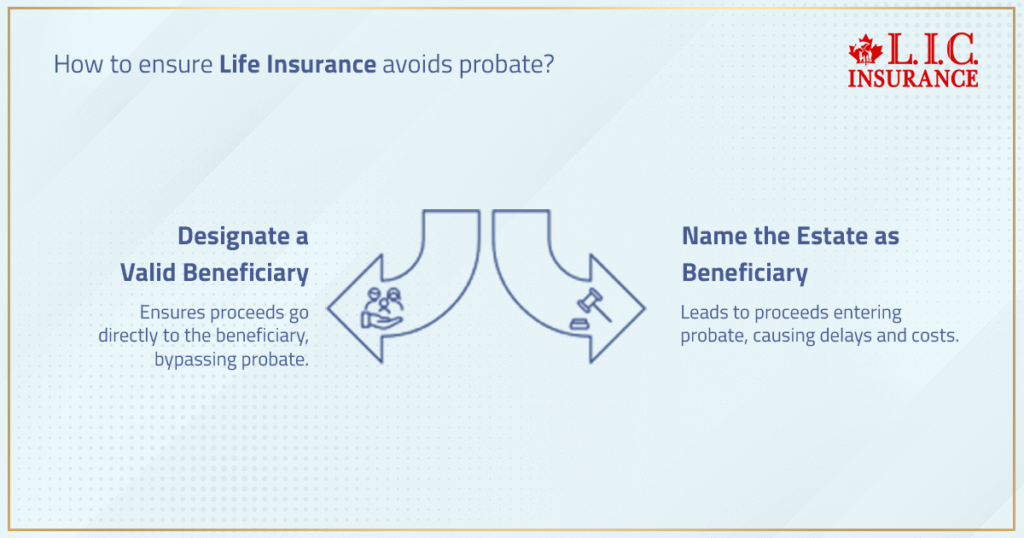
                                          Corporate-Owned Life Insurance isn’t complicated when explained the right way. The corporation owns the policy, pays the premiums, and receives the insurance proceeds. The life insured—also called the insured person or person insured—is usually a shareholder, partner, or key employee whose loss would create a financial impact.

                                          Here’s the core structure:

                                          • The policy owner is the corporation.
                                          • The corporation pays COLI premiums using after-tax corporate funds.
                                          • The business receives the Life Insurance proceeds received at the time of the death claim.
                                          • The arrangement sits inside the corporate ownership structure, not the personal estate.
                                          • The benefit supports both operational needs and long-term planning.

                                          Since the company owns Life Insurance Policies directly, the coverage is in line with corporate strategy: tax planning, executive benefits, business continuity and wealth creation. And when you contrast the life that is corporate-owned versus personal coverage, the corporate structure provides for some special tax advantages that personal insurance could only dream of.

                                          How Corporate-Owned Life Insurance Differs From Personal Coverage

                                          A Personal Life Insurance Policy pays a tax-free benefit directly to individual beneficiaries. It protects families, but doesn’t solve corporate issues like share redemption, executive continuity, or business cash flow.

                                          Owned Life Insurance at the corporate level offers distinct advantages:

                                          • The insurance policy becomes a corporate asset.
                                          • Insurance proceeds enter the corporation first.
                                          • These funds can support buyouts, operations, or tax-free distributions through capital dividends.
                                          • The corporation—not the individual—decides how to use the net proceeds.

                                          This setup is especially beneficial for private corporations where most family wealth sits inside the company. It lets business owners combine insurance planning with succession planning, business continuity, and future taxation strategies.

                                          Capital Dividend Account And Corporate-Owned Life Insurance

                                          For business owners, the Capital Dividend Account (CDA) often becomes the biggest financial benefit of a corporate-owned policy. The CDA allows a private corporation to distribute certain amounts to shareholders as tax-free dividends instead of taxable income.

                                          Under CRA guidelines, the CDA receives a credit when a company receives Life Insurance proceeds following the death of the insured person. The calculation is simple:

                                          CDA credit = death benefit – adjusted cost basis (ACB)

                                          This credit is the amount that a corporation may pay to its resident Canadian shareholders as a capital dividend. For entrepreneurs or executives focused on extracting funds as efficiently as possible, this is one of the most potent aspects of the strategy.

                                          Capital dividends will help to eliminate double taxation at death and provide for a clean method that may allow the corporation to make support for families, finish buyouts or continued succession planning. Whether the business is a standalone company or an entity operating under a corporate holding structure (such as those used for wealth planning purposes), the CDA is an important vehicle for removing money from the corporation with little or no tax implications.

                                          Understanding Adjusted Cost Basis And Net Proceeds

                                          The adjusted cost basis, or ACB, of the policy is the total amount contributed by the company to any particular point in time. The ACB gradually decreases each year for the NCPI until the CDA credit accumulates as the policy ages.

                                          So as the ACB decreases in each taxation year, this spread between the death benefit and the ACB widens. That delta is the CDA credit, which can be paid out by the corporation on a tax-free basis.

                                          Now, try to save as much extra cash on withdrawals and policy loans (when they are not necessary), which will help protect the integrity of your policies later for even larger tax-free CDA credits.

                                          Capital Dividend Planning For Private Corporations And Holding Companies

                                          For a single-owner private corporation, CDA planning is straightforward. But many business owners operate in multi-layer structures involving:

                                          • Operating companies
                                          • A holding company
                                          • Multiple private corporations
                                          • Family trusts
                                          • Corporate reorganizations

                                          In these situations, asset flow, shareholder agreements, and ownership structure must be handled carefully to avoid accidental tax consequences, such as:

                                          • Unintended double taxation
                                          • Issues involving non-resident shareholders
                                          • Incorrect corporate ownership of the policy
                                          • A truncated CDA credit due to structural misalignment

                                          Clear planning ensures that insurance proceeds are received by the right entity, at the right time, following all specific rules under the Income Tax Act.

                                          Why Permanent Life Insurance And Participating Whole Life Work Best For Corporate-Owned Life Insurance

                                          We explain to clients that corporate-owned insurance isn’t simply about the cheapest premium. It’s about protecting long-term goals. Permanent Life Insurance—particularly a Participating Whole Life Insurance Policy—delivers stability and corporate liquidity that a temporary contract simply cannot.

                                          Permanent Policies offer:

                                          • Lifetime financial protection
                                          • Growing cash value and potential cash surrender value
                                          • Tax-deferred cash growth inside the policy
                                          • More predictable planning for executives and shareholders

                                          When a corporation purchases Whole Life Insurance, the policy becomes an asset that sits quietly on the balance sheet and strengthens the company’s long-term position. This makes it useful not just for protection but also for balancing risk, planning executive compensation, and maintaining corporate liquidity.

                                          Cash Value, Cash Surrender Value, And Corporate Liquidity

                                          Corporate-owned permanent policies accumulate cash value over time. This forms a resource the company can access if needed through:

                                          • Policy loans
                                          • Collateral assignments
                                          • Surrenders in specific scenarios

                                          Access to cash surrender value can help fund:

                                          • Executive benefits
                                          • Emergency expenses
                                          • Corporate investments
                                          • Short-term liquidity needs

                                          Because permanent policies also include a savings component, the corporation benefits from long-term cash value accumulation that grows without annual tax reporting, as long as the contract meets the exempt rules.

                                          Corporate-Owned Life Insurance For Key Person Insurance And Executive Benefits

                                          Every corporation has people whose absence would create immediate challenges. A founder, a senior executive, a technical specialist—these individuals are the lifeblood of the operation. Key Person Insurance allows the corporation to protect itself from this risk.

                                          The corporation holds Key Person Insurance on:

                                          • Founders
                                          • Senior executives
                                          • Revenue-driving specialists
                                          • Other key employees

                                          If a key person dies, the insurance proceeds offer room to stabilize operations, replace the person, or cover short-term losses. It also helps the corporation maintain business continuity during one of the most difficult periods it could face.

                                          Beyond protection, permanent corporate policies can also support:

                                          • Long-term executive benefits
                                          • Retention programs
                                          • Targeted executive compensation packages
                                          • Performance-based rewards tied to policy values

                                          These strategies help keep top talent engaged and invested in the company’s success.

                                          Corporate-Owned Life Insurance And Buy-Sell Agreements

                                          For corporations with multiple owners, one event can wreak havoc: the death of a partner. Families need money quickly. The remaining partners are looking to retain control. The company will require immediate money to buy the deceased owner’s share.

                                          When properly designed, a buy-sell agreement combined with C-O products adds clarity and certainty.

                                          The corporation receives the death benefit, providing:

                                          • Clean, immediate funding for redemption
                                          • Predictable net proceeds for the deceased owner’s family
                                          • Protection from disputes and forced sales

                                          The agreement ensures succession planning remains intact. Owners know the transition will occur smoothly, without scrambling for financing or risking the company’s stability.

                                          Comparing Term Insurance And Whole Life Insurance Inside The Corporation

                                          Term insurance has its place. It offers pure insurance protection at a lower cost, especially for short-term needs, such as debt coverage or temporary partnership obligations. But it has no cash value and doesn’t arm you for everything. For longer-term strategies centred on wealth transfer, tax planning and succession, Whole Life Insurance is generally the better fit.

                                          When comparing costs, many business owners look at:

                                          Younger insureds pay significantly less for term, but the lack of long-term value makes permanent coverage more strategic for corporate planning. A Life Insurance quote online provides a quick start, but designing a full COLI strategy takes deeper analysis.

                                          Understanding COLI Premiums And Long-Term Net Cost

                                          COLI premiums function differently from personal premiums. They sit on the corporate books, they affect retained earnings, and they pair with long-term tax advantages. Over time, the strategic use of COLI premiums can create far more corporate value than temporary, expiring contracts.

                                          Business owners often evaluate:

                                          • The net cost of permanent coverage
                                          • Potential future tax-deductible borrowing tied to collateral assignments
                                          • The relationship between premiums and future capital dividend opportunities
                                          • How premiums paid align with long-term corporate goals

                                          The outcome is a strategy shaped around stability and tax efficiency, not just short-term savings.

                                          Planning With Holding Companies And Multi-Entity Structures

                                          When a corporation works alongside a holding company or multiple private corporations, corporate-owned policies must be placed carefully. A misalignment can result in unintended tax consequences, reduced CDA access, or inefficient cash flow.

                                          Strategic planning includes:

                                          • Ensuring correct entity ownership
                                          • Managing potential deemed disposition risks
                                          • Coordinating CDA elections across companies
                                          • Evaluating the presence of non-resident shareholders
                                          • Reducing exposure to double taxation

                                          With the right structure, corporate-owned life strategies help move wealth tax-free across entities and support long-term growth for families and shareholders.

                                          Key Considerations, CRA Rules, And A Strong Advisory Team

                                          Every COLI strategy must follow the specific rules of the Income Tax Act. Policies must maintain exempt status to protect tax-deferred cash growth. CRA guidelines influence:

                                          • How the policy’s ACB declines
                                          • How capital dividends are paid
                                          • Whether CDA credits apply fully
                                          • How corporate reorganizations affect taxation

                                          To protect corporate value, we regularly collaborate with your tax advisor, accountant, or legal team. Our job is to ensure the insurance structure supports your broader planning without adding unnecessary complexity.

                                          How Canadian LIC Uses Corporate-Owned Life Insurance As A Strategic Tool

                                          We see corporate-owned insurance as more than a policy. It’s a long-term asset that strengthens the corporation and protects the people who built it.

                                          Our approach supports:

                                          • Business continuity
                                          • Protection of key person roles
                                          • Smooth execution of buy-sell agreements
                                          • Growth of cash value inside the corporation
                                          • Extraction of tax-efficient funds through the capital dividend account
                                          • Long-term stability for families, partners, and employees

                                          We have seen corporate-owned plans provide business owners with the confidence to transition, assist children moving into leadership roles and make available to families tax-free distributions that would otherwise be taxed heavily.

                                          If your business does have retained earnings, along with an involved planning process dealing with long-term succession, tax effectiveness, or executive retention, corporate-owned Life Insurance may become one of the most powerful tools you have in your financial plan.

                                          Get The Best Insurance Quote From Canadian L.I.C
                                          Call +1 416-543-9000 to speak to our advisors.
                                          Get Quote Now

                                          FAQs

                                          Corporate-owned Life Insurance helps bring order to confusing times, when a company sorely requires direction. It can allow a business owner to protect their future cash flow, because it creates a line item that the corporation knows they can utilize without disrupting operations. A long-term insurance policy is that much more confidence for lenders, partners, and families associated with the business. Over time, it turns into another layer of corporate power alongside existing business investments and planning.

                                          Yes, it does so by providing the corporation with a reliable source of funds that is not connected to unpredictable markets or short-term credit facilities. This makes sure that transitions don’t get stopped short just because things change abruptly. Corporate-owned Life Insurance “dedicates to the timing of corporate decisions but does not force transactions to be done in a hurry.” Such flexibility is often what enables a succession plan to remain consistent with the business owner’s initial intent.

                                          When income increases, the importance of formal financial security also rises, and corporate Life Insurance provides this in abundance. It provides the corporation with stable financing precisely at times when pressure is highest, giving leadership room to think straight. Private companies are like instruments that offer protection and some long-term value. Corporate ownership of life is that mix without disrupting day-to-day capital investment.

                                          A company-owned policy shows that the firm has thought about both the people and operations, and builds confidence in employees. It offers leadership a means of creating focused executive programs that don’t deplete active budgets. With long-term protection set up, your valuable employees rest easy knowing that the company is stable against even rough financial patches. It’s that confidence-building that builds loyalty at every step.

                                          Company priorities change as the company scales, new partners come on, or ownership changes. A review of the insurance policy helps to ensure that coverage is being effectively maintained in support of the corporation and not being forgotten or continued based on old assumptions. Tiny tweaks can often boost long-term financial protection and tax efficiency. Regular reviews also help keep corporate-owned life in step with a company’s evolving ambitions.

                                          It is logical to have more people insured if leadership grows or new key employees begin taking on significant responsibilities. This spreads risk and keeps the company from being too focused on a single insured person or one avenue of corporate protection. It also strengthens the company’s succession by giving people beyond the founders a stake in our long-term trajectory. It comes naturally as they scale their insurance strategy for many companies.

                                          The power of corporate-owned life is really in how it can help facilitate decision-making prior to ever having to make a death claim. It also provides the company with a financial asset that can make planning discussions with advisers and lenders more productive. In the long run, the mere existence of this policy affects how a company thinks about growth, retention and big investments. It is a strategic weapon embedded in the very structure of corporate security.

                                          Because it is corporate policy that shores up the financial architecture on which the company relies. It brings stability in places personal insurance can’t reach, particularly for operational or longer-term planning purposes. The company profits from protection that is embedded — not disconnected — from its balance sheet. For many owners, it is one of the only vehicles that actually does both support business continuity and long-term financial goals.”

                                          Rapidly growing companies often have varying capital requirements, and corporate-owned Life Insurance delivers a stable anchor during those changes. It provides the corporation with an added level of protection long-term as growth accelerates. Leadership can decide that there is structured, organized support behind them. That stability enables growth, not wary growth.

                                          Yes, because a policy owned by a corporation is a sign of disciplined planning and sound financial management. Lenders repay in some respects at least corporations which anticipate risks with regard to their status, employees , or executives. With the life assurance policy in place, it is comforting to know that the corporation can be covered in the event of unforeseen financial liabilities. This often increases your ability to borrow and enhances long-term credit relationships.

                                          And as families establish businesses that last for generations, corporate-owned life provides a mechanism to formalize those kinds of future transitions. It ensures the company is not pushed into snap judgments when power moves to a succeeding generation. The policy encourages planning that respects the company’s legacy as well as its future journey. This is doing something about the culture while not squandering what previous generations forged.

                                          When ownership changes or partners adjust their roles, liquidity becomes essential. Corporate-owned life offers predictable funding during these periods, keeping negotiations calm and organized. It lets the corporation move forward without disrupting operations or corporate investments. This steadiness helps maintain long-term trust among shareholders.

                                          Absolutely. The corporation is responsible, not personal income or personal life insurance. This wall helps the business owner to keep company and personal planning separate without commingling responsibilities. The corporation is more effectively able to absorb shocks before they reach the family. Eventually, this helps take the stress out of those big planning decisions.

                                          When business is conducted across locations or departments, risk becomes distributed as well. A corporate-owned life policy helps a corporation remain stable if one of its key people from a region experiences an unforeseen event. This makes the policy reinforce the internal consistency and maintain long-term plans. This is an absolute necessity for organizations with multi-location deployments.

                                          Corporate restructures, expansions or changes in leadership are likely to cause the company’s protection requirement to change. These policies should be reviewed to keep the insurance structure responsive to these new realities. The company can modify policyholders, restructure ownership models or improve coverage as it changes. This way, you keep the insurance framework alive, a dynamic means of strategy as opposed to a dead paper agreement.

                                          Professional corporations have high-income patterns and require long-term planning. The corporate-owned life provides a structured asset helping them achieve financial goals on a constant basis. It enables experts to enhance protection now and in the future, without disturbing flows of income. Eventually, the policy will be a resource that supports corporate resilience and strategy.

                                          Yes, because it connects the executive’s long-term worth to his or her stewardship of the company. Corporate-owned life, rather than providing purely short-term incentives, can be used to create an executive benefit that grows at the pace of the corporation. This is an indication of commitment by leadership and tends to loyalty. For executives, a stability of this nature is often more significant than short-term compensation.

                                          While external markets are unpredictable in a financial downturn, the structure of a corporate-owned policy remains constant over the long term. Having this predictable buffer while the corporation is under cash flow hardship or operational challenge is essential. This also indicates to a corporation’s employees and shareholders that our discipline is secure even when market circumstances are uncertain. For our part, the stable underpinning allows us to maintain our eyes on long-term objectives.

                                          Accountants understand that corporate-owned Life Insurance can undergird tax-efficient planning better than many other tools they have in their toolbox. It provides an opportunity to mitigate long-term exposure to taxable income and enhances succession and continuity planning. Advisers appreciate how it works in conjunction with the existing systems, like corporate investments and retained earnings. This makes it a natural complement for long-range corporate planning.

                                          It’s part of the bread and butter that maintains a business running through the thin times. The company receives an organized outlet to address the financial loss of a key executive or employee. This saves pressure on reserves, and it also protects working capital. This allows the company to address adversity from a position of strength rather than weakness.

                                          Sources and Further Reading

                                          • “Corporate-Owned Life Insurance (CL) Strategy Guide” — Canada Life PDF article on corporate Life Insurance advantages. acp.canadalife.com
                                          • “How Corporate-Owned Life Insurance Can Accumulate Wealth” — BDO Canada Tax Q&A article on COLI. BDO Canada
                                          • “Corporate Owned Life Insurance Considerations” — Sun Life Financial PDF detailing key COLI tax & planning issues. suncentral.sunlife.ca
                                          • “Corporate Life Insurance – Opportunities To Die For” — Deloitte Canada perspective on COLI, CDA and succession. Deloitte
                                          • “Corporate-Owned Life Insurance And Non-Resident Heirs” — DG & Chait LLP bulletin on COLI issues with non-resident shareholders. dgchait.com

                                          Key Takeaways

                                          • Corporate-owned Life Insurance in Canada strengthens long-term planning for a business owner by combining protection, liquidity, and structured tax advantages within the corporation.
                                          • A corporate policy allows the corporation to receive a Life Insurance death benefit, creating stability for partners, families, and key employees during unexpected transitions.
                                          • Permanent coverage, especially a participating Whole Life Insurance Policy, supports cash value accumulation, helping corporations build assets that grow alongside business goals.
                                          • The capital dividend account becomes a valuable tool, allowing private corporations to move insurance proceeds to shareholders as tax-free distributions when a death claim occurs.
                                          • Corporate-owned life helps manage share purchases, key person risks, and succession planning—areas where personal insurance cannot protect corporate investments effectively.
                                          • The structure minimizes long-term tax liability by pairing CDA credits with a declining adjusted cost basis, giving corporations an efficient path for future planning.
                                          • Business owners benefit from clearer decision-making, stronger executive retention strategies, and more predictable financial protection across changing corporate needs.
                                          • Working with advisors ensures that corporate-owned policies remain aligned with the Income Tax Act, ownership structure, and future growth plans of the corporation.

                                          Feedback Questionnaire:

                                          We’d love to understand your experience so we can create guidance that actually helps business owners like you. Please take a moment to share what you feel — your insights shape our next steps.

                                            Section 1: About You


                                            Understanding Your Current Situation


                                            Identifying Your Struggles


                                            Exploring Your Goals


                                            Timing & Readiness


                                            Final Thoughts

                                            The Predictability Advantage: How Whole Life Insurance Builds Lifelong Financial Stability In Canada

                                            The Predictability Advantage: How Whole Life Insurance Builds Lifelong Financial Stability In Canada

                                            The Predictability Advantage How Whole Life Insurance Builds Lifelong Financial Stability In Canada
                                            Canadian LIC

                                            By Pushpinder Puri

                                            CEO & Founder

                                            SUMMARY

                                            A detailed look at how a Whole Life Insurance Policy in Canada provides lifelong coverage, guaranteed cash value, and a tax-free death benefit. Explains differences between participating and Non-Participating Plans, highlights benefits for estate planning and seniors, covers tax advantages, and shows how Whole Life Insurance builds lasting financial stability and supports long-term financial goals.

                                            Introduction

                                            Predictability. It’s that one thing all Canadians wish for in the quiet of their hearts when it comes to money. We are putting that to the test today: We want to  know what tomorrow looks like, not hope for it, not guess. Just know. In a financial world that seems more uncertain than ever, there is one product that has withstood the test of time – the Whole Life Insurance Policy in Canada.

                                            We know that this kind of policy can silently become the bedrock for a family’s financial security. It does not scream or sway with the market. It does simply, year after year, punctured by none of these faddish excursions that the modern novel is prone to taking, what it’s supposed to.

                                            Canadians have trillions in Life Insurance Coverage held on the books, according to data from the Canadian Life and Health Insurance Association (CLHIA), and yet they still love short-term or low-cost term plans. They miss the reality of what Permanent Life Insurance is — a contract that not only protects your family for their entire lives, but also grows in value, assists with estate planning, and produces a legacy that doesn’t rely on tomorrow’s interest rates.

                                            So we thought we’d take a closer look at how Whole Life Insurance offers that predictability benefit — and why it is still one of the essential tools in lifelong financial planning.

                                            Understanding Whole Life Insurance: The Foundation of Predictability

                                            A Whole Life Insurance Policy in Canada is a guarantee that is good for as long as you are. It’s not built to expire. It’s built to stay.

                                            Unlike Term Life Insurance, which offers coverage for a specified time frame, whole life is a type of Permanent Coverage. Which is to say, it pays out — whenever the person who is insured dies — and offers a cash value that can be tapped even while he or she (the policyholder) is still living.

                                            Here’s what makes it unique:

                                            • Guaranteed death benefit: The policy guarantees that your beneficiaries will receive the death benefit no matter when the insured passes away.
                                            • Cash value accumulation: A portion of each premium goes toward building cash value, which acts like a savings element inside the policy.
                                            • Fixed premiums: You pay the same premium throughout the life of the policy — no surprises, no jumps, no renewals.
                                            • Tax advantages: The death benefit is typically tax-free, and the cash value grows tax-deferred under Canadian tax rules.
                                            • Estate planning benefits: The policy provides the liquidity needed to cover estate taxes, final expenses, or equalize inheritances.

                                            When markets drop, housing slows, or inflation rises, these guarantees don’t move. That’s the beauty of predictability — and the reason so many families rely on it as a foundation for their financial security.

                                            The Predictability Factor: Why Non-Participating Whole Life Matters

                                            The most stable version of Whole Life Insurance is what’s known as Non-Participating Whole Life (Non-Participating). In these policies, the insurer guarantees every key element — from the growth rate to the guaranteed cash value — right at the start.

                                            Here’s why clients love them:

                                            • They know exactly what their cash value growth will look like each year.
                                            • Their fixed premiums stay level, regardless of market or interest-rate changes.
                                            • Their guaranteed death benefit never fluctuates.
                                            • They’re not exposed to the insurer’s investment returns or expense performance.

                                            In short, the insurer carries most of the risk — not the policyholder. That makes Non-Participating whole life ideal for anyone who values financial stability, wants a tax-free death benefit, and prefers to plan around known numbers rather than assumptions.

                                            We often call this the predictability advantage. It’s the comfort of knowing that no matter what happens in the markets or the economy, your plan stays intact.

                                            Top Benefits Of Non-Participating Whole Life Insurance

                                            Participating Whole Life: Opportunity Meets Uncertainty

                                            Then there’s the Participating Whole Life (par). This version lets policyholders share in the insurance company’s profits through dividends. Those dividends aren’t guaranteed — they depend on the insurer’s investment returns, expenses, and mortality experience.

                                            Dividends can be:

                                            • Used to reduce premiums,
                                            • Left to accumulate interest,
                                            • Taken in cash, or
                                            • Used to buy paid-up additions (PUAs) that increase both cash value and death benefit.

                                            Participating Life Insurance Policies can do even better than Non-Participating Policies when the insurer is doing well, though they may also underperform if rates fall or expenses rise.

                                            Consider this actual reality that we looked at. A policy from the 1970s led to a $29,000 death benefit being projected at age 82. By 2019, that estimate had sunk to $27,000. Why? Dividend scales were reduced, and the hurdle rate — in effect, the minimum return required before dividends are distributed — wasn’t reached. The lesson is plain: participating policies demand a tougher stomach for variability.

                                            They’re powerful tools, unless they’re not. Some like that extra layer of predictability Non-Participating Whole Life provides — particularly for an estate plan or retirement planning.

                                            Participating vs. Non-Participating: Understanding the Difference

                                            FeatureParticipating (Par) Whole LifeNon-Participating (Non-Participating) Whole Life
                                            Crediting rate guaranteed?NoYes
                                            DividendsYes, variableNo
                                            Performance sensitivityHighLow
                                            Insurer risk exposureShared with policyholderFully borne by the insurer
                                            Ideal forGrowth seekersPredictability seekers

                                            Participating plans rely on market performance, while Non-Participating Plans rely on guarantees. We help clients weigh these two forces — opportunity vs. stability — and determine which better supports their financial goals and risk comfort.

                                            The Advisor’s Lens: Choosing the Right Plan

                                            Our advisors see every case differently. There’s no one-size-fits-all solution. Every recommendation begins with three key questions:

                                            1. What’s the goal? Is it estate liquidity, income protection, or generational wealth transfer?
                                            2. What’s the timeline? Younger clients might prioritize long-term cash value accumulation; older clients may need guaranteed lifetime coverage.
                                            3. What’s the risk tolerance? Some clients prefer the steady path of Non-Participating Policies; others want exposure to dividends for higher potential growth.

                                            Our job is to translate science into action. That involves breaking down complicated concepts like guaranteed cash value, death benefits, and premium payments into plain English — in a way that consumers actually grasp what they’re purchasing.

                                            We also show how a policy can supplement retirement income, provide emergency funds, or be used as a tax-efficient wealth transfer vehicle. But it’s not exactly insurance — it’s structured protection with flexibility built in.

                                            Tax and Growth Considerations: Clearing Up Misconceptions

                                            Is Whole Life Insurance Taxable?

                                            Here’s the thing: Whole Life Insurance is usually paid out tax-free in Canada. The cash value within the policy grows tax-deferred, so you don’t pay annual taxes on that growth unless you withdraw more than your adjusted cost basis.

                                            That’s a big deal. It enables the money to compound quietly, behind the scenes, without producing annual tax slips. The result? A tax-efficient shelter to protect your estate and the financial security of your family.

                                            Why It’s a Powerful Tax Planning Tool

                                            Whole Life Insurance is a common estate planning tool for that very reason. It also offers a tax-free death benefit, which can pay off estate taxes, business buyouts or even go toward charitable donations, without having to change plans for other investments.

                                            It can also double as a retirement plan; you can borrow on the cash value or use It to keep premiums down on your policy later in life. The trick lies in balance — both between your savings and the other living costs to which you need to apply cash over time, and between growth potential, liquidity, and tax efficiency.

                                            Why Some Older Policies Aren’t Performing as Expected

                                            We have had plenty of Canadians show us old participating policies that had failed to perform as illustrated. But the cause isn’t misspending — it’s a change in economic circumstances.

                                            In the 1970s and ‘80s, policies were priced in an era of double-digit interest. In today’s low-rate economy, those assumptions don’t hold. Even some of the old par policies can’t keep up with those original assumptions or projections, given increasing costs, longevity, and falling dividend scales.

                                            Still, even under these policies, cash value is guaranteed, and it can grow tax advantaged. And even if the non-guaranteed part underperforms, there is still that guaranteed core. That’s the beauty of whole life — it makes good when the market does not.

                                            We frequently change the topic of conversation for clients. It’s not what the policy can no longer do; it’s what the policy can still provide: lifetime coverage, guaranteed values, and a solid base for estate planning.

                                            Whole Life Insurance for Seniors and Estate Planning

                                            With Canadians living longer, the demand for lifelong protection is greater. And many seniors simply want to make sure their estates will be settled smoothly, without leaving sons and daughters to pay any taxes or debts, funeral expenses, or other outlays.

                                            Whole Life Insurance offers a guaranteed payout to help with final expenses, estate taxes, or simply provide for your loved ones. The best Whole Life Insurance for seniors will be simple: level premiums, guaranteed growth, and predictable results.

                                            We recommend that many retirees who don’t want market-type returns consider Non-Participating Plans. These policies offer the peace of mind that their family’s future will be taken care of regardless of what comes next.

                                            For business owners, whole life can be used to finance shareholder agreements or provide liquidity for succession planning. It’s not just about safeguarding assets — it’s about ensuring stability.

                                            Integrating Whole Life Into a Broader Financial Strategy

                                            Whole Life Insurance is more than a policy; it’s a financial instrument that can complement other strategies. Here’s how we help clients integrate it effectively:

                                            1. Compare Whole Life Insurance quotes from reputable Canadian insurers.
                                            2. Match policy type to purpose — Non-Participating for predictability, par for growth.
                                            3. Blend with other products: Some clients use Universal Life Insurance for flexibility and whole life for guarantees.
                                            4. Coordinate with investments: Whole life provides a stable component that balances out market-based assets.
                                            5. Review regularly: Policy reviews help track cash value growth and adapt to changing family needs.

                                            A well-structured policy can even accumulate cash that serves as collateral for loans or emergency funding — a valuable feature during uncertain times.

                                            Common Client Questions

                                            Q: Isn’t term life cheaper?
                                            Yes, but it’s temporary. Term Life Insurance covers you for a set period and expires. Whole life lasts forever, offering lifelong protection and cash value that grows every year.

                                            Q: How do we justify the higher cost?
                                            You’re buying guarantees — a fixed premium, a guaranteed cash value, and a tax-free death benefit. It’s not a cost; it’s a long-term asset that protects your financial future.

                                            Q: Is the cash value an investment?
                                            Not in the traditional sense. Think of it as a built-in savings feature that earns steady, tax-deferred returns. It’s meant to enhance stability, not replace your portfolio.

                                            Q: Can whole life support retirement planning?
                                            Absolutely. The cash value component can be borrowed against or used to supplement retirement income later in life — without interrupting the policy’s protection.

                                            Q: What if market rates change?
                                            That’s the best part. Your Whole Life Plan isn’t tied to the market. Whether rates rise or fall, your guaranteed cash continues to grow.

                                            The Predictability Advantage: Why It Still Matters

                                            There’s just something deeply reassuring about realizing that your plan will not collapse when the economy feels wobbly. Whole Life Insurance provides that foundation — unslippable, unwavering and structured for the long haul.

                                            I’ve helped many other families protect their wealth and type proseoniovepol well-designed Life Insurance policies that get stronger over time. We personally believe financial freedom is not just about growth, but rather it’s about consistency.

                                            Whole life provides that. It’s not about chasing returns; it’s about ensuring your financial legacy lives on — for your children, for the business and generation that follow.

                                            So whether you’re shopping around for Whole Life Insurance quotes, evaluating your coverage or laying out your estate plans, remember this: predictability isn’t boring — it’s powerful.

                                            Because when your policy is built right, it doesn’t just protect your life.
                                            It protects your entire life.

                                            Understanding these elements helps families manage expectations and choose the right level of insurance coverage.

                                            Get The Best Insurance Quote From Canadian L.I.C
                                            Call +1 416-543-9000 to speak to our advisors.
                                            Get Quote Now

                                            FAQs

                                            Whole Life Insurance builds financial stability through fixed premiums, guaranteed cash value, and a tax-free death benefit. Its structure provides lifelong coverage, allowing Canadians to plan confidently for their family’s future. Over time, the policy’s cash value growth becomes a dependable reserve that strengthens overall financial security.

                                            A Whole Life Insurance Policy in Canada helps cover estate taxes and ensures heirs receive a tax-free death benefit without delays or asset liquidation. Its guaranteed cash value and lifetime protection make it a strategic cornerstone of financial planning, preserving wealth across generations while maintaining liquidity in the estate.

                                            Yes. The cash value component of a Whole Life Insurance Policy can be accessed later in life to supplement retirement income. Because it grows tax deferred, Canadians can tap into this guaranteed cash during slower investment periods—providing flexibility that Term Life Insurance simply doesn’t offer.

                                            Both are Permanent Life Insurance options, but whole life focuses on guaranteed coverage and predictable cash value growth, while universal Life Insurance offers flexibility tied to market performance. Whole life prioritizes stability, making it ideal for clients seeking long-term financial security rather than variable investment returns.

                                            The death benefit of Whole Life Insurance is typically tax-free, but the policy’s cash value may have tax implications if withdrawn above its adjusted cost basis. For estate strategies, this design helps maintain financial security and transfer wealth efficiently while minimizing exposure to capital gains or income tax.

                                            Whole Life Insurance offers Permanent Coverage, building guaranteed cash value that grows over your lifetime. Term Life Insurance, on the other hand, expires after a set period and doesn’t accumulate any cash value. Canadians who want long-term financial security and predictable death benefits often choose whole life for its stability.

                                            With fixed premiums, your payments never increase—even as you age or your health changes. This makes budgeting easier and supports consistent financial planning. Over decades, predictable costs combined with a growing cash value give families confidence that their Whole Life Insurance Policy will always stay affordable and reliable.

                                            A well-designed Whole Life Insurance Policy in Canada can pass down a tax-free death benefit, creating a lasting financial legacy. Families use it to protect assets, pay estate taxes, and fund education or businesses for future generations. It’s more than insurance—it’s lifelong protection that keeps wealth flowing forward.

                                            If you stop paying, most Permanent Life Insurance contracts offer options such as using your guaranteed cash to keep coverage active or converting to a paid-up policy. The policy won’t vanish instantly—but its cash value growth and death benefit may reduce. Always review options with an insurance advisor before deciding.

                                            Absolutely. The death benefit of Whole Life Insurance can cover funeral costs and other final expenses, ensuring your family isn’t burdened during an emotional time. Because it’s a tax-free death benefit, every dollar paid to beneficiaries can go directly toward maintaining their financial security.

                                            Each premium contributes to both insurance costs and a cash value accumulation fund that grows tax-deferred. Over time, this investment component compounds steadily, supported by the insurer’s financial performance. Clients often use it to supplement retirement income or access guaranteed cash when needed.

                                            Yes, the best Whole Life Insurance for seniors prioritizes stability, guaranteed death benefits, and Permanent Coverage without market risk. Since premiums remain fixed, seniors can maintain affordable protection while ensuring a tax-free death benefit is passed to loved ones—ideal for estate planning or legacy creation.

                                            An experienced insurance advisor helps tailor your Whole Life Insurance Policy to your goals, ensuring the right balance between cash value growth, tax advantages, and financial security. Our role is to simplify complex terms and design coverage that fits your lifestyle, business needs, and family priorities.

                                            Some Participating Whole Life Policies allow dividends to reduce premiums or purchase paid-up additions, effectively lowering long-term costs. While Non-Participating options don’t share profits, they guarantee stable premiums for life—ensuring your financial plan stays predictable and manageable year after year.

                                            Both offer tax advantages, but Whole Life Insurance focuses on guarantees, while universal life ties performance to investment returns. Whole life’s guaranteed cash value grows consistently, making it a reliable companion for tax planning and retirement strategies. It’s the stable counterpart in your financial future toolkit.

                                            Paid-up additions (PUAs) are mini policies purchased with dividends in a Participating Whole Life Plan. They increase both cash value and the death benefit, enhancing long-term performance. Over time, PUA contribute to cash value accumulation and builds stronger financial security without requiring extra premium payments.

                                            Sources and Further Reading

                                            “What Is Participating Life Insurance Policy?” — Aflac : https://www.aflac.com/resources/life-insurance/what-is-a-participating-life-insurance-policy.aspx Aflac

                                            “Understanding Whole Life Insurance in Canada: A Guide to …“ — Katsen Insurance (Canadian blog) : https://www.katseninsurance.com/blog-1/params/post/4987076/understanding-whole-life-insurance-in-canada-a-guide-to-participating-and-n katseninsurance.com

                                            “What Is Cash Value in Life Insurance, And How Does It Work?” — Sun Life Financial : https://www.sunlife.ca/en/tools-and-resources/money-and-finances/understanding-life-insurance/cash-value-in-life-insurance-how-does-it-work/ Sun Life

                                            “Whole Life Insurance in Canada” — RBC Insurance : https://www.rbcinsurance.com/en-ca/life-insurance/whole-life-insurance/ RBC Insurance

                                            “Participating vs Non-Participating Whole Life Insurance [3 Key Differences]” — Insurance & Estates : https://www.insuranceandestates.com/participating-life-insurance/ I&E Banking Strategies

                                            Key Takeaways

                                            • A Whole Life Insurance Policy in Canada offers lifelong coverage, guaranteed premiums, and a tax-free death benefit that ensures predictable protection.
                                            • Non-Participating Whole Life Insurance provides fixed growth and guaranteed cash value, ideal for those seeking stability and certainty.
                                            • Participating Whole Life includes dividends that can enhance cash value but it depends on the insurer’s financial performance and market conditions.
                                            • The cash value component grows tax deferred, offering flexibility to supplement retirement income or handle unexpected expenses.
                                            • Whole Life Insurance serves as a powerful estate planning and generational wealth tool, covering estate taxes and ensuring the family’s financial future.
                                            • Older participating policies may show reduced growth due to changing interest rates, but their guaranteed values and lifelong protection remain strong.
                                            • Whole Life Insurance balances protection and savings, creating a reliable foundation for long-term financial stability and financial planning.

                                            Feedback Questionnaire:

                                            We’d love your input to help us understand your financial planning challenges and improve our future content. Please take a moment to share your thoughts below.


                                              Thank you for sharing your feedback!
                                              Your insights help us continue creating valuable, easy-to-understand financial education for Canadians planning their secure futures.

                                              What Happens If I Take a Loan from My Whole Life Insurance Policy?

                                              Disability Insurance is a lifeline for many Canadians, providing financial support when illness or injury prevents you from working. But what if you’re feeling well enough to go back to work, even part-time? This is a common question and a dilemma for many. You’re in your mid-30s, have a family to support and bills to pay, and you get diagnosed and are out of work. After months on short term disability, you start to feel a bit better. The urge to get back to some form of work, to get back to normal and contribute financially is strong. But how will working part-time affect your Disability Benefits? Are you going to lose the lifeline you’ve been relying on?

                                              What happens if I take a loan from my Whole Life Insurance Policy?

                                              By Pushpinder Puri, March 03, 2026, 10 Minutes

                                              What happens if I take a loan from my Whole Life Insurance Policy

                                              SUMMARY

                                              You’re in Toronto, a city that’s alive but also expensive. You’ve been paying into your Whole Life Insurance Policy for years, and the cash value has grown. But now, an unexpected expense has come up—a business opportunity, a medical emergency, or even a big home renovation. You remember hearing you could borrow from your Whole Life Insurance Policy, but you’re not sure what happens if you do. You wonder, “What if I borrow from my Whole Life Insurance Policy?”

                                              Introduction

                                              The cost of living in Toronto is no joke, and you never know when an unplanned expense will arise — a new business venture, a health issue, or urgent home maintenance. If you’ve held onto a Whole Life Insurance Policy for years, you may have accumulated enough cash value to do just that in cases such as these. You know that you can borrow from Whole Life Insurance, but you’re unsure what would actually happen if you were to borrow.

                                              This is something a lot of Canadians are dealing with. At Canadian LIC, we work with many clients who find themselves in a situation where they need to access funds urgently and are thinking of tapping into their policy cash value. They want to know the risks and benefits of using their policy effectively, especially the Whole Life Insurance Canada tax advantages permitted under current Canadian tax rules. In this blog, we’ll detail everything you should know before you decide, so you can feel secure about using your insurance when it’s time to use it.

                                              Understanding Whole Life Insurance and Cash Value

                                              Before we dive into the basic details on how Whole Life Policy Loans actually work, let’s quickly recap what Whole Life Insurance is and how the Cash Value piece operates. Defined: Whole Life Insurance is a permanent Life Insurance policy that remains in effect for your entire life, provided premiums are paid. Its more unique feature is the cash value it builds over time, which you can access with a policy loan.

                                              What is the Whole Life Insurance Cash Value?

                                              Think of a cash value basically as a savings component in your Whole Life Insurance. Now, as you go on paying premiums, some of that money is placed in a savings account, which is growing tax-deferred over time. That is what is considered the cash value. The more premiums you pay, the higher your cash value will be.

                                              Now, here is where it gets exciting: Unlike your standard savings account, the cash value within a Whole Life Insurance Plan isn’t just sitting around doing nothing. It grows at a minimum guaranteed interest rate set by your insurance provider. Over time, this can become quite an asset from which you can borrow. In participating policies, dividends may further enhance growth, although they are not guaranteed.

                                              The Reality of Taking a Loan from Your Whole Life Insurance Policy

                                              Let’s go back to our example. You find yourself in a situation where you need some money. You’ve heard about your policy’s cash value, so you think, “Why not?” But how? At Canadian LIC, we’ve seen a range of outcomes, and they’re not always that simple.

                                              How Does the Loan Process Work?

                                              Basically, when you decide to take a loan against your Whole Life Insurance Cash Value, you are borrowing from the insurance company, using your policy’s cash value as collateral. You are not borrowing from some bank or outside lender but from your insurance company, and they are using the cash value in your policy as collateral. Best of all, there’s no long approval process, and you don’t have to state your reason for needing the money. It’s cash value, and it is very handy; you can access it conveniently.

                                              As simple as the process is, it is important to remember that it is a loan. You get charged interest based on the amount of money you borrow, and should you fail to pay back the loan, you’ll start to accrue compounding interest on the interest you previously owed. Things can start to get a little tricky with this. Policy loans may be structured as direct recognition or non-direct recognition loans, which can affect dividend performance and long-term policy value.

                                              The Benefits of Borrowing Against Your Whole Life Insurance Policy

                                              The Benefits of Borrowing Against Your Whole Life Insurance Policy

                                              So why do so many people choose to take loans against their Life Insurance policies? At Canadian LIC, we have seen that clients may use Whole Life Policy Loans against a host of financial needs; there are also several advantages.

                                              Easy Access to Funds

                                              One of the most attractive features when borrowing against your Whole Life Insurance is how easily accessible the funds are. Unlike applying for a loan, which can be lengthy and full of headaches, the process of borrowing from your policy is short and simple. There is no need to go through credit checks or collateral since the cash value of your policy serves as the collateral.

                                              No Impact on Credit Score

                                              Certainly, one of the most attractive features of borrowing against your Whole Life Insurance Plan is how easily and readily accessible the money is. In comparison with applying for a traditional loan, which can be extraordinarily long-winded and frustrating, borrowing from your policy is relatively fast and easy. You do not need to go through credit checks or provide any type of collateral since the cash value of the policy acts as such.

                                              Flexible Repayment Terms

                                              The other advantage is that it allows for flexibility in the payment. You do not need to make a fixed monthly payment for this loan. You can return it whenever you want to. So definitely, the more time you take to pay off the loan, the more interest you will pay; however, again, that depends upon your decision. However, some insurers may require interest payments to prevent the policy from lapsing, so confirm the rules with your provider.

                                              The Risks and Considerations of Taking a Policy Loan

                                              While the benefits are apparent, it’s important to think about the potential risks and drawbacks of borrowing against your Whole Life Insurance Cash Value as well. Canadian LIC believes in being fully transparent with our clients, so let’s dive into what you need to know.

                                              Impact on Death Benefit

                                              One of the biggest questions is how a policy loan could affect your death benefit—the cash your beneficiaries will see when you’re gone. This means that when you take out a loan, what you borrowed will be subtracted from your death benefit. That means your loved ones could get less money than you intended for them.

                                              Let’s consider a real-life example. Jonathan, a client from Vancouver, took a loan against his policy to fund his daughter’s education. The purpose might have been noble, but he didn’t really consider the toll it would take on his long-term death benefit. Now, many years after that, when Jonathan passed away, the family received a much lower death benefit because of the outstanding loan and interest. This has placed them in a tough financial corner; this could have been avoided if there had been proper planning.

                                              Loan Interest Accumulation

                                              As with any loan, interest on your policy loan compounds over time. Unless you pay it, the interest is added to the loan balance, increasing the total amount owed. If the loan balance becomes too large, it could eventually exceed the remaining cash value, which may cause the policy to lapse if corrective action is not taken.. That means you could lose your coverage and cash value. Interest rates and loan structures vary by insurer and may be fixed or variable.

                                              We had another client, Sakshi from Montreal, who used her Whole Life Insurance Plan to help her open a small business. She was quite confident that she could repay this loan in only a few months, but didn’t realize how much interest would be added. Over time, the loan balance increased to an enormous amount until her policy was on the brink of collapsing. Fortunately, Sakshi contacted us in time, and we were able to find a solution for her. But her story tells a highly cautionary tale about the importance of fully understanding what a policy loan implies.

                                              Tax Implications

                                              Borrowing from your Whole Life Insurance is generally tax-free. However, you could face significant tax consequences if your policy lapses or you surrender it with an outstanding loan. If the policy lapses or is surrendered, any gain exceeding the policy’s adjusted cost basis (ACB) may be taxable.

                                              Take the example of Robert from Calgary. He borrowed quite a sum of money against his Whole Life Insurance. Circumstances that he could not foresee prevented him from paying back the loan, and his policy lapsed. Robert was hit with a huge tax bill he hadn’t planned on, further straining his resources.

                                              When Taking a Policy Loan Helped vs. When It Hurt

                                              Borrowing from Whole Life Insurance can be a lifeline—but only when used wisely. We’ve worked with clients from all walks of life who used policy loans either as a tool for progress or, unfortunately, as a pitfall they didn’t fully understand. These real-life examples show how things can go both right and wrong, and what could’ve been done differently.

                                              When It Helped: Building a Business Without Breaking the Bank

                                              Raj, a 42-year-old client from Brampton, had been paying into his participating Whole Life Insurance Policy for over a decade. He had accumulated over $90,000 in cash value and had just identified a golden opportunity—a franchise business with low startup overhead. Instead of taking a personal loan or tapping into his RRSP (which would trigger taxes and reduce retirement savings), he chose to leverage the cash value from his policy.

                                              How it worked:
                                              By borrowing from Whole Life Insurance, Raj accessed $65,000 without any credit check, without liquidating investments, and most importantly, without impacting his credit score.

                                              Why it worked:

                                              • His policy had grown in substantial value, thanks to regular premium contributions and dividends.
                                              • He had a clear repayment plan from expected business profits.
                                              • He understood the Whole Life Insurance Canada tax benefits—this loan wasn’t taxable as long as his policy remained in force.

                                              The result:
                                              Raj’s business flourished; he repaid his policy loan in under 3 years, and his policy remained intact, continuing to grow both in death benefit and cash value.

                                              When It Hurt: A Policy Lapse and a Tax Surprise

                                              Now let’s talk about Elaine, a 55-year-old entrepreneur from Vancouver. She had a similar Whole Life Insurance Policy and a solid track record of consistent contributions. When a medical emergency hit her family, she urgently needed funds. Borrowing from Whole Life Insurance seemed like the easiest option—and it was. She withdrew $40,000 from her policy’s cash value within a week.

                                              What went wrong:

                                              • Elaine did not set a repayment plan.
                                              • She stopped reviewing her loan interest accumulation.
                                              • As the loan and interest piled up, it crossed the remaining cash value threshold.
                                              • Her policy lapsed after 6 years, triggering a large taxable gain, because her outstanding loan amount exceeded the premiums she had paid over time.

                                              The aftermath: Elaine faced an unexpected tax bill—thousands of dollars in taxable income from what she assumed was a tax-free benefit. In addition, her Life Insurance coverage vanished at a time when she needed financial protection the most.

                                              What Could Have Been Done Differently?

                                              For Raj:

                                              • He treated his policy like an investment tool, not just an insurance plan.
                                              • He discussed the long-term implications of borrowing from Whole Life Insurance with a licensed advisor.
                                              • He used one of the core Whole Life Insurance Canada tax benefits—loan access without triggering taxes—to his advantage.

                                              For Elaine:

                                              • A scheduled annual policy review could have helped her catch the rising interest early.
                                              • She should’ve explored options to pay just the interest annually, preserving her policy’s cash value.
                                              • She could have asked about dividend strategies to offset interest or consulted on partial repayments.

                                              These two examples highlight the importance of understanding not just how to borrow, but how to manage your policy loan responsibly. The same feature—borrowing from Whole Life Insurance—helped one client and hurt another. What made the difference? Planning, monitoring, and guidance.

                                              We help clients make informed choices, ensuring they benefit from their Whole Life Insurance Policies—whether for building wealth or covering emergencies—without putting their future at risk.

                                              Managing a Policy Loan: Tips from Canadian LIC

                                              We work with our clients to ensure they have a full understanding of the proper management of policy loans. Here are some of the little tips and hints we share with those contemplating — or already holding — a loan against their Whole Life Insurance Cash Value.

                                              Have a Repayment Plan

                                              Even though you’re not required to follow a strict repayment schedule, it’s wise to have a plan in place. This helps you avoid accumulating too much interest and ensures that your death benefit remains intact. At Canadian LIC, we often advise our clients to set up automatic payments or allocate a portion of their income to repay the loan gradually.

                                              Regularly Review Your Policy

                                              It’s crucial to keep an eye on your policy’s cash value and the loan balance. If you notice that the loan balance is growing faster than expected, it might be time to reevaluate your repayment strategy. We encourage our clients to schedule regular reviews with us so we can help them stay on track.

                                              Consider the Long-Term Impact

                                              Before taking out a loan, consider how it will affect your long-term financial goals. Is the loan necessary? Can you afford to repay it? How will it impact your beneficiaries? At Canadian LIC, we ask these questions to help our clients make informed decisions that align with their financial objectives.

                                              Tax rules and policy provisions vary. Always consult a licensed insurance advisor or tax professional before making decisions involving policy loans.

                                              Understanding Policy Loans, Collateral Options, and Whole Life Insurance Comparisons

                                              When evaluating borrowing options, many policyholders want to understand how a Life Insurance policy loan compares to other financing methods and how Whole Life Insurance fits into broader financial planning.

                                              Policy Loan vs. Collateral Loan: What’s the Difference?

                                              A policy loan allows you to borrow directly from your insurer using the cash value of your Whole Life Insurance Policy. In contrast, collateral loans on Life Insurance involve borrowing from a bank or lender while pledging your policy’s cash value as security.

                                              Key differences include:

                                              • Policy loan: issued by insurer; simple process; flexible repayment
                                              • Collateral loan: issued by bank; may offer lower interest rates; stricter underwriting
                                              • Policy loan: no credit check required
                                              • Collateral loan: creditworthiness and income verification required

                                              Some business owners prefer a bank loan using Whole Life Insurance as collateral because it may provide larger financing amounts while preserving policy growth.

                                              How Much Can You Borrow? (Canada Guidelines)

                                              The Life Insurance policy loan amount in Canada depends on:

                                              • accumulated cash value
                                              • insurer rules
                                              • loan type
                                              • policy performance

                                              Most insurers allow borrowing between 75% and 95% of available cash value.

                                              If you need precise estimates, many insurers provide a policy loan calculator or can illustrate projections showing:

                                              • available borrowing capacity
                                              • interest impact over time
                                              • long-term policy values

                                              What Happens If You Don’t Repay a Life Insurance Loan?

                                              If you choose not to repay:

                                              • Interest continues accumulating
                                              • The loan balance grows over time
                                              • The death benefit is reduced
                                              • The policy may lapse if the loan exceeds the value

                                              A lapse may trigger taxable income if the gain exceeds the policy’s adjusted cost basis.

                                              Using Whole Life Insurance as Loan Collateral

                                              Some lenders accept permanent Life Insurance as collateral because of its stable value.

                                              This strategy may help:

                                              • secure business financing
                                              • obtain lower interest rates
                                              • access larger credit facilities
                                              • avoid liquidating investments

                                              However, collateral loans carry lender repayment obligations and less flexibility than policy loans.

                                              Whole Life Insurance vs Term Life Insurance

                                              Understanding the difference helps explain why borrowing features exist.

                                              Whole Life Insurance:

                                              • Permanent Coverage
                                              • builds cash value
                                              • allows policy loans
                                              • supports estate and wealth planning

                                              Term Life Insurance:

                                              • coverage for a fixed period
                                              • no cash value
                                              • lower cost initially
                                              • no borrowing capability

                                              Those seeking liquidity and long-term financial planning tools typically choose Whole Life Insurance.

                                              How Soon Can You Borrow from Your Policy?

                                              Borrowing becomes possible once sufficient cash value accumulates.

                                              Typically:

                                              • limited value in first 1–2 years
                                              • borrowing may be available after 2–5 years
                                              • earlier access depends on policy design and funding level

                                              An insurer illustration or calculator can help estimate availability timelines.

                                              Understanding Whole Life Insurance Cost

                                              Whole Life Insurance premiums are higher than term insurance because they fund:

                                              • lifelong coverage
                                              • guaranteed cash value growth
                                              • policy guarantees
                                              • potential dividends (participating policies)

                                              While the upfront cost is higher, the policy builds long-term financial value and borrowing flexibility.

                                              Getting Whole Life Insurance Quotes in Canada

                                              If you are considering a policy for future liquidity or borrowing flexibility, comparing Whole Life Insurance quotes helps you evaluate:

                                              • premium structure
                                              • dividend history
                                              • cash value growth projections
                                              • loan provisions
                                              • long-term policy performance

                                              Working with a licensed professional ensures the policy structure aligns with both protection and financial planning goals.

                                              Conclusion: Is a Policy Loan Right for You?

                                              Leveraging cash value–Borrow against your Whole Life Insurance Plan- When done correctly, this can be a great way to access cash quickly and have flexible terms. But you must make sure you understand the risks and how withdrawals will affect your death benefit and interest accumulation, as well as the tax implications of the withdrawal. As mentioned, Canadian LIC has walked through the pros and cons of Whole Life Policy loans for decades, and we’re here to hold your hand through the process.

                                              To find out policy loan or for Whole Life Insurance Quotes Online, contact us at Canadian LIC now! We will help guide you through the complexities of Canadian Whole Life Insurance and provide a solution that fits you. Stop waiting for tomorrow—take charge of your future now.

                                              Are you ready to explore your options? Contact Canadian LIC now at 1 416 543 9000 to learn more about how Whole Life Insurance can work for you.

                                              Get The Best Insurance Quote From Canadian L.I.C

                                              Call 1 844-542-4678 to speak to our advisors.

                                              Canadianlic best insurance quote

                                              FAQs

                                              A Whole Life Insurance loan is the term used for money you borrow from the cash value that accumulates within your Whole Life Insurance Policy. The insurance company borrows you the same amount and uses your policy’s cash value as collateral. No credit check is required, and there are no restrictions on

                                              Borrowing from Whole Life Insurance, you are essentially borrowing money from the cash value that you have built up in your policy. You can borrow from your insurer, usually with funds in your account within days. Interest accrues on the loan, and any unpaid amounts are deducted from your policy’s death benefit. It’s a fast way to access funds without having to sell assets or go through loan approvals.

                                              Since Whole Life policies will have built up cash value, usually after a few years you are able to borrow against it. How soon will depend on your payments and the insurer’s policy. Specific policies may allow loans after 2 to 3 years, while others may take longer.

                                              Loans against a Whole Life Policy are typically not taxable as long as the policy does not lapse. However, if the loan plus interest is more than the cash value and the policy lapses or is surrendered, the excess over the policy’s adjusted cost basis (ACB) may be taxed. Before borrowing, always consult a financial advisor.

                                              You can think about the cash value part of your Whole Life Insurance Coverage like this: It’s kind of like a savings account that grows over time as you pay your premiums. You can even think about it as an asset you can tap for money later on when you need it for everything from emergencies to good investment opportunities and everything in between. At Canadian LIC, we often meet clients who have built up substantial cash value and need help in utilizing it. For instance, a client in Ottawa wanted to refinance her home for some renovations and was surprised that liquidity from her policy’s cash value was available to her without a long approval process.

                                              You can easily take a loan against the cash value of Whole Life Insurance. You can simply call your insurer, and they will give you instructions on how to do it. No credit check or collateral is needed, as your policy cash value will serve as the collateral. According to one of our clients in Toronto, who needed money to help with his small business, this step was very fast and not stressful at all. He didn’t have to be concerned about impacting his credit score or undergoing a tedious application process. If this is something you’re considering, you can get Whole Life Insurance Quotes Online and compare how different Canadian Whole Life Insurance Plans provide cash value benefits.

                                              Yes, it will. When you get a loan from your Whole Life Insurance Coverage, the amount you are borrowing, plus interest, comes off the death benefit. That means your beneficiaries could get less money when you die. We had a client in Calgary who borrowed from his policy to pay for his daughter’s education. He didn’t realize how much the loan would reduce his death benefit, and unfortunately, his family received less than they expected. This is something you should carefully consider and discuss with your financial advisor at Canadian LIC.

                                              Failure to repay it on time continues to attract interest, increasing your outstanding loan balance. After some time, the result can be the loan amount growing to more than the cash value, thereby rendering your policy lapsed. We once had a client from Montreal take out a loan, and he could not estimate how much interest would be accumulated. They came very close to losing their insurance coverage because the balance had grown too high. To help forestall this in the future, we would encourage her to set up a repayment plan, or at least periodically check on the status of the loan balance.

                                              In most cases, loans against the cash value of your Whole Life Insurance are tax-free. However, be cautious when your policy lapses or you have surrendered your policy with the outstanding loan against it because the amount of the loan that is more than the premiums you paid will then be taxable. One of our clients from Vancouver faced this situation when his policy lapsed. He was hit with a significant tax bill, which added to his financial stress. It’s important to understand these potential tax consequences and plan accordingly.

                                              Canadian Whole Life Insurance Plans offer a great many options, including the ability to accumulate cash value from which you can borrow. At Canadian LIC, we help people make these choices every day, ensuring clients understand how each plan can work for them. If you’re looking for options, compare Whole Life Insurance Quotes Online to determine which is the best plan for you. Whether you are building cash value for the future or money you need today, having the right plan can help ensure peace of mind and financial flexibility.

                                              At Canadian LIC, we specialize in helping our clients know their Whole Life Insurance options inside and out, including how to manage the cash value of loans. We know firsthand how proper guidance can make all the difference. For example, a lady from Halifax was still perplexed about borrowing from her policy. By discussing her options with us, she is confident in the decisions she has to make and exactly how they would affect her financial future. Are you looking for Whole Life Insurance Quotes Online or seeking advice on Canadian Whole Life Insurance Plans? Let us help you make better decisions.

                                              What you can borrow is usually based on the cash value you have accumulated in the Whole Life Insurance Plan. Many insurers allow borrowing between 75% and 95% of the available cash value, depending on the policy and provider. At Canadian LIC, we’ve had clients like Maria of Toronto, who, through a Whole Life Policy, had built up a significant cash value over 15 years. She was impressed by how much she could get access to and not have to sell anything else or apply for a regular loan when needing the funds for investment in a new business.

                                              Yes, the interest on the policy loan does accrue. In case one is unable to repay this loan, interest is tacked onto the outstanding loan balance, and it will continue to grow. We always remind our clients, like Dave from Vancouver, to consider this very carefully. Dave had borrowed from his Whole Life Insurance Cash Value to help his son with university fees. He initially thought of delaying the repayment, but he came to realize, after discussing it with us, that growing interest would, at some point, impact his policy’s benefits. Well, he then set in place a manageable plan for repayment so he could continue the policy and, therefore, help his family.

                                              Yes, you can have multiple loans against your policy as long as there is enough cash value to support them. However, each outstanding loan reduces the remaining cash value and the available death benefit. For instance, we have a client in Montreal who has taken out several loans in the recent past to fund various business ventures. While each loan was useful at the time, he did not realize that it would cut down so much from the total death benefit his family would receive. After reviewing with us, he decided to focus on paying back the loans to restore value to his policy. If you’re thinking of multiple loans, keep in mind the overall impact on your policy.

                                              Now, if you can’t repay that, then at death, the outstanding amount plus interest will be deducted from the death benefit. Sometimes, if the loan balance gets too big, it may cause your policy to lapse. This happened to one of our clients in Calgary, who borrowed against her policy during a time of financial constraint. Unfortunately, she was not able to pay off the loan, and her policy lapsed, leaving her really uncovered at a critical moment. At Canadian LIC, we help our clients avoid such situations by providing them with consultation and support on how to manage policy loans in general.

                                              Absolutely! Comparing Whole Life Insurance Quotes Online before you decide can help you understand the many Canadian Whole Life Insurance Plans available. In this way, you can choose a plan that really offers the best cash value growth and loan options to help you achieve your financial goals. This is something that we often advise our clients, including Susan from Ottawa, to do before finally taking out a loan. Susan did not realize that some plans had superior loan provisions or better cash value growth. She could compare plans online to find one that suited her current needs and would lay a firm foundation for the future.

                                              When you borrow against that cash value in a Whole Life Insurance Plan, the policy may continue to grow; however, loan interest and reduced dividend performance may offset growth. The interest on the loan might slow that down. For example, one client I have in Edmonton borrowed from his policy to buy another property. While he still experienced some growth in cash value during that time, the loan interest somewhat offset this growth. We helped him understand that by paying back that loan, his cash value would recover and continue growing at full potential. If you’re considering taking out a loan, you’ll want to discuss with your insurance advisor how that might impact your policy’s cash value over time.

                                              Yes, you can use your Whole Life Insurance Policy’s cash value for any purpose: funding a child’s education, starting a business, or handling unexpected medical expenses. Our Halifax client was able to tap into her policy’s cash value to pay for the family member’s urgent medical treatment. She felt relieved she wouldn’t have to wait through some long-winded loan approval process, and she had easy access to the funds. At Canadian LIC, we have many clients who, from time to time, appreciate the flexibility that Whole Life Insurance Cash Value offers.

                                              Taking a loan against your Whole Life Insurance Plan is an important decision that has to be made carefully. Canadian LIC has experience handling this process several times, ensuring that the clients understand the benefits as well as the risks associated with it. If you’re thinking about borrowing against your policy or shopping for Canadian Whole Life Insurance Plans, don’t hesitate to contact us today. We are here to help you every step of the way, ensuring your insurance works for you and your family at all times.

                                              Sources and Further Reading

                                              • Canadian Life and Health Insurance Association (CLHIA)

                                              Visit the CLHIA website for detailed information on Whole Life Insurance Policies, cash value accumulation, and industry standards in Canada.

                                              • Government of Canada – Financial Consumer Agency of Canada (FCAC)

                                              The FCAC website provides resources on insurance options, including the pros and cons of Whole Life Insurance and how policy loans work.

                                              • Investopedia – Whole Life Insurance:

                                              A Deeper Dive into Whole Life Insurance

                                                • Investopedia offers a detailed explanation of Whole Life Insurance, including how cash value works and the pros and cons of this type of policy.
                                              • Insurance Bureau of Canada (IBC)

                                              The Insurance Bureau of Canada offers valuable information about life insurance in Canada, helping consumers understand their options and the impact of policy loans.

                                              These sources will help you dive deeper into the topics covered in the blog and better understand Whole Life Insurance, cash value, and policy loans in Canada.

                                              Key Takeaways

                                              Your Feedback Is Very Important To Us

                                              We appreciate your feedback! Please take a moment to share your experiences and challenges related to taking a loan from your Whole Life Insurance Policy. Your insights will help us better understand your needs and improve our services.

                                                1. Personal Details

                                                Full Name:


                                                2. Feedback Questions

                                                How aware were you of the option to take a loan from your Whole Life Insurance Policy before reading about it?


                                                Thank you for your time and valuable insights! Your responses will help us better tailor our services to meet the needs of those navigating the complexities of insurance in Canada.

                                                The above information is only meant to be informative. It comes from Canadian LIC’s own opinions, which can change at any time. This material is not meant to be financial or legal advice, and it should not be interpreted as such. If someone decides to act on the information on this page, Canadian LIC is not responsible for what happens. Every attempt is made to provide accurate and up-to-date information on Canadian LIC. Some of the terms, conditions, limitations, exclusions, termination, and other parts of the policies mentioned above may not be included, which may be important to the policy choice. For full details, please refer to the actual policy documents. If there is any disagreement, the language in the actual policy documents will be used. All rights reserved.

                                                Please let us know if there is anything that should be updated, removed, or corrected from this article. Send an email to Contact@canadianlic.com or Info@canadianlic.com

                                                Is There A Life Insurance Policy Where You Get Your Money Back?

                                                Is There A Life Insurance Policy Where You Get Your Money Back?

                                                Is There A Life Insurance Policy Where You Get Your Money Back
                                                Canadian LIC

                                                Canadian LIC

                                                CEO & Founder

                                                SUMMARY

                                                This blog explains Money Back Life Insurance policies in Canada, including how they work, their benefits, and how they differ from other types of life insurance. It covers the process of getting premiums refunded, the advantages of permanent coverage, and who should consider this type of policy. It also compares Money Back Life Insurance with term and Whole Life Insurance. Additionally, it offers tips on how to buy affordable Money Back Life Insurance Plans in Canada and get the best quotes.

                                                Introduction

                                                When most people think of life insurance, they picture paying premiums for years, only to receive no benefit if they survive the policy. This widespread concern leaves many asking the question, “Is there a life insurance policy in which you get your money back?” If you’re one of many who are looking into this question, you’re not the only one. Most Canadians are uncomfortable contributing to a policy that will pay them nothing if they enjoy a long life.

                                                The good news is, there are life insurance options in Canada that may return your premiums, most commonly through Term Life Insurance with a Return of Premium (ROP) rider. This blog will show you how Money Back Life Insurance works, the types in Canada, and what kind of people can benefit most from it. You’ll also know by the end if this is a good choice for you.

                                                So, if you want to purchase cheaper Money Back Life Insurance Policy plans in Canada or want to understand how this life insurance policy works, in this article. We’ll explore the nuances that differentiate money-back policies and make them useful.

                                                What is Money Back Life Insurance?

                                                In Canada, what people commonly call ‘Money Back Life Insurance’ is not a separate type of permanent life insurance. It usually refers to Term Life Insurance with a Return of Premium (ROP) rider, which may refund eligible premiums if you outlive the term. Unlike a traditional term life insurance policy, which pays a benefit only after the policyholder passes away, a Money Back Life Insurance Policy includes a return of a portion of your paid premiums throughout the duration of the policy.

                                                Return of Premium features are most commonly available on term life insurance policies, not on whole life or universal life insurance. But Money Back Life Insurance is structured so that if you don’t die during the term, you are guaranteed to get a refund on your premiums. The exact mechanics of these refunds differ, but the underlying idea is the same: If, at some point, you don’t need the death benefit, you’ll get some of your money back.

                                                Permanent Life Insurance Policies, such as Whole Life or Universal Life, do not refund premiums. Instead, they may build cash surrender value, which is different from a premium refund.

                                                How Does Money Back Life Insurance Work?

                                                The inner workings of a Money Back Life Insurance Policy are fairly simple, but there are some important differences between Money Back Life Insurance and regular life insurance:

                                                • Premium Payments: As with any life insurance policy, you pay periodic premiums. These payments build over time and contribute to your death benefit and cash value.
                                                • Coverage: You are accompanied by life insurance, which covers anything that happens to you.
                                                • Return of Premium: If you survive the policy term and the Return of Premium rider conditions are met, you may receive a refund of eligible premiums paid. Refunds typically apply only if the policy remains active for the full term and may exclude rider fees or administrative charges, depending on the insurer.
                                                • Cash Value Accumulation: Depending on the kind of Money Back Life Insurance you purchase, your premiums may allow your policy to accumulate cash value, which you can access while the policy is still in effect.

                                                Unlike Standard Life Insurance Policies, Money-Back Policies provide a payout of premiums, meaning you’re not just paying for peace of mind — you receive some of your money back if you live a long life.

                                                Who Should Consider Money Back Life Insurance?

                                                It can do the trick for people seeking to hold life insurance: Money Back Life Insurance policies work out best for people who:

                                                • Want Term Coverage with a Refund Option: These policies provide coverage for a fixed term (such as 20 or 30 years) with the potential to receive premiums back at the end.
                                                • Are Looking to Get Some Money Back?: If you are worried about paying all that money in life insurance premiums and getting nothing in return if you do not die, a money-back policy may be a suitable choice for you.
                                                • Have Higher Premium Affordability: Unlike standard term life insurance, money-back policies are relatively costly. So, you should ensure that the price or costs involved can fit your budget.
                                                • Prefer Long-Term Planning: Money Back Life Insurance is a long-term investment, as policies are often active for 20-30 years. Ideal for individuals seeking long-term protection and wanting to avoid the fear that their premiums end up being “wasted.”

                                                Money Back Life Insurance vs. Traditional Life Insurance Policies

                                                Money Back Life Insurance VS Traditional Life Insurance Policies

                                                Let’s take a closer look at how Money Back Life Insurance stacks up against other common life insurance policies available in Canada.

                                                Money Back Life Insurance vs. Term Life Insurance

                                                • Term Life Insurance: This type of policy covers you for a specified term (such as 10, 20, or 30 years) and is usually less expensive. But if you outlive the term, you receive nothing in return. You just stop paying premiums, and the coverage ends.
                                                • Money-Back Life Insurance: Money-back plans give you back the premiums paid if you survive until the end of the term. The premium is higher, but you get some of what you paid if you live a long time.
                                                Feature Money Back Life Insurance Term Life Insurance
                                                Premiums Higher premiums Lower premiums
                                                Coverage Duration Permanent (for life) Temporary (for a set term, e.g., 10–30 years)
                                                Refund of Premiums Refund of premiums if outlived the term No refund of premiums if outlived the term
                                                Death Benefit Pays out if you pass away during the policy term Pays out only if you pass away during the policy term
                                                Cash Value Accumulation Yes, accumulates cash value over time No cash value accumulation
                                                Policy Expiry Does not expire as long as premiums are paid Expires at the end of the policy term
                                                Ideal For People seeking both life coverage and a premium refund People who need affordable life insurance for a limited period

                                                Money Back Life Insurance vs. Whole Life Insurance

                                                • Whole Life Insurance: A Permanent form of insurance that lasts for your entire life and accumulates cash value. However, it tends to cost more than Term Life Insurance.
                                                • Money Back Life Insurance: Term Life Insurance with a Return of Premium rider is different from Whole Life Insurance. Whole life does not refund premiums but may build cash value over time. If your main concern is getting something back when the term is up, this may be the better option. Cash value accumulation in whole life insurance is not guaranteed to equal total premiums paid and is not the same as a refund.
                                                Feature Money Back Life Insurance Whole Life Insurance
                                                Type of Coverage Permanent coverage Permanent coverage
                                                Premiums Higher premiums compared to term life Higher premiums compared to term life
                                                Cash Value May build cash value over time Builds cash value over time
                                                Refund of Premiums Refunds premiums if you outlive the policy No refund of premiums, but cash value accumulates
                                                Policy Length Typically 20–30 years Lifetime
                                                Death Benefit Paid to beneficiaries upon death Paid to beneficiaries upon death
                                                Flexibility Less flexible than whole life More flexible, with options for policy loans or withdrawals
                                                Complexity Easier to understand than the whole life It can be more complex to understand

                                                Money Back Life Insurance vs. Universal Life Insurance

                                                • Universal Life Insurance: This policy also provides life coverage as well as an investment component that allows you to adjust premiums and your death benefit. Although it provides flexibility, the returns vary based on the performance of the underlying investments.
                                                • Money Back Life Insurance: Money-Back Policies are generally easier than Universal Life Insurance. Universal policies aim to grow your investment, while money-back policies return premiums if you survive the policy term.
                                                Feature Money Back Life Insurance Universal Life Insurance
                                                Coverage Type Permanent life coverage Permanent life coverage
                                                Premiums Typically higher than term life insurance but fixed Flexible premiums can adjust over time
                                                Refund of Premiums Refund of premiums if you outlive the policy term No refund of premiums, but may accumulate cash value
                                                Cash Value Does not typically accumulate significant cash value Builds cash value over time, based on interest or investments
                                                Flexibility Limited flexibility regarding premiums and coverage Highly flexible; you can adjust premiums and death benefit
                                                Investment Component No investment component Includes an investment component that grows based on market performance
                                                Policy Term Fixed term (typically 20–30 years) Lifelong coverage with flexible term adjustments
                                                Return on Investment Guaranteed refund of premiums if you outlive the policy No guaranteed return; returns depend on the investment performance
                                                Death Benefit Fixed death benefit Flexible death benefit: can increase or decrease over time
                                                Ideal For People who want life coverage with the option of a refund People looking for flexible coverage and potential cash value growth

                                                What to Expect From a Money Back Life Insurance Quote

                                                When you’re ready to purchase affordable Money Back Life Insurance Plans in Canada, it’s important to know what factors affect the price of a money-back policy:

                                                • Age: The younger you buy the policy, the lower the premiums you’ll pay.
                                                • Health: Frequent medical exams are needed, and your health becomes a direct determinant of your premium rates.
                                                • Coverage Amount: More coverage, more premiums. However, select a coverage amount that meets your needs and financial circumstances.
                                                • Policy Term: Long-term policies (20, 25, 30 years) are subject to a higher yield, but there is a higher possibility of a refund, so it underlines the excitement for long-term insurance.
                                                • Online Quotes: Money Back Life Insurance Policy Quotes Online from different life insurance providers can be compared online in order to find the cheapest. Many insurance brokers provide a simple means of getting personalized quotes tailored to your specific needs.

                                                Tax Considerations

                                                In most cases, refunded premiums from a Return of Premium rider are not taxable, since they are considered a return of your own money. However, tax treatment can vary depending on the policy structure and should be confirmed with a licensed advisor.

                                                Pros and Cons of Money Back Life Insurance

                                                Every insurance policy comes with its pros and cons, and Money Back Life Insurance is no exception. Let’s explore both sides.

                                                Pros:

                                                • Refund of Premiums: The most appealing feature of Money Back Life Insurance is the refund part. You will receive some of your premiums if you outlive the policy.
                                                • Lifelong for Life: This type of insurance lasts your whole life, which means your family will receive financial protection at any time you pass away.
                                                • Predictable Returns: Though the returns are generally not as high as an investment vehicle like a mutual fund, the guaranteed return of the premiums makes it a predictable, stable option.

                                                Cons:

                                                • Premiums are Higher: Money-back policies are usually more expensive in comparison to term life insurance policies, so they may be out of individual budgets.
                                                • Low yield or no return: The refund does not include investment growth and may be lower than what premiums could have earned if invested elsewhere.
                                                • Complex Terms: Understanding the nuances of these policies, including how the refund is calculated and when it is applied, can be complicated.

                                                Is a Money Back Life Insurance Policy Financially Smart? A Cost Perspective

                                                One of the biggest questions Canadians ask before choosing a Money Back Life Insurance Policy in Canada is whether paying higher premiums is actually a smart financial move.

                                                At first glance, Life Insurance that pays you back sounds like a clear win — protection plus the possibility of recovering your premiums. But the real value becomes clearer when you compare the long-term cost difference.

                                                The Hidden Math Behind Refundable Policies

                                                A Return of Premium Term Life Insurance Policy typically costs anywhere from 30% to 70% more than a comparable standard term policy. That extra premium is the price of the refund feature.

                                                For example:

                                                • Standard Term Policy: Lower monthly premium
                                                • Cash back term life insurance: Higher premium but potential refund

                                                The key question becomes:

                                                👉 Could the premium difference grow more if invested elsewhere?

                                                If a buyer invested the monthly savings from a cheaper policy into conservative assets, the total accumulation might exceed the refunded premiums.

                                                This is why some advisors describe refundable Life Insurance Policies as a “forced savings strategy” rather than a wealth-building tool.

                                                When Paying More Can Still Make Sense

                                                Despite the higher cost, insurance that pays you back can be attractive in certain situations.

                                                It may suit individuals who:

                                                • Struggle with consistent investing
                                                • Prefer predictable financial outcomes
                                                • Value psychological reassurance
                                                • Want a structured long-term plan

                                                For disciplined investors, however, separating insurance from investing often provides greater flexibility.

                                                Inflation Matters More Than Most Buyers Realize

                                                Here is a detail many blogs skip:

                                                A premium refund decades later does not carry the same purchasing power.

                                                If inflation averages 2–3% annually, money returned after 25–30 years could be worth significantly less in real terms.

                                                So while Life Insurance with money back at the end of the term sounds appealing, buyers should evaluate the refund in today’s dollars, not future ones.

                                                Who Typically Benefits the Most?

                                                A Life Insurance money back plan is often best suited for:

                                                • Risk-averse households
                                                • High earners who have already maximized tax-advantaged accounts
                                                • Buyers focused more on protection than aggressive growth

                                                Meanwhile, younger buyers comfortable with market fluctuations often lean toward lower-cost term coverage.

                                                One Strategic Insight Many Buyers Miss

                                                Choosing which Life Insurance gives you money back should never be the first question.

                                                Instead ask:

                                                👉 “What problem am I trying to solve — income protection or savings discipline?”

                                                Insurance works best when it addresses risk. Investments work best when they target growth.

                                                Blending the two can work — but only when aligned with your financial behaviour.

                                                Before committing to Life Insurance that pays back if you don’t die, consider requesting illustrations for both refundable and non-refundable options. Seeing the long-term numbers side-by-side often makes the decision much clearer.

                                                Should You Buy Money Back Life Insurance?

                                                Whether or not to buy affordable Money Back Life Insurance Plan in Canada is a decision which ultimately comes down to your personal financial goals and situation. If you want permanent coverage with the added bonus of getting some of your money back should you outlive it, a money-back policy may be the guaranteed option for you.

                                                Balancing these policies with traditional ones means that they may be more expensive than traditional life insurance, so it is important to examine whether this option is available for your finances. An insurance professional can determine the nuances of these types of policies and ensure they design a product that meets your financial goals.

                                                Next Steps: How to Get Started

                                                To see your options and purchase inexpensive Money Back Life Insurance Plans in Canada, you can begin with personalized Money Back Life Insurance coverage quotes online. At the same time, compare quotes to find the maximum coverage for the lowest price.

                                                With the help of an expert, you will be able to make an informed decision that best suits your circumstances and will take care of your dependents while providing you with the possibility of getting back your premiums.

                                                Get The Best Insurance Quote From Canadian L.I.C
                                                Call +1 844-542-4678 to speak to our advisors.
                                                Get Quote Now

                                                FAQs

                                                Money Back Life Insurance refers to a policy that returns a portion or your full premiums if you outlive the policy term. It merges life coverage along with getting your premium money back — something many find attractive.

                                                With Money Back Life Insurance, you will pay the premiums periodically, If you outlive the life of the policy, you get some of the premiums back. Such a policy also offers life coverage, so your loved ones are financially secure if you die within the policy term.

                                                The key benefit is that if you outlive the policy, your premiums will be returned to you. Plus, you stay covered for life, so your family views you with assurance. That provides a fair amount of security and potential savings.

                                                Money Back Life Insurance premiums are typically higher than those for term life insurance policies. The price will depend on how old you are, whether or not you are healthy, and how much coverage you want. Because Money Back Life Insurance quotes are available online, it is a good idea to compare prices so you can find the best deal for what you need.

                                                It is designed for people who are looking for coverage over the long term and would like to get their premiums back. This is a good pick if you want a policy that provides life insurance coverage and a way to get some of your money back.

                                                That means you will usually get a refund at the end of the policy term (which is typically 20-30 years). The refund should be made according to the policy tax. Be aware of the particulars while buying a Money Back Life Insurance plan at an affordable cost in Canada.

                                                Yes, you can cancel the policy, but keep in mind that if you cancel before it expires, you may not get a full refund. So always read the fine print before you sign up.

                                                Money-back life insurance, unlike term life insurance, which is coverage for a specified amount of years with no refund of money, gives you back part of your premiums if you live past the term of the policy. Unlike term policies that expire, they provide life coverage.

                                                It does have the advantage of being able to refund the premiums paid, but the trade-off is that premiums are generally higher than with term life insurance. For individuals looking for a lower level of coverage or investors who are comfortable with other markets, it may not be the most cost-effective solution.

                                                To ensure you get the best deal, you need to obtain online quotes of Money Back Life Insurance policies from different service providers. You’re free to compare premiums, coverage amounts, and terms to identify the plan that best suits your budget and needs.

                                                If you want a mix of permanent life insurance and the opportunity to receive back the premiums you pay, Money Back Life Insurance may suit you. It provides peace of mind, as well as potential savings, but it’s crucial to evaluate your financial situation first.

                                                Yes, certain types of Money Back Life Insurance policies accumulate cash value over time. You can usually borrow against this value; [note] however, any unpaid loan will reduce the amount you get back as a refund.

                                                Money Back Life Insurance could be the right choice for you if you desire permanent coverage but worry about the lack of a return on premiums should you outlive your policy. But if affordability is important to you, or you don’t mind rolling the dice, then you may wish to consider other forms of insurance.

                                                Depending on your policy, you may be able to change your coverage amount. Always consult your insurance provider for the specifics before altering your coverage.

                                                We hope to clarify the confusion around Money Back Life Insurance by answering these questions. If you think a Money Back Life Insurance plan is the best option for you, you can get a Money Back Life Insurance quote and talk to an expert who can help you in selecting the most suitable plan.

                                                Sources and Further Reading

                                                • Canada Life – Understanding Life Insurance
                                                  A comprehensive guide to the different types of life insurance policies available in Canada, including whole life and Money Back Life Insurance.
                                                  Canada Life Website
                                                • Manulife – Life Insurance Options
                                                  Manulife provides detailed information on various life insurance options, helping you decide between different plans, including money-back policies.
                                                  Manulife Website
                                                • Sun Life – Understanding Life Insurance
                                                  A helpful overview of how life insurance works, including explanations of policy types and how to choose the right one.
                                                  Sun Life Website
                                                • Insurance Bureau of Canada – Life Insurance
                                                  This site offers educational resources about life insurance and tips for choosing the right coverage in Canada.
                                                  Insurance Bureau of Canada
                                                • Desjardins – Life Insurance Guide
                                                  Desjardins provides a guide to understanding life insurance products, including Money Back Life Insurance policies.
                                                  Desjardins Website

                                                Key Takeaways

                                                1. Money Back Life Insurance Explained: A Money Back Life Insurance policy refunds part of your premiums if you outlive the policy term while still providing lifelong coverage for your loved ones.
                                                2. Higher Premiums, But Potential Refund: Money-back policies tend to have higher premiums than term life insurance but offer the benefit of getting some money back if you survive the term.
                                                3. Long-Term Coverage and Security: These policies provide permanent coverage, ensuring your family’s financial security no matter when you pass away.
                                                4. Who Should Consider It: Money Back Life Insurance is ideal for those who want both life coverage and a potential refund of premiums and who can afford higher premiums.
                                                5. Comparisons to Other Life Insurance: Unlike term life insurance (which expires) or Whole Life Insurance (which builds cash value), Money Back Life Insurance offers a guaranteed refund of premiums if you outlive the policy term.
                                                6. Get Quotes Online: It’s important to compare Money Back Life Insurance policy quotes online to ensure you’re getting the best coverage at the best price.
                                                7. Make Informed Decisions: Before purchasing, evaluate if this type of policy fits your budget and long-term financial goals.

                                                Your Feedback Is Very Important To Us

                                                Thank you for taking the time to complete this brief questionnaire. Your answers will help us understand the challenges people face when looking for life insurance policies with money-back options. Your feedback is valuable in improving our services.


                                                  Thank you for your time and feedback! We’ll be in touch soon.

                                                  How Is the Cash Value of a Whole-Life Policy Taxed?

                                                  Do you ever get curious about the taxability of the cash value of your Whole Life Insurance Policy? Let’s take a closer look at a scenario that might sound familiar. Imagine you are reviewing your monthly bills and expenses, trying to optimize where your money goes each month. That monthly cost of your Whole Life Insurance is certainly one of those expenses. It’s a steady figure, predictable, but you remind yourself that your policy is two things: a death benefit as well as a cash value. The next thing that will come to your mind is, “What about the taxes on this percentage?” I worked hard for my money.

                                                  How Is the Cash Value of a Whole-Life Policy Taxed?

                                                  By Harpreet Puri, February 17, 2026, 6 Minutes

                                                  How Is the Cash Value of a Whole-Life Policy Taxed

                                                  Do you ever get curious about the taxability of the cash value of your Whole Life Insurance Policy? Let’s take a closer look at a scenario that might sound familiar. Imagine you are reviewing your monthly bills and expenses, trying to optimize where your money goes each month. That monthly cost of your Whole Life Insurance is certainly one of those expenses. It’s a steady figure, predictable, but you remind yourself that your policy is two things: a death benefit as well as a cash value. The next thing that will come to your mind is, “What about the taxes on this percentage?” I worked hard for my money. Have I gotten the most out of it? It can be hard to understand how life insurance works, especially if you’re trying to plan for your financial future, since the cash value in a Whole Life Policy will affect your money. There are important tax rules in Canada that affect the cash value of your policy. This is true whether you are looking to buy a policy and comparing Whole Life Insurance Quotes, or you already have a policy and are thinking about how good it is when you want to have its cash value in the long run. The goal of this blog is to help you understand some of those complicated rules by telling you stories that you can relate to. The goal of this blog is to help you understand some of those complicated rules by telling you stories that you can relate to.

                                                  How Cash Value Grows and Its Tax Treatment

                                                  How Cash Value Grows and Its Tax Treatment

                                                  The Basics of Cash Value

                                                  In general, as you pay premiums on a Whole Life Insurance Policy, a fraction of every payment goes into your Whole Life Insurance Policy’s Cash Value. This part increases over time, based on guaranteed policy values and, in participating policies, dividends declared by the insurance company, depending on the terms of your policy. What you are seeing regarding this growth is not mere statistics, but actual money that can be there for you in your lifetime.

                                                  Tax-Deferred Growth: A Real-Life Situation

                                                  Samaira, a graphic designer, purchased her whole life policy ten years ago. As she climbed up the ranks in her career over the years, she earned more money in a higher tax bracket. Yet the increase in her policy’s cash value was considered a form of tax deferral, so it did not increase her taxable income each year. That meant the money she had in the cash value of her policy could sit and grow tax-deferred for years, compounding faster than an equally sized taxable investment might.

                                                  When you take cash from the cash value, either a withdrawal or a loan, there are tax implications. It is tempting to just take your cash value, but realize that if you take withdrawals above your Adjusted Cost Basis (ACB), as calculated by the insurer, there may be a tax bill.

                                                  Accessing Cash Value: Tax Implications

                                                  When you decide to access the Whole Life Insurance Policy Cash Value, be it through withdrawal or a loan, there are different tax consequences. Withdrawing your cash value might seem like a straightforward option, but it’s essential to understand the potential tax hit if withdrawals exceed your policy’s basis, the amount of total premiums you have paid.

                                                  Example of Withdrawal Impact

                                                  Let’s take the case of Mike, a small business owner. When he needed to fund his business’s expansion, he considered withdrawing from the cash value of his insurance. However, upon consulting his financial advisor, he learned that withdrawing an amount beyond what he had paid in premiums would be taxable. This realization made him rethink his strategy to avoid an unexpected tax bill.

                                                  Whole Life Insurance Cost and Tax Strategies

                                                  Structuring Your Policy for Tax Efficiency

                                                  An essential part of managing Whole Life Insurance Costs is understanding how to structure your policy to maximize tax efficiency. This is important for anyone with high Whole Life Insurance premiums wishing to lessen the financial burden.

                                                  Real-Life Strategy Implementation

                                                  Imagine a couple, John and Linda, who are in their mid-50s. They’ve been paying into their whole life policies for nearly three decades. Their financial advisor recommended they borrow against the cash value to pay the premiums, lowering their monthly out-of-pocket expense but keeping the policy intact.

                                                  Note: policy loans may trigger a taxable policy gain at the time the loan is taken if proceeds exceed the policy’s ACB, and additional tax consequences may arise if the policy later lapses with an outstanding loan. This move not only helps in managing their expenses better but also keeps the policy’s benefits intact when properly structured and monitored.

                                                  How CRA Defines Policy Cash Value and ACB (Adjusted Cost Basis)

                                                  Understanding how the Canada Revenue Agency (CRA) treats the cash value of a Whole Life Insurance Policy is key when it comes to taxes. While many Canadians know that these policies build cash value over time, few understand when and how the taxable portion is calculated. That’s where ACB — Adjusted Cost Basis — becomes very important.

                                                  What is ACB in Whole Life Insurance?

                                                  ACB (Adjusted Cost Basis) is the value CRA uses to determine how much of your cash value is non-taxable and how much is taxable when you make a withdrawal or surrender your policy.

                                                  It represents the total amount you’ve contributed to your policy (mostly through premiums), minus any cost of insurance and plus/minus any adjustments like policy loans or dividends, depending on how they’re used.

                                                  In simple terms:

                                                  ACB = Total premiums paid – Cost of insurance + other allowable adjustments

                                                  So, if you’ve paid $50,000 in premiums over the years, and your policy cost of insurance was $10,000, your ACB might be around $40,000, depending on other factors.

                                                  How is ACB Calculated?

                                                  CRA calculates ACB using a set formula that considers:

                                                  • Premiums paid into the policy
                                                  • Policy dividends (if received as cash or used to buy more coverage)
                                                  • Cost of pure insurance (COI) charges
                                                  • Policy loans and withdrawals
                                                  • Any additional riders or changes in coverage

                                                  Over time, your ACB decreases as the cost of insurance increases. This means the longer you hold the policy, the lower your ACB may become, increasing the chance of taxation when you access the cash value.

                                                  CRA Guidelines Around Withdrawals and Loans

                                                  ➤ Withdrawals

                                                  If you withdraw from your policy, the amount over and above your ACB is considered taxable income and must be reported to CRA in the year of withdrawal.

                                                  ➤ Policy Loans

                                                  Taking a loan against the cash value does not automatically trigger taxes — but it can, if:

                                                  • The policy lapses while the loan is still outstanding
                                                  • You borrow more than your ACB

                                                  If either occurs, CRA treats the excess as a deemed disposition, and you’ll receive a T5 slip for the taxable portion.

                                                  Mini Case Scenario: ACB Exceeds Cash Value and Tax Bill Triggers

                                                  Let’s say Jaspreet, a 45-year-old engineer, has had a Whole Life Insurance Policy for 15 years. He has:

                                                  • Paid $75,000 in total premiums
                                                  • Incurred $20,000 in insurance costs over time
                                                  • No policy loans or extra riders

                                                  So his ACB is approximately $55,000.

                                                  Now, his cash value has grown to $70,000. Jaspreet decides to withdraw $65,000 to help his child with a down payment on a home.

                                                  CRA will assess the taxable portion as:

                                                  Taxable policy gain = proceeds of disposition – ACB allocated to the portion withdrawn

                                                  $65,000 (withdrawal) – $55,000 (ACB) = $10,000 taxable income

                                                  That $10,000 will need to be reported on his tax return for the year and taxed at his marginal rate. Jaspreet is surprised — he thought the entire withdrawal was tax-free.

                                                  Considering Whole Life Insurance Quotes

                                                  While you might think comparison shopping when it comes to a Whole Life Insurance Policy refers solely to getting quotes, it is about more than just dollar numbers. It is more about dissecting the numbers and, more importantly, how the underlying tale or the tax treatment of the cash value in the policy.

                                                  A Tale of Comparing Quotes

                                                  Elena, a teacher, spent weeks comparing different Whole Life Insurance Quotes, trying to find the best value for her investment. She looked specifically at how different policies handled the accumulation and taxation of cash value, eventually choosing a policy that offered a favourable balance between growth potential and tax advantages.

                                                  Insurance Tax Mistakes to Avoid

                                                  Understanding how Whole Life Insurance is taxed can make a significant difference in how much of your policy’s value you actually keep. While a Whole Life Insurance Policy offers stable, long-term benefits, tax missteps can reduce the gains you’ve worked hard to build. Many policyholders don’t realize that the Whole Life Insurance cash value is taxable under certain conditions. Here are some of the most common tax mistakes Canadians make—and how to avoid them.

                                                  1. Withdrawing Too Early and Triggering Taxes

                                                  A common misconception is that all withdrawals from a policy’s cash value are tax-free. That’s not always true. Do you have to pay taxes on Whole Life Insurance cash value? Yes—if you withdraw more than the premiums you’ve paid (your adjusted cost basis), the excess amount becomes taxable.
                                                  Let’s say you contributed $50,000 in premiums over the years, and your cash value has grown to $90,000. If you withdraw $70,000, you may owe taxes on the $20,000 gain. It’s critical to consult a tax advisor before withdrawing to understand exactly how Whole Life Insurance is taxed in your case.

                                                  2. Failing to Pay Back Policy Loans

                                                  Using a policy loan is a smart way to access your funds without immediately triggering taxes, but only if you repay it. If you take a loan against your cash value and don’t repay it, and the policy lapses, that loan amount may be considered a taxable distribution. Many people believe “loans aren’t income.” That’s true—until the policy terminates. Once it does, the CRA considers any outstanding loans plus gains over your premium contributions as taxable income. This is one reason why Whole Life Insurance taxation can surprise even long-time policyholders.

                                                  3. Cancelling a Policy with High Gains Without Expert Advice

                                                  One of the biggest mistakes is cancelling or surrendering a policy without understanding the tax consequences. If I cash out my Whole Life Insurance Policy, is it taxable? Yes, it could be—especially if your cash value has grown significantly over the years.
                                                  When you cancel a whole life policy, any amount received above what you’ve paid into the plan is subject to income tax. People often cash out to meet short-term financial needs, only to be hit with an unexpected tax bill the following year. Before you take that step, it’s crucial to speak with a tax specialist who understands Whole Life Insurance taxation in Canada.

                                                  Whole Life Insurance is a powerful tool—but missteps in how you access its cash value can cost you more than you expect. Whether you’re reviewing your policy, taking a loan, or planning to withdraw funds, take the time to understand:
                                                  Is Whole Life Insurance taxable in Canada? It depends on when and how you use your cash value.

                                                  Life insurance policy gains are taxed as policy income under the Income Tax Act and are not treated as capital gains.

                                                  Avoiding these three tax mistakes can help you make smarter decisions and protect the long-term value of your policy.

                                                  Common Tax Questions Canadians Ask About Whole Life Insurance

                                                  With the growing popularity of the Whole Life Insurance as a protection and long term financial planning tool, Canadians tend to seek direct answers to the very narrow tax related questions. Most of these questions are not raised during the purchasing process, but come to the fore many years later, when policyholders start to think over the possibility of receiving the value of their policy or take into consideration the extension of the value to the rest of their financial needs. The following section dwells on such common concerns in a straightforward manner..

                                                  Is Life Insurance Taxable in Canada?

                                                  The question on whether life insurance is taxable in Canada is among the most searched questions. The brief is that life insurance is not necessarily taxable, but some transactions on a policy could lead to taxable income.

                                                  The policy of Whole Life Insurance in Canada is subject to provisions of the Income Tax Act. The internal growth is not recorded as taxable income as long as the policy stands and of course adheres to the rules of an exempt policy. Nevertheless, taxation may come in accordance to the use of the policy in the lifetime of the policy holder.

                                                  Understanding when tax applies is more important than assuming life insurance is always tax-free.

                                                  Is the Cash Value of Life Insurance Taxable?

                                                  The taxes are another common issue as to whether the cash value of the life insurance is taxable or not. Cash value in itself is not tax creating. The mere fact that you have an increasing cash value in a Whole Life Insurance Policy does not mean that you have a tax due.

                                                  Tax is applicable only when you act i.e. when you withdraw the money, when you surrender the policy or when you borrow under some conditions. This explains why a lot of Canadians are mistaken about life insurance cash value being taxed all the time when this is not necessarily the case since it all depends on how and when it will be accessed.

                                                  How Is Cash Value Calculated in a Whole Life Policy?

                                                  Under policy comparison, people tend to enquire on how the cash value is determined. The insurer uses actuarial assumptions applied to the contract to determine cash value in a Whole Life Insurance Policy. These are guaranteed policy values and in participating policies, declared dividends by the insurance company.

                                                  The value of cash is not subject to change as market investments. It develops as per the format of the policy, the premium trend that has been chosen and utilization of dividends (when possible). The insurance company is supposed to be able to give official figures of cash values annually which is utilized in any tax or policy transactions.

                                                  Does Money From Withdrawing From a Life Investment Plan Count as Taxable Income?

                                                  The majority of Whole Life policies are sold as long-term financial instruments, which makes people make parallels between them and investment plans. This brings confusion as to whether money withdrawal is taxable income or not.

                                                  Money withdrawn under a Whole Life Insurance Policy may be treated as taxable income in Canada, depending upon the tax properties of a policy at the withdrawal date. This contrasts with registered plans, such as TFSAs or RRSPs and has its own taxation under the Income Tax Act.

                                                  This difference is significant since Whole Life Insurance is not a registered investment plan although it may be used in long-term financial planning.

                                                  Is Whole Life Insurance Cash-Out Taxable?

                                                  When people search “Whole Life Insurance cash out taxable,” they are usually referring to surrendering the policy or withdrawing a large amount of cash value.

                                                  Cashing out a Whole Life Insurance Policy can trigger taxation if the amount received exceeds the policy’s tax cost as defined by CRA. This is why surrendering a policy late in life—when cash value is high—can result in a larger tax bill than expected.

                                                  This tax consequence often surprises policyholders who assumed that all insurance proceeds are tax-free.

                                                  Is the Life Insurance Surrender Value Taxable?

                                                  A Whole Life Insurance Policy has what is termed as the surrender value that is paid to the policyholder when the policy is cancelled. Life insurance surrender value is taxable in Canada, but this is subject to tax position of the policy during the time of the surrender.

                                                  The insurer is just the one that decides whether there is a taxable amount and reports the same. This explains the necessity to be knowledgeable of surrender consequences prior to cancellation of a long-term policy of short-term cash requirements.

                                                  What About the Death Benefit of Whole Life Insurance?

                                                  The death benefit of Whole Life Insurance is one of the areas that are not complicated. In Canada, in most instances, the death benefit is usually given tax free to the beneficiaries. It is among the fundamental reasons why Whole Life Insurance is a prevalent example in the estate planning.

                                                  Death benefit is not regarded as income to the beneficiary and does not have to be taxed in his or her tax return. This taxation does not change even when the policy has accumulated substantial cash value over the years so long as the policy has not been designed to change its tax status.

                                                  Concluding Thoughts

                                                  Appreciating the tax treatment of the cash value in Whole Life Insurance Policies in Canada can make a huge difference in how you approach your financial planning. Even in the stories we’ve seen, from Smaira’s tax-deferred benefits to Michael’s thoughts on the tax implications of transfers, it’s important to understand these kinds of things so that when they happen, you know what’s going on and can make smart decisions about your future. You can make the same kinds of changes to your cash problem or goal right now. One of the top insurance brokerages, Canadian LIC, is here to support you with Whole Life Insurance Policies. They can help you craft a policy that will not only suit your insurance needs but also it can be in a tax-efficient manner that helps the overall state of your long-term finances. Confusion about taxes should not prevent you from ensuring a financially sound life ahead. Contact Canadian LIC today on +1 416 543 9000 to ensure that you begin your journey towards a more financially secure future by purchasing a Whole Life Insurance Policy that is best suited for you.

                                                  Find Out: How to find the best Whole Life Policy without a medical exam?

                                                  Get The Best Insurance Quote From Canadian L.I.C

                                                  Call 1 844-542-4678 to speak to our advisors.

                                                  Canadianlic best insurance quote

                                                  FAQs

                                                  Great question! With a Whole Life Insurance Policy, pulling out your cash value does not immediately reduce the cost of your policy across the board. But let’s take the case of Raj in trying to borrow against his policy cash value to cover his daughter’s wedding. While borrowing against the cash value did not affect his monthly cost for the Whole Life Insurance Policy, it meant that the loan amount was set to charge him interest. If Raj doesn’t pay back the loan, the loan amount plus interest may be subtracted from the policy’s death benefit, which will, in turn, affect the value of the policy to his beneficiaries.

                                                  Absolutely, this is a way to save money on taxes! The additional cost per month is generally your contribution to the Whole Life Insurance Policy Cash Value component of your policy and is growing tax-deferred. It was for Patricia, a consultant, who selected a slightly higher premium option in order to grow her cash value faster. This enables her to not only have a higher fund with her in the future but also allows her to stop paying taxes on the growth of these funds, optimizing her tax-deferred account.

                                                  Comparing Whole Life Insurance Quotes becomes important in order to know the tax aspect of your cash value with different policies. A self-employed man named Alex, for example, pored over several quotes and concentrated on how much the cash value would appreciate and be taxed. What he found was that with some policies, there was the ability to allow for accelerating the growth of the initial cash value, and some had different tax consequences. Comparing those rates allowed Alex to find a policy that not only fit his budget but also provided a model tax treatment best suited to his financial objectives.

                                                  Answer: When you begin to draw on the cash value, any withdrawals or loans against your policy could have a taxable and also taxable nature. Let’s look at Mei’s scenario. Mei, a real estate agent, planned on using some of her cash value toward purchasing a property. She decided to use a loan against her policy to defer taxes and keep her policy intact. This strategy allowed her to invest without facing the tax consequences that would come with withdrawing the funds outright.

                                                  The tax treatment of the cash value in your policy can make a big difference in terms of its entire value over time. If Sam and his wife Nora had both bought Whole Life Insurance Policies at the same age, then they both would have paid the same premiums and received the same death benefit. Sam elected a policy with a higher cash value accumulation rate that grew tax-deferred, so his cash value ended up growing much faster than Nora’s, who selected a lower fee policy but with slower growth of cash value. Sam’s policy over the years not only acted as a large safety net for both of them but grew beautifully being heavily invested in his policy — causing the total value of their financial assets to increase economically with an attractive tax treatment.

                                                  Yes, the cost of your Whole Life Insurance Policy has some bearing on future tax liabilities, especially if you surrender the policy or make withdrawals from the cash value. Take Oliver, for example, who decides to surrender his entire life policy after several years to gain some cash right now. Since the cash value was greater than the premiums he had paid, this surrender triggered a taxable event. Maybe he would have planned his money differently if he’d known about the taxes he would owe.

                                                  Whole Life Insurance – Your initial premium cost for your Whole Life Insurance Policy can be very different for a 20-year-old in perfect health, and an overweight 50-year-old concerned about covering final expenses. Take, for example, Javier, a thirty-something gym instructor who inquired about a Whole Life Insurance plan. Javier, who was very healthy and did not smoke, did qualify at good rates. To find the most affordable Whole Life Insurance Policy rates based on your health, you will need to compare Whole Life Insurance Quotes from several Whole Life Insurance companies.

                                                  Yes, it can. Gender has been among the factors insurance companies use to calculate premiums and is based on life expectancy statistics. For example, married couple Lisa and Mark experienced that while Lisa’s premium was only slightly lower than Mark’s, even though they were the same age and in almost the same health. The latter is often due to the fact that women statistically live longer than men and so their risk profile can be reduced.

                                                  Whole Life is a versatile product and its cash value use adds a big asset for estate planning. George, who has since retired, took advantage of his policy’s cash value to pass on an inheritance to his grandchildren as he lived. He had borrowed against the cash value to send his grandchildren to school while the death benefit would pay off the loan and still leave a legacy.

                                                  Yes, it is absolutely possible to get a Whole Life Insurance quote online, and it can be very convenient and effective. Online methods arrived to Emily – a sales and marketing consultant who is too in demand to sort out – to help her get estimates. This enabled her to compare interest rates swiftly and avoid the hassle of having to meet up physically with agents. Quotes are often more generalized when you receive them online, and there are bespoke factors about you and your belongings that should be addressed with an agent to provide more accurate price quoting.

                                                  Stopping your premium payments can lead to a policy lapse, where coverage is cancelled. An entrepreneur, Tom, ran into financial troubles and stopped making payments. The cash value in his insurance policy allowed his policy to remain in force for a couple of months so that he could get his finances in order before the policy lapsed. If you expect that you will have trouble making payments in the future, it is important for you to reach out to your insurer about options such as premium holidays or loans against the cash value.

                                                  Dividends are an important selling point for Whole Life Insurance. If you receive dividends, they can significantly reduce your costs. For example, Sandra owns a participating Whole Life Insurance Policy. Every year, her insurance company pays her dividends from the general surplus, and she applies the refunds toward her premiums, lowering, in essence, her annual direct out-of-pocket expense. Dividends aren’t guaranteed, but there are plenty of companies out there with long histories of paying them.

                                                  Knowing some of these FAQs will help you go through the complexities of Whole Life Insurance and allow you to execute decisions that are in line with your financial and tax planning goals. Each choice is crucial and can go a long way in affecting the strength of your policy and subsequently your wallet.

                                                  Sources and Further Reading

                                                  Canada Revenue Agency (CRA) – Official site for tax regulations and guidelines specific to insurance products in Canada. Visit CRA

                                                  Insurance Bureau of Canada – Provides detailed information on various types of insurance, including whole life policies available in Canada. Visit Insurance Bureau of Canada

                                                  Financial Consumer Agency of Canada – Offers comprehensive guides on life insurance products, helping consumers understand the nuances of insurance policies. Visit FCAC

                                                  Investopedia – Useful for explanations on financial terms and concepts, particularly regarding the taxation of life insurance policies. Visit Investopedia

                                                  Life Insurance Canada – Provides resources and articles on different aspects of life insurance, including cost comparisons and what to expect from whole life insurance. Visit Life Insurance Canada

                                                  These resources will provide you with further insights into whole life insurance, its costs, taxation, and how to effectively manage your policy in Canada.

                                                  Key Takeaways

                                                  Your Feedback Is Very Important To Us

                                                    1. Personal Details

                                                    Full Name:


                                                    2. Feedback Questions


                                                    The above information is only meant to be informative. It comes from Canadian LIC’s own opinions, which can change at any time. This material is not meant to be financial or legal advice, and it should not be interpreted as such. If someone decides to act on the information on this page, Canadian LIC is not responsible for what happens. Every attempt is made to provide accurate and up-to-date information on Canadian LIC. Some of the terms, conditions, limitations, exclusions, termination, and other parts of the policies mentioned above may not be included, which may be important to the policy choice. For full details, please refer to the actual policy documents. If there is any disagreement, the language in the actual policy documents will be used. All rights reserved.

                                                    Please let us know if there is anything that should be updated, removed, or corrected from this article. Send an email to Contact@canadianlic.com or Info@canadianlic.com

                                                    At What Age Should You Stop Buying Term Life Insurance?

                                                    Have you ever been at a family gathering, a cousin sipping coffee with you, and he proudly tells you about this new Term Life Insurance Policy that he just bought, though you realize you still don’t know what your Term Life Insurance needs are? You are possibly in your late 40s, then. That triggered a small worry in your head: “Am I already old enough to consider buying Term Insurance? What if I pay for something that I don’t actually need?” Yes, these are some of the very common questions and concerns that one goes through as one age, and deciding at what age you ought to stop buying Term Insurance is the most confusing. Buying Term Insurance isn’t just about opting for a policy—it goes way beyond that. It includes knowing how Term Life Insurance fits into your whole strategy,

                                                    At what age should you stop buying Term Life Insurance

                                                    By Pushpinder Puri, Feburaury 09, 2026, 7 Minutes

                                                    At What Age Should You Stop Buying Term Life Insurance

                                                    SUMMARY

                                                    Explore the right time to stop buying Term Life Insurance, weighing the pros and cons of continuing coverage as you age. It covers when to consider stopping, especially as financial obligations decrease, and provides age-specific guidance. Using real-life examples, the blog offers practical advice on balancing the rising costs of premiums with the benefits of coverage. It also discusses the importance of reviewing your Term Life Insurance as your needs change over time, ensuring a tailored approach to financial security.

                                                    INTRODUCTION

                                                    Have you ever been at a family gathering, a cousin sipping coffee with you, and he proudly tells you about this new Term Life Insurance Policy that he just bought, though you realize you still don’t know what your Term Life Insurance needs are? You are possibly in your late 40s, then. That triggered a small worry in your head: “Am I already old enough to consider buying Term Insurance? What if I pay for something that I don’t actually need?” Yes, these are some of the very common questions and concerns that one goes through as one ages and decides at what age Term Life Insurance should be continued, renewed, or stopped. Buying Term Insurance isn’t just about opting for a policy—it goes way beyond that. It includes knowing how Term Life Insurance fits into your whole strategy, knowing the pros and cons of Term Life Insurance, and, most importantly, the right point in time to reevaluate your needs. This blog will help you make such decisions with practical advice, relevant stories, and a very clear breakdown of such important considerations. Let’s go through it together to understand if there is a right age to stop spending money on Term Life Insurance and how you can make that decision with confidence.

                                                    When Should You Consider Stopping Term Life Insurance?

                                                    Term Life Insurance: The Basics 

                                                    Just to have a clear understanding of what a Term Life Insurance Policy actually is, let’s review. Term Life Insurance provides coverage for a fixed period of time (such as 10, 20, or 30 years). You pay premiums during that term, and if the insured passes away during the policy term, the death benefit is paid to the beneficiary. Term Life Insurance is one of the Life Insurance products designed to cover you for a set number of years, normally ending in a set number of years. Insurance policies usually end at the end of this time, but they can be renewed for another term. That’s why Term Insurance is so popular; it delivers a significant death benefit for relatively low premiums, particularly when you’re young.

                                                    The Aging Factor in Term Life Insurance

                                                    As you get older, the cost of new Term Life Insurance Policies increases dramatically. This is because insurance companies assess the risk of insuring older individuals as higher. 

                                                    Consider John, the 50-year-old accountant. He found that the premiums for a new twenty-year term policy were nearly two to four times higher (depending on health, smoking status, and insurer pricing) than what he had to pay when he was in his 30s, all for the exact same amount of coverage.

                                                    Of course, increasing premium prices does bring us to the main question: at what age does Term Life Insurance end, and when does it make sense to renew versus let coverage expire or take out a brand-new Term Life Insurance Policy?

                                                    Weighing the Pros and Cons of Term Life Insurance in Later Life

                                                    Weighing the Pros and Cons of Term Life Insurance in Later Life

                                                    Pros 

                                                    • Dependents’ Financial Security: If you still have dependents, such as young children or a spouse who relies on your salary, your early death will not hurt them financially. 
                                                    • Mortgages and Debts: Coverage can provide peace of mind if you have significant debts or a mortgage that would be burdensome to your family if it were left unpaid.

                                                    Cons 

                                                    • Premiums Are Prohibitively Expensive: The cost of new policies may be high. 
                                                    • Dependents are Financially Independent: Your grown children are succeeding on their own and are not financially dependent on you.

                                                    Strategic Considerations

                                                    Consider Lisa’s story. At 65, she’s a retired nurse with grown, financially independent children. She has a small mortgage left on her home and a healthy retirement fund. Lisa questioned whether renewing her Term Life Insurance Policy made sense. Her scenario illustrates a common situation many older adults find themselves in—evaluating the necessity of extending Term Life Insurance against its increasing cost and decreasing financial obligations.

                                                    Age-Specific Guidance on Term Life Insurance

                                                    Age-Specific Guidance on Term Life Insurance

                                                    Under 50s: Securing Your Family’s Future

                                                    If you are below 50, then the benefits that come with taking up a Term Life Insurance Policy are immense, more so if you have dependents or major debt. At this point in life, you are most probably supporting young children, paying for a mortgage, and even striving to climb the career ladder, which makes Term Life Insurance quite invaluable at this stage, premiums generally being pocket-friendly, yet offering a way through which you can ensure financial security for your family without you having to alter your current lifestyle.

                                                    For instance, let’s take Marina, a 38-year-old graphic designer and mother of two. Marina recently found out that if something unexpected happened to her, then her family would never be able to cover the mortgage payments, children’s education, and any other living expenses from the income of her husband alone. This gave her a great deal of peace of mind, knowing that her children and spouse would be financially secure. The takeaway from the above is that Term Life Insurance is, therefore, an insurance policy that is essential to act as a safety net, giving huge coverage during the period when the financial liabilities are high and continuous.

                                                    50s to 60s: Reevaluating Needs

                                                    Getting into your 50s and 60s would mean looking at your Term Life Insurance needs differently. This is a time when you need to review your situation specifically. Are your children already out of the nest and financially independent? How close are you to paying off your debt? 

                                                    Please pay close attention to these things because they will have a big impact on whether you need to renew, change, or even cancel your Term Life Insurance Policy.

                                                    Robert is 57 years old, and his Term Life Insurance is almost up. Let’s talk about him. His kids were now grown up, and the debt was almost paid off. Robert had to decide whether to renew the policy with a much higher payment or let the policy expire. One problem with Term Insurance at this age is that you may have to pay higher and higher costs even though the returns are usually very low. For most people like Robert, this is the time to weigh the costs of a new policy against falling obligations.

                                                    Over 70s: Weighing the Costs and Benefits

                                                    For individuals in their 70s, purchasing new Term Life Insurance often becomes less feasible. Premiums skyrocket at this age due to the increased risk insurers take on. Unless you have pressing financial responsibilities, such as dependent family members or significant outstanding debts, the high costs might outweigh the benefits of a new Term Life Insurance Policy.

                                                    Take Eleanor, for example. At 72, she considered buying a new Term Life Insurance Policy after her previous one expired. However, upon reviewing her financial situation—no dependents, a comfortable retirement fund, and her home fully paid off—Eleanor decided against renewing.

                                                    The costs simply did not justify the benefits, illustrating a common situation for many seniors. Her story emphasizes a critical point: the cons of Term Life Insurance at this age, where the financial burden of high-paying premiums may not match the practical need for coverage. Each age group usually has distinct challenges when dealing with Term Insurance. Whether you are like Marina, working to secure a future for a young family, Robert, who has needs that change with new financial obligations, or Eleanor, who simply does not renew because they have a nice cushion in the bank account, your decision has to fit where you are in life. 

                                                    So, as you read through these stories and thinkabout  how they could possibly relate to your own life situation, consider opening up a discussion about your own needs and options with an advisor you trust on insurance matters. Just remember, though: the properly aligned Term Life Insurance Policy can be there for peace of mind and protection, but it must be kept tailor-made to fit the unique chapters of life.

                                                    Life Insurance In Canada: When Term Coverage Stops Making Sense

                                                    If you’re reviewing Life Insurance Canada options in 2026, one question comes up again and again: when do you not need Life Insurance anymore?

                                                    In simple terms, you may not need term coverage if your biggest responsibilities are already handled. For example, if your mortgage is fully paid, your children are financially independent, and your retirement income can support your spouse, you may be at the stage when to stop Term Life Insurance becomes a real and smart discussion—not an emotional one.

                                                    At the same time, many people keep coverage because they fear rising costs later. That’s why looking at Term Life Insurance rates by age is important. As you move from your 40s into your 50s and 60s, Term Life Insurance rates by age typically rise sharply, especially at renewal. This is one of the biggest reasons people start comparing different term insurance plans to see if renewing is still worth the premium jump.

                                                    Now let’s talk about the big question seniors ask: Is Life Insurance worth it after 60?

                                                    The answer depends on what you still need protection for. For some families, Life Insurance for seniors still matters because they want to protect a spouse, cover final expenses, or leave money behind without forcing loved ones to use savings. But for others, the cost is simply too high compared to the real benefit.

                                                    In fact, for seniors who want smaller coverage amounts and simplified options, some providers promote products like seniors’ choice Life Insurance, which can be useful in specific situations—but only if the pricing and conditions actually fit your goals.

                                                    So if you’re asking yourself is Life Insurance worth it after 60, the smartest move is not to renew blindly. Instead, match the policy to your current financial responsibilities and choose coverage only where it still protects something meaningful.

                                                    The Final Verdict

                                                    Deciding whether to continue investing in term coverage as you age is a nuanced decision that depends heavily on personal and financial circumstances. It’s about balancing the security it offers with its rising costs. As we’ve explored through various scenarios, there is no universal right age to stop buying Term Life Insurance. But as you go through this, you might want to talk to experts who can give you help that is tailored to your specific situation.

                                                    If you are more inclined to secure or update your Term Life Insurance, then get in touch with Canadian LIC, one of the best insurance brokerages. They have a professional team that can provide you with solutions tailor-made for your life stage, budget, and coverage goals.

                                                    Instead of renewing out of habit, it’s smarter to review whether Term Life Insurance still matches your real financial responsibilities today.

                                                    Make that call today to take the first step toward a secure financial future for you and your loved ones by understanding your needs, being informed about the pros and cons of Term Life Insurance, and carefully assessing your personal situation.

                                                    Get The Best Insurance Quote From Canadian L.I.C

                                                    Call 1 844-542-4678 to speak to our advisors.

                                                    Canadianlic best insurance quote

                                                    FAQs

                                                    Yes, you can own more than one Term Life Insurance Policy at a time. Layering of Term Insurance can be arranged so that coverage diminishes in size over time for various financial obligations. For instance, John has a policy on his mortgage, which will expire when he pays off his mortgage, and another policy to fund his kids’ education.

                                                    Death benefits paid from a Term Life Insurance Policy to a beneficiary are usually received tax-free. It is a major pro in Term Life Insurance, as it is one of the powerful instruments in financial planning. Sheeba was relieved to hear that ‘the benefit her children would derive from her policy would not be eroded by taxes’, ensuring her objective of providing complete financial security for her children.

                                                    Term Life Insurance should be reviewed every five years or sooner with significant life events, such as marriage, childbirth, home purchase, or when one’s financial situation changes. Reviewing the policy at regular intervals ensures that the coverage still meets the criteria. After the birth of his second child, David reviewed his policy and realized he had to increase his coverage to protect his growing family.

                                                    No, term life insurance premiums typically increase as you age due to the higher risk associated with older individuals.

                                                    The Term Life Insurance age limit varies by insurer, but most policies offer coverage up to age 75 or 80 through renewals, while new term policies are commonly available until around age 70 to 75, depending on the insurance company and term length.

                                                    After this age, it may be difficult to secure a new Term Life Insurance Policy. Premiums tend to increase as you age, so it’s advisable to purchase Term Life Insurance early. Always check with your insurer to understand their specific age restrictions.

                                                    It’s generally recommended to stop Term Life Insurance once you no longer have financial dependents, such as after paying off your mortgage or when your children are financially independent. However, some choose to keep it longer for additional peace of mind. Evaluate your financial situation to make the best decision.

                                                    Yes, Term Life Insurance is often considered worth it because it offers affordable coverage for a set period, making it ideal for protecting your loved ones while you have financial responsibilities. It provides a high death benefit for a low premium, making it a great choice for many.

                                                    Yes, Term Life Insurance premiums typically increase with age. As you get older, the risk to the insurer rises, leading to higher premiums when you renew or purchase a new policy. It’s usually cheaper to buy term life insurance at a younger age.

                                                    You should consider getting Term Life Insurance as early as possible, ideally when you’re young and healthy, to lock in lower premiums. It’s particularly important if you have dependents or financial obligations like a mortgage that need protection in case of your passing.

                                                    The length of time you should keep Term Life Insurance depends on your financial needs. It’s typically recommended to keep it until your financial obligations, such as mortgages or children’s education, are fulfilled. Most people choose terms between 10 and 30 years.

                                                    Sources and Further Reading

                                                    For readers looking to delve deeper into the topic of Term Life Insurance and making informed decisions about when to stop buying it, here are several sources and further reading suggestions:

                                                    • “Life Insurance Basics” by Investopedia
                                                      • An extensive resource that covers all aspects of Life Insurance, including Term Life Insurance, with detailed explanations about how policies work, what you should consider before buying, and how to choose the right type for your needs.
                                                      • Investopedia Life Insurance Basics
                                                    • NerdWallet Life Insurance Blogs
                                                        • These articles discuss critical life events that should trigger a review of your Life Insurance needs, helping you decide whether to continue, adjust, or end your Term Life Insurance Policy.
                                                        • NerdWallet on Life Insurance
                                                    • Policygenius Life Insurance Blogs
                                                        • An informative piece that explains how your age impacts Life Insurance rates, with a focus on the increasing cost of premiums as you age and how that affects the decision to buy or renew Term Life Insurance Policies.
                                                        • Policygenius on Age and Insurance Rates
                                                    • “How to Choose the Right Amount of Life Insurance” by Consumer Reports

                                                    These resources will provide comprehensive insights and help you navigate the complexities of Term Life Insurance, ensuring you make the most informed decision about when to stop purchasing such policies.

                                                    Key Takeaways

                                                    • As you age, Term Life Insurance premiums increase significantly, warranting a cost versus benefit evaluation.
                                                      • The need for Term Life Insurance often decreases as major financial obligations are fulfilled.
                                                    • If your health has declined or if you still have dependents, maintaining or purchasing Term Life Insurance could be beneficial.
                                                    • Weigh the pros and cons of Term Life Insurance, especially the financial strain of higher premiums against the benefits.
                                                    • Seeking advice from financial advisors or insurance professionals can provide personalized insights.
                                                    • If concerned about future insurability, consider conversion options to a whole or universal life policy.

                                                    Your Feedback Is Very Important To Us

                                                      1. Personal Details

                                                      Full Name:


                                                      2. Feedback Questions


                                                      The above information is only meant to be informative. It comes from Canadian LIC’s own opinions, which can change at any time. This material is not meant to be financial or legal advice, and it should not be interpreted as such. If someone decides to act on the information on this page, Canadian LIC is not responsible for what happens. Every attempt is made to provide accurate and up-to-date information on Canadian LIC. Some of the terms, conditions, limitations, exclusions, termination, and other parts of the policies mentioned above may not be included, which may be important to the policy choice. For full details, please refer to the actual policy documents. If there is any disagreement, the language in the actual policy documents will be used. All rights reserved.

                                                      Please let us know if there is anything that should be updated, removed, or corrected from this article. Send an email to Contact@canadianlic.com or Info@canadianlic.com

                                                      Understanding How Does a Whole Life Insurance Policy Work: A Comprehensive Guide

                                                      When you search for ‘how does a Whole Life Insurance Policy work’, you’re seeking details on a financial product that offers lifelong coverage; a Whole Life Insurance Policy is not just about the death benefit; it’s a way to build cash value over time, which complements your financial portfolio. With level premiums and a guaranteed payout, Whole Life Insurance operates as both insurance and investment. This article will guide you step-by-step through the working mechanics of a whole life policy, helping you understand its role in your long-term financial plan without overwhelming you with complexity.

                                                      Understanding How Does a Whole Life Insurance Policy Work: A Comprehensive Guide

                                                      By Canadian LIC, February 02, 2026, 6 Minutes

                                                      Understanding How Does a Whole Life Insurance Policy Work

                                                      As the name suggests, a Whole Life Insurance Policy is a type of permanent life insurance that provides coverage for the policyholder’s entire life. Unlike Term Life Insurance, which covers a specific period, a permanent life insurance policy like Whole Life Insurance and Universal Life Insurance provides lifelong coverage with guaranteed death benefits and level premiums for the insured’s entire life. This type of policy is often seen as a cornerstone of long-term financial planning, offering a level of stability and predictability that few other financial products can match.

                                                      Understanding how life insurance works, especially in the context of a Whole Life Insurance Policy, is quite simple. The policyholder pays regular premiums, which are allocated to cover death benefits, the insurer’s operating costs and profits, and contribute to the policy’s cash value. This cash value is a distinctive feature of Whole Life Insurance, serving as a savings mechanism that grows over time and can be accessed in various ways.

                                                      More: What is the biggest risk for Whole Life Insurance?

                                                      Key Takeaways

                                                      Understanding Whole Life Insurance Policies

                                                      How Does Whole Life Insurance Work

                                                      As the name suggests, a Whole Life Insurance Policy is a type of permanent life insurance that provides coverage for the policyholder’s entire life. Unlike Term Life Insurance, which covers a specific period, a permanent life insurance policy like Whole Life Insurance and Universal Life Insurance provides lifelong coverage with guaranteed death benefits and level premiums for the insured’s entire life. This type of policy is often seen as a cornerstone of long-term financial planning, offering a level of stability and predictability that few other financial products can match.

                                                      Understanding how life insurance works, especially in the context of a Whole Life Insurance Policy, is quite simple. The policyholder pays regular premiums, which are allocated to cover death benefits, the insurer’s operating costs and profits, and contribute to the policy’s cash value. This cash value is a distinctive feature of Whole Life Insurance, serving as a savings mechanism that grows over time and can be accessed in various ways.

                                                      More: What is the biggest risk for Whole Life Insurance?

                                                      Key Components of a Whole Life Policy

                                                      Three fundamental elements form the foundation of a Whole Life Insurance Policy: the guaranteed death benefit, level premiums, and the cash value component. The guaranteed death benefit is a fixed sum of money that is paid out to the beneficiaries upon the death of the policyholder. This benefit is particularly attractive as it provides a reliable safety net for the policyholder’s loved ones.

                                                      The second component, level premiums, offers financial predictability. The premiums are calculated based on the insured’s life expectancy and remain consistent throughout the policy’s term. This means that the policyholder pays the same amount each month without increases.

                                                      Lastly, a portion of these premium payments contributes to the cash value component, which grows over time and offers an additional layer of financial security.

                                                      How Premiums Are Allocated

                                                      Whole Life Insurance premiums get distributed between the death benefit and the cash value component., and they remain level for the life of the policy. As the policyholder ages, the cost of insuring their life increases, which influences how premiums are allocated between the cash value and the insurance cost.

                                                      Interestingly, once enough cash value has accrued, it can be used to pay the premiums, achieving a ‘paid up’ status. (Note: This depends on the specific policy design and whether dividends or paid-up additions are used.) This unique feature not only enhances the policy’s appeal but also demonstrates the financial flexibility offered by Whole Life Insurance.

                                                      The Cash Value Component: Growth and Access

                                                      The cash value component plays a vital role in a Whole Life Insurance Policy, which can provide a source of funds that policyholders can access during their lifetime. This feature adds flexibility and additional benefits to the policy. This feature essentially acts as a forced savings account, which grows over time on a tax-deferred basis. The cash value doesn’t accrue immediately upon purchasing the policy. It typically grows slowly in the early years, and the timeline depends on the insurer, fees, and the policy structure. The insurance company invests the cash value, and it grows at a fixed rate set by the insurer, typically ranging from 1% to 3.5%.

                                                      (Update for 2026: In Canada, cash value growth is not always a simple fixed rate. Some Whole Life Policies have guaranteed cash value growth, while participating Whole Life Policies may also grow through dividends, which are not guaranteed.)

                                                      Policyholders can access the cash value in their Whole Life Insurance Policy in different ways. These include withdrawals, loans, and even surrendering the policy. It’s important to note that these methods of accessing the cash value come with their own implications, which we will discuss in more detail shortly.

                                                      Tax-Deferred Growth

                                                      The tax-deferred growth of the cash value component of Whole Life Insurance offers several advantages:

                                                      • The cash value is not subject to taxes as it increases.
                                                      • This tax-deferred growth allows the money in the cash value to compound more quickly because it’s not reduced by taxes each year.
                                                      • Faster accumulation of cash value leads to increased financial benefits.

                                                      Moreover, dividends paid by the insurance company to the policy’s cash value are generally not taxable. (However, dividends in participating Whole Life Policies are not guaranteed and can change over time.) This tax advantage, combined with the guaranteed minimum rate of return on the cash value and its fixed growth rate, enhances the policy’s stability and predictability for the insured.

                                                      Some policies offer guaranteed growth, while others rely partly on dividend performance. Not every Whole Life Policy has a “fixed growth rate.”

                                                      Accessing Cash Value: Loans, Withdrawals, and Surrenders

                                                      Whole-life insurance policyholders can tap into their policy’s cash value through loans, withdrawals, or a policy surrender. Policy loans offer financial flexibility during emergencies, and the best part is that they do not have tax implications. Policy loans are often tax-free, but tax consequences can apply depending on the policy’s Adjusted Cost Basis (ACB) and how much is borrowed.) However, any outstanding loan balance and interest will reduce the death benefit.

                                                      Withdrawals from the cash value of a policy have the following characteristics:

                                                      • They are tax-free up to the amount of premiums paid.
                                                      • Withdrawals are generally tax-free up to the policy’s Adjusted Cost Basis (ACB), not simply the premiums paid.)
                                                      • Excess withdrawals over the premiums paid may be taxable.
                                                      • Canada: Amounts above ACB are generally taxable as income.)
                                                      • Excess withdrawals could lead to a reduction in the death benefit.

                                                      Finally, surrendering the policy allows a policyholder to:

                                                      • Access the accumulated cash value
                                                      • But at the cost of surrender fees and potential taxes on the gains
                                                      • Terminate the policy, which means forfeiting the death benefit.

                                                      Death Benefits and Beneficiaries

                                                      The death benefit represents a crucial feature of Whole Life Insurance. This is a predetermined sum that the insurance company pays out to the beneficiaries upon the death of the policyholder. It’s important to note that this payout is generally not subject to income tax. The policyholder can distribute the death benefit in varying percentages among multiple beneficiaries.

                                                      However, if no beneficiary is named on a Whole Life Insurance Policy, the death benefit defaults to the policyholder’s estate. This could potentially cause delays and extra costs. In certain states, spouses may automatically have rights to a portion of the death benefits, requiring written consent for naming other beneficiaries. In some situations, provincial family law, separation agreements, or court orders may affect beneficiary rights, so beneficiary updates should be handled carefully. Beneficiaries can choose to receive the death benefit as a lump-sum payment, in installments, or converted into an annuity.

                                                      Guaranteed Death Benefit

                                                      The guaranteed death benefit stands as a key characteristic of a Whole Life Insurance Policy. This is a payout that the insurance company promises to pay to beneficiaries upon the policyholder’s death. To ensure this guaranteed death benefit, policyholders must regularly pay their premiums. The amount of this benefit remains constant throughout the life of the policy and is paid out tax-free to the beneficiaries.

                                                      Unlike Term Life Insurance, which only pays a death benefit if the policyholder dies within a specified term, a Whole Life Insurance Policy ensures the death benefit is payable at any time as long as premiums are paid and the policy is in force. This provides a level of certainty and peace of mind that policyholders highly value.

                                                      Choosing and Updating Beneficiaries

                                                      It’s essential to carefully select and update beneficiaries when managing a Whole Life Insurance Policy. This process requires consideration of who will first receive the death benefit and who should receive it if the primary beneficiary cannot. This typically occurs due to life events such as marriage, divorce, or the birth of children. It’s also worth noting that policyholders can designate a wide range of candidates as beneficiaries, including family members, trusts, estates, charities, or legal entities.

                                                      Special considerations must be taken when naming minors as beneficiaries due to complications in the payout process, which can be managed by appointing a guardian or establishing a trust. Beneficiary designations can be revocable, allowing the policyholder to make changes at any time, or irrevocable, which are locked in unless the beneficiary consents to a change.

                                                      Beneficiaries may not receive automatic notification of their status and should be informed by the policyholder about the policy’s existence and instructed on how to make a claim in the event of the policyholder’s death.

                                                      Comparing Whole Life Insurance to Term Life Insurance

                                                      Term Life Insurance Vs Whole Life Insurance

                                                      But how does Whole Life Insurance stand up against Term Life Insurance? There are some key differences to consider. Term Life Insurance offers coverage for a set duration, like 10, 20, or 30 years, and benefits are only paid if the insured person dies within this term. On the other hand, Whole Life Insurance covers the insured person until death, regardless of when that might be.

                                                      Moreover, Whole Life Insurance includes a cash value component, which is absent in Term Life Insurance. This means there is an investment component in Whole Life Insurance that can provide financial benefits over time, whereas Term Life Insurance purely provides a death benefit.

                                                      Whole Life Insurance Canada: Quick Answers Before You Choose

                                                      If you’re researching canada, you’re likely trying to figure out what is Whole Life Insurance canada and whether it fits your long-term plan. A simple way to explain it is this: Whole Life Policy life insurance provides permanent coverage plus a built-in savings element that can grow over time.

                                                      Many people ask how much does life insurance cost before they even look at features. The truth is, pricing varies based on age, health, coverage amount, and whether the policy is participating or non-participating. That’s why comparing quotes matters, especially when weighing term vs Whole Life Insurance canada—term coverage is usually cheaper upfront, while whole life can provide lifelong protection and cash value growth.

                                                      One reason people choose whole life is the long-term value. The Whole Life Policy benefits can include stable premiums, lifetime coverage, and access to savings through cash value life insurance canada, which may be used through policy loans or withdrawals depending on the policy structure and tax rules.

                                                      Coverage Length and Premiums

                                                      In terms of coverage duration, Term Life Insurance provides coverage for a fixed period, such as 10, 20, or 30 years, while Whole Life Insurance provides coverage for the insured’s entire lifespan. This means that Whole Life Insurance can offer coverage that matures at ages like 90, 100, or 120, providing a level of long-term security that Term Life Insurance simply can’t match.

                                                      In terms of premiums, Term Life Insurance typically has lower initial premiums compared to Whole Life Insurance. This reflects its coverage for a specific term and the absence of cash value accumulation. However, these premiums can increase during each renewal period.

                                                      On the other hand, Whole Life Insurance premiums are higher but fixed and level throughout the life of the policy, offering financial stability and predictability, which is an important factor to consider when evaluating life insurance costs.

                                                      Cash Value vs. No Cash Value

                                                      Whole Life Insurance and Term Life Insurance differ significantly in terms of the cash value component. This difference is important to consider when choosing the right insurance policy for your needs. In a Whole Life Insurance Policy, a portion of the premiums paid is allocated to cash value, which can grow over time. This cash value component serves as a type of savings account within the policy that the policyholder can access in various ways.

                                                      In contrast, Term Life Insurance:

                                                      • It does not have a cash value component
                                                      • It has no investment component or cash accumulation
                                                      • If the policyholder outlives the term of the policy, no benefits are paid out. Therefore, while Term Life Insurance may be cheaper initially, it lacks the cash value component that can provide financial benefits over the long term.

                                                      More: What’s the longest Term Life Insurance you can get?

                                                      Customizing Your Whole Life Insurance Policy with Riders

                                                      Customizing Your Whole Life Insurance Policy with Riders

                                                      Riders introduce a level of adaptability and personalization to Whole Life Insurance policies. Riders are optional provisions that can be added to a policy to enhance its coverage. These riders add specific conditions or benefits to the policy, allowing policyholders to tailor their coverage to their specific needs and circumstances. Some common riders include:

                                                      • Accidental death benefit rider
                                                      • Waiver of premium rider
                                                      • Long-term care rider
                                                      • Disability income rider
                                                      • Guaranteed insurability rider

                                                      By adding these riders to your policy, you can customize your coverage and ensure that it meets your unique needs.

                                                      Before purchasing a policy, policyholders should ensure it includes the specific riders they want, as the types and costs of riders vary between insurance companies. Some common riders include options like:

                                                      • Return of premium
                                                      • Waiver of premium
                                                      • Accidental death
                                                      • Long-term care
                                                      • Critical illness

                                                      Common Whole Life Insurance Riders

                                                      Policyholders have a range of popular riders to consider while personalizing their Whole Life Insurance Policy. An Accelerated Death Benefit rider allows policyholders with a terminal illness to access part of the death benefit amount while still alive, which can be essential for paying for end-of-life care.

                                                      Another popular rider is the Waiver of Premium Rider. This excuses the policyholder from paying future premiums if they become permanently disabled or lose income due to injury or illness before a certain age. Riders like these can add significant value to a policy and provide additional peace of mind for policyholders.

                                                      Evaluating Insurers and Policies

                                                      In the process of considering a Whole Life Insurance Policy, it’s vital to assess both the insurance companies and the particular policies they propose. A financially strong insurance company has a better chance of being around in the future to pay out claims, thus ensuring policyholder security. It’s also important to compare Whole Life Insurance quotes from several insurers to find the best rate for the same coverage.

                                                      Thorough research on insurers is crucial to confirm they are among the top-performing Whole Life Insurance companies. Investigating an insurer’s complaint index through the National Association of Insurance Commissioners website can provide insights into their customer service reputation.

                                                      Financial Strength Ratings

                                                      Financial strength ratings matter immensely for life insurance companies since these ratings reflect the insurer’s capacity to fulfill its financial obligations. And ensure the payment of significant benefits upon claims. Major credit rating agencies like A.M. Best, Fitch, Moody’s, and Standard & Poor’s assess the financial stability of insurance companies and their ability to fulfill long-term commitments.

                                                      Strong financial strength ratings suggest that a Life Insurance company is well-positioned to honour its policies, even many decades into the future, and provide policyholders with confidence in the company’s longevity and reliability. Financially strong insurers often have a conservatively invested portfolio and a history of paying dividends to policyholders, reflecting their commitment to financial obligations.

                                                      Comparing Quotes and Features

                                                      In the process of evaluating Whole Life Insurance policies, it’s essential to juxtapose quotes and features from a variety of insurers. The internal rate of return (IRR) of Whole Life Insurance policies’ death benefits is crucial to compare, as it reflects the efficiency at which premiums are used towards the expected death benefit.

                                                      When all other factors, like financial ratings and death benefits, are equal, the policy with the highest IRR at the lowest premium is often the better choice. Comparing different insurers’ policy illustrations, which forecast policy performance over time, is essential in determining the best Whole Life Insurance Policy. Working with an independent broker can be beneficial, as they can offer guidance and scenarios from multiple insurers to assist in a comprehensive policy comparison.

                                                      Summary

                                                      Summary Of Money's Guide To Whole Life Insurance

                                                      Get in touch with insurance experts today for the best quotes on Whole Life Insurance

                                                      Get The Best Insurance Quote From Canadian L.I.C

                                                      Call 1 844-542-4678 to speak to our advisors.

                                                      Canadianlic best insurance quote

                                                      FAQ's

                                                      The main disadvantage of Whole Life Insurance is that it is much more expensive than Term Life Insurance and may have higher premiums. This can be a financial challenge for individuals who are young or have limited extra cash available.

                                                      The cost of a $1 million-dollar Whole Life Insurance Policy can vary based on factors such as age, health, and policy type. On average, a 30-year-old non-smoking male in good health can expect to pay around $954 per month for such a policy, which is significantly more expensive than Term Life Insurance. Pricing varies widely by insurer and policy design. It’s safer to mention a range instead of a fixed monthly number to avoid inaccuracies.

                                                      A whole life policy pays out the death benefit to beneficiaries upon the insured’s death, and it also accumulates cash value over time, which can be accessed through policy loans, withdrawals, or surrender.

                                                      You can make money with Whole Life Insurance by using it as an investment through methods such as withdrawing or taking a loan on the cash value, creating generational wealth, collecting dividends, or surrendering the policy if it’s no longer needed.

                                                      The key components of a Whole Life Insurance Policy are the guaranteed death benefit, level premiums, and the cash value component, ensuring a secure investment for the future.

                                                      The Whole Life Insurance monthly cost in Canada is influenced by various factors, including age, gender, health status, smoking status, coverage amount, and the insurance company’s underwriting criteria.

                                                      The Whole Life Insurance monthly cost is typically fixed for the duration of the policy. However, premiums may vary based on factors such as the insurance company’s financial performance and adjustments to mortality rates. Whole Life premiums are usually guaranteed and do not change once issued. “Company performance” affects dividends in participating policies, not the base premium.

                                                      To calculate the Whole Life Insurance monthly cost, you can use online calculators provided by insurance companies or work with an insurance agent who can provide personalized quotes based on your individual circumstances.

                                                      Yes, many insurance companies in Canada offer the option to pay Whole Life Insurance premiums monthly, in addition to quarterly, semi-annually, or annually. This flexibility allows policyholders to manage their budgets more effectively.

                                                      Some insurance companies may offer discounts on Whole Life Insurance premiums, such as preferred rates for non-smokers or discounts for bundling multiple insurance policies with the same provider.

                                                      Generally, the Whole Life Insurance monthly cost tends to increase with age, reflecting the higher risk of mortality as policyholders grow older. However, purchasing a policy at a younger age typically results in lower premiums. The cost is higher if you buy at an older age, but premiums are typically level after the policy is issued.

                                                      Yes, some insurance companies allow policyholders to change the frequency of premium payments to lower the Whole Life Insurance monthly cost. However, it’s essential to consider the long-term impact on the total cost of insurance.

                                                      The Whole Life Insurance premiums paid on a monthly basis are generally not tax-deductible. However, the death benefit received by beneficiaries is typically tax-free, making Whole Life Insurance an attractive option for estate planning.

                                                      Some insurance companies may offer discounts for policyholders who choose to pay their Whole Life Insurance premiums annually instead of monthly. This can result in savings over the long term.

                                                      Yes, policyholders have the flexibility to adjust their coverage amount, which can affect the Whole Life Insurance monthly cost. Increasing coverage typically results in higher premiums, while decreasing coverage may lower the monthly cost.

                                                      Life insurance comes in various forms, each with its unique way of providing financial protection. Let’s explore if life insurance is good for you or not..

                                                      Consider this: If you were to unexpectedly pass away, would your loved ones, like your spouse or child, face financial challenges in meeting expenses?

                                                      A. Yes, my absence would leave a significant financial gap for someone in my life.
                                                      B. No, currently, no one relies on me financially.

                                                      Select the option that best reflects your situation and discover if life insurance is the right choice for you.”

                                                      The above information is only meant to be informative. It comes from Canadian LIC’s own opinions, which can change at any time. This material is not meant to be financial or legal advice, and it should not be interpreted as such. If someone decides to act on the information on this page, Canadian LIC is not responsible for what happens. Every attempt is made to provide accurate and up-to-date information on Canadian LIC. Some of the terms, conditions, limitations, exclusions, termination, and other parts of the policies mentioned above may not be included, which may be important to the policy choice. For full details, please refer to the actual policy documents. If there is any disagreement, the language in the actual policy documents will be used. All rights reserved.

                                                      Please let us know if there is anything that should be updated, removed, or corrected from this article. Send an email to Contact@canadianlic.com or Info@canadianlic.com

                                                      Do You Get Money Back When You Cancel Life Insurance In Canada?
                                                      Do You Get Money Back When You Cancel Life Insurance In Canada?

                                                      Do You Get Money Back When You Cancel Life Insurance In Canada
                                                      Canadian LIC

                                                      By Pushpinder Puri

                                                      CEO & Founder

                                                      SUMMARY

                                                      The article explains whether you get money back when you cancel Life Insurance in Canada, detailing how term and Permanent Life Insurance Policies differ, how cash value and cash surrender value work, and what surrender charges and tax implications to expect. It also highlights how Permanent Life Insurance for high earners complements RRSPs, TFSAs, and other tax-saving strategies in Canada while maintaining long-term financial protection.

                                                      Introduction

                                                      Life changes — your insurance should evolve with it.

                                                      But for many of us Canadians, it comes as an eye-opener when you learn that when you cancel your Life Insurance Policy, this doesn’t necessarily mean getting your cash back.

                                                      The Canadian Life and Health Insurance Association (CLHIA) says that there are more than 22 million Canadians who have some kind of insurance protection for death or illness. Three out of four households, to be precise. But as inflation increases and budgets grow tighter, thousands of policyholders ask the same question each year: “If I cancel my Life Insurance, do I get my money back?”

                                                      So let’s put that confusion to bed here and now — not with vague answers, but through actual insights, a multi-insurer broker in Canada celebrating over 10 years helping families take confident decisions toward their own financial health.

                                                      Understanding Your Life Insurance Policy

                                                      Every Life Insurance Policy has a form, function and financial moving part of its own. A few will give you insurance for life and a way to build savings. Others simply offer plain protection for a certain length of time.


                                                      When you buy Life Insurance, you are effectively purchasing a financial safety net — an agreement between you and the insurance company. The gist of the promise is straightforward: You pay premiums and get a death benefit if you die while the policy is in effect, with a level premium to be paid for life.


                                                      But there’s just one catch: you get your money back or a portion of it, in any case, it depends solely on the type of coverage you have — Term Life Insurance and permanent Life Insurance.

                                                      Term Life Insurance Policies: Simple, But No Refund

                                                      A Term Life Insurance Policy covers you for a set period of time, typically 10, 20 or 30 years. It’s meant to fill in a need that’s temporary, such as a mortgage, business loan or education for children.

                                                      Here’s the straight truth:

                                                      If you cancel Term Life Insurance, generally, you don’t get your premiums back. These plans are all protection and no savings.

                                                      Simple as that.” Picture car insurance. You pay monthly premiums to stay covered, and if you don’t file a claim, you don’t get refunded at the end of the year.

                                                      But a few newer offerings — such as Term Insurance with Money Back Policy — are overturning that assumption. These hybridized plans factor in regular Term Coverage and Money Back Life Insurance features, with the return of a portion of your premiums if you outlive the policy.

                                                      We can assist in comparing these options by providing real-time Money Back Life Insurance quotes online, so you actually see for yourself exactly how much cash value is potentially available if anything at all could potentially be withdrawn in the future.

                                                      Permanent Life Insurance: Where Cash Value Comes In

                                                      If you have a Permanent Life Insurance Policy, it’s a whole other ballgame.

                                                      Permanent Life Insurance, whether Whole or Universal Life, has an investing component, which is funded by monthly premiums and builds cash value over time. Part of the money you pay in premiums goes into that savings account within the policy.

                                                      Here’s what makes it powerful:

                                                      That collected cash value grows on a tax-deferred basis, which is to say that you don’t pay income tax on the growth as long as it stays in the policy.

                                                      Suppose you do decide to cancel Life Insurance. In that case, your insurer will calculate a cash surrender value (which is the amount of money you would receive back after subtracting any applicable surrender charges or administrative fees).

                                                      So yes, you can get a refund in this case. But the amount varies depending on how long you’ve had the policy and how much cash value has grown.

                                                      Whole Life: The Classic Form Of Permanent Protection

                                                      Whole Life ensures coverage for your entire lifetime, provided you keep up with the premiums. And it ensures that your cash value will increase at a specified rate, set by the insurance company.

                                                      A lot of Canadians view it as a way to mix life coverage with long-term wealth accumulation. But — and here’s the catch — if you stop premiums too soon, or cancel the policy before large cash value accumulates, you might walk away with little or nothing.

                                                      We’ve encountered cases where clients had purchased Life Insurance many years previously — in some instances, dating back to the 1980s or 1990s — and only after the passage of years discovered that they had tens of thousands in accumulated cash value with which they were completely unfamiliar.

                                                      Free Look Period: Your Short-Term Safety Window

                                                      A free look period (10 to 14 days); Every new Life Insurance Policy in Canada includes a free-look period.

                                                      This gives you an opportunity to look at your policy and determine whether it is a fit for your current financial standing. If you cancel during that period, we’ll give you a full refund of your premium payments — no questions asked.

                                                      Then, once that window has closed, any cancellation could also set off cancellation fees or deductions related to the cash surrender value — if there is one.

                                                      It is also advisable to read the policy carefully and verify if there is an opportunity for a refund before signing or cancelling.

                                                      Cancelling Term Life Insurance: What Happens To Your Money

                                                      When you want to cancel Term Life Insurance, here’s the easy answer:

                                                      You won’t get your premiums back if you’re outside your free look period. Standard Term Policies have no cash value, no policy loan and no investment features.

                                                      But if you have bought a Term with Money Back Policy (TMB), the structure is different. Some products combine a degree of insurance with savings, to return a percentage (often 75%–100%) of the total premiums paid if you live through the policy.

                                                      You’re basically pre-paying for the opportunity to receive something in return later — sort of like forced savings with a safety net attached.

                                                      Life Insurance Providers And Policy Loans

                                                      Leading Life Insurance companies, such as Sun Life, Manulife and Canada Life, provide policy loans to their clients with permanent policies.

                                                      These policy loans permit you to borrow against your growing cash value without any credit check. The insurance company puts your policy’s cash surrender value down as security.

                                                      This feature can be a lifesaver during a financial downturn by letting you get at your money without tapping into investments or retirement accounts.

                                                      But unpaid policy loans decrease your death benefit if you don’t repay them, and interest still accrues. That’s why we always suggest consulting with a licensed financial advisor or insurance planner before taking such an action.

                                                      The Role Of Your Insurance Provider In Refunds

                                                      How much you will get back through a return of premium policy is decided by your Life Insurance company and depends on the type of policy, payment history and how long you’ve held it.

                                                      If you cancel in the beginning, some insurance companies may have administrative fees or surrender charges that will reduce what you get. Others might give you the chance to convert your Term Policy into Permanent Life Insurance, thus keeping in place lifetime coverage — just not from scratch.

                                                      We carefully review your Life Insurance Policy before advising cancellation — in some cases, converting or reducing the coverage can be a better option than cancelling altogether!

                                                      Tax Implications Of Cancelling Your Insurance Policy

                                                      Upon withdrawal or surrender of Permanent Life Insurance Policies, the cash surrender value in excess of adjusted cost basis (ACB) is included as taxable income.

                                                      The excess is treated by the Canada Revenue Agency (CRA) as investment income, so accuracy in reporting is critical. That’s another reason why collaborating with an insurance specialist or financial advisor can be a good way to help ensure that you stay compliant, but also optimize your refund.

                                                      The Reality Of Surrender Charges And Fees

                                                      If your policy has sufficient cash value accumulated in it, there could be surrender charges if you cancel before a predetermined period of time has passed.

                                                      These fees tend to get lower as time passes. For instance, if you cancel it within the first five years, it may have significant deductions, but there might be none or lower ones after ten years.

                                                      That is why many policyholders opt for a partial surrender instead, in which they take some or all of the cash value while leaving the life coverage in place.

                                                      When Cancelling Might Be A Smart Move

                                                      Should I Cancel My Term Life Insurance

                                                      There are legitimate situations where cancelling could make sense:

                                                      • You’ve found more affordable coverage with another insurance provider.
                                                      • Your debts or dependents’ needs have changed.
                                                      • Your policy has become too expensive due to rising monthly premiums.

                                                      But before making any decision, evaluate whether you’re forfeiting Money Back Life Insurance benefits or valuable investment components. Sometimes, keeping a smaller permanent policy or using policy loans for liquidity is a better route than walking away from your Life Insurance Coverage entirely.

                                                      How Life Insurance Works As A Long-Term Asset

                                                      A good Life Insurance Policy is not only protection — it’s a financial asset.

                                                      Your premiums don’t just evaporate into the ether. In permanent policies, they build up cash value that can be borrowed against, surrendered or allowed to grow tax-deferred.

                                                      Term Life Insurance Policies can even be layered with Money Back Life Insurance benefits, so that you don’t end up with nothing at renewal.

                                                      This is how Life Insurance works for families who prepare: blending protection with growth, flexibility and tax advantage.

                                                      Canadian LIC’s Take: Why You Should Review Before You Cancel

                                                      Over the decades, we examined thousands of cases where customers sought to cancel policies — typically in anger, not strategy. In many others, they were sitting on thousands in cash surrender value or had the option of money back, which was under their nose but unknown to them.

                                                      As an insurance broker, we work for you. While single-insurer Life Insurance providers can only shop policies from one provider, we compare across dozens – Manulife, Canada Life, Allianz, Sun Life and many others– in order to help our clients understand each refund, charge, or benefit connected with their insurance policy.

                                                      We guide clients through a careful review of their Life Insurance Policy in Canada, running cash value, policy loans and tax implications before they do anything irrevocable.

                                                      Final Thoughts — Make Every Dollar Count

                                                      It is never prudent to cancel a policy on a whim. It’s not just a question of getting money back, but whether that choice makes sense for your financial picture and your long-term goals.

                                                      If you’re uncertain whether your policy has cash back Life Insurance benefits, a surrender value, or permits taking loans from it, contact a licensed advisor.

                                                      Because in insurance — as with much else in life — the best decisions arise from having a full picture of options available before you act.

                                                      Get The Best Insurance Quote From Canadian L.I.C
                                                      Call +1 416-543-9000 to speak to our advisors.
                                                      Get Quote Now

                                                      FAQs

                                                      Yes, many insurers allow you to convert your Term Life Insurance Policy into a Money Back Life Insurance Policy in Canada before the term ends. This lets your future premium payments start building cash value without new medical exams or credit checks.

                                                      If a policy loan exists, the insurance provider subtracts the owed amount plus interest from your cash surrender value. It’s wise to talk with a financial advisor first to avoid shrinking your death benefit or facing unexpected tax implications.

                                                      Not at all. Surrender charges differ based on how each Life Insurance provider structures its permanent Life Insurance Policies. We review several Life Insurance providers side-by-side so you know exactly what you’d lose—or keep—before cancelling.

                                                      Getting a fresh Money Back Life Insurance quote online helps compare Life Insurance Coverage options that fit your new financial situation. It shows whether switching to a Term Insurance with Money Back Policy could recover part of your premiums and keep you financially secure.

                                                      No, cancelling Term Life Insurance doesn’t impact your credit score directly. However, if you took automatic payments or linked policy loans to a credit line, missing those could show up later. Always confirm with your insurance provider before ending the plan.

                                                      When you surrender a Permanent Life Insurance Policy, you receive its cash surrender value. Cancelling usually ends the Life Insurance Coverage with no refund. Understanding both options helps you decide whether to keep your cash value component or exit the policy altogether.

                                                      Yes, some Permanent Life Insurance Policies let you do a partial surrender, withdrawing only part of your accumulated cash. It’s a smart way to access funds while keeping your lifetime coverage active and avoiding full surrender charges.

                                                      No, not every Money Back Life Insurance Policy in Canada guarantees returns. The refund rate depends on your insurance company, policy type, and the fixed period of coverage. Always check how the money-back benefits are calculated before signing.

                                                      Stopping premium payments can cause a policy lapse, which means you lose Life Coverage and possibly any cash value. Officially cancelling through your insurance provider ensures proper calculation of refunds, cancellation fees, or remaining cash surrender value.

                                                      Once you cancel, the investment component inside your Permanent Life Insurance stops growing. The insurance company liquidates it and pays you any eligible cash surrender amount after deducting administrative fees and surrender charges.

                                                      Absolutely. You can always purchase Life Insurance again, but the new Life Insurance Policy will use your current age and health to set premiums. That’s why advisors often compare Life Insurance quotes online before you make any changes.

                                                      The best time is during major life circumstances—marriage, retirement, or paying off debt. Reviewing your insurance policy with a licensed insurance specialist ensures you don’t lose valuable Money Back Life Insurance benefits or tax-free cash value potential.

                                                      Key Takeaways

                                                      • Cancelling a Life Insurance Policy can result in money back only if it’s a Permanent Life Insurance Policy with accumulated cash value; Term Life Insurance typically offers no refund.
                                                      • The cash surrender value is the amount you receive after the insurance provider deducts surrender charges, policy loans, and administrative fees.
                                                      • Whole Life Insurance and universal Life Insurance Policies can provide money back through partial surrenders or policy loans while keeping lifelong coverage active.
                                                      • Cancelling too early can trigger surrender charges and tax implications, especially when the payout exceeds your adjusted cost basis.
                                                      • Using a policy loan can be a smarter way to access funds from your Life Insurance Policy without losing coverage or disrupting your financial plan.
                                                      • The free look period—usually 10 to 30 days—offers a risk-free way to cancel and receive a full refund of premiums paid.
                                                      • A financial advisor or insurance specialist can help evaluate if cancellation aligns with your tax-saving strategies in Canada, especially when balancing RRSPs, TFSAs, and other investment components.
                                                      • Before deciding to cancel Life Insurance, always compare long-term benefits, cash value growth, and tax advantages with the immediate need for liquidity.
                                                      • Keeping your Life Insurance Coverage active often offers greater value than early cancellation, especially for high earners seeking tax-efficient wealth strategies.

                                                      Sources and Further Reading

                                                      • Canadian Life and Health Insurance Association (CLHIA). Canadian Life & Health Insurance Facts, 2024 Edition. Provides industry-wide data on coverage levels, product types and cash-value trends in Canadian Life Insurance. clhia.ca+2clhia.uberflip.com+2
                                                      • Financial Consumer Agency of Canada (FCAC). “Life Insurance” consumer-information page. Explains how term and Permanent Life Insurance Policies work, including cash value and surrender issues. Canada.ca
                                                      • Assuris. Consumer-protection organization for Canadian Life Insurance Policyholders. Important for understanding what happens if a Life Insurance provider becomes insolvent, an aspect often overlooked. CDIC+1
                                                      • OmbudService for Life & Health Insurance (OLHI). Independent dispute-resolution service for life and health insurance in Canada. Useful for policy-holders reviewing cancellation rights and complaints. olhi.ca

                                                      Feedback Questionnaire:


                                                        Group To Individual Life Insurance Conversion In Canada: The 2026 Ultimate Guide

                                                        Group To Individual Life Insurance Conversion In Canada: The 2026 Ultimate Guide

                                                        Group To Individual Life Insurance Conversion In Canada The Ultimate Guide
                                                        Canadian LIC

                                                        By Harpreet Puri

                                                        CEO & Founder

                                                        SUMMARY

                                                        Know how Canadians can convert a Group Life Insurance Policy into an Individual Life Insurance Plan to maintain protection after leaving a job. It covers eligibility, coverage amount, premium calculation, and how medical exams are waived during Group Life Insurance conversion. Readers learn about benefits, costs, and options from top Life Insurance companies in Canada using updated Term Life Insurance rates by age chart insights.

                                                        Introduction

                                                        When you lose your job, retire or start your own business, one of the first money-making plans many people gravitate toward is this: What’s going to happen to my insurance? You’ve relied for years on a Group Life Insurance Policy and the impenetrable feeling of safety it provides — but when that coverage disappears with your employer, so can your security blanket.

                                                        We see hundreds of people facing this very situation. They don’t know whether they are still covered under their group policy or if they have to begin anew. The good news? You don’t have to. In Canada, the Group Life Insurance conversion feature is the process of converting Group Life Insurance into an Individual Life Insurance Policy without new medical exams, extended waiting periods or rigorous underwriting.

                                                        This article is your comprehensive guide to everything you need to know about Group to Individual Life Insurance conversion in 2026—what it means, how it works, who it’s for, what the cost looks like and how to easily make a move into long-term protection without missing out on even a single day of coverage.

                                                        Understanding The Concept Of Converting Group Life Insurance

                                                        Canadian insurance companies include a Group Life Insurance contract as part of their benefits. It’s an amazing benefit — with no personal medical underwriting or high premiums. But here’s the rub: that coverage is dependent on your employment.

                                                        When you retire, change jobs or your group plan lapses, that sense of security goes away — unless you utilize your conversion privileges.

                                                        Converting Group Life Insurance is converting a Group Policy to an Individual One within a certain window (usually at least 31 days for life coverage, and in some plans up to 60 days for health and dental conversion, depending on the insurer), usually with the same insurer.

                                                        Here’s the best part:

                                                        • No medical exam or new underwriting is required.
                                                        • For life insurance, your new policy cannot be declined based on health, and many health and dental group conversion plans are designed to accept pre-existing conditions, subject to each insurer’s rules.
                                                        • In some health and dental conversion plans, waiting periods may be reduced or waived if you had prior group coverage, depending on the insurer and plan design.
                                                        • You maintain continued coverage during life transitions.

                                                        It’s a smart move that ensures your financial protection doesn’t end just because your job does.

                                                        Benefits of Converting Group Life Insurance

                                                        Why Group Life Conversion Matters More In 2026

                                                        Data from the Canadian Life and Health Insurance Association (CLHIA) indicate that over 24 million Canadians have Group Insurance or benefits through their employer. But as work patterns have changed — more people freelancing, retiring earlier or working part-time — so has the number of people who head out on their own each year expanded rapidly.

                                                        For many people, that moment of change is financially harrowing. But changing a Group Life or eligible Group Health and Dental Insurance Policy to an Individual Plan allows you to keep the benefits that made those policies so valuable in the first place, such as Life Insurance benefits, accidental death coverage, and, where available, extended health and vision services.

                                                        We help clients every week who are:

                                                        • Retiring from full-time employment.
                                                        • Transitioning to part-time or contract work.
                                                        • Moving into self-employment.
                                                        • Facing layoffs or career breaks.

                                                        A simple Group Life Insurance Policy conversion protects you and your family’s long-term financial goals even when your employment changes.

                                                        How Group Insurance Conversion Works In Canada

                                                        The conversion process is straightforward but time-sensitive. Here’s what it typically involves:

                                                        1. Eligibility Requirements

                                                        You must be part of an existing Group Life Insurance Plan at the time of separation from your employer. Once you leave, most insurance providers allow a conversion window of at least 31 days (with some plans offering up to 60 days depending on the benefits being converted). Miss that, and your group conversion rights may lapse permanently.

                                                        2. Coverage Amount

                                                        You can usually convert part or all of your Group Life Insurance Coverage to an individual plan. Some insurers cap this at a percentage of your original coverage amount, but you’ll still retain the flexibility to choose your desired Individual Coverage level.

                                                        3. Premium Calculation

                                                        Your new premium is based on your age at conversion and your selected coverage amount. Factors like your annual salary, employment status, and financial goals may also influence your premium type—especially if you opt for a Term Life Insurance Plan or Permanent Life Insurance Policy.

                                                        4. No Medical Underwriting

                                                        This is the biggest advantage. You don’t have to go through medical underwriting or submit a medical questionnaire. Even if you have pre-existing conditions or recent medical treatments, your new individual life policy cannot be denied. Health/dental conversion options depend on the carrier and plan.

                                                        5. Application Submission

                                                        You’ll need to notify your insurance company within the conversion window and complete a simple application form with personal details and prior Group Policy information.

                                                        6. Issuance Of Individual Policy

                                                        Once approved, your Individual Life Insurance Policy activates immediately—giving you continued coverage with no interruption.

                                                        Example: How Conversion Premiums Are Calculated

                                                        Let’s consider a real case we handled recently.

                                                        A client, age 55, living in Ontario, wanted to convert Group Life Insurance worth $50,000 into an individual term life policy offered under the insurer’s standard conversion options until age 65.

                                                        Her calculation looked like this:

                                                        • Rate per $1,000 coverage: $12.50
                                                        • Annual premium: $12.50 × 50 = $625
                                                        • Provincial premium tax (2%): $625 ÷ (1 – 0.02) = $638.78
                                                        • Monthly premium: $638.78 ÷ 12 = $53.23/month

                                                        That’s less than the average cell phone bill—yet it protects her family with Guaranteed Life Insurance benefits for 10 years, regardless of future health issues.

                                                        Who Should Consider Converting Group Benefits

                                                        The Group to Individual conversion option is ideal for Canadians who:

                                                        • Are you retiring or losing employer coverage?
                                                        • Are you becoming self-employed or contract-based?
                                                        • Have pre-existing conditions that might limit new insurance approval.
                                                        • Want to maintain coverage without a medical exam.
                                                        • Need comprehensive coverage to replace their group benefits package.

                                                        We often help retirees, healthcare workers, and educators who’ve had Group Policies for decades. They worry that without conversion, they’ll face higher premiums or be ineligible due to age or pre-existing health conditions.

                                                        Conversion eliminates those worries—it locks in protection seamlessly.

                                                        Benefits Of Converting Group Coverage To An Individual Plan

                                                        When you convert Group Life Insurance to an Individual Plan, here’s what you gain:

                                                        1. Portability

                                                        Your coverage stays with you—not your employer. No matter where life takes you, your Individual Plan ensures continued protection.

                                                        2. Customization

                                                        Unlike standard Group Life Insurance Policies, Individual Policies offer more customization options. You can choose Term, Whole, or Universal Life, adjust coverage amounts, or add riders like critical illness or disability insurance.

                                                        3. Reduced Or Waived Waiting Periods

                                                        Many health and dental group conversion plans may reduce or waive waiting periods, depending on the insurer.

                                                        4. Inclusion Of Pre-Existing Conditions

                                                        Life conversion always accepts you regardless of health. Health/dental acceptance depends on the insurer’s conversion rules.

                                                        5. Continued Financial Security

                                                        Your Individual Policy ensures continued coverage and acts as a safety net during employment transitions. It keeps your family financially protected no matter what happens at work.

                                                        Comparing Individual Life Insurance Vs Group Life Insurance

                                                        Comparing Individual Life Insurance Vs Group Life Insurance

                                                        When comparing Individual Life Insurance vs Group Life Insurance, it’s clear that conversion gives Canadians greater control and flexibility over their Insurance Coverage—and peace of mind that doesn’t depend on their employer.

                                                        The Difference Between Porting And Converting Group Benefits

                                                        While both allow continued coverage, porting and conversion differ slightly:

                                                        AspectPorting Group BenefitsConverting Group Benefits
                                                        Coverage ContinuityMaintains the same plan temporarilySwitches to a new Individual Plan
                                                        Eligibility RequirementsUsually tied to specific life eventsApplies when leaving a job or retiring
                                                        Employer RoleInvolves coordinationIndependent of employer
                                                        UnderwritingMay require medical checksTypically, no medical exam
                                                        FlexibilityLimitedMore customizable
                                                        PremiumsMay increase or decreaseBased on age & coverage amount

                                                        Conversion offers longer-term stability and independence compared to porting, which often expires after a short term or policy limit.

                                                        What Benefits Do Converted Plans Include?

                                                        Converted Individual Insurance Plans often provide:

                                                        When your employer plan includes health/dental conversion, you may receive:

                                                        • Vision care (glasses, exams, contacts)
                                                        • Hospital accommodation and private nursing care
                                                        • Paramedical services (chiropractic, massage, physiotherapy)
                                                        • Accidental dental and accidental death coverage
                                                        • Medical services and supplies
                                                        • Survivor benefit for dependents.
                                                        • Final expense benefit for estate costs

                                                        If you add Dental Coverage, benefits may include:

                                                        • Diagnostic and preventive care (x-rays, fluoride treatments)
                                                        • Restorative care (fillings, crowns, root planing)
                                                        • Minor prosthodontic repairs
                                                        • Routine extractions

                                                        Exact benefits depend entirely on the carrier and the group contract’s conversion options.

                                                        Depending on your plan, 50–80% of your eligible expenses are typically covered under your Group Insurance Conversion Plan.

                                                        Factors To Consider Before Converting Group Benefits

                                                        Before deciding, review these factors carefully:

                                                        1. Health Needs – Evaluate your ongoing health requirements and how Individual Coverage supports them.
                                                        2. Finances – Compare the annual cost, deductibles, and out-of-pocket expenses between staying uninsured and converting.
                                                        3. Policy Options – Consider whether you prefer a Term, Whole, or Universal Life Plan.
                                                        4. Future Employment – If joining a new employer, check their Group Plans before deciding.
                                                        5. Timing – Don’t miss the 31–60 day conversion window after leaving your job.

                                                        When in doubt, our licensed insurance brokers can help you analyze conversion options from top Life Insurance companies in Canada and find a plan that best fits your lifestyle and budget.

                                                        How Life Insurance Conversion Supports Long-Term Financial Goals

                                                        Moving from Group Life Insurance to an Individual Policy is not just about protection — it’s also about ensuring control over your future.

                                                        An Individual Policy provides you with: Known Term Life Insurance rates by age chart references, Long-term affordability, and guaranteed access to coverage

                                                        Many Canadians use this opportunity to upgrade from basic coverage to comprehensive coverage, adding Critical Illness or Disability Riders for added security.

                                                        Your insurance conversion is an important component of your overall plan to insulate and protect the value of yourself, your health and your family—without a new exam or wait period.

                                                        When You Should Act

                                                        Timing is everything. Many Canadians don’t know their Group Life Insurance will end after they leave work, and they may find themselves suddenly without coverage.

                                                        You have the above wait period (usually 31-60 days) to apply for a conversion. Miss this opportunity and new coverage requires medical underwriting (which means you can be denied), higher premiums or both.

                                                        So one of the reasons is to ensure everyone reviews their group benefits and conversion options if they are retiring or resigning. It’s not just good planning — it’s the responsible financial thing to do.

                                                        Essential Insights From Canadian LIC’s Life Insurance Advisors

                                                        • Converting Group Life Insurance allows employees to retain continued coverage beyond employment.
                                                        • No medical exam or new underwriting is required.
                                                        • Pre-existing conditions remain covered under life conversion, while health/dental conversion acceptance depends on the insurer.
                                                        • Conversion is guaranteed for Life Insurance and available for health, dental and disability only when offered by the original Group Plan.
                                                        • Premiums depend on age, coverage amount, and individual plan type.

                                                        The Canadian LIC Advantage

                                                        We help make the Group Life Insurance conversion process less confusing. Our advisors accompany you step-by-step, from comparing plans to confirming that the coverage is a good fit for your needs and connecting you with Canada’s leading insurance companies.

                                                        We know that insurance is more than a policy—it’s a promise. And we will make sure that promise persists when this group policy ends.

                                                        If your job is in transition or retirement looms, consider converting now. Because financial security should never depend on a paycheque — it should depend on a plan that is there for you, if your situation changes.

                                                        Get The Best Insurance Quote From Canadian L.I.C
                                                        Call +1 416-543-9000 to speak to our advisors.
                                                        Get Quote Now

                                                        FAQs

                                                        Yes, most insurers allow a Group Insurance conversion even if your insurance provider changes. What matters is your eligibility window after employment ends. We help confirm which Group Life Insurance Plan terms still apply so your Individual Coverage stays uninterrupted.

                                                        When you convert Group Life Insurance, you can add extra protection under your Individual Life Insurance Policy. Riders such as Critical Illness or Disability can be layered in for comprehensive coverage. Our advisors tailor these Individual Plans to match personal financial goals and risk tolerance.

                                                        If the conversion window expires, new medical underwriting applies, and higher premiums may follow. You’d need a fresh medical exam and could lose coverage for pre-existing conditions. That’s why we track waiting periods closely to help clients maintain coverage without disruption.

                                                        Absolutely. Once issued, your Individual Life Insurance Plan is portable across Canada. Even if you move provinces or shift to self-employment, the group conversion you completed remains valid. Our team ensures provincial tax rates and coverage rules stay compliant with each insurance company.

                                                        Your insurance provider checks employment records, policy number, and coverage amount under the Group Policy. They confirm you fall within eligibility and conversion options as outlined by the Group Plan. We coordinate directly with insurers, so you can convert Group Life Insurance smoothly.

                                                        No, having an existing Individual Life Insurance Policy from Group Life Insurance conversion doesn’t restrict new applications. In fact, maintaining continuous Insurance Coverage may improve your risk profile. We use this history to negotiate better rates with top Life Insurance companies in Canada.

                                                        Yes, many insurance providers allow increases or riders after the conversion process. Your coverage amount can grow as your financial goals change. We review each Individual Plan periodically to ensure the protection still fits your income, debts, and family responsibilities.

                                                        Dependents can often retain their portion of Group Life Insurance coverage through conversion. Each dependent can apply for an Individual Policy without a medical exam. We help families manage these transfers so everyone’s continued coverage remains intact during job or retirement transitions.

                                                        Some Group Insurance Coverage includes health and dental benefits that convert with Life Insurance. When you convert Group Life Insurance, you may extend select Health Insurance and vision benefits under the new Individual Plan. Our advisors help you compare options for maximum continued coverage.

                                                        Typically, insurance carriers issue the new Individual Policy within days of receiving the application and premium. Because there’s no medical examination, the approval process is fast. We handle the paperwork so your Life Insurance conversion activates with no gap in coverage.

                                                        Key Takeaways

                                                        • Converting Group Life Insurance to an Individual Life Insurance Plan helps maintain financial protection after retirement, job change, or self-employment.
                                                        • The Group Life Insurance conversion process in Canada doesn’t require a medical exam, ensuring a smooth transition and continued coverage.
                                                        • Premiums for converted individual policies depend on age, coverage amount, and selected plan type, offering flexibility through top Life Insurance companies in Canada.
                                                        • Conversion options typically include coverage for pre-existing conditions and waive waiting periods for health or dental benefits.
                                                        • Employees can secure long-term individual coverage by applying within 31–60 days after their group coverage ends.
                                                        • A converted Individual Life Insurance Policy offers greater customization, portability, and independence than employer-based Group Life Insurance Policies.
                                                        • Working with an experienced insurance provider or broker like Canadian LIC ensures accurate premium calculations and seamless policy conversion.

                                                        Sources and Further Reading

                                                        1. Canadian Life and Health Insurance Association (CLHIA) – Industry reports and guides on life and health insurance coverage trends across Canada.
                                                          https://www.clhia.ca 
                                                        2. Office of the Superintendent of Financial Institutions (OSFI) – Regulatory insights and guidelines for Canadian insurance companies and policyholder protection.
                                                          https://www.osfi-bsif.gc.ca 
                                                        3. Financial Consumer Agency of Canada (FCAC) – Detailed consumer information about group and Individual Life Insurance, conversion options, and coverage rights.
                                                          https://www.canada.ca/en/financial-consumer-agency.html 
                                                        4. Statistics Canada (StatCan) – Data and reports on employment trends, benefits participation, and national insurance coverage demographics.
                                                          https://www.statcan.gc.ca 
                                                        5. Autorité des marchés financiers (AMF) – Provincial regulatory body in Quebec overseeing financial products, including life and health insurance conversion policies.
                                                          https://lautorite.qc.ca 
                                                        6. Insurance Bureau of Canada (IBC) – Educational materials about group benefits, coverage transitions, and consumer rights in Life Insurance.
                                                          https://www.ibc.ca 
                                                        7. Manulife Canada – Life Insurance Conversion Options – Corporate guide explaining how employees can convert Group Life Insurance coverage into individual protection.
                                                          https://www.manulife.ca 
                                                        8. Sun Life Canada – Group Benefits & Conversion Options – Official information outlining conversion timelines, eligibility, and premium structures for individual coverage.
                                                          https://www.sunlife.ca 
                                                        9. Canada Life – Group Life to Individual Life Conversion Guide – Details on maintaining coverage continuity and available conversion benefits after employment changes.
                                                          https://www.canadalife.com
                                                        10. Industrial Alliance (iA Financial Group) – Advisor-focused resources discussing conversion options from group to individual life and health insurance plans.
                                                          https://ia.ca 

                                                        Feedback Questionnaire:

                                                        We’d love to hear from you!
                                                        Your feedback helps Canadian LIC understand what Canadians are really experiencing when converting their Group Life Insurance Policy to an Individual Life Insurance Plan. Please share your thoughts below — it only takes 2 minutes.


                                                          📩 Submit your response and stay informed about Life Insurance solutions that truly fit your goals.

                                                          Best Term Life Insurance Companies in Canada: In-Depth Reviews & Essential Insights (2026)

                                                          You might feel both excited and nervous about your trip to Canada, especially if you’re worried about your health. What if you get sick or have an accident out of the blue? This worry grows if you already have health problems, which are sometimes called “pre-existing conditions.”

                                                          Best Term Life Insurance Companies in Canada: In-Depth Reviews & Essential Insights (2026)

                                                          By Harpreet Puri, January 20, 2026, 6 Minutes

                                                          Best Term Life Insurance Companies in Canada In-Depth Reviews & Essential Insights

                                                          SUMMARY

                                                          This blog provides a comprehensive guide to the best term life insurance companies in Canada for 2026. It highlights key factors to consider when choosing a provider, including coverage options, premiums, financial stability, and customer service. The blog reviews top companies like Manulife, Sun Life, and Canada Life, offering detailed insights into their offerings. It also emphasizes the importance of comparing quotes and provides guidance on how to select the right policy based on individual needs and preferences.

                                                          INTRODUCTION

                                                          Most people do not understand the world of term life insurance. In order to protect your family’s future, you have decided to take matters into your own hands and get a term life insurance policy. Just as you start reading up on it, a host of options hits you in the face: which company to entrust your decision with; how you can be sure that you have the best Term Life Insurance in Canada; and then, of course, there’s the endless searching for term life quotes within your budget.

                                                          These are the very things most Canadians struggle with daily. At Canadian LIC, we’ve dealt with a lot of people drowning in insurance mumbo-jumbo, unsure of where to turn next. They don’t want just any policy; they want the very Best Term Life Insurance Providers out there who are able to provide protection in times of need, offering peace of mind at a price they can afford. If this sounds familiar, you’re not alone. Keep reading as we talk about the best Term Life Insurance Companies in Canada for 2026, and share in-depth reviews along with key insights to make an informed decision without the headache.

                                                          What is Term Life Insurance, and Why Does It Matter?

                                                          What is Term Life Insurance, and Why Does It Matter

                                                          Key Factors to Consider When Choosing a Term Life Insurance Provider

                                                          Although it may sound a little tempting to go with the least premium, there are better ways to select a Term Life Insurance company. The following are some features that you should critically analyze so that you can make the best selection for your unique situation. Often, Canadian LIC helps clients to break down the major areas of differences, which will make things easy for one to decide:

                                                          • Amount of Coverage and Term: Consider the amount of coverage you need to purchase and the term length of time it will last. You can purchase a policy to cover everything from your mortgage to your children’s education to your final expenses.
                                                          • Premiums: Look at the premiums and how they fall under your budget. Do not forget that the cheapest policy might not be the best.
                                                          • Financial Strength of Company: The insurance company’s financial standing is a critical item. You’ll need to make sure the company is around to pay that death benefit when it comes time.
                                                          • Customer Services and Claims Processing: The ease of working with the insurer, especially concerning claim processing, may be a world of difference.
                                                          • Additional Features and Riders: Most policies come with added benefits in the form of Critical Illness Insurance Coverage or conversion into a Permanent Life Insurance Policy from a term policy.
                                                          • (Conversion is typically subject to policy conversion windows and age limits—always confirm the exact contract rules.)

                                                          With this in mind, let’s continue our review of the best-Term Life Insurance Companies in Canada for 2026.

                                                          List of 11 Best Term Life Insurance Companies in Canada – 2026

                                                          • Manulife: Best for Comprehensive Coverage Options
                                                          • Sun Life Financial: Best for Strong Financial Stability
                                                          • Canada Life: Best for Transparent Terms and Conditions
                                                          • RBC Insurance: Best for Bundled Services
                                                          • BMO Insurance: Best for Affordable Premiums
                                                          • Industrial Alliance (iA Financial Group): Best for Personalized Coverage
                                                          • Foresters Financial: Best for Member Benefits
                                                          • Desjardins Insurance: Best for Customer Service
                                                          • SSQ Insurance: Best for Flexible Payment Options
                                                          • La Capitale: Best for Simplified Policies
                                                          • Canada Protection Plan: Best for No Medical Exam Policies

                                                          Top Term Life Insurance Providers in Canada: Reviews & Ratings

                                                          Manulife

                                                          Canada’s Best Term Life Insurance for Comprehensive Coverage Options:

                                                          For a reason, Manulife stands out as one of the most recognizable names in insurance across Canada. Their Term Life Insurance Policies are designed to be as flexible as your life requires. Manulife can offer a variety of term lengths, from 10- to 20- to 30-to 50-year coverage, to make sure you will be able to find the right fit for your stage in life. They know life changes, so they give you the ability to convert your Term Life Insurance to permanent without you having to take a medical examination. (Conversion is subject to eligibility rules, including deadlines and age limits—confirm your specific policy.) This in itself will attract many who would like to have it for their whole lives but are not ready to commit to permanence from the start.

                                                          Manulife also enjoys the benefit of having strong financial stability, which will guarantee that your loved ones actually get death benefits when they need them most. Their Term Life Insurance Quotes are very competitive, more so considering the extent of their available Term Life Insurance options. However, many customers indicate that the premiums can be on the higher side for older people, and if you choose to opt for riders, you will gain extra coverage. Although Manulife’s management tools are not that comprehensive, you’ll never be without guidance since customer support is part of its broad offer.

                                                          Pros and Cons of Choosing Manulife

                                                          Pros Cons
                                                          Flexible term lengths and coverage options Premiums can be higher for older individuals
                                                          Option to convert to permanent insurance Limited online tools for managing policies
                                                          Strong financial stability and reputation Some riders may come with additional costs
                                                          Competitive Term Life Insurance Quotes

                                                          Sun Life Financial

                                                          Canada’s Best Term Life Insurance for Strong Financial Stability:

                                                          Sun Life Financial, with Term Life Insurance Policies, has been the most trusted name in Canada for quite some time now, as it has been able to offer reliable and secure policies to meet all the needs of the people. One of the major reasons people go for Sun Life is its high financial stability. This purchase from Sun Life ensures that when Term Life Insurance Policies are bought from them, this company will still be in existence and able to back the policy, ensuring peace of mind for you and your beneficiaries.

                                                          Sun Life offers competitive premiums on term insurance, particularly for the healthiest. You can even choose flexible lengths of terms that best suit your financial and personal objectives. Most importantly, Sun Life’s Term Life Insurance Policy is uniquely designed to enable a conversion from a term policy to a permanent one without requiring a medical examination (Conversion is subject to eligibility rules, including deadlines and age limits—confirm your specific policy.).This flexibility is highly appropriate for people who may wish to change to a plan that covers them for life, according to their changing conditions.

                                                          While Sun Life might be noted for its easy and transparent application process, premiums tend to increase by large amounts at renewal, which should be factored in if you’re looking for long-term coverage. Another minor disadvantage is that although their term policies are solid, not as many options for customization are available when compared to some other carriers, which can limit the capability to tune the policy to exact needs.

                                                          Pros and Cons of Choosing Sun Life Financial

                                                          Pros Cons
                                                          Strong financial stability Premiums may increase significantly upon renewal
                                                          Option to convert to permanent insurance Limited customization of term policies
                                                          Competitive pricing for healthy individuals
                                                          Simple and transparent application process

                                                          Canada Life

                                                          Canada’s Best Term Life Insurance for Transparent Terms and Conditions:

                                                          They are Canada Life, expertly founded providers who take pride in selling Term Life Insurance Policies with very plain and transparent agreement terms. If you prefer no-nonsense insurance policies, then Canada Life can be the company for you. The policies for Term Life Insurance are designed to be simple and without any hidden fees or complicated terms, easily understood; thus, it is easier for a person to know exactly what they are paying for.

                                                          Canada Life will offer a host of varied term lengths to select from, thereby giving you coverage that aligns with your financial goals—protection for your family until they are grown or cover for your mortgage up until it’s paid off. In addition, they have become known to have some of the best customer service, with customer representatives always at the helm and ready to clarify any question you might have regarding your policy. It’s in this light that concentrated endeavours on transparency and client support have made Canada Life dear to many who want to shun the typical confusion usually associated with insurance.

                                                          While Canada Life’s policies are no-nonsense, they provide fewer options online for policy management compared with some other Term Life Insurance Providers. Furthermore, premiums can be a little higher in some age groups, especially for those a little older or with health-related issues. At the very least, with minor drawbacks like this, Canada Life still proves to be a very sound option for someone who is looking for a Term Life Insurance Policy that is not only reliable but transparent.

                                                          Pros and Cons of Choosing Canada Life

                                                          Pros Cons
                                                          Transparent terms and conditions Fewer options for online policy management
                                                          Wide range of term lengths Premiums may be higher for certain age groups
                                                          Excellent customer service
                                                          No hidden fees or complicated terms

                                                          RBC Insurance

                                                          Canada’s Best Term Life Insurance for Bundled Services:

                                                          If one wants to manage their banking and insurance needs seamlessly, then their experience would be par excellence with RBC Insurance. Getting a Term Life Insurance Policy added to your portfolio can be easy and hassle-free if you happen to be an RBC customer. For its part, RBC Insurance has competitively priced a lot of Term Life Insurance Policies that offer flexible coverage to suit the myriad requirements of Canadians.

                                                          Probably the greatest benefit RBC Insurance has over many other Term Life Insurance Providers is being able to manage your insurance along with other financial products. It allows you to keep track of all of your finances in one place while at the same time ensuring that your insurance coverage is aligned perfectly with your overall financial plan. RBC also allows easy online access to a variety of features, from getting your Term Life Insurance Quotes and managing your policy to making your payments online.

                                                          Though very convenient and competitively priced, RBC Insurance tends to be pricier for people with some health conditions or at a senior’s age. Another possible drawback is that their term policies are not so customizable; therefore, you might not get too much of a tailor-made policy. Even with these drawbacks, RBC Insurance is a strong choice for those who value convenience and want to manage all their financial needs in one place.

                                                          Pros and Cons of Choosing RBC Insurance

                                                          Pros Cons
                                                          Convenience of bundling banking and insurance Premiums can be higher for certain health conditions
                                                          Seamless online experience Limited customization options
                                                          Competitive pricing for term policies
                                                          Flexible coverage options

                                                          BMO Insurance

                                                          Canada’s Best Term Life Insurance for Affordable Premiums:

                                                          BMO Insurance provides hassle-free, inexpensive Term Life Insurance Policies designed to help individuals and families on a budget to protect loved ones. Their Term Life Insurance is designed to provide essential coverage at an affordable price to help you take care of your loved ones without compromising your financial stability.

                                                          One of the greatest features of BMO Insurance is just how easy and open it is to apply. Apply online or through an advisor—it does not matter; BMO will help make it very easy to know your options and get your coverage quite quickly. For those who love the efficiency brought about by digital tools, there is also an online platform at BMO, whereby getting Term Life Insurance Quotes is easy, management of policies is easy, and the payment of premiums is easy.

                                                          However, BMO Insurance’s focus on affordability means that its policies may be less flexible in terms of customization options. You can choose different term lengths, but you have fewer options when it comes to riders and other ways to make the policy really specific to you. Some customers said that the customer service side of BMO was less responsive than some of the other providers. Even with these few shortcomings, BMO Insurance continues to stand in the leading position in providing people who need protection at an affordable price with a truly reasonable Term Life Insurance offer.

                                                          Pros and Cons of Choosing BMO Insurance

                                                          Pros Cons
                                                          Affordable premiums Limited flexibility in policy options
                                                          Simple and clear application process Customer service can be less responsive
                                                          User-friendly online toolss
                                                          Multiple term lengths available

                                                          Industrial Alliance (iA Financial Group)

                                                          Canada’s Best Term Life Insurance for Personalized Coverage:

                                                          Industrial Alliance, also known as iA Financial Group, excels in offering personalized Term Life Insurance Policies that can be tailored to meet your unique needs. If you want more than basic risks covered, then iA Financial Group provides a bouquet of riders and additional benefits whereby you can personalize your policy. Whether it is the inclusion of Critical Illness Insurance Coverage or child protection, iA Financial Group can easily tailor-make a policy based on your lifestyle and financial goals.

                                                          iA Financial Group is also known for its flexible term lengths and coverage amounts, ensuring that you find a policy that aligns best with your current and future needs. It brings a very personalized way of approaching insurance with the involvement of advisors who take the time to understand your situation and recommend the best possible options for you. This consideration of individuals’ needs makes iA Financial Group one of the top choices if you are looking for a highly customized insurance solution.

                                                          However, such a high level of customization and personalization with iA Financial Group does come at a few costs. Their online policy management tools aren’t as robust as some other providers, so you may have to lean on your advisor a bit more in regard to policy changes. In addition, premiums may be a little pricier for several riders, especially if you’re adding on quite a few really extensive coverage options. Despite the factors to the contrary, iA Financial Group remains very competitive for anyone seeking tailored-term Life Insurance.

                                                          Pros and Cons of Choosing iA Financial Group

                                                          Pros Cons
                                                          Highly customizable policies Fewer options for online self-service
                                                          Wide range of riders available Premiums may be higher for certain riders
                                                          Flexible term lengths and coverage amounts
                                                          Focus on personalized service

                                                          Foresters Financial

                                                          Canada’s Best Term Life Insurance for Member Benefits:

                                                          Foresters Financial, on the other hand, is a unique Term Life Insurance offering in the sense that its policies offer other benefits to members. From scholarships to community grants to other modes of financial backing, Foresters Financial would be the right answer in case you consider your needs to be anything other than life cover. Their term life assurance premiums are priced for competitiveness and developed with families and community welfare in mind, alongside Foresters Financial’s mission to make a difference.

                                                          Foresters Financial provides flexibility at diverse lengths in terms of requirements, as well as coverage options that ensure you get a policy that suits your needs. The other great value in choosing Foresters Financial is the value-added member benefits that are available to provide substantial financial support for your family over and above the regular death benefit. These benefits, without a doubt, make Foresters Financial one of the more attractive options, particularly for families with children or those otherwise engaged with their communities.

                                                          Although Foresters Financial has some excellent membership benefits, its online tools for policy handling could be stronger. One cannot easily make policy changes or deal with his or her account online, so that’s possibly a downfall for those looking to handle mostly digitally on a first-instance basis. Additionally, Foresters Financial has less variety in high coverage amounts; this may be insufficient for persons with large financial obligations. However, in spite of this, Foresters Financial is actually a very good insurer to opt for, especially if you want the extra perks that you get with their Term Life Insurance Policies, which focus more on a community effort.

                                                          Pros and Cons of Choosing Foresters Financial

                                                          Pros Cons
                                                          Additional member benefits like scholarships Limited online policy management tools
                                                          Competitive premiums for families Fewer options for high coverage amounts
                                                          Community-focused approach
                                                          Strong support for policyholders

                                                          Desjardins Insurance

                                                          Canada’s Best Term Life Insurance for Customer Service:

                                                          It is through exceptional customer service that Desjardins Insurance places itself at the forefront for customers who value personalized support and guidance throughout the journey of insurance. Desjardins offers various Term Life Insurance Policies that are simple and easy to manage and designed to provide the essential protection your loved ones may need. Whether you want to ensure financial protection in the event of an unexpected death for a short period of time or over a longer period, Desjardins has options that will suit your individual needs.

                                                          Customer satisfaction is one of the most remarkable things about Desjardins Insurance’s insurance offerings. Its team of advisors is always at hand for queries, advisory work, and even solving complex problems regarding Term Life Insurance. One would say it is very helpful, especially if you are new to this kind of life insurance or have some special concerns related to the coverage.

                                                          While Desjardins Insurance is very strong regarding customer service, it offers fewer customization options than some other providers. The policies are created to be very simple and straightforward; this is quite perfect for those seeking a hassle-free experience but pretty limiting for those requiring more tailored coverage. On the other side, while Desjardins offers competitive pricing for individuals in good health, there is a limited array of online tools for policy management; therefore, you may have to rely more on your advisor when making any changes or updating the policy. With those minor drawbacks aside, Desjardins Insurance stands as a robust competitor to those people who really value customer service and easy-to-understand policies.

                                                          Pros and Cons of Choosing Desjardins Insurance

                                                          Pros Cons
                                                          Exceptional customer service Fewer customization options
                                                          Competitive pricing for healthy individuals Limited online tools for policy management
                                                          Simple and straightforward policies
                                                          Strong financial stability

                                                          Canada Protection Plan

                                                          Canada’s Best Term Life Insurance for No Medical Exam Policies:

                                                          If you would rather have a simplified application process, then Canada Protection Plan is your best bet; it’s been one of the market-leading specialists in no medical exam requiring Term Life Insurance Policies. Whether you have pre-existing health conditions or simply want to avoid the hassle of medical exams, the Canada Protection Plan offers accessible Term Life Insurance Policies with a variety of term lengths and coverage amounts. Their policies are especially appealing to people who would not qualify for regular insurance for health reasons or want something very quick and easy.


                                                          Canada Protection Plan’s Term Life Insurance Policies are designed with a simple view of the terms and conditions; no hidden fees are here. The premiums they offer are competitive, especially when one thinks of the no-medical exam requirement, making Canada Protection Plan policies accessible to a wider range of applicants. A quick and easy application means one can get covered right away without those in-person meetings and tons of paperwork.

                                                          Canada Protection Plan does offer a no-medical-exam convenience, but their premiums are often higher than for traditional policies that do have requirements for medical underwriting. (Also, coverage amounts and product features can be more limited than fully underwritten term plans—confirm maximums and eligibility.) Also, their policies have less room for customization since there is the likelihood of fewer riders available for those who want to customize their coverage. That being said, the Canada Protection Plan remains an excellent choice for those seeking no-medical-exam Term Life Insurance Policies with simple coverage.

                                                          Pros and Cons of Choosing Canada Protection Plan

                                                          Pros Cons
                                                          No medical exam required Higher premiums compared to traditional policies
                                                          Accessible to those with health conditions Limited customization options
                                                          Wide range of term lengths and coverage amounts
                                                          Simple and fast application process

                                                          These reviews and tables should give you a clear understanding of what each Term Life Insurance provider offers and help you make an informed decision based on your specific needs and preferences.

                                                          Best Term Life Insurance Companies- Summary

                                                          Best Term Life Insurance Companies- Summary

                                                          This table provides a quick overview of each company, highlighting what they are best known for and how Canadian LIC rates them.

                                                          Our Client Stories: Making the Right Choice

                                                          After all, the importance of the right choice of provider of Term Life Insurance is best revealed through the stories of people. Here are two examples where the right life insurance policy made all the difference for our clients:

                                                          Story 1: The Young Family in Need of Long-Term Coverage

                                                          A young Vancouver couple, John and Sarah, came to us overwhelmed by the vast number of options for Term Life Insurance available. They had just bought a home and were expecting their first child, so they thought a 10-year term policy would be adequate to pay off their mortgage in the event of tragedy. However, we reckoned that a 30-year policy would be more appropriate after making a proper needs analysis, also covering their child’s education and other long-term expenses.

                                                          We recommended Manulife’s 30-year term policy for the flexibility and option to change coverage with changing needs. John and Sarah felt relieved that they now had a policy which would protect their growing family for decades to come.

                                                          Story 2: Transitioning to Permanent Coverage with Ease

                                                          This is Manoj, an entrepreneur from Toronto, 45, who came to us initially for a Sun Life 20-year term policy. His business started to boom, and so did his financial responsibilities. Now, about 10 years into his policy, Manoj has decided he wants to have lifelong coverage to make sure he’s got his estate protected, and his children will have a legacy.

                                                          For a rest-of-life plan, Sun Life’s convertible term policy meant that Manoj could move to a Permanent Life Insurance Policy without the need for a medical exam. He would be able to have a seamless move—thanks to a convertible term policy—giving him peace of mind, knowing very well that his long-term goals have been secured.

                                                          The Importance of Getting the Right Term Life Insurance Quotes

                                                          Probably the most common mistake that people make when buying Term Life Insurance is not comparing the various quotes of providers. We at Canadian LIC can’t stress enough the importance of shopping around. Term Life Insurance Quotes can vary significantly between companies, even for similar coverage amounts.

                                                          Imagine that you want to buy a new car. Will you rush and buy the first one which crosses your way without comparing the prices and features? We guess not, right? It is the same with Term Life Insurance Policies—when you compare quotes, you can ensure that you are getting real value for money.

                                                          We have many clients who came to us with a quote from another provider that seemed reasonable. When we compare the quotes, we find a policy that gives them better coverage for less premium. These are reasons alone that show why you need to shop around.

                                                          How to Buy Term Life Insurance Online: A Step-by-Step Guide

                                                          Today, buying Term Life Insurance Online is easier than ever. Many of our clients appreciate the ease of applying for a policy from their very own home. Here is an online application step-by-step guide to walk you through how to apply:

                                                          • Research Providers: Research the Best Term Life Insurance Providers in Canada. Look for the best Term Life Insurance Companies in Canada that have a strong financial rating, good customer reviews, and policies that suit your needs.
                                                          • Get Quotes: Make use of online tools to get several Term Life Insurance Quotes from different providers. This will give you an idea of what you can expect to pay based on your age, health and sum assured.
                                                          • Compare Policies: With your quotes in hand, compare the details of each policy. Review coverage amounts, duration of terms, and any additional features or riders offered.
                                                          • Apply Online: Once you have chosen a policy, you can often fill out an application online. You will need to provide some basic information, such as your health history and habits.
                                                          • Medical Examination: Depending on the policy, you may be asked to go through a medical checkup. Some providers offer no medical exam policies, but these are quite expensive.
                                                          • Review and Sign: After your application is approved, you will need to go through the policy documents carefully. Read the terms and conditions of the policy before signing it.
                                                          • Pay for Your Premium: Once you have signed the policy, you will have to pay your first premium so that the coverage can be activated.

                                                          Follow these steps to purchase Term Life Insurance Online quickly and effectively so that you can be appropriately covered without hassle.

                                                          Conclusion: Why Canadian LIC is Your Best Bet for Term Life Insurance

                                                          Deciding on the best Term Life Insurance Policy is one of the greatest financial decisions you’ll ever make. It goes far beyond looking for the most inexpensive premium; it’s about making sure your loved ones are secured in the event of the unforeseen. We understand the challenge that goes along with such decisions at every step.

                                                          We’ve seen countless clients come through our doors, each with their own unique needs and concerns. Our seasoned insurance professionals will help you get the best term life policy from a well-reputed provider.

                                                          Do not wait another moment. The peace of mind in knowing your family is safeguarded is immeasurable, so don’t put it off any longer. Reach out to Canadian LIC for your valuable, specifically customized Term Life Insurance Quotes and get started on the journey to protect the future of your family. Make no mistake. This is an important decision. Let us help you decide on the best Term Life Insurance Policy for your peace of mind and well-being that fits your needs and budget.

                                                          Get The Best Insurance Quote From Canadian L.I.C

                                                          Call 1 844-542-4678 to speak to our advisors.

                                                          Canadianlic best insurance quote

                                                          FAQs

                                                          A Term Life Insurance Policy is one that pays out for a specified period, usually varying from 10 to 50 years. Should the policyholder die within that term, a death benefit—ordinarily income tax-free—is payable to the beneficiaries.

                                                          At Canadian LIC, there are many clients who come in, fresh-faced with life insurance matters, who get confused about the exact difference between Term Life Insurance and other policies. One of our clients, Sandra, reached out to us in a dilemma about which way to go. She had initially been interested in the Term Life Insurance option because the premiums were less, but she didn’t fully understand how it worked. After explaining that Term Life Insurance offers very straightforward, temporary coverage—perfect for covering things like a mortgage or a child’s education—she was confident in choosing the right 20-year term policy that suited her financial goals.

                                                          Getting Term Life Insurance Quotes is no big deal, and it is literally the best manner in which you can ascertain that you have the best value. You can start by using online tools or simply going straight to the providers. Here at Canadian LIC, we would advise comparing quotes with some of the very Best Term Life Insurance Providers to make sure you pick up a policy that falls within your set budget and is enough for your coverage needs.


                                                          We recently assisted a client whose name was David; he was in a rush to get life insurance after his first child was born. Indeed, he had visited us with another provider’s quotation, which looked reasonable. Yet, after we compared it with quotes from other companies, we could find him a policy that gave better coverage with lower premiums. David compared the prices of Term Life Insurance, eventually giving his family peace of mind without breaking the bank.

                                                          The best Term Life Insurance in Canada may be challenging to choose because what is best will depend on the different strengths of each company. Providers like Manulife, Sun Life, and Canada Life are among the top in Canada because of the rating for financial stability, customer service, and flexibility of policies for the clients.

                                                          We often guide our clients based on their needs. For example, one of our recent clients from Ottawa, Emily, was seeking a provider that offered flexible term lengths and the capability to convert her policy to Permanent Coverage in the future. Based on her needs, we recommended Sun Life since they were able to provide her flexibility and a competitive premium. Knowing what you want from a term life policy will go a long way in helping you identify the correct provider to help meet your financial goals.

                                                          Yes, you can buy Term Life Insurance Online. It’s quite convenient to protect yourself without having to meet in person. When purchasing online Term Life Insurance, the close attention of a policyholder is needed regarding the policy details, understanding the terms used, and more about a company’s reputation.

                                                          We’ve guided people like Tim, who enjoy the ease and convenience to buy Term Life Insurance Online. Tim was tech-savvy and wanted a quick and easy way to get covered. However, he was unsure about the reliability of some online providers. We helped him sort the wheat from the chaff and use only top providers with credible, user-friendly online platforms so Tom could buy Term Life Insurance Online with complete confidence that he would have the best possible coverage.

                                                          If you outlive your Term Life Insurance Policy, the coverage simply ends, and no benefit is going to be paid. Nevertheless, some policies allow for the option of renewing or converting to Permanent Life Insurance.

                                                          We’ve seen people like Shibra, who contacted us when her 20-year term policy was up. She was healthy and still in need of coverage, so we talked about her potential options. Shibra made her term policy permanent, giving her life coverage. Knowing beforehand what your choices are about your Term Life Insurance Policy can help you prepare for the future concerning your coverage.

                                                          If you find that the premiums for your term life policy are unaffordable, you have a few choices to make: lower the coverage amount, switch to a shorter term, or sometimes pause the policy. It’s important to communicate with your provider about your best options.

                                                          We had a client, Mahesh, who lost his job and was concerned about how he would be able to pay his premiums. Instead of cancelling the policy, we took him down to what he could afford to pay. Now, Mahesh can go on with his term life policy without straining his pocket. Discussing the situation with your provider or insurance broker may help in arriving at some solution to keep you covered while keeping your premium payments within your capacity.

                                                          Almost all Term Life Insurance Policies are renewable, meaning you can extend the coverage for another term, usually at a higher premium. Whether you renew depends on your current needs and financial situation.

                                                          We recently helped a client named Laura, whose 15-year term was coming to an end. She wasn’t sure if she should renew or investigate alternative options. Based on her situation, we recommended renewing for another ten years since she still had small children and had a mortgage. However, we also addressed the higher premium by talking through alternatives. Be sure to review your needs before the end of your term to determine if it’s right to renew.

                                                          Yes, most term life policies do provide for additional riders that offer extra coverage, such as critical illness, accidental death, or protection for children.

                                                          We had a client, Anna, who wanted to feel protected in case something was severely wrong with her health. We helped her add a Critical Illness Rider to her Term Life Insurance Policy so that she had peace of mind about being covered for much more than just life insurance. Policy additions are additional coverage added to your policy to provide extra security and tailored protection.

                                                          The appropriate amount of coverage in a Term Life Insurance Policy would consider your income, outstanding debts, mortgage, and other future expenses like the education of your children.

                                                          We had a client named James who really had no idea how much insurance he should carry. Following a detailed analysis of his financial commitments and aspirations for the future, we recommended a cover amount that he felt would enable his family to continue their way of life in case of his death. Hence, taking the time to calculate your needs can help you choose a Term Life Insurance Policy that provides adequate protection for the ones you love.

                                                          Canadian LIC knows how overwhelming Term Life Insurance Policies can be for an individual due to the various options that overpopulate the market. We assist you in finding the Best Term Life Insurance Providers for you according to your needs and budget. Personalized service is given to you at every step, from Term Life Insurance Quotes to buying Term Life Insurance Online.

                                                          We have guided many clients in the process of life insurance, empowering them with confidence and security about their decisions. You’re not just buying a policy when you choose Canadian LIC; you’re choosing a company that cares about families like yours as much as you do.

                                                          These FAQs should help in solving many of the common queries that one might have regarding Term Life Insurance Policies. If you still have doubts or maybe you have more questions, please do not hesitate to contact us at Canadian LIC. We’re here to help you make the best decision for your family’s future.

                                                          Sources and Further Reading

                                                          1. Insurance Bureau of Canada (IBC)
                                                            • Website: www.ibc.ca
                                                            • The IBC provides comprehensive information about the insurance industry in Canada, including consumer guides and insurance company ratings.
                                                          2. Canadian Life and Health Insurance Association (CLHIA)
                                                            • Website: www.clhia.ca
                                                            • CLHIA offers valuable resources about life insurance policies, including Term Life Insurance, and insights into the Canadian insurance market.
                                                          3. Manulife Financial Corporation
                                                            • Website: www.manulife.ca
                                                            • Explore Manulife’s official site for detailed information on their Term Life Insurance Policies, coverage options, and customer support.
                                                          4. Sun Life Financial
                                                            • Website: www.sunlife.ca
                                                            • Sun Life’s website provides in-depth information about their life insurance offerings, including term and Permanent Life Insurance Policies.
                                                          5. Canada Life
                                                            • Website: www.canadalife.com
                                                            • Visit Canada Life’s official site for details on their Term Life Insurance options, financial stability, and customer service.
                                                          6. RBC Insurance
                                                            • Website: www.rbcinsurance.com
                                                            • RBC Insurance’s website offers comprehensive details on their Term Life Insurance products, bundled services, and online tools.
                                                          7. BMO Insurance
                                                            • Website: www.bmo.com
                                                            • Learn more about BMO Insurance’s affordable Term Life Insurance Policies and their application process on their official site.
                                                          8. Industrial Alliance (iA Financial Group)
                                                            • Website: www.ia.ca
                                                            • iA Financial Group’s website provides detailed information on their customizable Term Life Insurance Policies and additional riders.
                                                          9. Foresters Financial
                                                            • Website: www.foresters.com
                                                            • Explore Foresters Financial’s unique approach to life insurance, including member benefits and Term Life Insurance options.
                                                          10. Desjardins Insurance
                                                            • Website: www.desjardins.com
                                                            • Desjardins Insurance’s site offers insights into their Term Life Insurance Policies, customer service excellence, and flexible coverage.
                                                          11. SSQ Insurance
                                                            • Website: www.ssq.ca
                                                            • Visit SSQ Insurance’s website for information on their Term Life Insurance products, flexible payment options, and application process.
                                                          12. La Capitale
                                                            • Website: www.lacapitale.com
                                                            • La Capitale’s site provides details on their simplified Term Life Insurance Policies, competitive pricing, and transparent terms.
                                                          13. Canada Protection Plan
                                                            • Website: www.cpp.ca
                                                            • Canada Protection Plan’s website offers comprehensive information on their no-medical-exam Term Life Insurance Policies and accessible coverage options.

                                                          Additional Resources

                                                          These sources and further reading materials should help you gain deeper insights into Term Life Insurance in Canada and guide you in making informed decisions.

                                                          Key Takeaways

                                                          Your Feedback Is Very Important To Us

                                                          Thank you for taking the time to participate in this questionnaire. We aim to understand the challenges Canadians face when searching for the best Term Life Insurance companies. Your feedback will help us improve our services and provide better guidance to others in their insurance journey.

                                                            1. Personal Details

                                                            Full Name:


                                                            2. Feedback Questions

                                                            How familiar are you with Term Life Insurance Policies?


                                                            Thank you for your feedback!
                                                            Your input is invaluable in helping us improve our services and provide better support for Canadians searching for Term Life Insurance.

                                                            The above information is only meant to be informative. It comes from Canadian LIC’s own opinions, which can change at any time. This material is not meant to be financial or legal advice, and it should not be interpreted as such. If someone decides to act on the information on this page, Canadian LIC is not responsible for what happens. Every attempt is made to provide accurate and up-to-date information on Canadian LIC. Some of the terms, conditions, limitations, exclusions, termination, and other parts of the policies mentioned above may not be included, which may be important to the policy choice. For full details, please refer to the actual policy documents. If there is any disagreement, the language in the actual policy documents will be used. All rights reserved.

                                                            Please let us know if there is anything that should be updated, removed, or corrected from this article. Send an email to Contact@canadianlic.com or Info@canadianlic.com

                                                            What are the Biggest Life Insurance Companies in Canada?

                                                            Life insurance plays a crucial role in providing financial security and peace of mind for individuals and families in Canada. Choosing the right life insurance provider is a significant decision, as it involves safeguarding your loved ones’.

                                                            What are the Biggest Life Insurance Companies in Canada? (2026 Guide)

                                                            By Harpreet Puri,  January 19, 6 Mins

                                                            What are the Biggest Life Insurance Companies in Canada?

                                                            Life Insurance plays a crucial role in providing financial security and peace of mind for individuals and families in Canada. Choosing the right Life Insurance provider is a significant decision, as it involves safeguarding your loved ones’ future. In this comprehensive guide, we will explore the biggest Life Insurance companies in Canada as of 2026. These companies have a strong presence in the Canadian insurance market and offer a range of Life Insurance products to meet the diverse needs of policyholders.

                                                            The Importance of Life Insurance

                                                            Reasons of Why Life Insurance is Importance

                                                            Before delving into the list of major Life Insurance companies, it’s essential to understand the significance of Life Insurance:

                                                            The Biggest Life Insurance Companies in Canada – 2024

                                                            Now, let’s explore the largest Life Insurance companies in Canada based on their market share, reputation, and the range of insurance products they offer:

                                                            • Manulife Financial Corporation

                                                            Manulife Financial is one of Canada’s largest and most well-known Life Insurance companies. Founded in 1887, it has a rich history of providing insurance and financial services. Manulife offers a wide range of Life Insurance products, including term life insurance, whole life, universal life, and critical illness insurance.

                                                            • Sun Life Financial Inc.

                                                            Sun Life Financial is another major player in the Canadian insurance industry. Established in 1865, it has a strong presence both in Canada and internationally. Sun Life provides various Life Insurance options, retirement planning services, and investment solutions.

                                                            • Industrial Alliance Insurance and Financial Services Inc. (iA Financial Group)

                                                            iA Financial Group is a leading Canadian insurer with a wide range of insurance and financial products. It offers Life Insurance, disability insurance, and annuities, catering to individuals, businesses, and groups.

                                                            • BMO Life Insurance Company

                                                            BMO Life Assurance Company is a subsidiary of the Bank of Montreal (BMO) and is known for providing Life Insurance solutions, including term life, whole life, and universal Life Insurance policies.

                                                            • Desjardins Financial Security Life Insurance Company

                                                            Part of the Desjardins Group, this company offers various life and health insurance products, including term life, permanent life, and critical illness insurance, serving both individuals and groups.

                                                            • Canada Life Insurance Company

                                                            Canada Life, previously known as The Canada Life Insurance Company, is a well-established Life Insurance provider in Canada. It offers a wide array of insurance and wealth management 

                                                            • Empire Life Insurance Company

                                                            Empire Life has been serving Canadians for over 90 years and provides a range of Life Insurance and investment products. Their offerings include term life, whole life, and Universal Life Insurance.

                                                            • RBC Insurance

                                                            RBC Insurance is a subsidiary of the Royal Bank of Canada (RBC) and offers a wide range of insurance products, including Life Insurance, critical illness insurance, and disability insurance.

                                                            Factors to Consider When Choosing a Life Insurance Company

                                                            Selecting the right Life Insurance company is a crucial decision. Here are some factors to consider when making your choice:

                                                            What Is The Best Life Insurance In Canada? How Canadians Choose In 2026

                                                            When Canadians search for the best Life Insurance Canada offers, they are usually comparing more than just company size. Choosing between the best Life Insurance companies in Canada depends on coverage options, pricing, financial strength, and customer experience.

                                                            There is no single answer to what is the best Life Insurance plans  in Canada, because the best option varies by province, age, and personal needs. That said, the best Life Insurance companies are typically those with strong financial ratings, consistent claims performance, and positive Life Insurance Canada reviews from policyholders.

                                                            For residents of Ontario, many families specifically look for the best Life Insurance companies Ontario has available, focusing on insurers with established advisor networks and responsive customer service. In these cases, working with best Life Insurance agencies or licensed advisors can help simplify policy comparisons across multiple insurers.

                                                            It’s also important to understand that the best insurance companies are not always the largest. While major insurers offer stability and broad product ranges, some Canadians prefer agencies that provide personalized guidance across several carriers rather than a single brand. This approach helps consumers identify the best Life Insurance in Canada based on real needs instead of marketing claims.

                                                            Ultimately, comparing providers, reading verified reviews, and speaking with experienced advisors helps Canadians make informed decisions when selecting Life Insurance coverage that truly fits their situation.

                                                            Why should you choose a bigger insurance company?

                                                            Choosing a bigger insurance company in Canada can offer several advantages, which may make it a preferable option for many individuals. Here are some reasons why you might consider selecting a larger insurance company:

                                                            • Financial Stability and Security:

                                                            Bigger insurance companies often have more substantial financial resources and assets. This financial stability is crucial because it ensures that the company can meet its financial obligations, including paying out policyholder claims. This stability provides peace of mind to policyholders, knowing that their benefits are secure.

                                                            • Variety of Products:

                                                            Larger insurance companies typically offer a wider range of insurance products and coverage options. This variety allows you to choose policies that align more closely with your specific needs and financial goals. Whether you’re looking for Life Insurance, health insurance, investment products, or retirement planning, bigger insurers often have you covered.

                                                            • Experience and Expertise:

                                                            Established larger insurance companies often have a long history of serving customers. This experience can translate into a wealth of knowledge and expertise in the insurance industry, helping you make informed decisions and navigate complex insurance matters.

                                                            • Accessibility and Convenience:

                                                            Bigger insurers often have a more extensive network of branches, agents, and customer service representatives. This widespread presence can make it easier for you to access services, ask questions, or seek assistance when needed. Moreover, they may offer online platforms and mobile apps for added convenience.

                                                            • Innovative Solutions:

                                                            Large insurance companies tend to invest in research and development to offer innovative solutions and products. This can include advanced underwriting processes, digital tools, and technologies that enhance the overall customer experience.

                                                            • Global Reach:

                                                            Some larger insurance companies have a global presence, which can be advantageous if you have international insurance needs or if you plan to move or travel abroad. These companies may offer seamless coverage transitions when crossing borders.

                                                            • Strong Customer Support:

                                                            Many bigger insurers prioritize customer service and have dedicated customer support teams. This can result in faster response times, efficient claims processing, and better support in case you need assistance.

                                                            • Reputation and Trust:

                                                            Bigger insurance companies often have well-established reputations and a history of earning trust among policyholders. Their credibility can provide you with confidence that your insurance provider is reliable and will honour its commitments.

                                                            • Financial Strength Ratings:

                                                            Large insurers are more likely to receive higher financial strength ratings from reputable rating agencies. These ratings indicate the company’s ability to meet its financial obligations and pay out claims, offering an additional layer of security.

                                                            • Stability in the Market:

                                                            Larger insurance companies are better equipped to weather economic downturns and market fluctuations. This stability can translate into consistent premium rates and policy terms, providing predictability for policyholders.

                                                            While bigger insurance companies offer numerous advantages, it’s essential to remember that the choice of an insurance provider should align with your specific needs and circumstances. Smaller or specialized insurers may also offer competitive products and excellent customer service. Therefore, when selecting an insurance company in Canada, it’s crucial to assess your individual requirements and compare offerings from various providers to find the best fit for your situation.

                                                            Why should you choose a smaller insurance company?

                                                            Choosing a smaller insurance company in Canada can have its advantages depending on your specific needs and preferences. While larger insurers offer extensive resources and coverage options, smaller insurers may provide unique benefits that align with certain individuals or situations. Here are some reasons why you might consider selecting a smaller insurance company:

                                                            • Personalized Service:

                                                            Smaller insurance companies often prioritize personalized service and customer relationships. With fewer clients to manage, they can offer more one-on-one attention and tailor insurance solutions to your specific needs.

                                                            • Local Focus:

                                                            Smaller insurers may have a strong local presence and focus on serving the needs of the community or region they operate in. This local knowledge can be valuable in understanding unique risks and offering specialized coverage.

                                                            • Niche Expertise:

                                                            Smaller insurers may specialize in niche markets or specific types of insurance. If you have specialized insurance needs that larger companies may not cater to as comprehensively, a smaller insurer with expertise in your area of interest can be a better choice.

                                                            • Flexibility in Underwriting:

                                                            Smaller insurers may have more flexibility in underwriting policies, which can benefit individuals with unique circumstances or medical histories. They may be more willing to consider non-standard risks.

                                                            • Competitive Premiums:

                                                            Smaller insurance companies may offer competitive premium rates, especially for certain types of coverage. This can result in cost savings for policyholders.

                                                            • Quick Decision-Making:

                                                            Smaller insurers typically have streamlined decision-making processes, which can lead to faster policy issuance and claims processing. This agility can be advantageous when you need prompt service.

                                                            • Community Involvement:

                                                            Smaller insurers often have a strong commitment to their communities and may be involved in local charities, sponsorships, or events. Supporting a local company can be appealing to those who value community engagement.

                                                            • Access to Senior Management:

                                                            In smaller insurance companies, you may have direct access to senior management and decision-makers. This accessibility can be beneficial if you have questions or concerns about your policy.

                                                            • Lower Overheads:

                                                            Smaller insurers typically have lower overhead costs than larger corporations. This can translate into cost-effective solutions and potentially lower premiums for policyholders.

                                                            • Tailored Coverage:

                                                            Smaller insurers may be more willing to customize coverage to meet your specific needs. This can result in a policy that closely aligns with your unique circumstances and preferences.

                                                            • Supporting Local Business:

                                                            Choosing a smaller, locally-owned insurance company can be a way to support local businesses and contribute to the growth of the local economy.

                                                            While smaller insurance companies offer these advantages, it’s essential to conduct thorough research and due diligence when selecting one. Consider factors such as the company’s financial stability, reputation, customer service record, and the scope of coverage offered. Additionally, assess your individual insurance needs and compare offerings from both smaller and larger insurers to find the best fit for your situation in Canada.

                                                            Coming to The End

                                                            Choosing the right Life Insurance company is a significant decision that requires careful consideration of your financial goals and needs. The largest Life Insurance companies in Canada, such as Manulife, Sun Life, etc, offer a wide range of options to cater to various individual and family situations. By assessing your circumstances and comparing policies, you can make an informed choice to secure your financial future and provide peace of mind for your loved ones.

                                                            Get The Best Insurance Quote From Canadian L.I.C

                                                            Call 1 844-542-4678 to speak to our advisors.

                                                            Canadianlic best insurance quote

                                                            Faq's

                                                            Certainly, here are some frequently asked questions (FAQs) related to the biggest Life Insurance companies in Canada:

                                                            A Life Insurance company is a financial institution that provides insurance products designed to protect individuals and their families financially in the event of the policyholder’s death. These products include term Life Insurance, whole Life Insurance, universal Life Insurance, and others.

                                                            Choosing a reputable Life Insurance company is essential because it ensures that your policy will be honoured and your beneficiaries will receive the intended benefits when needed. Reputable companies have a strong financial foundation, good customer service, and a history of fulfilling their obligations.

                                                            You can assess the financial strength of a Life Insurance company by checking its financial ratings from reputable agencies like A.M. Best, Moody’s, or Standard & Poor’s. These ratings reflect the company’s ability to meet its financial obligations.

                                                            The biggest Life Insurance companies in Canada typically offer a range of products, including term Life Insurance, whole Life Insurance, universal Life Insurance, critical illness insurance, and disability insurance. They may also provide retirement and investment products.

                                                            Choosing the right Life Insurance policy depends on your individual circumstances, financial goals, and budget. Consider factors such as the amount of coverage you need, the length of coverage, and any specific riders or additional benefits you may require. It’s advisable to consult with a licensed insurance advisor.. Canadian LIC will help you to make an informed decision.

                                                            Yes, many Life Insurance companies allow policyholders to customize their policies with riders (additional benefits). Common riders include critical illness riders, disability income riders, and accidental death benefit riders. These riders can enhance the coverage to better meet your needs.

                                                            The need for a medical exam depends on the type and amount of coverage you apply for, as well as your age and health history. Some policies may require a medical examination, while others offer simplified underwriting processes without the need for an exam.

                                                            Several factors can influence the cost of Life Insurance premiums, including your age, health, smoking status, the type and amount of coverage, the length of the policy, and your lifestyle and occupation.

                                                            To file a Life Insurance claim, you typically need to contact the insurance company’s claims department and provide the necessary documentation, such as the policyholder’s death certificate and any required forms. The company’s customer service or claims department can guide you through the process.

                                                            Depending on the policy type and the terms and conditions, you may have the option to make changes to your Life Insurance policy, such as adjusting coverage amounts, adding or removing riders, or changing beneficiaries. It’s essential to consult with your insurance company or agent to understand the options available.

                                                            These FAQs provide valuable insights into the world of Life Insurance in Canada, helping individuals make informed decisions when selecting a Life Insurance policy and understanding how these policies work with the biggest insurance companies in the country.

                                                            The above information is only meant to be informative. It comes from Canadian LIC’s own opinions, which can change at any time. This material is not meant to be financial or legal advice, and it should not be interpreted as such. If someone decides to act on the information on this page, Canadian LIC is not responsible for what happens. Every attempt is made to provide accurate and up-to-date information on Canadian LIC. Some of the terms, conditions, limitations, exclusions, termination, and other parts of the policies mentioned above may not be included, which may be important to the policy choice. For full details, please refer to the actual policy documents. If there is any disagreement, the language in the actual policy documents will be used. All rights reserved.

                                                            Please let us know if there is anything that should be updated, removed, or corrected from this article. Send an email to Contact@canadianlic.com or Info@canadianlic.com

                                                            The above information is only meant to be informative. It comes from Canadian LIC’s own opinions, which can change at any time. This material is not meant to be financial or legal advice, and it should not be interpreted as such. If someone decides to act on the information on this page, Canadian LIC is not responsible for what happens. Every attempt is made to provide accurate and up-to-date information on Canadian LIC. Some of the terms, conditions, limitations, exclusions, termination, and other parts of the policies mentioned above may not be included, which may be important to the policy choice. For full details, please refer to the actual policy documents. If there is any disagreement, the language in the actual policy documents will be used. All rights reserved.

                                                            Please let us know if there is anything that should be updated, removed, or corrected from this article. Send an email to Contact@canadianlic.com or Info@canadianlic.com

                                                            What is the Average Life Expectancy in Canada?

                                                            Life expectancy significantly indicates a nation’s overall health and well-being. It reflects the average number of years a person can expect to live based on current mortality rates. In Canada, a country known for its high quality of life, universal healthcare system, and diverse population, life expectancy has steadily increased over the years. This comprehensive guide will delve into the factors influencing life expectancy in Canada, its historical trends, and the various demographic and health-related aspects that contribute to the nation’s impressive average life expectancy.

                                                            What is the Average Life Expectancy in Canada?

                                                            By Pushpinder Puri, January 15, 2026, 7 Mins

                                                            What is the Average Life Expectancy in Canada?

                                                            Life expectancy is a very important measure of a country’s health and wellness. It is a way of measuring the average number of years of life remaining, based on current death rates. In Canada, one of the world’s most livable countries with a pharmacare program, a universal health care system, and a demographically diverse population, life expectancy has been increasing over time. This all-encompassing guide will examine all the determinants of life expectancy in Canada, the historical evolution of this indicator and all the demographic and health-related elements that are responsible for the impressive average life expectancy of the country.

                                                            Let’s Understand Life Expectancy

                                                            Life expectancy is a statistical measure of the average time an organism is expected to live, based on the year of its birth, its current age, and other demographic factors including gender. It has been conventionally estimated using mortality statistics, age-specific death rates, and demographic factors.

                                                            Life Expectancy In Canada: What Canadians Usually Mean By “Average”

                                                            When people search for life expectancy in Canada, they’re often asking a few slightly different questions without realizing it. Some are looking for the average lifespan of a canadian (how long a person is expected to live at birth). Others ask about the average life in Canada because they want a simple number they can compare to their own family history. And then there’s the tricky one: average death age in Canada, which sounds similar but can be misunderstood—because “life expectancy” is a statistical estimate, while “age at death” depends heavily on the age structure of the population.

                                                            To keep it simple, life expectancy for Canada is usually reported as “life expectancy at birth,” meaning the estimated years a newborn could live if current mortality patterns stay the same. That’s why you’ll often see phrases like lifespan in Canada, canadian life span, Canada life span, life span Canada, or life span in Canada used interchangeably online—even though they may refer to slightly different ways the numbers are measured.

                                                            The key takeaway: these terms all point to the same big idea—how long Canadians live on average, and what that says about healthcare access, lifestyle, environment, and social conditions across the country.

                                                            The Historical Trend of Life Expectancy in Canada

                                                            Life in Canada has enjoyed a steady upward trend for the past century, thanks to better health care, sanitary conditions, diets, and environments. Some of the important landmarks on the life expectancy journey in Canada were:

                                                            Factors Influencing Life Expectancy in Canada

                                                            Several key factors contribute to the high average life expectancy in Canada:

                                                            Regional Variations in Life Expectancy

                                                            While Canada boasts a high average life expectancy, there are regional variations within the country. Life expectancy can vary by province, territory, and even by specific cities or communities. 

                                                            Some of the key factors influencing these regional variations include:

                                                            Work is still being done to address these geographic inequalities and to provide all Canadians equal opportunities to live long and healthy lives wherever they are.

                                                            Addressing Indigenous Life Expectancy Gaps in Canada

                                                            While Canada’s average life expectancy is high, it is important to acknowledge disparities faced by Indigenous communities. Life expectancy for First Nations, Inuit, and Métis populations has historically been lower than the national average, due to systemic factors such as intergenerational trauma, limited access to healthcare, housing insecurity, and higher rates of chronic disease.

                                                            Canadian public health strategies increasingly aim to bridge this gap through culturally appropriate care, investment in community health infrastructure, and Indigenous-led health initiatives. Programs like the First Nations Health Authority in British Columbia serve as a model for self-determined healthcare delivery.

                                                            For Canada’s life expectancy to truly reflect equity, targeted interventions that respect Indigenous sovereignty, language, and traditional knowledge are essential. As we move forward, measuring national progress must include how well we address these internal disparities—not just how long we live, but how fairly we live.

                                                            Challenges and Future Trends

                                                            Canada’s life expectancy is on the rise, but not without end-of-life issues:

                                                            What’s the most common cause of death in Canada?
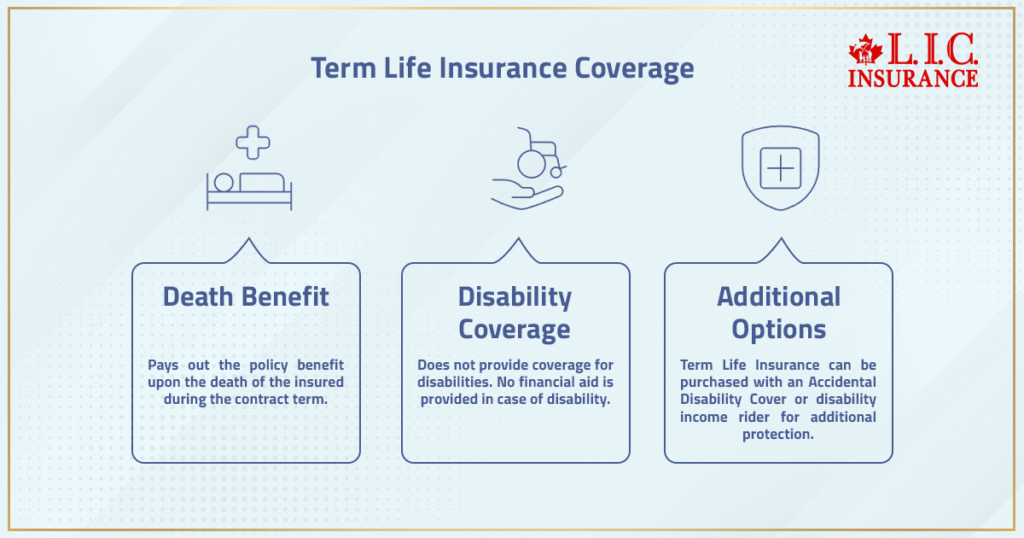
                                                            The most common causes of death in Canada were generally related to chronic diseases and conditions. According to the most recent national data, leading causes of death in Canada include cancer, heart disease, unintentional injuries, stroke, chronic lower respiratory diseases, diabetes, Alzheimer’s disease and other dementias, influenza and pneumonia, and chronic liver disease.

                                                            Common causes of death in Canada at that time included:

                                                            For this reason, Canadian LIC highly advises that Canadians purchase Critical Illness Insurance. The likelihood of developing cancer makes it unnecessary to go without a plan to safeguard your family in the event of the unexpected.

                                                            It’s essential to consult the latest data and reports from organizations such as Statistics 

                                                            Canada or the Canadian Institute for Health Information (CIHI) to obtain the most current information on the leading causes of death in Canada, as trends can evolve over time due to public health efforts and advancements in medical care.

                                                            Why is Canada’s life expectancy so high?

                                                            Canada’s strong life expectancy can be attributed to a number of things, ranging from its health care system to socio-economic conditions to lifestyle and public health interventions. Here are some of the reasons Canada enjoys a high life expectancy:

                                                            Canada’s average life expectancy is quite high; there can also be regional differences within Canada due to socio-economic factors, access to healthcare, lifestyle, etc. Efforts to address these regional variations and to ensure that all Canadians have an opportunity to enjoy long and healthy lives continue.

                                                            Is wealth related to life expectancy in Canada?
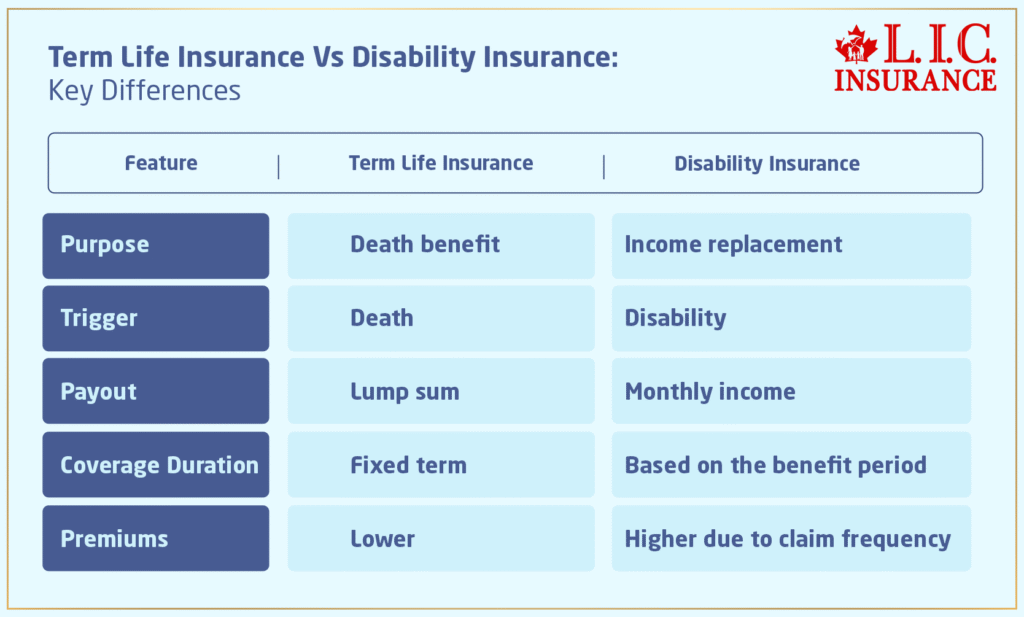
                                                            In Canada, certainly wealth relates to the life expectancy picture, but this relationship is complicated and not directly or solely because of wealth. Here are some of the key factors to keep in mind:

                                                            Still, it is important to note that the connection between wealth and longevity is not a one-size-fits-all truth. Canada’s single-payer healthcare system is designed to ensure that everyone has equal access to healthcare, irrespective of income. Moreover, Canadian public health and social policies are designed to lower health disparities and promote the health of all citizens.

                                                            In Canada, efforts to redress inequalities in health and to increase access to health care and education are ongoing to offer all Canadians, regardless of their socio-economic status, the chance for longer, healthier lives.

                                                            What does life expectancy in Canada have to do with life insurance?

                                                            Life expectancy in Canada is of significant importance in terms of life insurance policies, as it assists insurers in measuring the risks and setting premiums for their clients. Now here’s how life expectancy and life insurance are connected:

                                                            So, life expectancy is important to the insurance world because it allows insurers to estimate the financial risks they take on when they provide you with coverage. The longer a policyholder is likely to live, the less risk for the insurer, which in turn could lead to lower policy premiums.

                                                            On the other hand, people who have some indicators for a lifespan above average  may have higher rates or other terms affixed to policies.

                                                            So, Canada’s life expectancy at birth is an indication of a society that values the welfare of its people. Investment in health care, education, social programs and environmental protection, along with the promotion of positive lifestyles, has resulted in a rising life expectancy. But there are obstacles to ensuring everyone has access to healthcare that is fair and meets the needs of an increasingly older population. With Canada’s ongoing transformation, the focus on health and wellness will further influence the life expectancy in the country.

                                                            To find out more about life insurance, go to our blog page. If you’re wondering why you should best protect your family financially in the future, you can also book a call with one of our trusted insurance advisers.

                                                            Get The Best Insurance Quote From Canadian L.I.C

                                                            Call 1 844-542-4678 to speak to our advisors.

                                                            Canadianlic best insurance quote

                                                            FAQs

                                                            Now we come to some frequently asked questions (FAQs) related to the average life expectancy in Canada:

                                                            The most recently reported national data shows life expectancy at birth at approximately 84.0 years for females and 79.6 years for males.

                                                            It rose slightly (~0.2%) from about 82.72 years in 2024 to 82.88 years in 2026.

                                                            This exceeds the global average (~73.5 years) by nearly 9 years.

                                                            Females live longer on average (approximately 84.0 years) compared to males (approximately 79.6 years).

                                                            Canada’s life expectancy is among the highest in the world and is on par with other developed countries with advanced healthcare systems.

                                                            Canada’s high life expectancy is influenced by factors such as universal healthcare, healthier lifestyles, access to advanced medical technology, and a strong economy.

                                                            Yes, there are regional variations in life expectancy within Canada. Life expectancy can vary by province, territory, and even by specific cities or communities. Socioeconomic factors, access to healthcare, and lifestyle choices can contribute to these variations.

                                                            Canada’s life expectancy has steadily increased over the past century. In the early 1900s, it was around 50 years, but it has since risen due to improvements in healthcare, sanitation, nutrition, and living conditions.

                                                            Canada’s publicly funded healthcare system ensures that citizens and residents have access to necessary medical services without high healthcare costs. Regular medical check-ups, early disease detection, and timely treatment contribute to longer life expectancies.

                                                            Challenges include addressing the needs of an aging population, addressing mental health issues, ensuring equitable access to healthcare services, and managing the rise of chronic diseases.

                                                            Efforts are ongoing to address regional disparities through initiatives to improve socioeconomic conditions, increase healthcare access in underserved areas, and promote healthier lifestyles.

                                                            Canada’s multicultural society promotes social cohesion and inclusivity, which can positively impact mental and emotional health and contribute to longer life expectancies.

                                                            While it’s difficult to predict with certainty, Canada’s commitment to healthcare, education, and well-being suggests a continued focus on maintaining and potentially increasing life expectancy in the future.

                                                            The number of centenarians in Canada continues to rise. The most accurate and current figures are published by Statistics Canada in census and demographic aging reports.

                                                            Statistics Canada routinely publishes demographic data that includes the number of centenarians in its census reports and demographic studies. If you’re looking for the most current and accurate statistics on the centenarian population in Canada, I would suggest looking directly to Statistics Canada, either through their website or in their demography/aging reports and publications.

                                                            The above information is only meant to be informative. It comes from Canadian LIC’s own opinions, which can change at any time. This material is not meant to be financial or legal advice, and it should not be interpreted as such. If someone decides to act on the information on this page, Canadian LIC is not responsible for what happens. Every attempt is made to provide accurate and up-to-date information on Canadian LIC. Some of the terms, conditions, limitations, exclusions, termination, and other parts of the policies mentioned above may not be included, which may be important to the policy choice. For full details, please refer to the actual policy documents. If there is any disagreement, the language in the actual policy documents will be used. All rights reserved.

                                                            Please let us know if there is anything that should be updated, removed, or corrected from this article. Send an email to Contact@canadianlic.com or Info@canadianlic.com

                                                            10 Best Life Insurance Plans For 2026

                                                            Life insurance is a key component of prudent financial planning. It’s more than just a policy; it’s a fundamental element of a comprehensive strategy that secures the financial well-being of your family in the event of your absence. Understanding its importance and the unique landscape of Life Insurance in Canada is essential for anyone looking to secure their family’s financial stability.

                                                            10 Best Life Insurance Plans for 2026

                                                            By Harpreet Puri, January 08, 2026, 8 Minutes

                                                            10 Best Life Insurance Plans

                                                            Life insurance is a key component of prudent financial planning. It’s more than just a policy; it’s a fundamental element of a comprehensive strategy that secures the financial well-being of your family in the event of your absence. Understanding its importance and the unique landscape of Life Insurance in Canada is essential for anyone looking to secure their family’s financial stability.

                                                            Importance of Life Insurance

                                                            Life insurance transcends the mere notion of a financial transaction. It is, in essence, a promise – a promise to protect and provide for your loved ones when you’re no longer able to do so. This 

                                                            Coverage is vital for a lot of reasons:

                                                            Financial Security: At the time of an unexpected passing, Life Insurance ensures that your family can maintain their standard of living, pay off debts, and cover any immediate expenses, including funeral costs.

                                                            Income Replacement: For many families, the loss of a breadwinner can be devastating. Life Insurance acts as a substitute for lost income, helping your family meet ongoing financial obligations.

                                                            Educational Costs: It can provide for your children’s education, ensuring that your dreams for their future are not compromised.

                                                            Estate Planning: Life Insurance holds a crucial position in the realm of estate planning. It can be utilized in paying estate taxes, thus protecting your assets and legacy.

                                                            Peace of Mind: Most importantly, possessing a Life Insurance plan brings peace of mind. The knowledge that your family and loved ones will be financially secure in your absence can significantly reduce your worries.

                                                            Overview of Life Insurance in Canada

                                                            The Life Insurance landscape in Canada is diverse and well-regulated, offering a wide range of options to cater to various needs:

                                                            Market Diversity: The Life Insurance sector in Canada features a diverse blend of both local and global insurance providers, offering an extensive range of products, including Whole Life, Universal Life, Term Life, and Variable Life Insurance policies.

                                                            Regulatory Environment: The industry is closely regulated by provincial and federal agencies, ensuring the solvency and ethical conduct of insurers. This regulation provides a high level of protection for policyholders.

                                                            Innovative Products: Canadian insurers are known for their innovative and flexible products, which cater to a variety of demographics and financial situations. This includes tailored term life insurance plans for different age groups, health conditions, and financial goals.

                                                            Financial Literacy and Support: There is a strong emphasis on consumer education, with many resources available to help individuals understand their options and make informed decisions.

                                                            Competitive Landscape: The competitive nature of the Canadian Life Insurance market means consumers have the benefit of choice and can find plans that offer the best value for their specific needs.

                                                            Understanding the importance of Life Insurance and the nuances of the Canadian market is crucial for anyone looking to invest in their family’s financial future. This foundation sets the stage for exploring the top 10 Life Insurance plans in Canada, each offering unique benefits to meet diverse needs and priorities.

                                                            Understanding Life Insurance

                                                            Navigating the world of Life Insurance can be complex, but understanding its basics is essential for making informed decisions. Here, we break down what Life Insurance is, why it’s important, and the various types available to Canadians.

                                                            Definition and Importance of Life Insurance

                                                            What is Life Insurance?

                                                            Life insurance represents a legal agreement between a person (the policyholder) and an insurance firm. In this agreement, the insurance company commits to paying a specified amount, termed as a death benefit, to the beneficiaries designated by the policyholder upon their death. This is in return for the premiums the policyholder pays throughout their life.

                                                            Why is Life Insurance Important?

                                                            The importance of Life Insurance is immense. Its primary purpose is to provide financial security for your dependents should something unforeseen happen to you. Here are some key reasons why Life Insurance is vital:

                                                            Debt Settlement: It can be used to pay off debts, including mortgages, car loans, and credit cards, ensuring your family doesn’t inherit your financial burdens.

                                                            Income Replacement: For families reliant on your income, the death benefit acts as a financial safety net, helping them maintain their lifestyle and meet daily expenses.

                                                            Wealth Transfer: Life Insurance is an effective tool for estate planning, allowing for a tax-efficient transfer of wealth to the next generation.

                                                            Charitable Contributions: If inclined, you can name a charity as a beneficiary, making it a tool for philanthropy.

                                                            Business Planning: In a business context, Life Insurance can ensure continuity by providing funds for buy-sell agreements or key person insurance.

                                                            Types of Life Insurance

                                                            In Canada, a variety of Life Insurance types are available, each catering to different needs and financial situations:

                                                            Term Life Insurance:

                                                            Definition: Term Life Insurance provides coverage for a specific period (the term), typically ranging from 10 to 30 years. This form of Life Insurance is simple: if you pass away during the term, your beneficiaries will receive the death benefit.

                                                            Suitability: Ideal for those looking for affordable, short-term coverage, like parents with young children or individuals with temporary debt (like a mortgage).

                                                            Whole Life Insurance:

                                                            Definition: Whole Life Insurance offers lifetime coverage, combining a death benefit with a savings component. A portion of your premium builds up as cash value, which you can either borrow against or withdraw.

                                                            Suitability: Suitable for those seeking lifelong coverage and an investment component, such as individuals looking to accumulate wealth for retirement or estate planning.

                                                            Universal Life Insurance:

                                                            Definition: This type of insurance is a more flexible form of Whole-Life Insurance. It makes it possible for you to vary your premium payments and adjust the death benefit while part of your premium is invested, offering the potential for cash value growth.

                                                            Suitability: Ideal for those desiring flexibility and an investment opportunity, such as business owners or individuals with fluctuating income.

                                                            Variable Life Insurance:

                                                            Definition: Variable Life Insurance combines death protection with an investment fund. The value of the death benefit and cash accumulation may vary depending on how your chosen investments perform. In 2026, Variable Life Insurance is considered a niche product in Canada and is typically suitable only for experienced investors with high risk tolerance, as many insurers limit its availability due to regulatory scrutiny and market volatility.

                                                            Suitability: Ideal for individuals knowledgeable about investments and ready to accept greater risk in pursuit of potentially higher returns.

                                                            Becoming familiar with the various types of Life Insurance enables you to determine the option that aligns most closely with your financial objectives and personal circumstances. Each type offers unique benefits and serves different purposes, making it crucial to assess your needs carefully before making a choice.

                                                            Factors to Consider When Choosing a Life Insurance Plan

                                                            Choosing the appropriate Life Insurance plan is a vital decision that demands thoughtful reflection on a range of important factors. Understanding your coverage needs, budget constraints, and the intricacies of policy terms and conditions can guide you in choosing a plan that best suits your situation.

                                                            Coverage Needs: The first step in choosing a Life Insurance plan is determining how much coverage you need. This depends on several personal factors:

                                                            Dependents: Consider the number of people who depend on your income. More dependents typically mean you’ll need a higher coverage amount.

                                                            Income Replacement: Determine the amount of income necessary for your family to sustain their current lifestyle if you’re not around. Take into account your present earnings and the duration for which your family will require financial support.

                                                            Debts and Obligations: Factor in any debts, such as mortgages or loans, that your family would need to pay off.

                                                            Future Financial Goals: Think about future expenses like your children’s education or retirement plans for your spouse.

                                                            End-of-Life Expenses: Include potential costs like funeral expenses and estate taxes.

                                                            Budget Considerations.

                                                            While you want to ensure adequate coverage, it’s also important to consider what you can realistically afford in terms of premiums:

                                                            Premium Costs: Compare the costs of premiums for different plans. Remember, Term Life Insurance generally has lower premiums compared to whole or Universal Life Insurance.

                                                            Income Stability: Consider your current and future income stability. Opt for a premium that you can manage comfortably without straining your finances.

                                                            Premium Structure: Some policies offer fixed premiums, while others may increase over time. Choose a structure that aligns with your financial planning.

                                                            Long-Term Affordability: Ensure that the premiums are affordable not just now but also in the future, especially if they are subject to increase.

                                                            Policy Terms and Conditions

                                                            Understanding the fine print of any Life Insurance policy is critical:

                                                            Policy Duration: For Term Life Insurance, choose a duration that covers your most financially vulnerable years. For permanent Life Insurance, consider how the policy fits into your long-term financial plans.

                                                            Exclusions and Limitations: Be mindful of any exclusions or specific circumstances where the policy may not provide a payout, like particular causes of death or certain health conditions.

                                                            Riders and Add-Ons: Consider additional protection options, like riders for critical illness or disability, which can enhance your coverage.

                                                            Flexibility: Look at the policy’s flexibility in terms of changing your coverage or beneficiaries and assess how it aligns with potential life changes.

                                                            Surrender Charges and Penalties: Understand the costs or penalties if you choose to surrender or cancel your policy.

                                                            By carefully considering these factors, you can pick a Life Insurance plan that provides the necessary protection within your budget while also fitting into your overall financial strategy. This thoughtful approach ensures that your Life Insurance plan is not just a purchase but a pivotal part of your long-term financial well-being.

                                                            Overview of the Canadian Life Insurance Market

                                                            The Life Insurance landscape in Canada is dynamic and robust, characterized by its resilience and adaptability to changing market conditions and consumer needs. Understanding the trends shaping this industry and the major players in the market is crucial for anyone considering Life Insurance.

                                                            Market Trends

                                                            Several key trends are currently influencing the Life Insurance market in Canada:

                                                            Increased Digitalization: The Life Insurance industry is increasingly embracing technology. Online platforms for policy management, digital underwriting processes, and the use of AI for personalized policy recommendations are becoming more common.

                                                            Focus on Customer-Centric Products: There’s a growing trend towards customer-centric product design. Insurers are offering more tailored products, such as policies catering to specific health conditions or lifestyle choices.

                                                            Rise in Health and Wellness Programs: Numerous insurance companies are incorporating health and wellness initiatives into their products, offering incentives for maintaining a healthy lifestyle, which can subsequently result in reduced premium costs.

                                                            Demand for Flexible Policies: Flexibility in policy terms, coverage options, and payment plans is increasingly important to consumers, leading to more customizable insurance products.

                                                            Regulatory Changes: The regulatory landscape in Canada continues to evolve, with a focus on improving the transparency and understanding of insurance products for consumers.

                                                            Leading Life Insurance Companies

                                                            The Canadian Life Insurance market features numerous prominent companies, each offering a variety of products and services:

                                                            Manulife Financial Corporation: Manulife, among the biggest Life Insurance firms in Canada, provides an extensive array of Life Insurance options, such as term, whole, and Universal Life Insurance, alongside health and investment products.

                                                            Sun Life Financial: Known for its comprehensive range of life and health insurance products, Sun Life also provides wealth management solutions.

                                                            Great-West Lifeco: Great-West Lifeco operates primarily as a holding company, with most individual life insurance products now marketed and issued under Canada Life.

                                                            Canada Life Insurance Company: Part of Great-West Lifeco, Canada Life offers a variety of Life Insurance products, focusing on flexibility and customization to meet individual needs.

                                                            Desjardins Group: As one of the major players in the Canadian insurance market, Desjardins provides a range of life and health insurance products catering to both individual and group clients.

                                                            Empire Life Insurance Company: Empire Life Insurance is known for its customer-focused approach, offering a variety of Life Insurance products, including term, whole, and critical illness insurance.

                                                            Each of these companies brings its unique strengths and product offerings to the table, contributing to a diverse and competitive market landscape. It’s essential to investigate and contrast the offerings of these top companies when selecting a Life Insurance Plan, to ensure you find the one that most suitably matches your personal requirements.

                                                            Top Life Insurance Policies Available in Canada

                                                            Plan Number and NameDetailed Overview and Specific FeaturesProsCons
                                                            Plan 1: Manulife Term Life InsuranceFlexible term lengths, renewable and convertible, optional riders for critical illness and disability.High customization, renewable without medical requalification, convertible to permanent insurance.Premiums may increase upon renewal, with added cost for riders.
                                                            Plan 2: Sun Life Go Simplified Term Life InsuranceSimplified application, no medical exam for lower coverage amounts.Ideal for those with health issues, quick application process.Higher premiums, and limited coverage without a medical exam.
                                                            Plan 3: Canada Life Term InsuranceVarious term lengths, an option to convert to permanent insurance, and the potential for dividends.Versatile for different life stages, potential for cash value accumulation.Complexity of options and higher premiums compared to basic term life plans.
                                                            Plan 4: Great-West Lifeco Universal Life InsuranceInvestment component, adjustable premiums and coverage.Financial flexibility, investment growth potential.Requires active management, a higher cost than pure Life Insurance.
                                                            Plan 5: Desjardins Term Life InsuranceRenewable terms, optional critical illness rider.Budget-friendly, straightforward coverage.Limited investment potential, basic coverage without riders.
                                                            Plan 6: Empire Life Solution SeriesWide range of term options, convertible to permanent insurance.Tailored coverage for specific needs, convertible to permanent insurance.Premiums increase for longer terms, more expensive than basic term life.
                                                            Plan 7: RBC Simplified Term Life InsuranceSimple application, with no medical exam for most applicants, and terms of 10, 15, or 20 years.Easy application, suitable for a wide range of applicants.Limited coverage options and higher premiums for convenience.
                                                            Plan 8: BMO Term Life InsuranceCompetitive pricing, various term options, and online application.Cost-effective, easy online process.Less personalized service, basic coverage.
                                                            Plan 9: IA Financial Group Term Life InsuranceFlexible terms, renewable and convertible, multiple rider options.The high degree of customization, and adaptability to changing needs.Potentially higher cost for added features and riders.
                                                            Plan 10: Foresters Financial Term Life InsuranceMember benefits, range of term options, convertible policies.Extra member benefits, range of term options.Focus on additional benefits may affect premium pricing.

                                                            Navigating the array of Life Insurance options available in Canada can be daunting. To simplify this process, we’ve compiled a comparison of the top 10 Life Insurance plans.

                                                            Plan 1: Manulife Term Life Insurance

                                                            Detailed Overview: Manulife’s Term Life Insurance plans are known for their adaptability to individual needs. These plans offer a range of term lengths and come with features that allow for renewal and conversion to permanent Life Insurance, catering to changing life circumstances.

                                                            Specific Features: Options to add riders for critical illness and disability, offering additional protection; flexible coverage amounts to suit various financial requirements.

                                                            Pros: High level of customization to fit individual needs; option to renew without undergoing medical requalification; capability to convert to a permanent plan, providing long-term security.

                                                            Cons: Premiums may increase significantly upon renewal, making long-term costs unpredictable; additional riders, while beneficial, can significantly increase the overall cost.

                                                            Plan 2: Sun Life Go Simplified Term Life Insurance

                                                            Detailed Overview: This plan from Sun Life is designed for simplicity and speed, requiring no medical examination for coverage under a certain amount. It’s an ideal choice for those who need insurance coverage quickly and have minor health issues that might complicate a standard insurance application.

                                                            Specific Features: Fast application process; immediate coverage for lower amounts without the need for a medical exam.

                                                            Pros: Well-suited for individuals with pre-existing health conditions; streamlined and quick application process; immediate coverage.

                                                            Cons: Higher premium rates compared to policies that require medical exams.Simplified issue policies may also include graded death benefits and lower maximum coverage amounts compared to fully underwritten policies.

                                                            Plan 3: Canada Life Term Insurance

                                                            Detailed Overview: Canada Life offers a term insurance plan with a variety of term lengths, providing flexibility and the option to convert to permanent insurance. This plan is known for its adaptability to various life stages and financial goals.

                                                            Specific Features: Multiple term options are available, there is the potential to earn dividends, and there is an option to convert to permanent life insurance.

                                                            Pros: It is versatile enough to suit different life stages and financial objectives; it has the potential for accumulating cash value, adding an investment aspect to the insurance.

                                                            Cons: Term policies do not accumulate cash value or dividends; dividends are only available on participating whole life policies.

                                                            Plan 4: Canada Life Universal Life Insurance

                                                            Detailed Overview: This plan integrates Life Insurance Coverage with an investment component, offering a blend of financial protection and growth potential. It’s designed for individuals looking for both insurance coverage and an investment opportunity.

                                                            Specific Features: Adjustable premiums offering flexibility in payment; a tax-advantaged savings component; benefits for estate planning.

                                                            Pros: Potential for investment growth; flexibility in premium payments; suitable for long-term financial and estate planning.

                                                            Cons: Requires active management to maximize investment benefits; generally, higher costs compared to straightforward Life Insurance products.

                                                            Plan 5: Desjardins Term Life Insurance

                                                            Detailed Overview: Desjardins‘ Term Life Insurance offers renewable terms, providing an affordable option for those seeking basic Life Insurance coverage. This plan is straightforward and can be enhanced with optional riders.

                                                            Specific Features: Affordable premiums; renewable terms; optional coverage enhancements like critical illness.

                                                            Pros: Budget-friendly, making it accessible to a wide range of consumers; simple and straightforward coverage; optional riders for added protection.

                                                            Cons: Limited potential for investment growth; basic coverage may not suffice for those with more complex financial needs.

                                                            Plan 6: Empire Life Solution Series

                                                            Detailed Overview: The Solution Series from Empire Life offers a wide range of term lengths, all of which are convertible to permanent insurance. This series is tailored to meet specific coverage needs and provides flexibility for changing life circumstances.

                                                            Specific Features: Customizable coverage durations to fit different life stages; policies are convertible to permanent Life Insurance.

                                                            Pros: Tailored coverage that can adapt to specific individual needs; option to convert to permanent insurance, offering long-term security.

                                                            Cons: Premiums tend to increase with longer-term lengths; they are generally more expensive than basic Term Life Insurance options.

                                                            Plan 7: RBC Simplified Term Life Insurance

                                                            Detailed Overview: RBC’s simplified Term Life Insurance is designed for quick and easy coverage. It offers a straightforward application process, making it ideal for those who need insurance coverage promptly.

                                                            Specific Features: Simple application process; no medical exams required for most applicants; terms of 10, 15, or 20 years available.

                                                            Pros: Easy and fast application process; suitable for a wide range of applicants, including those who might not qualify for traditional Life Insurance.

                                                            Cons: Limited options in terms of coverage; higher premiums for the convenience. These policies are designed for speed and accessibility but may involve higher cost per $1,000 of coverage and lower maximum face amounts in 2026.

                                                            Plan 8: BMO Term Life Insurance

                                                            Detailed Overview: BMO’s Term Life Insurance is characterized by its competitive pricing and straightforward online application process. It’s designed for those seeking an uncomplicated, cost-effective Life Insurance solution.

                                                            Specific Features: A range of term options to suit different coverage needs; competitive rates; easy online application process.

                                                            Pros: Cost-effective solution for basic Life Insurance needs; quick and straightforward online application process.

                                                            Cons: Primarily a digital-first experience, which may appeal less to consumers seeking in-person advisory support.

                                                            Plan 9: IA Financial Group Term Life Insurance

                                                            Detailed Overview: IA Financial Group offers flexible Term Life Insurance that can be renewed and converted. This plan is designed for those seeking a customizable insurance solution with the ability to adapt as their life circumstances change.

                                                            Specific Features: Flexible terms with options to renew and convert; multiple rider choices for added protection.

                                                            Pros: High degree of customization to suit changing needs and preferences; the option to add riders for additional coverage.

                                                            Cons: The cost can be higher due to the added features and flexibility offered; the complexity of choices may be daunting for some.

                                                            Plan 10: Foresters Financial Term Life Insurance

                                                            Detailed Overview: Foresters Financial provides Term Life Insurance with unique member benefits, catering to individuals looking for more than just basic Life Insurance coverage.

                                                            Specific Features: Member benefits such as scholarships and community grants; convertible policies; a range of term options to suit different needs.

                                                            Pros: Additional member benefits provide extra value; a range of term options are available for tailored coverage.

                                                            Cons: Member benefits may influence premium pricing, though competitiveness varies by age band and coverage amount.

                                                            These detailed reviews provide a comprehensive view of each plan, helping you to understand the nuances and specifics that distinguish each option in the Canadian Life Insurance market.

                                                            How to Apply for a Life Insurance Plan

                                                            Applying for a Life Insurance plan is a critical step in securing financial protection for your loved ones. Understanding the application process and the documents required can make this step smoother and more efficient.

                                                            Application Process

                                                            Research and Compare: Begin by researching different Life Insurance plans. Compare their features, benefits, and life insurance premiums to find the one that best suits your needs.

                                                            Choose a Plan: Once you’ve selected a Life Insurance plan, you can typically start the application process online, over the phone, or through an insurance agent.

                                                            Fill Out the Application Form: The application process will necessitate details like your age, gender, medical background, lifestyle practices (such as smoking or drinking), and financial data.

                                                            Medical Examination (If Required): Some Life Insurance policies require a medical exam. The insurance company usually arranges for a medical professional to visit your home or office for this purpose.

                                                            Answer Health Questions: Be prepared to answer detailed questions about your health. Accuracy is crucial, as incorrect information can affect your coverage.

                                                            Wait for Approval: Once you have submitted your application and undergone any necessary medical examinations, the insurance firm will evaluate your application. The duration of this review can range from several days to a few weeks.

                                                            Policy Delivery: Upon approval of your application, the insurer will issue your policy. It’s important to thoroughly examine it to verify the accuracy of all details and to ensure you comprehend the terms and conditions.

                                                            First Premium Payment: Your coverage typically starts after you make your first premium payment.

                                                            Required Documents

                                                            Identification: Valid government-issued identification, such as a driver’s license or passport, to verify your identity.

                                                            Medical Records: Access to your medical history may be required, especially for policies that demand a medical exam.

                                                            Financial Information: Proof of income and financial documents may be necessary to justify the amount of coverage you are applying for.

                                                            Beneficiary Information: Details of the person or persons who will be the beneficiaries of the policy. This includes names, addresses, and relationships to the policyholder.

                                                            Other Documentation: As per the insurer and the type of policy, additional documentation such as a driving record, employment information, or lifestyle details may be required.

                                                            To Sum Up

                                                            Summary of Key Points

                                                            Importance of Life Insurance: Life Insurance is a crucial component of financial planning, offering peace of mind and security for your family’s future.

                                                            Diverse Canadian Market: The Life Insurance market in Canada is strong and varied, offering an array of choices from term life to Universal Life Insurance to meet different requirements.

                                                            Top 10 Life Insurance Plans: The detailed comparison of the top 10 Life Insurance plans in Canada provides a comprehensive view of the options available, highlighting their features, benefits, and potential drawbacks.

                                                            Application Process: Understanding the application process and the necessary documents required is vital for a smooth and efficient experience.

                                                            Personal Needs and Preferences: Choosing the right Life Insurance plan depends heavily on individual needs, financial situations, and personal preferences.

                                                            Facilitating Family Unity

                                                            Assess Your Needs: Carefully evaluate your individual and family needs, financial obligations, and future goals to determine the type and amount of coverage required.

                                                            Do Your Research: Compare different Life Insurance plans, considering factors like coverage, premiums, policy terms, and additional benefits. Utilize online tools and consult with insurance professionals if needed.

                                                            Consider Long-Term Implications: Look beyond immediate needs and consider the long-term implications of your Life Insurance policy, especially how it fits into your overall financial strategy.

                                                            Read the Fine Print: Comprehend the terms and provisions outlined in your policy. Pay attention to details like policy exclusions, premium increases, and conversion options.

                                                            Review Regularly: Life Insurance needs can change over time. Periodically assess and revise your policy to ensure it remains aligned with your evolving requirements.

                                                            Apply Sooner Rather Than Later: Generally, Life Insurance premiums increase with age and changing health conditions. Applying earlier in life can often secure more favourable rates.

                                                            Plan for the Future: Remember, Life Insurance is not just about covering debts or replacing income; it’s also a tool for estate planning, ensuring a legacy for your beneficiaries.

                                                            By taking these recommendations into account, you can make an informed decision about Life Insurance, ensuring that you choose a plan that offers the best protection for your unique circumstances. Life Insurance is more than just a policy; it’s a key pillar of a sound financial plan that provides security and peace of mind for you and your loved ones.

                                                            Get The Best Insurance Quote From Canadian L.I.C

                                                            Call 1 844-542-4678 to speak to our advisors.

                                                            Canadianlic best insurance quote

                                                            FAQ's

                                                            Life insurance protects your family if your income disappears unexpectedly. It helps cover daily living costs, debts, education expenses, and long-term financial goals so your family doesn’t have to scramble during a difficult time.

                                                            Coverage depends on your income, debts, dependents, and future goals like education or retirement. A simple rule is to cover 10–15 times your annual income, but personal factors always matter more than formulas.

                                                            Term life covers you for a fixed period and is usually more affordable. Permanent life insurance lasts your entire life and can include cash value or investment features, making it useful for estate and long-term planning.

                                                            Term life insurance is often the go-to choice for young families because it offers high coverage at lower premiums during the years when financial responsibilities are highest.

                                                            Whole life insurance makes sense if you want lifelong coverage, predictable premiums, and a savings component. It’s often used for estate planning, wealth transfer, or long-term financial stability rather than short-term needs.

                                                            Many term policies allow conversion to permanent insurance without medical exams. However, flexibility varies by plan, so checking conversion options before buying is critical.

                                                            Not always. Some simplified or no-medical plans exist, especially for lower coverage amounts. These are faster to get but usually come with higher premiums or lower coverage limits.

                                                            As you age, health risks naturally increase, making insurance more expensive. Locking in coverage earlier often results in significantly lower lifetime costs.

                                                            Most policies offer a grace period. If premiums remain unpaid beyond that, coverage may lapse. Permanent policies may use cash value temporarily, but relying on that isn’t a long-term strategy.

                                                            In most cases, life insurance death benefits are paid tax-free to beneficiaries. This makes life insurance a powerful tool for income replacement and estate planning.

                                                            Yes. Life insurance can help cover estate taxes, equalize inheritances, and pass wealth efficiently to beneficiaries without forcing asset sales.

                                                            You should review your policy every few years or after major life events like marriage, children, buying a home, or career changes to ensure coverage still matches your needs.

                                                            The above information is only meant to be informative. It comes from Canadian LIC’s own opinions, which can change at any time. This material is not meant to be financial or legal advice, and it should not be interpreted as such. If someone decides to act on the information on this page, Canadian LIC is not responsible for what happens. Every attempt is made to provide accurate and up-to-date information on Canadian LIC. Some of the terms, conditions, limitations, exclusions, termination, and other parts of the policies mentioned above may not be included, which may be important to the policy choice. For full details, please refer to the actual policy documents. If there is any disagreement, the language in the actual policy documents will be used. All rights reserved.

                                                            Please let us know if there is anything that should be updated, removed, or corrected from this article. Send an email to Contact@canadianlic.com or Info@canadianlic.com

                                                            2026 Average Term Life Insurance Rate Chart By Age: What Canadians Need To Know

                                                            2026 Average Term Life Insurance Rate Chart By Age: What Canadians Need To Know

                                                            Average Term Life Insurance Rate Chart By Age and What Canadians Need To Know
                                                            Canadian LIC

                                                            By Harpreet Puri

                                                            CEO & Founder

                                                            SUMMARY

                                                            An in-depth guide on the average term life insurance rates in Canada, highlighting how age impacts premiums. It covers rates for various age groups, from 20 to 80, with details on how life insurance premiums increase as individuals age. The blog also explains other influencing factors such as health, lifestyle, and coverage amount, offering tips on how to secure affordable premiums. Canadian LIC provides personalized support to help clients find the best term life insurance policy suited to their needs.

                                                            INTRODUCTION

                                                            Questions regarding Life Insurance costs always characterize its decisions. To a lot of Canadians, the cost of life insurance is a stumbling block in determining an affordable rate. When individuals consider their need to protect their loved ones, Term Life Insurance Quotes Online helps them realize that people have several Life Insurance options based on age, coverage, and lifestyle. We have seen here at Canadian LIC all sorts of clients come in with different goals and needs, newly hired professionals building a financial future for retirees, and considering extra coverage for the family’s stability. Herein lies the question: how does age affect Term Life Insurance Rates in Canada?

                                                            In this article, we will break down the best Term Life Insurance Rates by Age Chart based on Canadian market averages for 2026. Knowing how these Canadian Term Life Insurance Rates change with the increase in age can be helpful for you when making decisions about when to purchase life insurance and why there may be changes in your rates. Using relatable stories from our everyday interactions, we will explain some of the nuances of Canadian Term Life Insurance Rates and why you should not delay taking up a Canadian Term Life Insurance Policy.

                                                            Understanding Canadian Term Life Insurance Rates in Canada

                                                            Understanding Term Life Insurance Rates in Canada

                                                            Term Life Insurance is one of the most popular types of coverage, and it offers the most affordable options for Canadians. It pays a certain death benefit over a set period, such as 10 to 50 years. The Life Insurance Premium is purely based on a fixed rate basis that appears to rely heavily on your age, health, and coverage amount.

                                                            While researching Term Life Insurance Quotes Online, you will find that rates skyrocket with age; this is the simple reason why older applicants generally present an increasing risk. Here is a good example: Canadian LIC often recommends that its younger clients secure it at a lower rate early, as the Term Life Insurance Cost tends to go higher as the person grows older. Of course, it’s not just about age; health and lifestyle factors come into play. Here’s a summary of Term Life Insurance Rates by age in Canada.

                                                            Average Term Life Insurance Rates by Age in Canada

                                                            To help you get a clearer picture, here’s a breakdown of the average monthly Term Life Insurance Cost by age based on a $500,000 Term Life Insurance Policy, 20-year term, non-smoker, Canadian resident (2026 estimates):

                                                            1. Ages 20–30: A healthy 25-year-old might pay around $18–$28 per month. Rates are lower because younger individuals pose a lower risk.
                                                            2. Ages 31-40: A healthy 35-year-old can expect to pay between $30–$42 per month.
                                                            3. Ages 41-50: A healthy 45-year-old may pay $55–$75 per month, depending on health and insurer.
                                                            4. Ages 51-60: A 55-year-old can expect monthly premiums between $90–$140 per month, subject to medical history.
                                                            5. Ages 61 and Above: A healthy 65-year-old might pay $140–$220 per month. Many clients choose shorter terms or lower coverage amounts at this stage.

                                                            These figures are general averages and may vary widely depending on insurer, health, lifestyle, and specific terms in a policy. Remember these numbers when obtaining Term Life Insurance Quotes Online, as the individual’s actual rate will vary from this estimate.

                                                            Factors That Affect Term Life Insurance Rates

                                                            Beyond age, several other key factors influence the rates for Term Life Insurance Canada. Understanding these factors can help you take control of your premiums:

                                                            • Health Status: Good health often leads to better insurance rates. For instance, non-smokers with healthy lifestyles tend to receive lower quotes than those with medical conditions or smoking habits. Canadian LIC frequently encourages clients to take medical exams, which can help determine the most accurate rate.
                                                            • Coverage Amount: Higher coverage amounts mean higher monthly premiums. Some clients opt for a lower coverage amount if they need to manage Term Life Insurance Prices by Age, while others see the benefits of a larger payout for their family’s future.
                                                            • Policy Term Length: The longer the term, the higher the Term Life Insurance Cost. A 30-year term will have a higher premium than a 10-year term, given the extended coverage. Many of our clients choose their term based on life stages, such as having young children or nearing retirement.
                                                            • Gender: Statistically, women tend to live longer than men, which is often reflected in slightly lower life insurance premiums for female applicants.

                                                            How Canadian LIC Helps Canadians Choose the Right Term Length

                                                            The most common question we receive at Canadian LIC is whether the Canadian Term Life Insurance Policy term should be one year, 10 years, or 20 years. Clients often tend to be very confused as to whether a 10-year, 20-year, or 50-year policy would be suitable for them. Typically, younger clients or those with specific time-bound financial goals take advantage of longer terms.

                                                            For example, a 32-year-old father of two preferred a 10-year term that would pay his mortgage and ensure future security for his family. Later, he agreed to pay for a 20-year term simply because that would really be the balance of affordability within the long period of coverage. These tailor-made solutions do indeed make our clients feel secure and sure about their choices.

                                                            When Should You Buy Term Life Insurance?

                                                            It is wise to buy Term Life Insurance Plan early because, as mentioned above, younger applicants get better rates, while waiting till later in life can double or triple premiums. For instance, clients in their 20s and 30s who enter into Canadian LIC get locked in at a cheap rate that does not change over the term.

                                                            For instance, let’s consider the case of a 28-year-old female not interested in tying herself to a Term Life Insurance product. After weighing all her alternatives, she finally purchased a 30-year Term Life Insurance. She did that so that she could capture lower rates and would not have to purchase another policy later at much higher rates.

                                                            Comparing Term Life Insurance Rates in Canada

                                                            In an attempt to find Term Life Insurance Quotes, especially while looking online, one comes up with a feeling of humongous choice. Let Canadian LIC help you find the best competitive quotes suited to your needs. Comparing quotations from several life insurers can save you thousands of dollars, but what is equally important is to figure out the policy features, exclusions, and extra Term Life Insurance Costs.

                                                            For instance, in the mid-40s couple, we had a pair that had already perused various quotes from different providers, and by reviewing their needs, lifestyle, and financial goals, we were able to narrow the field further, resulting in not only a better rate but also a much better coverage policy than they found on their own.

                                                            Tips for Lowering Your Term Life Insurance Premiums

                                                            There are several strategies you can use to make Term Life Insurance more affordable:

                                                            • Opt for a Shorter Term: If you only need coverage for a specific period, such as until your children graduate, a shorter term could lower your premiums.
                                                            • Maintain a Healthy Lifestyle: Regular exercise, a healthy diet, and avoiding smoking can positively impact your rates. Some providers offer rate reductions for policyholders who meet certain health milestones.
                                                            • Consider Annual Premiums: Paying annually instead of monthly can sometimes result in a discount.

                                                            At Canadian LIC, we support our clients through these savings options and give them some ideas on how to save. We support young families with a new baby on the way, as well as retirees, and assist Canadians in finding policies that are easy on their budget.

                                                            Average Monthly Term Life Insurance Chart (2026, $500,000 Coverage, Non-Smoker)

                                                            AgeMen (Monthly)Women (Monthly)
                                                            25$20–$28$17–$24
                                                            35$30–$42$26–$36
                                                            45$55–$75$45–$65
                                                            55$95–$140$80–$120
                                                            65$140–$220$115–$190

                                                            Final Thoughts: Why Act on Term Life Insurance with Canadian LIC Today

                                                            As you can see, Term Life Insurance Quotes in Canada vary widely based on age, coverage amount, and other individual factors. The big decision really does need to be made with timing in mind – the longer that you wait, the more expensive it will be and the fewer options you’ll have.

                                                            This is a process we make as straightforward and supportive as possible at Canadian LIC. We assist our clients in understanding the factors behind the best Term Life Insurance Rates by Age Chart to ensure that they get a policy that suits their needs and budget. Do you want to begin your path for Term Life Insurance or lock in a rate? Then you can contact Canadian LIC, which is the best insurance Brokerage committed to providing you with the most reliable advice, rates, and financial security for you and those around you.

                                                            Get The Best Insurance Quote From Canadian L.I.C
                                                            Call +1 844-542-4678 to speak to our advisors.
                                                            Get Quote Now

                                                            FAQs: 2026 Average Term Life Insurance Rates by Age in Canada

                                                            Term Life Insurance Rates tend to increase as you age. For example, a 30-year-old will usually pay less for the same coverage than someone who is 50. At Canadian LIC, we see many clients in their 20s and 30s who want to lock in lower rates early. Waiting too long can mean higher Term Life Insurance Prices by Age and limited options.

                                                            Younger people generally have lower health risks, which results in lower Term Life Insurance Rates. Insurers view younger applicants as less likely to make a claim soon, so they offer more affordable premiums. At Canadian LIC, we often encourage younger clients to secure a Term Life Insurance Policy to take advantage of these lower rates.

                                                            Yes, you can easily get Term Life Insurance Quotes Online. By providing basic information, such as your age, coverage amount, and term length, you can quickly receive an estimate. Many of our clients start with online quotes to get a general idea of rates before discussing specific options with us at Canadian LIC.

                                                            Your health plays a big role in determining your Term Life Insurance Rates. A medical exam may be required to assess factors like blood pressure, cholesterol, and any underlying conditions. Non-smokers and those with healthy habits usually get lower rates. At Canadian LIC, we guide clients on how lifestyle choices impact their Term Life Insurance Policy and help them find the best options available.

                                                            While there’s no single best age, many people benefit from buying Canadian Term Life Insurance in their 20s or 30s. At this stage, rates are lower, and you’re more likely to lock in an affordable premium. Canadian LIC often works with young professionals who recognize that starting early can save them money and secure long-term financial protection.

                                                            Some Term Life Insurance policies allow you to increase coverage later, but this can depend on your provider and policy type. At Canadian LIC, we help clients understand options that might allow additional coverage if their financial needs grow. However, if you add coverage later, you may pay higher rates, as they will be based on your age and health at that time.

                                                            Generally, a 20-year term policy has higher rates than a 10-year policy because of the extended coverage. Many clients choose longer terms for more consistent protection, especially if they have young children or long-term financial commitments. At Canadian LIC, we help clients weigh the benefits of each term length based on their unique situations.

                                                            Yes, Term Life Insurance Rates in Canada can differ by gender. Women often receive lower rates because they statistically have a longer life expectancy. This rate difference varies between providers. Canadian LIC provides clients with quotes that consider gender factors, helping them make the most informed decision.

                                                            Online quotes provide a helpful estimate, but your actual rate may differ based on a full assessment of your health and lifestyle. At Canadian LIC, we find that clients benefit from initial online quotes but gain a better understanding of their true rates through a more detailed evaluation.

                                                            Your Term Life Insurance Rates are generally fixed once you start a policy. However, if you quit smoking or make significant health improvements, you may qualify for lower rates by reapplying for a new policy. Canadian LIC works with clients interested in reevaluating their policies, especially if they’ve made positive health changes.

                                                            The coverage you choose should reflect your financial obligations, including debts, mortgages, and family needs. Many clients at Canadian LIC select coverage that equals 5-10 times their annual income. We discuss each client’s financial situation to recommend a coverage amount that ensures their family’s security.

                                                            Smoking increases health risks, so insurers often charge higher Life Insurance Premiums to smokers. Canadian LIC advises clients who smoke on potential rate increases and encourages them to consider quitting to secure lower premiums. Non-smokers can usually benefit from significantly reduced rates.

                                                            Yes, the longer the term, the higher your monthly premium will be. A 30-year Term Life Insurance Policy, for instance, costs more than a 10-year policy because of the extended protection. Canadian LIC helps clients choose terms that align with their financial goals and life stages to get the most value from their investment.

                                                            Many Term Life Insurance policies in Canada offer renewal options. However, your premium will likely increase, as rates will be based on your age at the time of renewal. At Canadian LIC, we often assist clients in comparing renewal costs to other policy options, ensuring they make a choice that fits their budget.

                                                            If you outlive your term, the policy simply ends, and no benefits are paid. Some clients choose to convert their policy to Permanent Life Insurance if they want coverage for their entire life. Canadian LIC guides clients on available options near the end of their term, allowing them to maintain coverage if needed.

                                                            Yes, Term Life Insurance Rates are usually lower than Whole Life Insurance rates. Term Life Insurance provides coverage for a specific period, which is why it costs less. Whole Life Insurance, on the other hand, offers lifelong protection and accumulates cash value components, making it more expensive. At Canadian LIC, we help clients decide which type of policy best fits their needs and budget.

                                                            The Life Insurance Company considers factors like age, health, lifestyle, coverage amount, and term length. Younger applicants in good health usually receive lower rates. Canadian LIC frequently helps clients understand how their individual profiles affect their Term Life Insurance Policy rate and guides them toward choices that best suit their circumstances.

                                                            Yes, you can often add riders to enhance your Term Life Insurance coverage. Common riders include critical illness, disability, and accidental death benefits. Many clients at Canadian LIC choose riders to tailor their policies, adding coverage for specific needs without purchasing separate policies.

                                                            Yes, you can cancel your Term Life Insurance Policy anytime, but you won’t receive any money back, as term policies do not accumulate cash value. We advise clients at Canadian LIC to weigh their options carefully before cancelling to ensure they don’t lose valuable coverage.

                                                            Yes, your occupation can affect your Term Life Insurance Rates if it involves high-risk activities. Jobs in industries like construction, aviation, or firefighting might come with higher rates. At Canadian LIC, we work with clients in different professions to find policies with competitive rates based on their specific work risks.

                                                            Yes, most Term Life Insurance Rates are fixed for the duration of the term, which makes it easier to budget for the premium. We often see clients at Canadian LIC appreciate the stability of a fixed rate, as it provides consistency in their monthly expenses.

                                                            No, in Canada, the death benefit from a Term Life Insurance Policy is generally not taxed. This allows beneficiaries to receive the full amount. Canadian LIC often explains this benefit to clients who are concerned about leaving their families with financial security without tax implications.

                                                            Missing a payment can lead to a grace period, often 30 days, to catch up on your payment. If you fail to pay within this period, your policy may lapse. At Canadian LIC, we encourage clients to set up automatic payments to avoid missing due dates and risking a loss of coverage.

                                                            Yes, many Term Life Insurance policies offer a conversion option to a permanent policy without requiring a new medical exam. This feature is beneficial for those who may want lifelong coverage later. Canadian LIC assists clients in evaluating if and when a conversion is a good option based on their evolving needs.

                                                            Yes, you can still qualify, but your Term Life Insurance Rates may be higher depending on the condition. Canadian LIC works with clients with various health backgrounds, helping them find providers that offer the best rates and options for their specific health profiles.

                                                            Yes, many clients use Term Life Insurance to cover mortgage debt. By choosing a term length that matches your mortgage term, you can ensure the coverage will help pay off the mortgage if something happens to you. Canadian LIC frequently assists homeowners in selecting coverage amounts that provide peace of mind for their loved ones.

                                                            Most Term Life Insurance policies allow renewal at the end of the term, though rates will likely increase since they are based on your age at renewal. At Canadian LIC, we guide clients in evaluating renewal options versus starting a new policy to ensure they receive the most favourable rate.

                                                            Yes, most Term Life Insurance policies cover you worldwide, so you’re protected no matter where you are. If you travel frequently, Canadian LIC can help ensure you have a policy with global coverage to keep you secure wherever you go.

                                                            Yes, you can change your beneficiaries at any time by notifying your insurance provider. This flexibility allows you to adjust your policy as your life circumstances change. Canadian LIC helps clients understand how beneficiary changes work and provides guidance when they need to update their policies.

                                                            The approval process can take a few days to several weeks, depending on factors like the required medical exam and underwriting process. Canadian LIC works closely with clients to expedite the process and provides updates to ensure they’re informed every step of the way.

                                                            Not all policies require medical exams, but for larger coverage amounts, a medical exam may be necessary to determine your Term Life Insurance rate. Canadian LIC offers guidance on both exam-required and no-exam policies, helping clients choose what fits best with their comfort and coverage needs.

                                                            Yes, Canadian LIC provides the option to apply for Term Life Insurance online. Many clients start with Term Life Insurance Quotes Online, and we guide them through the application process to ensure they have all the necessary information and documentation.

                                                            If your financial needs change, you may have the option to increase your coverage, convert your policy, or adjust your term if allowed by your insurer. Canadian LIC frequently assists clients in adapting their policies to fit life changes, ensuring they maintain adequate coverage as their financial responsibilities shift.

                                                            Here are some of the FAQs that we generally respond to at Canadian LIC in order to update our customers about Term Life Insurance quotes. Would you like to know detailed and simple information on how to acquire Term Life Insurance quotes in an inexpensive and comprehensive manner? Then, approach us for all of your support.

                                                            Sources and Further Reading

                                                            • Sun Life Canada: Offers detailed insights into Term Life Insurance options and rates.
                                                              Sun Life
                                                            • MoneySense: Provides comprehensive guides on the best life insurance options in Canada.
                                                              MoneySense
                                                            • WealthRocket: Features articles on top life insurance companies in Canada, including Term Life Insurance policies.
                                                              Wealth Rocket
                                                            • Wealth Awesome: Lists and reviews the best Term Life Insurance companies in Canada.
                                                              Wealth Awesome
                                                            • Savvy New Canadians: Offers insights into the top life insurance companies in Canada as of 2024.
                                                              Savvy New Canadians

                                                            Key Takeaways

                                                            • Age Significantly Impacts Rates: Younger applicants usually secure lower Term Life Insurance Rates, as insurers consider them lower-risk.
                                                            • Rates Increase Over Time: For each age bracket, rates rise due to increased health risks associated with aging. Acting early helps lock in more affordable premiums.
                                                            • Factors Beyond Age: Health, lifestyle, coverage amount, and policy term length also influence Term Life Insurance Rates in Canada.
                                                            • Fixed Premiums for Term Duration: Most Term Life Insurance policies offer fixed premiums, providing predictable monthly costs for the length of the term.
                                                            • Policy Flexibility Options: Many Term Life Insurance policies allow for conversions to permanent insurance or additional coverage with riders, making them adaptable to changing needs.
                                                            • Online Quotes and Provider Comparisons: Using online quotes helps compare rates across providers, but final rates may vary based on a full health and lifestyle assessment.
                                                            • Reliable Financial Security: Choosing the right Term Life Insurance Policy helps protect your family financially, covering debts and providing stability in case of unforeseen events.

                                                            Your Feedback Is Very Important To Us

                                                            We’d love your feedback! Your insights will help us better understand the challenges Canadians face when exploring Term Life Insurance Rates.

                                                              Personal Details

                                                              Full Name:


                                                              General Understanding


                                                              Information Sources

                                                              Where do you primarily search for information on Term Life Insurance Rates?


                                                              Struggles with Rate Comparison

                                                              What challenges do you face when comparing Term Life Insurance Rates by age?


                                                              Rate Changes Over Time

                                                              How concerned are you about Term Life Insurance Rates increasing as you get older?


                                                              Affordability

                                                              Do you find current Term Life Insurance Rates affordable for your budget?


                                                              Health and Lifestyle Factors

                                                              Have you experienced challenges with Term Life Insurance Rates due to health or lifestyle factors?


                                                              Online Quote Tools

                                                              How effective do you find online quote tools for Term Life Insurance in providing accurate rates?


                                                              Policy Terms and Length

                                                              What term length (e.g., 10, 20, or 30 years) do you consider ideal for Term Life Insurance, and why?


                                                              Additional Concerns

                                                              Are there any other challenges you face in understanding or choosing Term Life Insurance Rates in Canada?

                                                              Overall Experience

                                                              How likely are you to recommend Term Life Insurance to someone looking for financial security?

                                                              Thank you for sharing your feedback!

                                                              High-Value Life Insurance In Canada: Why Coverage Over $1 Million Matters

                                                              High-Value Life Insurance In Canada: Why Coverage Over $1 Million Matters

                                                              High-Value Life Insurance In Canada Why Coverage Over $1 Million Matters
                                                              Canadian LIC

                                                              By Harpreet Puri

                                                              CEO & Founder

                                                              SUMMARY

                                                              A Million Dollar Life Insurance Policy isn’t a luxury—it’s smart protection. With rising living costs, debts, and family responsibilities, Canadians need higher coverage for true financial security. This guide from Canadian LIC explains why coverage over $1 million matters, how cash value and Permanent Life Insurance Policies build long-term wealth, and how to choose the best Life Insurance Plans in Canada for your family’s future.

                                                              Introduction

                                                              A Million Dollar Life Insurance Policy isn’t about luxury or showing off. It’s not about flaunting wealth — it’s about showing up for the people who count on you. Many Canadians believe a smaller policy will suffice, but when they add up mortgage loans, tuition fees, caregiving for families or business debts, the harsh truth hits: half a million doesn’t go as far as it once did. Increasing living costs, longer lifespans, and the financial responsibilities families have today have upended what is truly enough protection.

                                                              We witness this reality daily. Families come to us believing they have “enough coverage,” only to learn that after taxes, debts and inflation, their survivors would be hard pressed to make ends meet. That’s why we’re not talking about Million Dollar Life Insurance Policies as some sort of luxury; it’s because they are an affordable form of financial protection specifically tailored for today’s Canadian families.

                                                              How Much Life Insurance Is Truly Enough?

                                                              A lot of people don’t even stop to figure out how much Life Insurance they need in the first place. They choose a number that sounds all right — $250,000 or $500,000 — and move on. But when we do the math together, that comfort zone disappears real quick.

                                                              Think about it. If you make $100,000 a year and your family depends on that income for ten years, then, already, your replacement need alone creeps up to the million-dollar mark. And that’s not even counting mortgages, education expenses or debts carried from the past. That’s why a $1 million Life Insurance Policy is actually reasonably sized coverage, not excessive.

                                                              Such coverage offers families more than money; it gives them continuity. It guarantees mortgage payments continue, children’s education is not derailed, and surviving spouses remain on a path toward long-term financial security. That’s what Life Insurance Coverage is designed to do — maintain stability when life itself gets dicey.

                                                              Why Canadians Are Re-Evaluating Their Insurance Coverage

                                                              For the past few years, the conversation around money has changed. The cost of living has skyrocketed — housing prices, the price of education, groceries, and health care — all rising more rapidly than incomes. A tiny policy that might have looked “safe” now covers a few years of expenses at best.

                                                              We want to remind clients that Life Insurance Coverage should change as their financial situation changes. If your mortgage balance, the value of your business, or the size of your family has increased, so should your insurance. When you’re replacing decades of earned income and trying to keep an accumulation of assets that you spent your life building, a million dollar policy in coverage sounds a lot less big.

                                                              Why A Million Dollar Policy Is About Financial Security, Not Vanity

                                                              Let’s clear one thing up. The money in a Million Dollar Life Insurance Policy isn’t all about you—instead, it’s money to take care of your loved ones when you’re gone. It’s making sure the roof stays over their heads, that they can pay the bills and find a way to make those someday dreams happen.

                                                              Financial security isn’t about how much we make; it’s about how well off our family would be if we disappeared tomorrow. It’s why we typically suggest higher coverage levels, especially if you have:

                                                              • Families relying on a single income
                                                              • Homeowners with long-term mortgages
                                                              • Professionals and business owners with significant responsibilities
                                                              • Parents supporting children through post-secondary education
                                                              • Individuals planning to leave behind an estate or charitable legacy

                                                              When life happens unexpectedly, your death benefit becomes the lifeline that keeps everything together. And when that benefit is properly structured—like a Million Dollar Life Insurance Policy—it replaces not just income but the sense of financial independence your loved ones deserve.

                                                              Should I Consider a Million-Dollar Life Insurance Policy

                                                              Understanding The Real Cost Of A Million Dollar Life Insurance Policy

                                                              One of the biggest misconceptions we hear is, “A million-dollar policy must be expensive.” The truth is, it depends on what kind of policy you choose.

                                                              For example:

                                                              Younger, healthy applicants can often secure a Million Dollar Life Insurance Policy at a surprisingly affordable cost, sometimes less than a daily coffee. As brokers, we help our clients compare these structures side by side to ensure they balance cost, coverage, and long-term benefits.

                                                              How Cash Value Works In High-Value Life Insurance

                                                              When we discuss cash value Life Insurance, people don’t often seem to understand that it’s not simply insurance, but an asset. With every premium payment, you build equity inside the policy, growing tax-deferred over time. That also means that you can have access to this cash value during your life — through policy loans, withdrawals or even as collateral for investing in a business!

                                                              For Canadians who are looking to grow and diversify wealth or plan for retirement income, the cash surrender value can serve as a strong safety net. It’s part of why so many professionals choose Whole Life Insurance—because it provides both protection and flexibility, bundled into a single financial plan.

                                                              Cash Value Life Insurance is often used as part of larger strategies we help clients with: tax-free income in retirement, funding future opportunities while maintaining a guaranteed death benefit for your heirs. It’s intelligent, stable and structured for the long haul.

                                                              Balancing Term And Permanent Coverage For Optimal Protection

                                                              You don’t necessarily need the same amount of insurance for all time. It’s often best to take a middle path.

                                                              Often, we construct hybrid strategies — a layer of term Life Insurance for shorter-term needs (say, around your mortgage or dependent years) on top of a base of whole life or universal life to provide lifelong protection. This combination keeps the premiums affordable, while your family is still fully covered in the event of an unforeseen death.

                                                              This method also allows for potential financial planning in the future. As your income expands or loans get paid down, you can convert term coverage to permanent while using the time to build up the cash value aspect. It’s about creating a plan that fits in with your life, rather than against it.

                                                              A Million Dollars: Putting The Number In Perspective

                                                              Let’s talk plain: a million dollars sounds enormous until you get into the weeds.

                                                              If your family spends $80,000 per year, a million-dollar death benefit can replace approximately 12 years of income — and that’s before taking inflation into account. Throw in mortgage payments, taxes, education, and health care, and you begin to understand why it isn’t over the top. It’s essential.

                                                              Most Canadians are unaware that running a household is more expensive than they think. That’s a big reason why I often come back with numbers beyond a million dollars when we figure out how much Life Insurance a family really does need.

                                                              We’re not dream merchants. We protect reality. And that reality costs money. Sufficient Life Insurance means your family won’t have to make impossible decisions in the worst possible circumstances.

                                                              Life Insurance And Business Owners: Beyond Personal Coverage

                                                              For business owners and incorporated professionals, High Value Life Insurance Policies are more than personal protection—they’re a strategic financial tool.

                                                              A Million Dollar Life Insurance Policy can:

                                                              • Secure funds to buy out partners through shareholder agreements
                                                              • Cover corporate loans or key-person risks
                                                              • Provide liquidity for estate or tax obligations
                                                              • Support business continuity for employees and clients

                                                              Incorporated professionals also benefit from cash value accumulation inside corporate-owned whole life policies, which can later support retirement income, succession planning, or even collateralized lending. It’s one of the smartest ways to ensure both your business and your family remain financially stable.

                                                              Financial Planning That Includes Life Insurance

                                                              True financial planning isn’t just about saving or investing—it’s about protecting what you already have. A Life Insurance Policy worth over $1 million integrates seamlessly with your broader wealth strategy.

                                                              Here’s how we often position it for our clients:

                                                              • Estate Planning: A tax-free death benefit ensures assets transfer smoothly without eroding value.
                                                              • Debt Protection: Coverage large enough to settle all liabilities, from mortgages to business loans.
                                                              • Legacy Goals: Funding charitable donations or trusts for future generations.
                                                              • Retirement Supplement: Leveraging cash value for extra cash or tax-advantaged withdrawals.

                                                              Every one of these objectives supports long-term financial protection and financial independence—the pillars of true wealth stability.

                                                              Choosing The Best Life Insurance Plan In Canada

                                                              When it comes to finding the best Life Insurance Plans in Canada, there is no “one-size-fits-all”. It all depends on your goals, your age and your tolerance for risk.

                                                              We begin with a comprehensive needs analysis– examining your financial responsibilities, income, assets, dependents and future goals. Next, we review Life Insurance providers in the industry and find contracts that offer strong insurance protection, consistent cash value growth, and flexible terms.

                                                              We are independent brokers, so we work for you — not for the insurance companies. Whether you’re thinking about whole life, term life or universal life, we ensure your coverage will meet your real-world needs, not some sales quota.

                                                              The Real Question: What Is Your Life Insurance Worth?

                                                              Life Insurance is like that rarefied dusty old Rolling Stones album — something that only gains in value after it’s too late to purchase anymore. Today, the cost of Life Insurance is always cheaper than tomorrow, the regret. So when you want to know “How much Life Insurance should I buy?” —the response should always be commensurate with your income, lifestyle and the dreams you wish to have guarded.

                                                              If you’ve managed to put down roots, create a home and raise your baby — that is life worth something, right? — Then your coverage should reflect that value. And in most Canadian homes, that means a million dollars or more. Because safeguarding your family’s future isn’t simply something you can do—it’s your legacy in action.

                                                              Final Thoughts: Why It’s Time To Think Bigger

                                                              A Million Dollar Life Insurance Policy is not extravagant – It’s just enough coverage. It’s about vision and discipline, and love in the form of money. It’s a whole life policy that offers long-term growth, or a term life layer to cover short-term debts – the Commute in this portfolio is already preparing you for your departure time.” “A permanent policy designed for legacy transfer is no different.

                                                              We understand that with the right plan, everything is possible. Families grieve—but they don’t collapse. The founder is lost to the company, but on their feet. Futures continue, uninterrupted.

                                                              That is the essence of Real Life Insurance Coverage. It preserves your story long after you’ve read the final page.

                                                              Get The Best Insurance Quote From Canadian L.I.C
                                                              Call +1 416-543-9000 to speak to our advisors.
                                                              Get Quote Now

                                                              FAQs

                                                              Professionals frequently have various financial obligations — business loans, family commitments, you name it — that smaller plans simply can’t accommodate. With a $1 million Life Insurance Policy, your earning potential, debts and legacy wishes are 100% secure under the shadow of that one financial rainy day fund.

                                                              Returns on the cash value Life Insurance portion are typically built up over time with some guaranteed interest rates and dividends. It’s also a built-in savings account, and you can access your funds without impacting the death benefit (which is guaranteed), so it becomes an integral part of your long-term financial plan.

                                                              Once the cash surrender value of your Life Insurance Policy is strong, the whole life policy could be a supplement to retirement through tax-efficient access to dollars you’ve saved. This option adds more flexibility: you can use part of your investment while you are alive and simultaneously retain lifetime coverage.

                                                              A good plan centers on purchasing lifetime insurance that can grow and change with your financial situation. It’s intended for Canadians who see Life Insurance as one piece of a larger financial plan that mixes protection, potential cash flow and long-term wealth preservation.

                                                              Yes. Insurance plans are usually flexible to increase your coverage or make changes based on changes in financial responsibilities. Whether you buy more term coverage or beef up your permanent policy, a good insurance company should be able to customize choices that will keep pace with changes in your life and earnings.

                                                              Most of the time, when a Life Insurance claim is filed, the payout will be tax-free for families, allowing them to have access to the lump sum when they need it most. As a result, Million Dollar Life Insurance is one of the most effective tools available for wealth transfer and long-term financial independence.

                                                              Canadians who want comprehensive coverage — for short-term debts and lifelong commitments — are best served. Combining term Life Insurance and whole Life Insurance provides you with low-cost coverage today, with permanently protected financial security for your family’s future.

                                                              Your Life Insurance rate will depend on health, age, policy type and coverage amount. The cost of a Million Dollar Life Insurance Policy can vary a lot, but choosing the right coverage from top Life Insurance companies will guarantee value, security and enough protection for your family’s future.

                                                              Key Takeaways

                                                              • A Million Dollar Life Insurance Policy is not about wealth—it’s about providing real financial security for your family’s future.
                                                              • Rising living costs, education expenses, and long-term debts make higher Life Insurance coverage more necessary than ever for Canadians.
                                                              • Combining term Life Insurance and whole Life Insurance helps balance affordability with lifetime protection and cash value growth.
                                                              • A well-structured Life Insurance Policy can also support financial planning, business continuity, and estate goals.
                                                              • The cash surrender value of permanent Life Insurance creates flexibility, offering access to funds during your lifetime if needed.
                                                              • High-value coverage ensures your death benefit truly replaces income, protects your home, and maintains your family’s financial independence.
                                                              • Working with experienced advisors like Canadian LIC helps you compare Life Insurance companies and choose the best Life Insurance Plans in Canada for your unique situation.

                                                              Sources and Further Reading

                                                              • Canadian Life and Health Insurance Association (CLHIA) – Life Insurance in Canada Fact Book 2024
                                                                Provides national data on coverage amounts, claims paid, and Life Insurance ownership trends among Canadians.
                                                                https://www.clhia.ca 
                                                              • Statistics Canada – Household Debt and Financial Security Reports
                                                                Offers insights on average Canadian debt levels, mortgages, and the financial obligations that drive insurance needs.
                                                                https://www.statcan.gc.ca 
                                                              • Financial Consumer Agency of Canada (FCAC) – Understanding Life Insurance
                                                                A government-backed overview of Life Insurance Policy types, coverage limits, and choosing the right plan for your family.
                                                                https://www.canada.ca/en/financial-consumer-agency.html 
                                                              • Insurance Bureau of Canada (IBC) – Consumer Guide to Life and Health Insurance
                                                                Details how Life Insurance works, policy structures, and claim processes within Canadian regulatory frameworks.
                                                                https://www.ibc.ca 
                                                              • Canadian Institute of Actuaries (CIA) – Research on Longevity and Financial Planning
                                                                Offers data-backed insight on lifespan trends, long-term coverage needs, and mortality risk management.
                                                                https://www.cia-ica.ca 
                                                              • Bank of Canada – Household Finances and Economic Well-being Reports
                                                                Analyzes inflation, debt-to-income ratios, and cost-of-living data relevant to determining adequate Life Insurance coverage.
                                                                https://www.bankofcanada.ca
                                                              • Canada Life Assurance Company – Understanding Whole Life and Permanent Insurance
                                                                Explains the structure and benefits of permanent Life Insurance and its role in long-term financial planning.
                                                                https://www.canadalife.com 

                                                              Feedback Questionnaire:

                                                              Your thoughts help us serve families and professionals across Canada better. Please take a minute to share your experience and challenges below — it only takes a moment but means a lot to us.


                                                                Universal Life Insurance Cash Value In Canada: How It Grows & Why It Matters

                                                                Universal Life Insurance Cash Value In Canada: How It Grows & Why It Matters

                                                                Universal Life Insurance Cash Value In Canada How It Grows & Why It Matters
                                                                Canadian LIC

                                                                By Pushpinder Puri

                                                                CEO & Founder

                                                                SUMMARY

                                                                A detailed look at Universal Life Insurance cash value in Canada, showing how a Universal Life Insurance Policy supports long-term growth, flexible insurance coverage, and tax-advantaged options. The content compares Universal Life Insurance vs Term Life Insurance, explains Universal Life Insurance cost, highlights access to cash value, and shows why many Canadians request Universal Life Insurance quotes online.

                                                                Introduction

                                                                Something is quietly changing across Canada, and if you’ve been advising families here with Canadian LIC as long as we have, you can sense it. The statistics show that more Canadians are getting over the thrill of a short-term fix and are shifting their focus towards Universal Life Insurance cash value, not because it sounds cute, but because the financial picture is ugly compared to what it has been.

                                                                As a group, Canadians have more than $4.7 trillion of Life Insurance and annuities in place through the CLHIA’s 71-member companies. Add to that additional data published by the National Association of Insurance Commissioners, which says 92% of Life Insurance Policies end up lapsing or being surrendered with no death benefit ever paid, and it becomes even clearer. Canadians are not marked to lose value because policies don’t work — they’re marked to lose value because they’re headed in the wrong direction too late.

                                                                Where we sit with families daily, try to make sense of complicated rules in simple terms and guide seniors through decisions no one ever prepared them to even have to consider, accessing Universal Life Insurance cash value is one of the financial instruments Canadians wish they had known about long before now.

                                                                Understanding The Cash Value Inside A Universal Life Insurance Policy

                                                                If you’ve never looked under the hood of a Universal Life Insurance Policy in Canada, here’s the engine block: every dollar you pay into it divides like cells into two engines —the death benefit and cash value.

                                                                And that second engine, the cash,” he said, “It’s a long-term opportunity.” A piece of each premium quietly flows into an internal account. The insurance company adds it with interest, sometimes with market-based alternatives and in some cases via a guaranteed minimum interest rate. This eventually turns into a large sum of money.

                                                                This is often mistaken for whole life, but the differences in structure are significant. Whole life provides the growth pattern; universal life provides flexibility and control. Both are types of permanent Life Insurance, but universal life offers the ability for:

                                                                • Adjust premium payments
                                                                • Increase or decrease Life Insurance Coverage
                                                                • Allocate deposits into different investment accounts
                                                                • Build long-term tax-deferred growth

                                                                It’s a slow, steady climb. But that’s exactly the point. A safety net shouldn’t sprint; it should last — ideally for your entire life.

                                                                Understanding Universal Life Insurance Cash Value

                                                                Why Universal Life Insurance Matters More In This Economic Era

                                                                Let’s be real. Costs are up. Taxes feel heavier. Retirements last longer. Families aren’t just looking at protection anymore — they’re looking for flexibility, lifelong coverage, and the ability to access cash without collapsing their financial plans.

                                                                And that’s where the benefits of Universal Life Insurance show up.

                                                                A well-funded Universal Life Plan can:

                                                                • Build long-term assets quietly in the background
                                                                • Cover you for a lifetime
                                                                • Provide a tax-free death benefit
                                                                • Cushion your savings
                                                                • Replace lost wealth in retirement
                                                                • Offer a more flexible structure than other Permanent Life Insurance Policies

                                                                Clients tell us they appreciate that their money isn’t locked away forever. If you need funds — whether for health, debt, or a family emergency — you’ve built your own reservoir.

                                                                And unlike Term Life Insurance, universal life isn’t designed to “expire on you.” It evolves.

                                                                Life Insurance, Cash Value, And Canada’s Tax Advantage

                                                                Here is where Canadians pay attention during our water cooler meetings: taxes.

                                                                The tax-free policy and cash value status of universal life enable the growth schedule (for the cash-value component to be graded) without taxation each year. That’s the big win. You are subject to tax only on any amounts withdrawn in excess of the adjusted cost basis.

                                                                We have clients call us every single day, asking if they’ll need to pay income tax when accessing their policies. The honest answer?

                                                                Not so often — and sometimes not at all.

                                                                Here’s how:

                                                                • Policy loans are typically tax-free
                                                                • Withdrawals up to the adjusted cost basis are tax-free
                                                                • A well-managed plan can deliver tax-free retirement income

                                                                This is why many high-income Canadians prefer using Cash Value Life Insurance as part of their long-term savings structure. They want growth without the annual tax drag — something traditional investment accounts can’t promise.

                                                                How Universal Life Insurance Cash Value Actually Grows

                                                                Growth inside a universal life policy is driven by:

                                                                • Premiums paid
                                                                • The insurer’s credited rate
                                                                • Chosen investment component options
                                                                • Market-linked accounts
                                                                • The internal cost of insurance
                                                                • The policy’s age

                                                                As the years pass and you build deposits, the policy’s cash value grows more secure and solid. It’s not unusual for policies that have been held a long time to have several hundred thousand dollars, especially if they’ve been structured more aggressively early on.

                                                                And the magic here is that you decide how much to pay over and above the minimum premium. A lot of our clients prefer to “overfund” themselves early so they can maximize cash surrender value later.

                                                                Universal Life Insurance vs Term Life Insurance – Choosing The Right Path

                                                                Let’s dissect a comparison that Canadians tend to get wrong.

                                                                Term Life Insurance offers a high death benefit for an affordable premium. But the policy doesn’t have a savings component, no cash value, and it eventually lapses. Most families will outlive their term, and that’s why term is appropriate for mortgages, kids’ college years and income replacement — but not long-term wealth.

                                                                Universal Life, on the other hand:

                                                                • Builds the policy’s cash value
                                                                • Creates equity
                                                                • Lasts for life
                                                                • Offers an adjustable death benefit
                                                                • Provides the option to withdraw or borrow
                                                                • Creates a transferable asset for your family

                                                                As we always tell clients:

                                                                Term is temporary. Universal Life is strategic.

                                                                What Happens To Your Cash Value When You Pass Away

                                                                This is where many Canadians get surprised.

                                                                Depending on the structure, your policy may:

                                                                1. Pay only the death benefit, or
                                                                2. Pay death benefit + cash value

                                                                Option 2 is more expensive, but families who want to maximize legacy often choose it. The key is understanding how much of your policy’s cash value you want to leave behind.

                                                                And yes — the tax-free death benefit passes directly to your beneficiaries, bypassing probate in most situations.

                                                                How Canadians Access Cash From Their Universal Life Policy

                                                                There are three main ways to extract money:

                                                                1. Policy Loans

                                                                The favourite choice of retirees.

                                                                Your policy acts like a personal bank — you take a loan secured against your life policy, often at competitive rates. And it remains tax-free in most cases.

                                                                2. Withdrawals

                                                                This reduces the remaining cash value, and if withdrawals exceed the adjusted cost basis, you may pay tax. But for disciplined planners, it works beautifully.

                                                                3. Cash Surrender Value

                                                                If you fully surrender, you receive the accumulated cash surrender value. Not ideal, but better than walking away with nothing.

                                                                Life Settlements: A New Opportunity For Seniors Holding Universal Life Policies

                                                                This is where the conversation gets interesting — especially because Canadians rarely hear about this option.

                                                                Based on NAIC findings and independent research:

                                                                • Seniors historically got nothing when they surrendered their policies.
                                                                • Healthy seniors were once excluded from life settlements.
                                                                • Now, many can qualify — even those with stable health.

                                                                A typical healthy senior settlement requires:

                                                                • Age 75 or older
                                                                • A Universal Life or Guaranteed Universal Life Policy
                                                                • A death benefit of $250,000 or more

                                                                Let’s revisit the case study you provided:

                                                                Case Study: Robert, Age 75

                                                                He held a $1 million GUL policy.

                                                                No cash value.

                                                                No longer needed the coverage.

                                                                He received $150,000 from a life settlement — money he would have completely lost if he surrendered the policy.

                                                                Not enough Canadians know this. Not enough advisers address it. And too few families know that millions of dollars end up being thrown away each year when policyowners sit back and allow their policies to lapse because they’re convinced they have no other practical value.

                                                                We believe awareness is everything. When a policy can turn into retirement income, a lump sum or a bridge over tough years, families should know.

                                                                How Much Insurance Coverage Should Canadians Choose?

                                                                This depends on:

                                                                • Income replacement needs
                                                                • Debt
                                                                • Family responsibilities
                                                                • Business ownership
                                                                • Legacy or charitable intentions

                                                                A universal life policy can be structured around exact needs — and changed as those needs evolve.

                                                                Investment Accounts Inside Universal Life Insurance Plans

                                                                Canadians enjoy a range of flexible choices:

                                                                • Conservative interest accounts
                                                                • Index-linked strategies
                                                                • Market-linked exposure
                                                                • Equity-based or fixed-income-style options

                                                                Unlike standalone mutual funds, the growth inside a Universal Life Plan occurs under a tax-deferred umbrella, as long as the policy remains within CRA guidelines.

                                                                This is why high-net-worth families and business owners frequently combine Universal Life with tax planning strategies.

                                                                Understanding The Cost Of Universal Life Insurance In Canada

                                                                No surprises here — cost varies because the product is customizable.

                                                                Factors include:

                                                                • Age
                                                                • Health
                                                                • Deposit strategy
                                                                • Chosen coverage
                                                                • Policy structure
                                                                • Desired cash value performance
                                                                • Internal insurance company charges

                                                                We constantly hear the question: “How much premium do I need to put in?”

                                                                The truth is, you can deposit minimally… or treat it like a long-term asset and fund it aggressively.

                                                                There’s no one path — only the path that matches your goals.

                                                                Universal Life Insurance Quotes Online — What Canadians Should Look For

                                                                Online quote tools are helpful, but they rarely tell the full story.

                                                                Before selecting a policy, Canadians must:

                                                                • Understand whether a medical exam is required
                                                                • Know how the policy will grow
                                                                • Evaluate which Life Insurance companies are most competitive
                                                                • Check how flexible the funding limits are
                                                                • Review how the death benefit paid changes over time

                                                                Our advisors walk clients through these variables so they’re choosing strategically — not guessing through online calculators.

                                                                Cash Value Policy Strategies For Retirement Income

                                                                Some of the strongest retirements we’ve seen were built, not by chasing risky investments, but by layering in Cash Value Life Insurance earlier in life.

                                                                Here’s how retirees commonly use their universal life policies:

                                                                • Tax-free policy loans for a steady retirement income
                                                                • Increasing the lifetime coverage
                                                                • Using policy loans instead of taxable withdrawals from RRSPs
                                                                • Keeping overall taxable income low

                                                                This provides flexibility and peace in the years where predictability becomes priceless.

                                                                Why Canadians Should Take Universal Life Insurance Seriously

                                                                Universal life isn’t just another Life Insurance Policy.

                                                                It’s a long-term financial system wrapped in protection.

                                                                When structured properly, it offers:

                                                                • Lifelong security
                                                                • Tax-advantaged growth
                                                                • A cash value reserve you can lean on
                                                                • A tax-free death benefit
                                                                • Liquidity when you need it most
                                                                • A way to protect, grow, and transfer wealth efficiently

                                                                From our desk, after years of walking families through life’s hardest decisions, we can confidently say this:

                                                                Universal Life Insurance isn’t about buying coverage. It’s about building options — and Canadians deserve options.

                                                                Get The Best Insurance Quote From Canadian L.I.C
                                                                Call +1 416-543-9000 to speak to our advisors.
                                                                Get Quote Now

                                                                FAQs

                                                                The cash value of Universal Life Insurance provides you with room to create your financial road, instead of being confined by the framework. It adjusts when your income changes, your goals expand, or life nudges you in a different direction. You call the shots in terms of how the deposits flow and how you want your growth to correspond with your financial objective. It’s a flexible add-on to your Life Insurance in Canada, not a fixed contract.

                                                                Canadians also use Universal Life for a smoother retirement, with predictable and structured withdrawals. When used properly, the policy can lessen the need for fully taxable accounts. It mixes protection with strategy and makes it easier to balance your retirement income. Here is where Cash Value Life Insurance provides a quiet stabilizer.

                                                                Business owners like coverage that expands with them, not against them. Universal life morphs as their insurance needs change from personal to corporate and back again. It also provides the long-term room for an extra reservoir of value that they can unlock during periods of key business phases. It is protection that follows the realities of building wealth.

                                                                Vision is what calls to people who imagine on a decadal horizon — not the year-to-year fix but policies that come of age with them. The price is the ability for you to tweak the funding, change strategies, and create a cash value policy that will last an entire life. Instead, it is integrated into an overall wealth plan, not just a bill that you pay. That’s the long horizon at which universal life justifies itself.

                                                                Each insurer has its own pace when it comes to crediting interest, dealing with internal costs and supporting the policy’s long-term health. Strong companies provide clear options for investment accounts and a path to growth. The insurance company’s reliability determines how safely its policyholders can plan for the future. Stability rolls into the real advantage over time.

                                                                It all comes down to measured pacing and the right time to take a light touch and when to lay off. With proper design, having a loan doesn’t put pressure on the policy. The point is to watch how the loan meets with this continuing growth. This way, the policy’s cash value is able to work the way it was intended.

                                                                Universal Life allows you to steer the growth, whereas whole life sets and keeps the course straight. Some Canadians are looking for the frame of Whole Life; others, the steering wheel that universal life provides. Both are types of Permanent Life Insurance, but the journey is not the same. It’s a matter of whether you opt for the version that aligns with your own pace and priorities.

                                                                Online resources should be a starting place, not the whole picture. The real numbers shift depending on age, health, goals for coverage and how aggressively you want the cash value to grow. A good quote will need to factor in more than just monthly premium amounts. That’s why professional advice can still mould the long-term outcome more than a snap estimate.

                                                                How much is enough? That’s up to your shoulders — the weight of responsibilities, like income needs, long-term plans and the legacy you intend to leave. Other families use Universal Life to achieve a mix of protection and equity-building. Others zero in on the maximum death benefit. Every path is personal, and the numbers represent building your life.

                                                                Seniors appreciate how Universal Life continues working quietly even when traditional investments slow down. The cash value portion can support lifestyle shifts, health needs, or estate goals without forcing drastic moves. It becomes a familiar anchor in unpredictable years. Flexibility is the real benefit here — not just the coverage.

                                                                Key Takeaways

                                                                1. Universal Life Insurance cash value is becoming a core financial tool in Canada
                                                                  Families are leaning toward long-term protection that also builds internal value, giving them more choice when planning around shifting responsibilities or future goals.
                                                                2. A Universal Life Insurance Policy in Canada offers flexibility that traditional options can’t match
                                                                  Policyholders can adjust premium levels, shape their insurance coverage over time, and use different investment accounts to support personal strategies and changing priorities.
                                                                3. The benefits of Universal Life Insurance extend beyond protection
                                                                  Canadians value the ability to grow funds quietly, keep savings tax deferred, and use the policy as a financial backup that can support retirement income or long-term plans.
                                                                4. Universal Life Insurance vs Term Life Insurance isn’t just a cost comparison
                                                                  Term Life Insurance delivers straightforward coverage, while universal life builds equity and remains in force for an entire life, making it better suited for wealth planning.
                                                                5. Access to cash value adds real financial stability
                                                                  Canadians appreciate having the option to borrow through policy loans, draw from the cash value policy when needed, or reposition funds without disrupting their long-term protection.
                                                                6. Universal Life Insurance cost reflects lifetime value, not short-term expense
                                                                  When structured properly, deposits strengthen the policy’s cash value, increase future options, and help Canadians maintain a stronger long-term financial position.
                                                                7. Life settlements create new opportunities for seniors with universal life policies
                                                                  Older Canadians who no longer need their coverage can convert their policies into meaningful payouts instead of lapsing or surrendering them for little or nothing.
                                                                8. Universal Life Insurance quotes online are only a starting point
                                                                  Real planning requires understanding how much insurance coverage is needed, how the cash value portion fits into long-term goals, and how different Life Insurance companies structure growth.
                                                                9. The policy’s cash value can complement retirement income strategies
                                                                  Tax-efficient access, thoughtful timing, and long-term planning help Canadians reduce dependence on taxable sources and create a steadier income during retirement.
                                                                10. Universal Life Insurance remains one of the most adaptable permanent Life Insurance tools in Canada
                                                                  It supports lifelong coverage, tax advantages, evolving financial needs, and multigenerational planning — giving Canadians a foundation that grows with their lives.

                                                                Sources and Further Reading

                                                                1. Canadian Life and Health Insurance Association (CLHIA)
                                                                  Industry reports, Canadian Life Insurance data, and policy trends.
                                                                  clhia.ca 
                                                                2. Office of the Superintendent of Financial Institutions (OSFI)
                                                                  Regulatory guidelines for Life Insurance companies and policy structures.
                                                                  osfi-bsif.gc.ca 
                                                                3. Canada Revenue Agency (CRA) – Life Insurance Tax Rules
                                                                  Official details on policy taxation, adjusted cost basis, and tax-exempt rules.
                                                                  canada.ca  – CRA Income Tax Folio S3-F9-C1
                                                                4. National Association of Insurance Commissioners (NAIC)
                                                                  Research on policy lapse statistics, life settlements, and industry findings.
                                                                  naic.org 
                                                                5. Conning Research & Consulting
                                                                  Independent reports on life settlements, senior markets, and UL policy trends.
                                                                  conning.com
                                                                6. Fidelity Investments – Retirement Health Care Cost Estimates
                                                                  Annual research on projected medical expenses for retirees.
                                                                  fidelity.com  – Health Care Cost Estimate Reports 
                                                                7. Munich Re / Swiss Re (Global Reinsurance Reports)
                                                                  Global insights on Life Insurance growth, mortality trends, and product performance.
                                                                  munichre.com
                                                                  swissre.com 
                                                                8. Canadian Institute of Actuaries (CIA)
                                                                  Technical papers on policy design, mortality assumptions, and universal life mechanics.
                                                                  cia-ica.ca 
                                                                9. Investment Industry Regulatory Organization of Canada (IIROC)
                                                                  Guidance on investment components and market-linked accounts.
                                                                  iiroc.ca
                                                                10. Insurance Bureau of Canada (IBC)
                                                                  Industry overviews and consumer-friendly insurance explanations.
                                                                  ibc.ca 

                                                                Feedback Questionnaire:


                                                                  Universal Life Insurance In Canada: Benefits, Drawbacks & Costs Explained 2026

                                                                  Universal Life Insurance In Canada: Benefits, Drawbacks & Costs Explained 2026

                                                                  Universal Life Insurance In Canada Benefits, Drawbacks & Costs Explained
                                                                  Canadian LIC

                                                                  By Pushpinder Puri

                                                                  CEO & Founder

                                                                  SUMMARY

                                                                  The article explains how a Universal Life Insurance Policy that Canadian residents choose combines flexible premiums, lifetime coverage, and growing cash value. It details the benefits, drawbacks, and 2026 costs, outlines how Universal Life Insurance rates by age chart compares with other permanent plans, and shows how to get Universal Life Insurance quotes online for tailored protection and long-term investment options that support lasting financial security.

                                                                  Introduction

                                                                  A CPP Universal Life Insurance Policy. If you’re looking into Universal Life Insurance in Canada, you might already be aware that it’s one of the types of permanent life coverage out there. It’s a policy that doesn’t just protect your loved ones — it can also quietly build up your savings.

                                                                  More than half of Canadian households have some life insurance, according to the Canadian Life & Health Insurance Association, and permanent plans like Universal Life have not grown as quickly since 2024, as Whole Life Insurance has become more popular under post-IFRS-17 pricing changes. The answer is simple: Because Canadians don’t just want coverage, they also want flexibility and control. A Universal Policy allows you to pay your premiums however you choose, let cash value accrue, and use the policy as part of an investment strategy in which you can work to build up wealth over time.

                                                                  But like all good things in finance, it involves trade-offs. Let’s just be up-front about the benefits, drawbacks and costs of this uniquely Canadian product — and why in 2026 getting Universal Life Insurance quotes online can help to demonstrate how flexibly it can be made to perform.

                                                                  What Is Universal Life Insurance?

                                                                  A Universal Life Insurance Policy is a Permanent Life Insurance Policy that provides coverage for the duration of the insured’s lifetime and couples an insurance component with an investment feature. You pay a premium (a payment that includes the cost of your insurance and an amount contributed toward your policy’s cash value).

                                                                  Unlike Term Insurance, which expires after a predetermined time, Universal Life is good for your whole life — typically until age 95 or 120. It’s meant to provide financial protection for your loved ones with a guaranteed death benefit and give you access to participate in the market by way of investment options that grow the value of your money inside the policy.

                                                                  That could make a difference for entrepreneurs, freelancers or anyone with a lumpy income. If your business has a slow quarter, you can reduce your premium payments; when cash flow is strong, you can invest more in the investment portion.

                                                                  How Does a Universal Life Insurance Policy Work?

                                                                  Here’s the breakdown. When you make your premium payments, the insurance company takes out administrative costs, the cost of insurance and any surrender charges, if they apply. The rest goes into your cash value, which earns interest or returns according to the specific investment direction you’ve selected.

                                                                  That’s where the flexibility shines. You may pick fixed-interest accounts, equity-linked funds or even market-linked accounts (not U.S.-style Indexed UL, which is not offered in Canada) that follow an index such as the S&P/TSX Composite. It can also grow tax-exempt under CRA’s exempt test rules based on Canada’s tax treatment of life insurance restrictions.

                                                                  The policy offers:

                                                                  • Lifelong protection through a guaranteed death benefit.
                                                                  • Flexible premium payment options that can increase or decrease over time.
                                                                  • Cash value growth that you can borrow against, withdraw, or use to cover future premiums.

                                                                  But this also means you must be involved—Universal Life Insurance work requires a hands-on approach. If you stop monitoring your account, poor investment performance or rising administrative fees could erode your cash value.

                                                                  Types of Universal Life Policies in Canada

                                                                  Canadian insurers like Canada Life, Sun Life, and Manulife offer several variations, each tailored to a specific financial personality:

                                                                  1. Standard Universal Life

                                                                  The traditional plan. You control your premium payments, choose how your investment components are allocated, and watch your cash value grow at rates set by the insurer.

                                                                  2. Indexed Universal Life Insurance

                                                                  Canadian insurers do not offer true U.S.-style Indexed UL (IUL). Instead, they offer market-linked or equity-indexed accounts without the capped-and-floored return structure used in the United States.

                                                                  3. Variable Universal Life Insurance

                                                                  This product type is no longer available in Canada. No Canadian insurer offers Variable UL (VUL) in 2026, as the category was discontinued years ago.

                                                                  4. Guaranteed Universal Life

                                                                  A “set-and-forget” version. The cash value growth is minimal, but you get predictable premium payments and a guaranteed death benefit—ideal for those who want lifelong protection without market risk.

                                                                  Note: Several Canadian insurers streamlined their UL product lines between 2024 and 2026. Some investment options and policy variations available before 2024 may no longer be offered in 2026.

                                                                  Universal Life Insurance Cash Value

                                                                  The living, breathing part of your policy is the cash value. Consider it an internal savings account that accrues within your coverage. This balance increases with each payment you make, net of any deductions. The policy’s cash balance can then grow over time, as interest compounds in the perspective of a death benefit, leaving a powerful financial cushion.

                                                                  You can then access the money in several ways — by making a partial withdrawal, taking out policy loans, or even paying premiums with it if other months are tight. The value of a cash surrender — that is, the amount you’d get paid if you cancel it — will vary depending on how long you’ve owned the policy and how much growth has accumulated.

                                                                  Some Canadians access the cash value when needed, although using UL as an emergency fund is not recommended under the 2026 tax-exempt guidelines. Others see it simply as a supplement to their retirement income or even as collateral for a small business loan.

                                                                  Universal Life Insurance Premiums and Costs

                                                                  Flexibility is one of the major benefits of a Universal Life Plan. You can choose how much to pay beyond your minimum premium. Paying more increases your cash value, while paying less may still keep coverage in place if there is enough money in the account to cover the monthly cost of insurance.

                                                                  But flexibility had its downside, too. If your investments don’t perform well, or if you skip contributions, the amount of money you owe could grow and ultimately require you to inject more cash later. That is, if you have a licensed insurance advisor in your corner who can support and guide you on managing market value adjustments to get the most from your investment strategy.

                                                                  Navigating Universal Life Insurance

                                                                  Universal Life Insurance Rates by Age in Canada (2026 Estimates)

                                                                  Here’s a general look at the Universal Life Insurance rates by age chart based on 2026 market data from major Canadian insurers:

                                                                  Universal Life Insurance Rates by Age in Canada

                                                                  While Universal Life Insurance premiums are higher than term policies, they often cost less than Whole Life Insurance. And unlike term plans, they build cash value that can enhance your financial future.

                                                                  Benefits of Universal Life Insurance in Canada

                                                                  1. Flexible Protection and Premiums
                                                                    You control the premium payments and frequency. This flexibility is unmatched in other forms of life insurance.
                                                                  2. Tax-Free Growth
                                                                    Your cash value grows tax-exempt under CRA’s exempt test, meaning the returns compound without immediate income tax.
                                                                  3. Build Wealth While Protected
                                                                    Because of the investment portion, you can build wealth while keeping your family protected. For many, it’s a way to diversify beyond traditional savings accounts.
                                                                  4. Lifelong Protection
                                                                    Unlike term insurance, which expires, Universal Life offers lifetime coverage—ideal for estate planning or leaving a tax-free legacy.
                                                                  5. Adjustable Death Benefit
                                                                    You can modify your coverage amount to match your changing needs. Some even use their policies to fund buy-sell agreements or cover business debt.

                                                                  Drawbacks and Risk Factors

                                                                  1. Higher Costs
                                                                    Compared to term insurance, the cost of Universal Life is higher due to its investment features and lifelong nature.
                                                                  2. Complexity
                                                                    It’s not a “set it and forget it” product. You need to monitor performance, premium payment levels, and potential market value adjustments.
                                                                  3. Exposure to Market Fluctuations
                                                                    When markets fall, so can your cash value — although Variable UL is not offered in Canada in 2026.
                                                                  4. Possible Lapse
                                                                    If you don’t have enough cash value to cover the cost of insurance, your policy could lapse unless additional funds are paid.
                                                                  5. Administrative Fees
                                                                    Insurers charge ongoing administrative fees for managing the investment portion, which can slightly increase costs over time. Since 2026, many insurers have reduced their UL fund shelf options and increased administrative and management fees as part of IFRS-17 adjustments.

                                                                  Universal Life Insurance vs Whole Life Insurance

                                                                  Both are Permanent Life Insurance products offering cash value, but they differ in structure and management.

                                                                  • Whole Life Insurance provides guaranteed growth, fixed monthly premiums, and a steady death benefit—ideal for those who prefer predictability.
                                                                  • Universal Life, by contrast, provides flexibility, optional investment components, and variable returns—best for those comfortable managing their policy.
                                                                  • Since 2024, Whole Life Insurance has become more stable and more competitively priced than Universal Life due to IFRS-17 reserve requirements, which increased the long-term cost structure of UL policies. 
                                                                  • For Canadians who value lifelong protection and adaptability, Universal Life strikes a balance between investment opportunity and insurance protection.

                                                                  Using Universal Life Insurance as an Investment Strategy

                                                                  Universal Life can be more than protection — it is a quiet investment strategy that complements long-term financial planning. The cash value can be used to augment retirement income, as tax-exempt growth, or supplement—not replace—a Registered Retirement Savings Plan (RRSP).

                                                                  The investment funds within your policy may or may not outperform traditional savings depending on market conditions, fees, and risk exposure, when handled with care. That’s why insurers suggest you review the investment options — and discuss them with an adviser — annually.

                                                                  There are even Canadians to whom Universal Life makes sense in combination with small businesses — they secure key-person coverage and also build funds for future succession planning.

                                                                  However, rising COI charges after 2024 mean policies must be monitored more actively to protect long-term value.

                                                                  Is Universal Life Insurance Right for You?

                                                                  Ask yourself:

                                                                  • Do I want lifelong protection with flexible protection options?
                                                                  • Am I comfortable adjusting premium payments as my income changes?
                                                                  • Would I like to grow cash value that can help with financial obligations later?

                                                                  If your answers lean yes, a Universal Life Insurance Policy Canada could fit your financial goals. However, if you prefer stability and predictable returns, a Whole Life Plan might be more your style.

                                                                  How to Find the Best Universal Life Policy

                                                                  1. Compare Multiple Companies — Get Universal Life Insurance quotes online from major insurers.
                                                                  2. Review Investment Options — Make sure the available investment options match your investment strategy.

                                                                  Consult a Licensed Insurance Advisor — A qualified expert can tailor coverage and guide you through premium payment strategies that maximize growth while maintaining the policy’s tax-exempt status.

                                                                  Final Thoughts

                                                                  Universal Life Insurance in Canada is proving to be an increasingly versatile financial product. It takes care of your family, helps you accumulate wealth and gives you options no other plan offers.

                                                                  It’s not for everyone — you need comprehension, patience and a dash of fiscal discipline. But for those who crave lifetime coverage, tax-free growth and the freedom to create a policy around their life, Universal Life is a formidable option.

                                                                  We have had clients use this plan to pay off a mortgage, finance their retirement and leave legacies for generations. The best Universal Life Insurance quote Canada can provide is tailored to you: one that evolves as you do—safeguarding more than just your here and now but also the trajectory of your financial outlook.

                                                                  Get The Best Insurance Quote From Canadian L.I.C
                                                                  Call +1 416-543-9000 to speak to our advisors.
                                                                  Get Quote Now

                                                                  FAQs

                                                                  Hundreds of thousands of Canadians — not millions — use Universal Life Insurance as part of their long-term planning. The value of that policy’s cash portion can increase with your market-based investment options, so you can adjust your coverage based on upcoming financial responsibilities, such as retirement or estate planning.

                                                                  The cash value performance inside a Universal Life Plan is affected by interest rates. When interest rates rise, insurer crediting rates may increase; when rates fall, the long-term cost of insurance tends to rise, which can reduce projected cash value growth.

                                                                  If you take out a withdrawal or loan from the cash value of your policy that is beyond your adjusted cost basis, it could result in income tax consequences. With the policy maintaining its tax-exempt status under CRA rules, your investment fund grows tax-exempt within the plan.

                                                                  Absolutely. In Canada, for a majority of small businesses with Universal Life Insurance, it would serve as lifelong protection for key people and as a financial asset that builds up cash value. The accumulated funds, in turn, may contribute to business growth, succession plans or collateral for a loan from the bank. Rising COI and fee structures after 2024 mean owners should monitor performance annually.

                                                                  Compared to other Permanent Life Insurance Policies, Universal Life also allows the flexibility of premium payments and investment options that can be adjusted. You can mould cash value growth to suit evolving objectives, which you can’t do with a traditional whole life policy.

                                                                  It can happen if the portion of the investment that you’ve put to work underperforms, or if certain market risks go rogue. The cash value in the policy is based on returns from interest and the market. Nonetheless, most plans guarantee a minimum interest rate, preventing you from losing it all.

                                                                  Not always. Certain providers offer simplified or express approval for limited levels of coverage. But for more coverage or investment options, a complete medical exam is generally required to obtain cheaper Universal Life Insurance rates.

                                                                  A lot of Canadians use Universal Life Insurance to transfer wealth in a tax-efficient way. Its income-tax-free death benefit can be used to pay any income tax liabilities or made available as liquidity to heirs. The cash value has other financial advantages to it as well, such as the ability to make strategic withdrawals and keep your estate whole.

                                                                  If your cash value is strong, it can float to pay the premiums for a period of time. But if it falls too low, your coverage may lapse. As long as you consult with a licensed insurance advisor to understand your account policy’s cash balance, it can be easy simply by not paying.

                                                                  Yes, many entrepreneurs do use it to protect key people or partners. The policy’s investment fund can grow tax-deferred, while the death benefit provides continuity in the event a business owner dies, so Universal Life is an intelligent long-term asset for small businesses.

                                                                  Key Takeaways

                                                                  • Universal Life Insurance in Canada provides both lifetime coverage and the ability to build cash value, offering a flexible alternative to traditional plans.
                                                                  • A Universal Life Insurance Policy Canada residents to adjust premium payments, manage investment options, and grow funds that can be used for future financial obligations or retirement goals.
                                                                  • The 2026 Universal Life Insurance rates by age chart shows premiums rise with age, but the plan’s tax-free growth and death benefit make it a powerful long-term asset.
                                                                  • Indexed and variable Universal Life Insurance options offer greater investment components and growth potential, though they carry higher risk factors and require active monitoring.
                                                                  • A well-structured Universal Life Plan supports small businesses, estate planning, and legacy goals by combining insurance protection with investment strategy and tax-advantaged growth.
                                                                  • Before buying, always compare Universal Life Insurance quotes online and work with a licensed insurance advisor to design coverage that fits your income, goals, and tolerance for market risk.

                                                                  Sources and Further Reading

                                                                  • Canada Life — “Universal Life Insurance” overview and features (insurance + investment component) Canada Life
                                                                  • Canada Life — Universal Life advisor guide/product features (Stable Growth Account, AI 100 COI, etc.) acp.canadalife.com+1
                                                                  • Manulife UL product page — flexibility, customization, how their Universal Life product is marketed in Canada manulife.ca
                                                                  • Sun Life Canada — Universal Life Insurance (death benefit, premium flexibility, investment savings elements) Sun Life
                                                                  • Canada.ca (Government of Canada) — life insurance basics, how Universal Life works in a Canadian regulatory context Canada.ca
                                                                  • Lifebuzz Canada — detailed explanation of Universal Life mechanics, indexed and variable forms in Canada lifebuzz.ca
                                                                  • PolicyMe — pros, cons, and practical commentary about Universal Life as an “investment strategy” for Canadians policyme.com
                                                                  • Assuris — protecting policyholders in case an insurer becomes insolvent in Canada (important for life insurance risk) Wikipedia
                                                                  • Insurance-Portal / article on Manulife reinsurance of Universal Life block in Canada (industry risk/capital moves) insurance-portal.ca

                                                                  Feedback Questionnaire:

                                                                  Your experience and opinions help us guide Canadians toward smarter insurance and investment decisions.
                                                                  Please take a minute to share your thoughts below.


                                                                    Cash Value Vs. Cash Surrender Value In Term Life Insurance: What Canadians Should Know In 2025

                                                                    Cash Value Vs. Cash Surrender Value In Term Life Insurance: What Canadians Should Know In 2025

                                                                    Cash Value Vs. Cash Surrender Value In Term Life Insurance - What Canadians Should Know
                                                                    Canadian LIC

                                                                    By Pushpinder Puri

                                                                    CEO & Founder

                                                                    SUMMARY

                                                                    Learn how Cash Value and Cash Surrender Value work within Canadian Life Insurance, highlighting differences between Term and permanent Life Insurance Policy types. Covers how Cash Value grows, what affects surrender amounts, and the tax implications tied to withdrawals or loans. Provides clarity on Term Life Insurance Coverage, cash out in a Term Life Insurance Policy, and how to buy Term Life Insurance online effectively in 2025.

                                                                    Introduction

                                                                    It turns out to be more common than you probably imagine. Could someone have purchased a Term Life Insurance Policy years ago, built up some equity in the contract by paying every premium, and one day started thinking — “I wonder if I could cash out this thing?” What follows is an obstacle course of words like Cash Value, Cash Surrender Value and death benefit.

                                                                    We’ve sat across from many a Canadian, asking that same question. The confusion isn’t the result of carelessness — it’s how insurance companies bundle information. So, let’s cut the fog and peer into what these numbers really mean for you, in 2025: Plain language (and no sales talk).

                                                                    Why the Confusion Exists

                                                                    Here’s the brutal, honest truth: Canadians think that every Life Insurance Policy builds cash. That’s only half true.

                                                                    A Term Life Insurance Policy provides your family with coverage for a specific time frame – 10, 20, or even 30 years – at considerably lower Term Life Insurance Rates in Canada. You’re paying only for protection, not for a savings plan.

                                                                    Cash Value, however, is a permanent Life Insurance concept — those lifelong plans that have investment or savings components with tax advantages. The problem comes when you think that a cash-out in Term Life Insurance works the same way. It doesn’t.

                                                                    A term policy is akin to renting protection. A permanent policy is a bit like owning it, with a small savings account growing within it. Knowing the difference will save you from world pain later on.

                                                                    What Is Cash Surrender Value?

                                                                    Each permanent policy (one with a Cash Value, such as whole or universal) accumulates what’s called Cash Value — money you can access while you’re alive.

                                                                    But the Cash Surrender Value is distinct. That is what you would receive for cancelling your policy. Think of it as the net amount remaining after the insurer deducts surrender fees, policy loans or other factors.

                                                                    Understand if you want to get your money out down the road, financial institutions such as Manulife and Sun Life said annuity contracts typically have a hit of generally 10 per cent to up to around 35 per cent in the first decade that diminishes over time. So if the Cash Value in your policy has grown to $20,000 after 10 years, you might end up with $17,000 after deducting fees.

                                                                    It’s your savings less any penalties — the policyholder’s equity.

                                                                    How Cash Surrender Value Works

                                                                    This is where most people get tripped up. When you pay premiums on a Whole Life Insurance Policy or a Universal Life Insurance Policy, part of your payment goes toward Life Insurance Coverage; the rest grows as a Cash Value for the policy.

                                                                    This amount, the Cash Value, starts small but grows increasingly quickly over time through so-called dividends (a provision your policy might pay), interest rates or market returns — depending on what kind of product you have.

                                                                    If you cancel (surrender) the policy before it matures or before you die, your insurer will send you your Cash Surrender Value — not whatever balance is sitting in your Life Insurance Cash Value account.

                                                                    It is akin to winding down an account with a long-term investment early. (You’ll still get some money back, but the growth opportunity and future protection disappear.)

                                                                    Comparing Cash Surrender Value and Cash Value

                                                                    Here’s the simplest breakdown we share with our clients:

                                                                    • Cash Value = Your living savings inside a Permanent Life Insurance Policy.
                                                                    • Cash Surrender Value = What’s left when you walk away early — minus charges, loans, or partial withdrawals.
                                                                    Which value to consider in a life insurance policy

                                                                    And one quick story: A Whole Life Policy holder in Toronto carried a $250,000 policy for 12 years. She has contributed $1,200 a year and has built up $15,000 in Cash Value. And when she needed a little cash flow and requested her Cash Surrender Value, it was $13,600 after fees.

                                                                    That spread between $15,000 and $13,600 wasn’t a mistake; rather, it was the surrender charge — a price for getting out of the contract early. Those charges would have disappeared completely after 15 years.

                                                                    It’s easy to forget, but Life Insurance money is not a cash machine; it’s backup capital. The more you hold the policy, the more of that cash is yours.

                                                                    Calculating Your Cash Surrender Value

                                                                    There’s no magic formula, but the math is straightforward:

                                                                    Cash Surrender Value = Cash Value – Surrender Fees – Outstanding Policy Loans

                                                                    Let’s say you have a universal life policy with $25,000 of Cash Value. Your insurer assesses a 10 percent surrender fee, and you have taken out a $2,000 loan by borrowing against the policy.

                                                                    You’d receive roughly $20,500.

                                                                    The Cash Surrender Value is what’s currently available. It is not connected to your death benefit or guaranteed death benefit — those kick in only if the insured person dies when coverage is still in force.

                                                                    And yes, some of that can potentially trigger tax liabilities. If the total money you’ve received from these payments is greater than the money you’ve paid in premiums, this difference will have to be reported as taxable income according to CRA tax laws (IT Act s. 148).

                                                                    Cash Surrender Value in Universal and Variable Life Insurance

                                                                    Not all policies behave alike.

                                                                    The cash growth is steady and predictable in Whole Life Insurance — the insurer oversees investments, and the death benefit and large Cash Value build are guaranteed.

                                                                    With Universal Life Insurance Policy, you have flexibility. You have investment options, can control premium payments and could build more Cash Value faster — but at greater risk should markets stumble.

                                                                    Cancel either policy in the early years, and you lose surrender fees to the insurer. They generally expire over 10 to 15 years. At that point, your Cash Surrender Value and Cash Value are generally synonymous.

                                                                    That’s why LIC often tells clients in Canada: Don’t judge a policy in those first 10 years. The investment part of it needs time to grow, just as with any long-range financial plan.

                                                                    Considerations Before Surrendering Your Life Insurance Policy

                                                                    If you’re considering surrendering, pause before signing. The decision carries more emotional weight than numbers in a statement.

                                                                    1. You lose protection. Cancelling ends the Life Insurance Coverage. Your loved ones no longer receive a death benefit if the insured person dies.
                                                                    2. You might pay tax. Any gain above your adjusted cost basis is taxable income. Always consult a licensed financial advisor before taking action.
                                                                    3. You forfeit future growth. Your policy’s Cash Value and dividend options stop compounding once you surrender.
                                                                    4. You could borrow instead. A policy loan lets you access funds without ending coverage. You’ll pay interest, but keep your policy alive.
                                                                    5. Partial withdrawals exist. You can take money up to the amount you paid in premiums tax-free, keeping the plan intact.

                                                                    Financial advisors sometimes call this “borrowing against your future self.” It’s a powerful tool if managed carefully. Fail to repay the loan and your policy’s death benefit shrinks — but it’s still there when your family needs it most.

                                                                    Our Insight

                                                                    We have been educating Canadians on the real value of their life policies for over 14 years. We believe protection shouldn’t be cancelled out simply for a quick payout. Our experts review all available strategies, including term insurance renewals, policy loans and Cash Value alterations, so you don’t have to sacrifice in your protection of your family or financial objectives.

                                                                    Cash Value vs. Cash Surrender Value in Term Life Insurance Canada

                                                                    The Bottom Line

                                                                    Cash Value vs. Cash Surrender Value Cash Value and Cash Surrender Value may sound similar, but they serve very different roles. The first is the savings engine that resides within your policy; the second is what you get when you walk away from it.

                                                                    To put it differently, a Term Life Insurance Policy doesn’t accumulate any Cash Value — its role is pure protection. If you want a savings feature, you’ll have to buy a Permanent Policy — Whole Life or Universal Life.

                                                                    That’s why, before you buy Term Life Insurance online or request a Term Life Insurance quote online, you should consider how long you’ll need coverage and how flexible it will be over time — and whether building equity matters to you.

                                                                    As we head into 2025, with interest rates continuing to fluctuate, Canadians are thinking more strategically about combining protection with investment potential. Knowing these numbers is more than just financial literacy — it’s financial empowerment.

                                                                    We are here to help you harness that power —policy by policy, decision by decision and secured future by secured future.

                                                                    Canadian LIC is here to help you make that power work for you — one policy, one decision, one secure future at a time.

                                                                    Get The Best Insurance Quote From Canadian L.I.C
                                                                    Call +1 416-543-9000 to speak to our advisors.
                                                                    Get Quote Now

                                                                    FAQs

                                                                    Not usually, but a few hybrid products exist that act like mini savings accounts inside Term Coverage.

                                                                    They’re rare and often pricier than regular Term Life Insurance Rates in Canada.

                                                                    Most people still prefer standard protection and use other tools for long-term savings.

                                                                    Your financial advisor can help weigh both options.

                                                                    When you move or renew, your accumulated value—if any—stays with the old Life Insurance company.

                                                                    A new plan starts fresh with new premium payments and no transfer of the previous policy’s Cash Value.

                                                                    That’s why many Canadians review renewal terms carefully before changing providers.

                                                                    It’s not just about cost; it’s about keeping your long-term financial goals intact.

                                                                    Yes, when you receive more money than the total premiums you paid.

                                                                    That extra gain counts as taxable income, and it shows up when you file your income tax return.

                                                                    Some clients use policy loans instead, which usually delay or reduce tax implications.

                                                                    It’s always smart to confirm with an accountant before making withdrawals.

                                                                    Absolutely—you can take a policy loan while your Life Insurance Coverage stays active.

                                                                    You’ll pay interest, but the loan uses your Cash Value policy as collateral.

                                                                    If left unpaid, the loan amount reduces the final death benefit your loved ones receive.

                                                                    Handled wisely, it’s a flexible short-term funding option.

                                                                    In a Permanent Life Insurance Policy, a portion of your premium payments goes toward a small savings component.

                                                                    That balance builds over time through interest or dividends from the insurance provider.

                                                                    It’s slow in the early years but compounds quietly the longer the Life Policy stays active.

                                                                    That’s what gives these plans their substantial Cash Value over decades.

                                                                    Not quite. Whole Life Insurance has predictable growth and a guaranteed death benefit, so the Cash Surrender Value is more stable.

                                                                    With Universal Life Insurance, growth depends on market-linked returns and interest rates.

                                                                    That means your final surrender amount can move up or down with performance.

                                                                    Each option suits different financial plans and comfort levels.

                                                                    It can, depending on how you access your Life Insurance Cash Value.

                                                                    Withdrawals above your adjusted cost basis may trigger tax consequences under CRA rules.

                                                                    Some Canadians prefer using policy loans to avoid immediate taxation.

                                                                    Your financial advisor can help map out what fits your retirement insurance plan best.

                                                                    If there’s enough policy Cash Value, it can temporarily cover your premium payments automatically.

                                                                    That keeps your Life Insurance Coverage from lapsing while you get back on track.

                                                                    But once that balance runs out, the policy lapses, and protection ends.

                                                                    Many people schedule reviews every few years to avoid surprises.

                                                                    Yes, because Cash Value Life Insurance builds an investment component that can offset future taxes.

                                                                    When structured well, it adds a tax-free cushion for heirs beyond the standard death benefit.

                                                                    Advisors often use it to balance financial goals and legacy planning.

                                                                    It’s one reason many business owners look at whole life policies for stability.

                                                                    Surrender fees are small penalties deducted from your Cash Value if you cancel early.

                                                                    They usually decrease each year and disappear after a decade or so.

                                                                    That’s why holding your Permanent Policies longer generally returns more money.

                                                                    It’s not punishment—it’s the insurer recovering initial setup costs.

                                                                    Key Takeaways

                                                                    • Cash Value represents the savings portion inside a Permanent Life Insurance Policy, while Cash Surrender Value is what you receive if you cancel the policy early.
                                                                    • Term Life Insurance Coverage provides pure protection without a savings component, unlike whole or universal Life Insurance that builds equity over time.
                                                                    • Surrender charges, policy loans, and tax implications can affect how much you receive when accessing your policy’s Cash Value.
                                                                    • Holding a Permanent Life Insurance Policy long-term allows for higher growth and fewer deductions at surrender.
                                                                    • Canadians comparing options should review Term Life Insurance Rates in Canada and request a Term Life Insurance quote online before making coverage changes.
                                                                    • Consulting a licensed financial advisor ensures decisions about policy withdrawals, loans, or cancellations align with long-term financial goals and tax efficiency.

                                                                    Sources and Further Reading

                                                                    1. Government of Canada – Financial Consumer Agency of Canada (FCAC):
                                                                      Life Insurance Basics and Consumer Rights
                                                                      https://www.canada.ca/en/financial-consumer-agency.html 
                                                                    2. Manulife Canada:
                                                                      Understanding Term, Whole, and Universal Life Insurance Options
                                                                      https://www.manulife.ca 
                                                                    3. Sun Life Financial:
                                                                      Cash Value and Policy Loan Features in Permanent Life Insurance
                                                                      https://www.sunlife.ca 
                                                                    4. Canada Life:
                                                                      How Life Insurance Cash Value Works
                                                                      https://www.canadalife.com 
                                                                    5. Investopedia:
                                                                      Cash Surrender Value Definition and Examples
                                                                      https://www.investopedia.com 
                                                                    6. Canadian Life and Health Insurance Association (CLHIA):
                                                                      Consumer Information and Industry Guidelines
                                                                      https://www.clhia.ca 
                                                                    7. CIRO (Canadian Investment Regulatory Organization):
                                                                      Investment and Insurance Education Resources
                                                                      https://www.ciro.ca 
                                                                    8. Canada Revenue Agency (CRA):
                                                                      Tax Rules for Life Insurance Policies and Cash Value Withdrawals
                                                                      https://www.canada.ca/en/revenue-agency.html 

                                                                    Feedback Questionnaire:

                                                                    Thank you for reading! Your feedback helps improve how we explain complex financial topics. Please take a moment to share your thoughts.


                                                                      Using Life Insurance As Loan Collateral In Canada 2025: What You Should Know

                                                                      Using Life Insurance As Loan Collateral In Canada 2025: What You Should Know

                                                                      Using Life Insurance As Loan Collateral In Canada - What You Should Know
                                                                      Canadian LIC

                                                                      By Harpreet Puri

                                                                      CEO & Founder

                                                                      SUMMARY

                                                                      The blog explains how using Life Insurance as loan collateral in Canada allows policyholders to access funds from the cash value of a Life Insurance Policy. It details how whole life and Universal Life Insurance work as secure financing tools, outlines the benefits, risks, and tax-free aspects of a Life Insurance loan, and highlights how financial planning using Life Insurance supports both liquidity and long-term wealth stability.

                                                                      Introduction

                                                                      There’s a quiet confidence that you get when your money works for you instead of against you. We’ve witnessed families, business-owners, and retirees realize that their Life Insurance isn’t just something to fall back on – it’s actually one of the most dynamic financial tools available. And one of the savviest ways people throughout Canada are releasing capital these days is by tapping into their Life Insurance Policy as loan collateral.

                                                                      It may seem radical — until you consider a fact: that a Life Insurance Policy in Canada you’ve been putting money into for decades might already offer the solution to accessing funds and making do without going after savings or selling investments. RESPs remain a powerful tool. But they’re not automatic. The earnings they derive from not using it, for other purposes or other people (calls to parents on the weekend, unlimited), are above the line.

                                                                      We believe that your RESP should grow with you. If your child changes his or her goals, you have to change along with him or her.

                                                                      Don’t simply open a plan — make it your own.

                                                                      The Growing Trend: Why Canadians Are Leveraging Life Insurance

                                                                      The number of Canadians with a Permanent Life Insurance Policy containing a cash value component has grown over the last ten years, according to Statistics Canada. Now, many policyholders are finding out that this built-in value can be used to fund real-world goals — from growing a business to paying for schooling.

                                                                      Wouldn’t it be dramatic to build a bridge and sacrifice the cash value of the policy on an epic funeral pyre? We’ve been retained to wade through these kinds of situations – owning policies that contain sufficient cancellation values for downpayment money, or financing access to equity in a piece of property purchased with debt. They did not think that the value of their Life Insurance Policy in Canada could serve as collateral for a bank loan, one with lower interest and faster approval than unsecured credit.

                                                                      We’re already there: In 2025, with borrowing costs licked and credit still tight for small business concerns, financial planning via Life Insurance has become one of the savviest games in town.

                                                                      How Life Insurance Works As Collateral

                                                                      Consider your Life Insurance Policy in terms of two halves. There aren’t many people like you or me, Williams explains: “The death benefit is your protection, and it’s the one thing that if something happens to Robyn, you get paid.” The other half, if you have a whole or Universal Life Insurance Policy, is the investment component that grows over time — your cash value.

                                                                      This is the part banks and lenders like. It’s predictable, secure and guaranteed by the insurance company. That’s why it’s possible, when you approach a lender, for you to borrow money using the accumulated cash value as collateral — something we call Life Insurance collateral assignment.

                                                                      By this agreement, the bank is an alternative beneficiary. If something does happen to you before you repay, the lender gets what’s owed from the policy’s death benefit, and your family takes care of the rest.

                                                                      It’s a win-win: You get some money without having to sell something, and the bank knows its loan is protected by an asset value that can be depended on.

                                                                      Life Insurance as Loan Collateral in Canada

                                                                      What Types Of Life Insurance Qualify

                                                                      Here is where people typically get into trouble. Not all insurance is eligible to be used as collateral.

                                                                      Built-in: Only Permanent Life Insurance plans — such as Whole Life and Universal Life Insurance Policies — include a cash value component. This is the pool from which you can borrow.

                                                                      By contrast, Term Life Insurance Policies are temporary and will not grow cash value as they age. They’re pure security — cheap, straightforward and not designed for borrowing.

                                                                      So if you have a Whole Life Insurance Policy, you have in hand a financial asset that grows tax-deferred from year to year. That appreciation is available when you transfer the policy as collateral to a third-party lender.

                                                                      The Step-By-Step Reality Of Using Life Insurance As Loan Collateral

                                                                      Let’s make this practical. Over the years, we’ve walked countless clients through this exact process. It looks something like this:

                                                                      1. Set Up The Right Policy

                                                                      You start with a Permanent Life Insurance Policy — either whole life or universal life. These policies accumulate cash value every time you make Life Insurance premium payments. The longer you hold it, the more cash value growth you see.

                                                                      1. Build Enough Cash Value

                                                                      You’ll need a few years of contributions before your policy’s cash value is significant enough to use. Some insurance companies allow borrowing after as little as three years, but most prefer at least five to ensure there’s enough cash value to back a loan amount.

                                                                      1. Approach A Lender

                                                                      When you’re ready, you meet with your bank or a financial advisor to discuss a collateral loan. Major Canadian banks, including RBC, TD, and Scotiabank, regularly offer loans backed by Life Insurance collateral assignment.

                                                                      The lender will evaluate your policy’s cash surrender value, typically offering 50 % to 90 % of that amount as a secured loan.

                                                                      1. Assign The Policy

                                                                      You’ll complete a collateral assignment form through your insurance company. This officially names the lender as the primary payee up to the outstanding balance of the loan. Once the paperwork is done, the loan is processed.

                                                                      1. Repay (Or Not Right Away)

                                                                      You’ll pay interest on the borrowed funds. The rates are often lower than those of a personal loan or credit card because the loan is fully secured. Some clients even structure interest-only payments to keep cash flow flexible.

                                                                      The Benefits That Make It Worth Considering

                                                                      Let’s be real — banks don’t give out favours. But when you back a loan with Life Insurance, you’re leveraging an asset that’s both stable and tax-efficient.

                                                                      Tax-Free Access To Funds: The money you receive from a Life Insurance loan or collateral loan isn’t considered taxable income, as long as the policy remains in force.

                                                                      Low Interest Rates: Because the loan is secured, your interest rate is typically lower than that of unsecured credit.

                                                                      No Credit Check Hassle: Your credit score might not even come into play, making it ideal for those with a low credit score or inconsistent income.

                                                                      Keep Other Assets Safe: Your home, car, or other personal property stays untouched.

                                                                      Maintain Growth: Your policy’s cash value continues to grow, and your death benefit remains intact — as long as the loan is managed properly.

                                                                      This is why so many Canadian business owners and professionals are quietly using Life Insurance as a strategic financing tool.

                                                                      The Risks You Should Be Aware Of

                                                                      It’s easy to take off in your mind with the perks, but let’s call a spade a spade on this one — borrowing from Life Insurance also comes with obligations.

                                                                      If the interest on your loan compounds quickly than your cash value’s growth, you run the risk of having a loan balance that surpasses what’s in your policy. Lenders may also ask for additional collateral or early repayment in certain cases.

                                                                      And if you don’t pay it back, the amount may be deducted from your insurance policy’s death benefit — or your policy could lapse. If that happens while you’re still alive, your heirs lose the insurance coverage, and any unpaid loan becomes taxable.

                                                                      And though loan proceeds are received tax-free, partial withdrawals in excess of your policy’s adjusted cost basis could result in tax consequences.

                                                                      That’s why we always say — if you’re thinking of using your policy’s cash value, work with a licensed insurance advisor to run the numbers. We help ensure your plan continues to work long after its documents are signed.

                                                                      Life Insurance Policy Loans Vs. Collateral Loans

                                                                      It’s a point of confusion for many people, so let’s sort this out.

                                                                      The money for a Life Insurance Policy loan comes directly from your insurance company. It depends on your policy’s cash value amount, and you’ll generally be able to borrow 90 % or 95 %.

                                                                      If you are using Life Insurance as loan collateral, the proceeds are typically derived from a bank loan or similar financial institution. You are not borrowing from your insurer; you’re using your Life Insurance Policy as collateral to take out a loan elsewhere.

                                                                      Both are legitimate — the right one for you depends on your credit score, how much you need to borrow and how quickly you can repay.

                                                                      We’ve seen policy loans work great for clients who required flexibility and immediate access, while collateral (i.e. true loan against policy) made more sense for larger business or investment opportunities.”

                                                                      Real-World Example From Our Desk

                                                                      One of our clients – a small-business owner from Mississauga – required a lump sum for the purpose of re-designing his storefront and to replenish the inventory he needed before the New Year. However, traditional banks could only offer credit upon substantial collateral. His Whole Life Insurance Policy accumulated more than $150,000 in the cash surrender value. Within several days, the client arranged a collateral loan at a favourable interest rate and retained his previous investments. He already repaid it, and the cash value only kept growing with accruals. This is how financial planning with Life Insurance works out.

                                                                      Paying Back The Loan — And Why It Matters

                                                                      A Life Insurance loan is not free. Although the loan amount is not taxed, it grows with interest. If you allow that interest to compound or default and do not make payments, you could risk diminution of your cash value or death benefit. Moreover, the policy loan or the collateral loan exceeds your cash surrender value, and the policy can be closed by the insurer. At the same time, it is important to know that, if you die with an unpaid loan, the insurance will pay off to the lender first, and only the rest, if any, will be left to your relatives. Therefore, it is important to get expert advice. The qualified agent can set up repayment compliance or policy loan caps to ensure that your coverage is maintained but remains available when you need liquidity.

                                                                      How Life Insurance Fits Into Broader Financial Planning

                                                                      Using Life Insurance as loan collateral is not just about short-term cash flow for many Canadians. It’s just one piece of a larger wealth-building plan.

                                                                      Entrepreneurs tap the cash value to help finance business expansions. Many retirees employ tax-free policy loans as a means to supplement retirement income without increasing taxable wages. Parents rely on it to help pay tuition, without realizing capital gains from selling investments.

                                                                      High-net-worth individuals use IFA policies, too; they take loans out against the policy’s cash value and reinvest it, taking interest deductions to shield more income from taxation.

                                                                      Each requires precision — and that’s where professional advisers come in.

                                                                      Using Cash Value To Pay Off Debt

                                                                      We’ve seen many clients use Life Insurance loans to consolidate high-interest debt. Here’s how it typically works:

                                                                      • They access loans from their policy’s cash value component.
                                                                      • The loan terms are simpler than those of traditional secured loans.
                                                                      • Repayments are flexible, with no credit check required.

                                                                      In some cases, clients choose to withdraw funds — taking a portion of the cash value as a lump sum. That’s a final withdrawal, reducing the death benefit but freeing up immediate cash for emergencies.

                                                                      Each route has pros and cons; we help families compare every angle before deciding.

                                                                      Why This Matters In 2025

                                                                      With interest rates starting to cool off after years of turbulence, and household indebtedness at record highs, Canadians are asking themselves what “financial flexibility” truly entails.

                                                                      A Life Insurance Policy that silently compiles equity via growth of cash value can not just be a safety net but a strategic financial lever.

                                                                      The trick is to understand how your insurance policy works, how to structure a Life Insurance collateral assignment and how to balance borrowing with long-term protection.

                                                                      It’s not merely the liquidity, it’s the freedom — the right to deploy for life when you most need it.

                                                                      The Canadian LIC Perspective

                                                                      Each year, we come across hundreds of Canadians who have no idea their Life Insurance Policies could finance their next objective. Whether people want to pay off debt, grow a business or simply have some breathing room during difficult times, leveraging Life Insurance as loan collateral allows them to unlock certain doors without compromising safety.

                                                                      Our advisors have helped customers throughout Ontario – and beyond – learn how to create and preserve cash value, and most importantly, when and how to use it, all while keeping your family safe.

                                                                      When constructed the right way, your permanent Life Insurance becomes not just a policy but an integral part of your financial strategy.

                                                                      So, instead of applying for a bank loan or selling that investment you’ve grown over the years, take a harder look at your whole life or Universal Life Insurance Policy. The answer may already be in your hands.

                                                                      Get The Best Insurance Quote From Canadian L.I.C
                                                                      Call +1 416-543-9000 to speak to our advisors.
                                                                      Get Quote Now

                                                                      FAQs

                                                                      Yes, if managed well, a Life Insurance loan can actually improve credibility with lenders. It shows you’ve built assets that hold cash value and can back a secured loan responsibly. But stacking multiple policy loans without repayment could limit how much banks trust your future Life Insurance collateral assignment.

                                                                      A Universal Life Insurance Policy gives you more control over investment options and premium schedules. Some Canadians prefer it for managing cash value growth around changing income. Whole Life Insurance, on the other hand, trades flexibility for long-term stability and guaranteed accumulation — both can work if the goal is to borrow money safely.

                                                                      Absolutely — many Canadian business owners use their Permanent Life Insurance Policy to fund growth or smooth out cash-flow cycles. The policy’s cash value often covers what a traditional bank loan wouldn’t. It’s a quiet way to keep ownership intact while tapping into the tax-free advantages that corporate Life Insurance loans can offer.

                                                                      If you cancel or surrender your insurance policy while money is still owed, the insurance company will deduct the outstanding balance and interest first. Any remaining cash surrender value comes back to you, though parts may count as taxable income. That’s why surrendering a Life Insurance plan too early can undo years of value building.

                                                                      A Life Insurance Policy loan can reshape how assets pass to your heirs. It can reduce the final death benefit, but also prevent you from selling other holdings or triggering capital gains. For estate planners, using Life Insurance as loan collateral is a way to access liquidity while keeping wealth structured for smooth succession.

                                                                      Key Takeaways

                                                                      • Life Insurance as loan collateral allows Canadians to access liquidity using the cash value built within their Life Insurance Policy in Canada without selling investments.
                                                                      • Only whole life and Universal Life Insurance Policies qualify, as they accumulate cash surrender value that lenders recognize as secure collateral.
                                                                      • Borrowing against a permanent Life Insurance Policy provides tax-free loan proceeds and lower interest rates compared to traditional loans.
                                                                      • Using Life Insurance loans strategically can protect personal property while keeping your Life Insurance coverage and death benefit intact.
                                                                      • Mismanaging loan interest or leaving an outstanding balance unpaid can reduce or cancel the policy’s death benefit, affecting beneficiaries.
                                                                      • Partnering with a licensed insurance advisor ensures proper structure for a Life Insurance collateral assignment, keeping both coverage and growth secure.
                                                                      • Integrating financial planning using Life Insurance can support business expansion, debt consolidation, and long-term wealth creation across economic cycles.

                                                                      Sources and Further Reading

                                                                      1. Canadian Life and Health Insurance Association (CLHIA) – Life Insurance Facts & Industry Data 2024
                                                                        https://www.clhia.ca 
                                                                      2. Government of Canada – Financial Consumer Agency of Canada (FCAC) – Understanding Life Insurance and Policy Loans
                                                                        https://www.canada.ca/en/financial-consumer-agency.html 
                                                                      3. Office of the Superintendent of Financial Institutions (OSFI) – Guidelines for Life Insurance Companies in Canada
                                                                        https://www.osfi-bsif.gc.ca 
                                                                      4. Canada Revenue Agency (CRA) – Tax Treatment of Life Insurance, Policy Loans, and Adjusted Cost Basis
                                                                        https://www.canada.ca/en/revenue-agency.html 
                                                                      5. Bank of Canada – Household Credit, Interest Rates, and Collateral Trends 2025 Review
                                                                        https://www.bankofcanada.ca 
                                                                      6. Financial Services Regulatory Authority of Ontario (FSRA) – Life Insurance Licensing, Compliance, and Consumer Guidance
                                                                        https://www.fsrao.ca 
                                                                      7. Insurance Bureau of Canada (IBC) – Understanding Life and Health Insurance in Canada
                                                                        https://www.ibc.ca 
                                                                      8. Statistics Canada – Household Wealth and Financial Asset Composition 2024 Update
                                                                        https://www.statcan.gc.ca 
                                                                      9. CIRO (Canadian Investment Regulatory Organization) – Insurance-Linked Investment and Loan Strategies 2024 Report
                                                                        https://www.ciro.ca 
                                                                      10. Manulife Financial Learning Centre – Understanding Cash Value and Life Insurance Loans
                                                                        https://www.manulife.ca 

                                                                      Feedback Questionnaire:

                                                                      We’d love to understand your experience and challenges better. Please share your thoughts below — it only takes a minute.


                                                                        Your information stays private with Canadian LIC Inc. and is used only to provide personalized advice or updates on Life Insurance and financial planning strategies in Canada.

                                                                        Universal Vs Variable Universal Life Insurance In Canada: Which Policy Fits You Best

                                                                        Universal Vs Variable Universal Life Insurance In Canada: Which Policy Fits You Best

                                                                        Universal Vs Variable Universal Life Insurance In Canada - Which Policy Fits You Best
                                                                        Canadian LIC

                                                                        By Harpreet Puri

                                                                        CEO & Founder

                                                                        SUMMARY

                                                                        Universal Life Insurance Canada and Variable Universal Life Insurance Policy are compared to highlight benefits, flexibility, cash value growth, and lifelong coverage. The content explains how Universal Life Insurance works with guaranteed minimums, while Variable Universal Life offers investment options and higher risk. Key differences, premium payments, tax-free death benefit, and estate planning advantages are outlined to help assess which Permanent Life Insurance Policy fits financial goals.

                                                                        Introduction

                                                                        Money decisions… they creep up on families. Not the daily ones about coffee runs or skipping takeout. The real weight comes later — when someone isn’t here anymore. The mortgage. Tuition bills. Credit cards. Those obligations don’t disappear. They land on the people left behind.

                                                                        That’s why life insurance matters. It isn’t just another product; it’s a safeguard. The difference between a family scrambling and a family staying secure.

                                                                        In Canada, there isn’t just one choice on the shelf. Term life insurance works for short-term needs. Whole life insurance appeals to those who want fixed costs and predictable growth. But when clients sit with us, the conversation often shifts toward Universal Life Insurance Canada and the Variable Universal Life Insurance Policy.

                                                                        Both are permanent. Both carry a death benefit. Both give you a chance to build cash value. But they don’t operate the same way, and choosing which one to fund is where the real decision happens.

                                                                        Universal Life Insurance

                                                                        A Universal Life Policy is designed to adjust with you, not against you. Premium payments are flexible. Pay more when income allows, reduce them if life gets tight.

                                                                        Part of those payments goes toward the cost of insurance. The rest builds inside the cash value component.

                                                                        Here’s what that means in practice:

                                                                        • The insurance company credits interest. Rates can shift with markets, but there’s almost always a guaranteed minimum. It cushions the policy from extreme swings.
                                                                        • That cash value portion isn’t locked away. You can use it. Withdraw. Take a policy loan. It’s there for financial hardship or future expenses.
                                                                        • And the death benefit? It stays intact, tax-free, supporting family members with funeral costs, estate taxes, or outstanding debt.

                                                                        It’s Permanent Life Insurance, but more adaptable than whole life. We often see it as a middle ground — steady enough to provide security, yet flexible enough to work in real-world financial planning.

                                                                        Variable Universal Life Insurance

                                                                        A Variable Universal Life Insurance Policy takes the same foundation but adds an investment component.

                                                                        Your cash value isn’t just credited interest. It’s allocated to subaccounts — mutual funds, equities, and bonds. You choose from the investment options your insurance company provides.

                                                                        When markets rise, your cash value growth can be significant. When markets fall, your accumulated cash value may shrink. And if it shrinks too far, the death benefit could be at risk unless additional premium payments are made.

                                                                        It’s a higher-risk design, and yes, there are more administrative fees. But for clients who want growth potential and control, it can be the right fit.

                                                                        Is a Variable Universal Life Insurance Policy right for me

                                                                        Death Benefit: Why It Matters

                                                                        All the charts and numbers eventually circle back to one question: what does your family receive when you’re gone?

                                                                        That’s the death benefit. The payment provides financial protection when your income disappears. The cheque can cover outstanding debt, credit card balances, even basic groceries and household costs.

                                                                        Both universal and Variable Universal Life provide a death benefit payout. Both are designed to deliver that payout tax-free. But with variable policies, markets can influence how stable that protection feels.

                                                                        Cash Value: The Secondary Strength

                                                                        The cash value is often the overlooked part of Permanent Life Insurance Policies. It builds slowly with a universal life policy, more aggressively — but less predictably — with Variable Universal Life.

                                                                        Either way, it’s there. It can be borrowed against for personal loans, car loans, or education costs. It can provide financial support when other resources aren’t enough. Just remember: using it reduces the total death benefit if it’s not repaid.

                                                                        Indexed Universal Life Insurance

                                                                        There’s also a hybrid — Indexed Universal Life Insurance.

                                                                        Here, the cash value is linked to a market index like the S&P 500. Growth is tied to performance, but there’s still a guaranteed minimum. For Canadians who want some market exposure without taking on full investment risk, it can be a practical middle ground.

                                                                        How Much Life Insurance Do You Need?

                                                                        There isn’t one answer.

                                                                        For some families, enough coverage means paying off the mortgage and leaving room for estate taxes. For others, it’s about funeral costs, smaller debts, or providing a cushion for children’s education.

                                                                        We don’t hand out one-size-fits-all figures. We run projections. We factor in personal loans, credit card balances, and future expenses. Then we help decide whether an affordable life insurance policy, like term insurance, works, or if Permanent Life Insurance with lifelong coverage makes more sense.

                                                                        Comparing Life Insurance Types

                                                                        To keep the options clear:

                                                                        • Term Life Insurance Policy – Lower premiums, temporary coverage, no cash surrender value.
                                                                        • Whole Life Insurance – Fixed premiums, guaranteed cash value accumulation, lifelong coverage, possible dividends.
                                                                        • Universal Life Policy – Flexible premiums, adjustable death benefit, interest-based cash value growth.
                                                                        • Variable Universal Life Insurance – Flexible premiums, investment options, higher risk, higher reward.

                                                                        Every policy type supports a different set of financial goals.

                                                                        The Role Of The Insurance Company

                                                                        The insurance company behind your policy matters as much as the policy itself.

                                                                        Different providers apply different rules on cash surrender value, surrender charges, policy loans, and administrative fees. Choosing poorly can mean higher premiums compared to other options, or not enough cash value to keep lifelong protection in place.

                                                                        That’s why we compare policies across multiple insurance companies. We deliver a Universal Life Insurance quote online right alongside a variable illustration, so you see the differences clearly.

                                                                        Universal Vs Variable: Quick Comparison

                                                                        Universal Life Insurance Vs Variable Universal Life Insurance In Canada

                                                                        Choosing The Right Policy

                                                                        If you value predictability — modest cash value, guaranteed minimums, fewer surprises — Universal Life Insurance Canada is the likely fit.

                                                                        If you value control — the ability to select investments, pursue higher growth, and accept higher risk — then a Variable Universal Life Insurance Policy may suit you better.

                                                                        And if neither seems right? Whole life may provide security. Term insurance may handle a specific period. That’s why conversations with experienced insurance advisors matter more than sales brochures.

                                                                        Canadian LIC’s Perspective

                                                                        We’ve seen both sides. Clients who were unsettled when their policy’s cash value declined in weak markets. Others benefited when their Variable Universal Life policy grew significantly. The difference? They understood what they were signing up for.

                                                                        We walk clients through how Universal Life Insurance works. We compare Universal Life Insurance quote online options, explain the benefits of Universal Life Insurance, and highlight the risks in variable policies.

                                                                        Because in the end, this isn’t just about buying insurance. It’s about financial security for your family, managing future expenses, and building a financial future that lasts.

                                                                        Get The Best Insurance Quote From Canadian L.I.C
                                                                        Call +1 416-543-9000 to speak to our advisors.
                                                                        Get Quote Now

                                                                        FAQs

                                                                        Here’s what we typically tell clients: Whole life insurance is inflexible. Fixed premiums. Guaranteed growth. No surprises. Universal life policy is felt differently — it flexes throughout your life. Payments are not set; the cash value portion changes with it, and yet you still have a death benefit that covers you for your entire life.

                                                                        It can, but it’s going to be bumpy. The investment aspect enables your cash value to pursue greater growth. Mutual Funds, stocks or other features offered by the insurance company. And if the market does well, it’s fine. If it doesn’t? The risk is yours. Some people love the control. Others find it stressful.

                                                                        Yes, that’s the promise — but it’s not merely a payout. It’s the death benefit that keeps family members afloat when income has ceased. It’s tax-free, so money goes directly to cover funeral expenses, unpaid debts, or estate taxes. We’ve witnessed families depend on this support when everything else felt uncertain.

                                                                        There isn’t a magic number. Some homeowners are only interested in making mortgage payments. Others require sufficient life insurance to tackle car loans, credit card balances or future bills for something like kids’ tuition. We do real numbers with clients — not just “how much life insurance” in theory (plugging a figure out of thin air), but also what makes sense to their financial future.

                                                                        Cash surrender value is what you would get if you cancelled the policy. It’s not the equivalent of cash value growth over time, but it is there if you need to access cash. Just remember this: Go too soon and you could end up paying surrender charges. That’s why we say to people: Universal policies are most effective when you give them a chance.

                                                                        Sure — we witness it every day. Universal Life Insurance Canada Universal Life Insurance offers coverage for life and a tax-free payout at death. Families frequently use it to pay for estate taxes so their children don’t have to sell property or tap savings. It’s one way to leave financial security rather than just not coming right out of a crisis.

                                                                        Variable Universal Life Insurance puts you right in the stock market. Subaccounts rise and decline, and so does the cash value in your policy. Indexed Universal Life Insurance is distinct — it’s connected to a market index but with a guaranteed minimum. One is high control, high risk.’ The other rebalances growth with a safety net.

                                                                        Yes — and clients do. Some use the policy loan feature to borrow money for personal loans or car loans. Some take the withdrawals to finance a cash crunch or even large future purchases. Just remember: Removing dollars brings down the overall death benefit received by your family. That’s the tradeoff.

                                                                        Premium payments are the fuel. They pay insurance charges and feed the cash value component. Skip too many times and the policy starts draining itself, potentially jeopardizing lifelong coverage. We always have to remind people: universal life is flexible, but in ‘flexible’ it doesn’t mean optional.

                                                                        Don’t just ask about the shiny features. Ask about administrative fees. Inquire about how the insurance company treats policy loans, cash surrender value, or a lapse in making premium payments if you have financial trouble and can’t pay premiums for several months. Clients regret not having asked those questions in the beginning, we’ve seen. Clarity now avoids problems later.

                                                                        Key Takeaways

                                                                        • Universal Life Insurance Canada gives stability — flexible premium payments, steady cash value growth with a guaranteed minimum, and a tax-free death benefit your family can count on.

                                                                        • Variable Universal Life Insurance Policy puts growth in your hands — investment options, higher upside, but also higher risk if markets fall.

                                                                        • Both are Permanent Life Insurance Policies: they last your entire life and build a cash value portion you can tap into for future expenses, loans, or emergencies.

                                                                        • Universal life = predictable. Variable Universal Life = more control, but more volatility. Neither is “better,” it depends on your financial goals and comfort with risk.

                                                                        • For estate planning, covering future expenses, or leaving a stable death benefit, Permanent Life Insurance Policies (universal, variable, or even indexed Universal Life Insurance) can provide financial security that term life insurance alone cannot.

                                                                        • The right choice comes down to how much life insurance you need, your appetite for investment growth, and whether lifelong coverage or temporary coverage fits your family’s financial future.

                                                                        Sources and Further Reading

                                                                        1. Canadian Life & Health Insurance Association — CLHIA Factbook
                                                                          Detailed statistics on life insurance penetration, claims paid, and market trends in Canada. clhia.ca+2clhia.ca+2

                                                                        2. Government of Canada – Life Insurance (Financial Consumer Agency)
                                                                          Official overview: how universal life, whole life, term life insurance work in Canada; rights & rules. Canada.ca

                                                                        3. Office of the Superintendent of Financial Institutions — Life Insurance Regulatory Framework
                                                                          Regulatory rules, capital adequacy, and risk-based oversight for life insurers in Canada. osfi-bsif.gc.ca+1

                                                                        4. NerdWallet — What Is Universal Life Insurance?
                                                                          A consumer-friendly breakdown of universal life vs other types, pros and cons, and cash value behaviour. NerdWallet

                                                                        5. Equitable Life of Canada — What Is Universal Life Insurance?
                                                                          A Canadian insurer’s explanation of how the policy works, its flexibility, and its savings feature. equitable.ca

                                                                        6. Assuris – Protection For Policyholders
                                                                          Info on what happens if a life insurer becomes insolvent, and how your policy is protected in Canada. Wikipedia

                                                                        7. “A Guide To Life Insurance” — CLHIA Consumer Brochure
                                                                          A neutral, educative guide for consumers: types of life insurance, how to choose, and legal promises. clhia.ca

                                                                        Feedback Questionnaire:


                                                                          Inside A Million-Dollar Life Insurance Policy: What’s Really Covered And What’s Not

                                                                          Inside A Million-Dollar Life Insurance Policy: What’s Really Covered And What’s Not

                                                                          Inside A Million-Dollar Life Insurance Policy - What’s Really Covered And What’s Not
                                                                          Canadian LIC

                                                                          By Pushpinder Puri

                                                                          CEO & Founder

                                                                          SUMMARY

                                                                          A detailed breakdown of what a Million Dollar Life Insurance Policy truly covers, what it doesn’t, and who needs it. Includes insights on policy types, monthly premium ranges, Life Insurance company selection, coverage for college tuition and financial obligations, and how cash value in Whole Life Insurance builds long-term protection. Ideal for Canadians seeking affordable Life Insurance Plans to protect their family’s financial future.

                                                                          Introduction

                                                                          It may sound like a lot, a million. But when it comes to providing for your family’s financial future, maybe it’s enough. In 2025, as per a report issued, it was noted that the average Canadian family would need to have at least $850,000 in Life Insurance to cover outstanding debts and provide for mortgage, university funding and future costs if the major earner died. And yet, many Canadians are underinsured, still questioning if a million-dollar Life Insurance Policy is overkill or necessary.

                                                                          Here, the same scenario plays out every single day: Families that don’t know what a Million Dollar Insurance Policy actually includes, how much insurance costs and whether or not it is even right for them. So here’s the inside scoop on what a Million Dollar Policy actually is — and what it covers (and doesn’t) and who actually needs it.

                                                                          How Much Life Insurance Does A Family Really Need?

                                                                          Let’s dissect how much Life Insurance is enough. You generally want a cushion of 10 to 15 times your annual salary. So if you make $80,000 a year, you’ve already got yourself into that range of needing $800,000 to $1.2 million in Life Insurance. That rule of thumb applies to more than just end-of-life expenses — it protects income replacement, mortgage payments, debts that are not yet repaid and your children’s college tuition.

                                                                          Million Dollar Life Insurance Plans are available for this situation.

                                                                          What Life Insurance Policies Qualify For A Million Dollar Benefit?

                                                                          There isn’t one type of Life Policy that fits everyone. You can choose between Term Life Coverage, Whole Life Insurance, or Universal Life, depending on your budget and goals. Here’s the lowdown:

                                                                          • Term Life: More affordable compared to permanent policies. You lock in a monthly premium for a specific term length (10, 20, or 30 years). It’s ideal for temporary needs like raising children or paying off a mortgage.
                                                                          • Whole Life Insurance: Comes with a cash value component and offers lifetime coverage. This makes it perfect for estate planning and leaving behind a lasting death benefit.
                                                                          • Universal Life: A flexible policy with adjustable premiums and death benefit options, often used in more advanced financial protection strategies.

                                                                          Each can be structured as a Million Dollar Policy, depending on the insurer and your health status, age, and financial obligations.

                                                                          What Does a Million Dollar Insurance Policy Cover?

                                                                          Here’s what a typical Million Dollar Life Insurance Policy provides coverage for:

                                                                          • Income replacement needs: Your loved ones can maintain the same standard of living.
                                                                          • College tuition: $80K-$120K per child over 4 years.
                                                                          • Mortgage payments: The average Canadian mortgage in 2025 is over $370,000.
                                                                          • Final expense: Funeral and burial costs can range from $7,000 to $15,000.
                                                                          • Other financial obligations: Credit card balances, personal loans, car payments.
                                                                          • Living expenses: Food, transportation, utilities, and medical care.
                                                                          Coverage of a Million Dollar Life Insurance Policy

                                                                          What A Million Dollar Insurance Policy Does Not Cover

                                                                          Yes, there are limits. Your insurance company may deny claims under the following conditions:

                                                                          • Pre-existing medical conditions were not disclosed during the application.
                                                                          • Death during a contestability period (usually within two years).
                                                                          • Suicide within the policy’s first two years.
                                                                          • Fraud or false information during the underwriting process.

                                                                          So it’s vital to work with a reputable Life Insurance company and disclose everything honestly.

                                                                          Million Dollar Life Insurance Policy Costs: The Actual Price You Pay

                                                                          So, what are the real Million Dollar Life Insurance Policy costs?

                                                                          It depends on several factors: your age, health history, smoking status, the type of policy, and term length. Here’s a rough idea for healthy, non-smoking individuals in 2025:

                                                                          • 30-Year-Old Male:
                                                                            • Term Policy: ~$35/month
                                                                            • Whole Life: ~$750/month
                                                                          • 40-Year-Old Female:
                                                                            • Term Policy: ~$50/month
                                                                            • Whole Life: ~$1,050/month

                                                                          So yes, a Million Dollar Policy can be surprisingly affordable—especially if you’re young and in good health.

                                                                          Choosing The Right Insurance Company Matters

                                                                          Not all insurance companies are built equal. We only work with providers that have a long history of financial strength and reliable death benefit payouts.

                                                                          Look for insurers that:

                                                                          • Have at least an A rating from agencies like A.M. Best or DBRS
                                                                          • Offer strong support for claims
                                                                          • Provide digital tools for policy management
                                                                          • They are known for transparency in underwriting

                                                                          How A Million Dollar Policy Depends On Your Lifestyle

                                                                          You might think one million dollars is overkill. But take a moment to add up your family’s projected future expenses, existing debts, and income replacement needs. Suddenly, a Million Dollar Life doesn’t seem too much – it seems just right.

                                                                          This is especially true if:

                                                                          • You’re the sole or primary earner
                                                                          • You have children or dependents
                                                                          • You have a large mortgage or other expenses
                                                                          • You want to leave behind financial security and cover all financial obligations

                                                                          Even women tend to underestimate their value when it comes to protecting their family’s financial future. The truth? Whether you’re the breadwinner or managing the household, Life Insurance Policies make a difference.

                                                                          How Permanent Coverage Helps You Stay Financially Secure

                                                                          If you require life-long insurance coverage, a Whole Life Insurance Policy is your option. It accumulates cash value, which you can borrow against in the future (for emergencies, college costs and even for supplementing retirement income).

                                                                          Here’s one way of looking at it: with whole life, you’re not only protecting your family with a death benefit — you’re also growing an asset.

                                                                          And if you choose a million dollars of coverage, that cash value aspect becomes more and more potent over time.

                                                                          The Underwriting Process: What You Should Expect

                                                                          When you apply for a Million Dollar Term Policy or permanent plan, you’ll go through the underwriting process, which includes:

                                                                          • A medical exam
                                                                          • Review of your medical records
                                                                          • Lifestyle questionnaire
                                                                          • Financial review (to confirm how much coverage makes sense)

                                                                          It’s not as intimidating as it sounds, and our advisors make it easy.

                                                                          What Makes Life Insurance Affordable In Canada Today?

                                                                          We live in a competitive market where affordable Life Insurance Plans in Canada are now more accessible than ever. Whether you choose Term Insurance or Whole Life, you can often get high-dollar Life Insurance coverage at an affordable price.

                                                                          Factors that help lower your monthly premium:

                                                                          • Applying young
                                                                          • No tobacco use
                                                                          • Clean driving record
                                                                          • Good physical health

                                                                          We’ll walk you through every option to find the right fit — from Term Life Insurance rates to the best-value Life Insurance Policies for your needs.

                                                                          Final Expense And Beyond: Thinking Long-Term

                                                                          Final expense insurance is often mistaken for more valuable policies by many Canadians. The truth? Million Dollar Life Insurance Plan does both. It provides for final expense and then some — real financial help for decades.

                                                                          Do not leave your circle hustling. If they turn toward the challenge when their time comes, and do it from a position of financial security rather than financial desperation, we will all be better off.

                                                                          Conclusion: Is A Million Dollar Life Insurance Policy Worth It?

                                                                          Absolutely. If you are getting a Million Dollar Policy and want to make sure your family is well taken care of, all bills are accounted for when the unfortunate happens and that they live comfortably without worry, then absolutely, a Million Dollar Policy more than makes sense.

                                                                          We assist Canadians daily to figure out how much coverage you’ll need, know the true monthly cost and get insured via trusted insurance companies.

                                                                          We are not here to sell you more than you need — we’re here to help you get covered, with the right Life Insurance product for your situation. Because you know what coverage may be?

                                                                          Get The Best Insurance Quote From Canadian L.I.C
                                                                          Call +1 416-543-9000 to speak to our advisors.
                                                                          Get Quote Now

                                                                          FAQs

                                                                          Your monthly premium could go up for a number of reasons, such as your age, the riskiness of your occupation, family health history or lifestyle habits, like using tobacco or consuming alcohol. Certain Life Insurance carriers may also increase rates if you have low or unstable income when applying for a Million Dollar Life Insurance Policy.

                                                                          There are Life Insurance Policies with non-medical underwriting available, but these types of plans generally carry higher premiums and lower coverage approval. Most insurance companies will still require a detailed medical exam and a very full disclosure for complete dollar Life Insurance Policy coverage, like one for a million dollars.

                                                                          Yes, the option for conversion is a standard for most term life policies. You can convert to Whole Life Insurance or Universal Life without another medical exam. This means that you can lock in lifetime protection or accumulate savings while keeping the health rating status you started out with.

                                                                          Absolutely. For business owners, Million Dollar Life Insurance Policies are commonly used for income replacement, buy-sell agreements and loans. The Life Insurance company payout provides a cushion with which to continue your business and also protects your family’s financial future & other financial liabilities.

                                                                          Yes. A good number of families apply a portion of their death benefit from a Million Dollar Policy to fund future tuition. As tuition continues to soar in Canada, this type of Life Insurance guarantees your child’s education is never disrupted, at least for financial reasons, should you not be around to carry it through.

                                                                          Your income, age, health status and existing financial obligations will determine your eligibility. Many Life Insurance companies will consider your lifestyle, the risk associated with your occupation, and whether you can afford to pay the premiums. We assist clients in determining how to calculate what they can afford while still being realistic.

                                                                          Although missing monthly premiums can lead to a grace period, typically 30 days, failure to make the payment on time could cause your Life Policy to lapse, and you would lose your Life Insurance coverage. A few whole life or Universal Life policies have sufficient cash values to keep the policy in force for a period of time.

                                                                          Surprisingly, yes. Term Life Insurance rates get cheaper the younger you are. Many young professionals secure cheap Life Insurance Plans in Canada relatively early to safeguard future dependents, manage student debt and provide financial stability for the long term.

                                                                          Definitely, a $1m life cover assists in paying off substantial debts such as car loans, credit card debts and mortgage pay-outs. It’s designed to alleviate financial pressure, enabling your family to retain assets and cover other costs without undue tension.

                                                                          Yes. Most Life Insurance Policies offer optional riders such as critical illness, disability waiver of premium or children’s protection. These riders lapse, and you lose the cost of premiums if it is not formed by age 100 (and will be harder to form as insurers adjust pricing with changes in interest rates) – but they give added dollar Life Insurance protection against unforeseen health or income events.

                                                                          It will be wise to answer, depending on the client’s purpose. Whole life yields cash value and life coverage, but it is costly. On the contrary, term insurance is cheaper than a permanent policy, but difficult to afford after the end of the term. We, financial advisors, rely on our clients’ scheduling and income to recommend the best policy.

                                                                          Key Takeaways

                                                                          • A Million Dollar Life Insurance Policy is not excessive — it’s often the baseline needed to protect a family’s financial future in Canada.

                                                                          • Policy types like Term Life, Whole Life Insurance, and Universal Life can all be structured to offer Million Dollar Coverage based on your budget and needs.

                                                                          • Coverage typically includes income replacement, college tuition, mortgage payments, final expense, and other financial obligations.

                                                                          • Pre-existing medical conditions, fraud, or omissions during the underwriting process can void a claim — full disclosure is key.

                                                                          • Million Dollar Life Insurance Policy costs can be surprisingly affordable, especially for younger, healthy Canadians seeking affordable Life Insurance Plans.

                                                                          • The right Life Insurance company can make all the difference in payout speed, claim support, and long-term policy management.

                                                                          • Choosing Permanent Coverage (like Whole Life) provides a growing cash value component, useful for future emergencies or tax-smart withdrawals.

                                                                          • Clients often discover that a Million Dollar Policy isn’t about luxury — it’s about love, security, and protecting what truly matters.

                                                                          Sources and Further Reading

                                                                          Government of Canada – Life Insurance Overview
                                                                          https://www.canada.ca/en/financial-consumer-agency/services/insurance/life-insurance.htm l
                                                                          → Offers an unbiased explanation of Life Insurance types and considerations for Canadians.

                                                                          Canadian Life and Health Insurance Association (CLHIA)
                                                                          https://www.clhia.ca/web/clhia_lp4w_lnd_webstation.nsf/page/ConsumerInformation
                                                                          → Industry-backed resource outlining how policies work and what to expect from insurers.

                                                                          Insurance Bureau of Canada – Life Insurance Basics
                                                                          https://www.ibc.ca/on/business/insurance/life-insurance
                                                                          → Explains coverage options, underwriting, and choosing the right Life Insurance company.

                                                                          Sun Life – How Much Life Insurance Do I Need?
                                                                          https://www.sunlife.ca/en/tools-and-resources/money-and-finances/life-insurance/how-much-life-insurance-do-i-need/
                                                                          → Practical calculator and guidance tailored to Canadian income and expense levels.

                                                                          Manulife – Understanding Term vs Whole Life Insurance
                                                                          https://www.manulife.ca/personal/insurance/life-insurance.html
                                                                          → Offers real-world examples of term life coverage, cash value, and monthly premiums.

                                                                          Canada Life – Planning Your Insurance Needs
                                                                          https://www.canadalife.com/insurance/life-insurance.html
                                                                          → Reviews differences between term length, permanent coverage, and how to assess financial obligations.

                                                                          Feedback Questionnaire:

                                                                          Your feedback helps us serve Canadian families better. This won’t take more than 2 minutes.


                                                                            $1 Million Dollar Whole Life Insurance In Canada: 5 Key Factors That Impact Cost In 2025

                                                                            $1 Million Dollar Whole Life Insurance In Canada: 5 Key Factors That Impact Cost In 2025

                                                                            $1 Million Dollar Whole Life Insurance In Canada - 5 Key Factors That Impact Cost
                                                                            Canadian LIC

                                                                            By Harpreet Puri

                                                                            CEO & Founder

                                                                            SUMMARY

                                                                            A $1 Million Dollar Whole Life Insurance Policy in Canada offers Permanent Life Insurance Coverage, guaranteed cash value growth, and financial protection for families. The cost depends on factors like age, health issues, smoking status, coverage amount, Life Insurance premiums, and policy type. The blog highlights how Life Insurance costs in Canada vary and what impacts long-term value and monthly premiums.

                                                                            Introduction

                                                                            We’ve spent more than 14 years assisting Canadians in grappling with this very question: “How much is a million-dollar whole life policy?” It’s not a straightforward table lookup. The Whole Life Insurance Premium for that amount of coverage in 2025 is made up of dozens of minute underwriting decisions, and each one of them can push your numbers higher or lower.

                                                                            There’s also an industry data point to support why this is important. All-time high for new Canadian Whole Life Premiums: New Canadian Whole Life Premiums exceeded $1.4 billion in 2024, according to LIMRA. That’s a lot of families counting on Whole Life Insurance Policies as a long-term financial safety net. And with a Million Dollar Life Insurance Policy, the levers are also amplified — tens of thousands, if not hundreds, of dollars per month can separate a clean application from a dirty one.

                                                                            We’ll take you through the five determinants we encounter commonly in day-to-day life that establish what the real Whole Life Insurance Costs in Canada are. This is not some tidy brochure spiel; it’s the inside view from a team that has viewed literally thousands of quotes.

                                                                            Life Insurance Premiums Start With Age And Health Status

                                                                            When you apply for a million-dollar Whole Life Insurance Policy, the insurance underwriters want to know how probable it is they’ll have to pay out that death benefit in short order. That’s right, your age, your medical history, current health conditions, and even the medical history of other members of your family are being put under a microscope.

                                                                            Young, healthy non-smokers will almost always secure lower Life Insurance premiums. An individual in their early 30s with average labs may receive a remarkably affordable quote, while another individual in their 50s who has pre-existing health issues will see the cost of Whole Life Insurance spike quite significantly. Every carrier will require a medical exam at this level of coverage — blood, urine, vitals, often an EKG — because $1 million is not chump change.

                                                                            We’ve had clients surprised to learn that only one ticker-tape “Elevated Cholesterol” reading has pushed them out of the or- should I say ‘pre’-? Preferred class. That one line item can tack on hundreds to the monthly premium. It’s not personal; it’s math.

                                                                            Health and Age Impact Life Insurance Premiums

                                                                            Life Insurance Costs Differ By Gender And Longevity

                                                                            We don’t like to acknowledge this, but the statistics show that women tend to live longer. Insurers’ price for that. A healthy 40-year-old woman might pay an appreciably different amount for a one Million Dollar Policy per month than a healthy 40-year-old man. That spread is small on a $100k plan, but magnified when it comes to $1 million.

                                                                            It’s why two people under the same roof can receive wildly different quotes from the same Life Insurance company. It’s mortality tables, not favouritism..

                                                                            Life Insurance Cost Changes With Coverage Amount And Policy Design

                                                                            The easy part: more coverage = more premium. But beyond the $1 million mark, underwriters impose “large case” rules — more financial justification, and sometimes more medical review.

                                                                            The less visible piece: how your whole life policy is constructed. A conventional Whole Life Plan has level premiums and slow, steady cash value growth. A plan that is overfunded or supercharged from the start takes in more monthly premiums up front but accumulates more cash value (and possibly death benefit) along the way.

                                                                            We run side-by-side comparisons detailing the difference in performance between Whole Life Insurance Policies. It may surprise you how much the interior design of Long Term Life Insurance costs in Canada.

                                                                            Coverage Amount, Payment Pattern, And Duration All Interlock

                                                                            Another lever that doesn’t receive enough attention is how you pay. One annual payment generally has the cheapest effective insurance premiums; a monthly payment comes with higher costs because of processing fees.

                                                                            Then there’s limited-pay vs life-pay. With limited-pay, you compress premiums into 10 or 20 years — higher Life Insurance prices now, but you’re done sooner and own the policy outright. With life-pay, your monthly premium is lower, but you continue to pay for 10 or 20 years.

                                                                            Here is where people get tripped up by online calculators. A quote for a “Million Dollar Life Insurance Plan per month” could seem very inexpensive because that is on the assumption of life-pay at age 30. Ages 50 and over. With a 20-pay design, run the same package at age 50 with your client, and that number triples.

                                                                            Permanent Life Insurance Depends On Dividends And Company Strength

                                                                            The vast majority of the big Permanent Life Insurance Plans in Canada participate. That allows your policy to receive dividends from the company’s profits. Dividends can be applied to lower your premium, purchase more coverage, or increase your cash value. But they’re not guaranteed.

                                                                            The insurer’s track record matters. Strong mutuals with consistent decades-long records of large dividend payouts will typically charge a little more upfront, but have far better net results down the road. “It’s the weak insurers that may be cheaper today but disappoint later.”

                                                                            That is why we think beyond the headline Life Insurance pricing and delve deeper into the insurer’s financial statements, credit ratings, and dividend track record. And for a Million Dollar Whole Life Insurance Policy, those details will make or break the financial future for your family for the next 30 years.

                                                                            How Much Does It Really Cost?

                                                                            There’s no public table for “$1 million whole life at age 40, non-smoker” because it’s so profile-specific. But scaling from published data:

                                                                            • Healthy mid-30s non-smoker: could see something in the CAD $1,200–$1,800/month range.
                                                                            • Healthy 50-year-old: often CAD $2,500–$3,500/month or more.
                                                                            • Add smoking status, high-risk hobbies, or poor health, and it can shoot much higher.

                                                                            That’s why “how much Life Insurance” you buy and how you structure it matters. Online quote engines can give you a Whole Life Insurance quote online, but for this size of coverage, you almost always need a human advisor to shop multiple Life Insurance companies and model the differences.

                                                                            Whole Life Is Not Just Insurance, It’s Strategy

                                                                            A million-dollar Whole Life Insurance Policy is actually two things: a guaranteed death benefit plus a long-term cash value asset. Used properly, it can shield your family, buttress a buy-sell agreement, or be used as part of an estate plan. Done wrong, it can be a cash-flow vampire.

                                                                            This is where our licensed advisors prove their mettle — ensuring that your coverage amount corresponds to your financial responsibilities and you’re not overpaying for the wrong design. We also look at your health history, how you live, and even how much money you make to substantiate the coverage for underwriting.

                                                                            Quick Recap Of The 5 Key Factors

                                                                            1. Age and health status (medical exam, medical history, non-smoker vs smoker).
                                                                            2. Gender (mortality differences reflected in premiums).
                                                                            3. Coverage amount and policy design (traditional vs overfunded, riders, dividend options).
                                                                            4. Payment frequency and duration (annual vs monthly, limited pay vs life pay).
                                                                            5. Insurer strength and dividend history (affects long-term net cost).

                                                                            Get those right, and your Life Insurance premiums for a Million Dollar Plan become a predictable line item rather than a surprise.

                                                                            What Canadian LIC Can Do For You

                                                                            We’re not just quoting numbers; we’re competing on designs, passing multiple carriers, and showing how divergent assumptions change your cost over the decades. This is how you protect your family’s financial future, not with any ol’ whole life plan, but the right one.

                                                                            If you’re interested in a Million Dollar Policy, start the conversation while you’re young and healthy. Clean up lifestyle risks. Then let us do the shopping for you. The amount of that gap between the “average” quote and the “best” quote at this size is thousands of dollars a year.

                                                                            Get The Best Insurance Quote From Canadian L.I.C
                                                                            Call +1 416-543-9000 to speak to our advisors.
                                                                            Get Quote Now

                                                                            FAQs

                                                                            Yes, most term policies in Canada come with a built-in conversion option.

                                                                            This lets you switch to Permanent Life Insurance without another medical exam.

                                                                            Timing is key — most insurers allow this only within specific age ranges.

                                                                            It’s a smart move if your long-term goals now include lifetime coverage.

                                                                            Absolutely. A Million Dollar Policy can cover capital gains tax and more.

                                                                            It ensures your beneficiaries get the full value of your estate — tax-free.

                                                                            Some policies also allow you to build an accumulated cash value for future use.

                                                                            For many Canadians, it’s a foundational piece of intergenerational wealth transfer.

                                                                            It depends on how your policy is structured at the time of purchase.

                                                                            Certain participating policies offer premium flexibility using built-up cash value.

                                                                            Others let you offset payments with dividends from the insurer.

                                                                            This is why reviewing premium terms before committing is crucial.

                                                                            Whole life comes with guaranteed premiums and a fixed death benefit.

                                                                            Universal life, on the other hand, offers adjustable coverage and flexible payments.

                                                                            But that flexibility can come with higher insurance costs long-term if unmanaged.

                                                                            It really comes down to your risk tolerance and financial discipline.

                                                                            Cash value in a whole life plan grows at a guaranteed rate set by the insurer.

                                                                            Participating policies may also earn annual dividends that accelerate growth.

                                                                            This value can be accessed through policy loans or withdrawals if needed.

                                                                            Think of it as a financial cushion inside your Life Insurance policy.

                                                                            Most whole life policies include a grace period and built-in safety features.

                                                                            Your accumulated cash value can sometimes cover missed premiums temporarily.

                                                                            Failing that, your policy may convert to reduced coverage or lapse altogether.

                                                                            It’s best to review payment flexibility when choosing your insurer.

                                                                            Not always — some insurers offer simplified issue Whole Life Insurance Policies.

                                                                            But most standard policies at this coverage level do ask for medical underwriting.

                                                                            Applicants with complex health issues may require additional screening.

                                                                            A clean medical record can often unlock preferred Life Insurance premiums.

                                                                            Yes, many lenders accept a policy’s cash value as collateral for personal loans.

                                                                            It’s a low-risk asset with predictable value, especially after the first 10 years.

                                                                            This strategy can preserve other investments or income during tough times.

                                                                            It’s an underrated financial benefit of Permanent Life Insurance Plans.

                                                                            Yes — the cash value growth inside a whole life policy grows tax-sheltered.

                                                                            The death benefit is paid out tax-free to your beneficiaries.

                                                                            And policy loans don’t trigger immediate tax liabilities if structured right.

                                                                            It’s often used alongside RRSPs and TFSAs for long-term financial planning.

                                                                            Some whole life policies include guaranteed insurability riders for this reason.

                                                                            They allow you to increase your coverage amount without another exam.

                                                                            Other times, you’ll need to apply for a new policy or convert term coverage.

                                                                            Always check the policy’s built-in options when you first apply.

                                                                            Key Takeaways

                                                                            • Age and health status play a major role in determining the Whole Life Insurance Premium. Younger, healthier applicants usually receive lower rates.

                                                                            • Gender influences the cost of Life Insurance due to differences in life expectancy. Women generally pay less for the same Life Insurance coverage.

                                                                            • The coverage amount and type of Permanent Life Insurance Policy chosen — such as traditional vs. overfunded — directly affect monthly premiums and cash value growth.

                                                                            • Payment frequency and structure matter. Opting for annual payments or limited-pay options may reduce Life Insurance costs over time.

                                                                            • The performance of the Life Insurance company, especially regarding dividends and policy options, can impact the long-term value of a Million Dollar Whole Life Insurance Policy.

                                                                            • Pre-existing health conditions, medical history, and smoking status can lead to higher Life Insurance premiums, affecting both affordability and eligibility.

                                                                            • Requesting a Whole Life Insurance quote online gives personalized insight into how your lifestyle, age, and policy structure affect the final Whole Life Insurance Costs in Canada.

                                                                            Sources and Further Reading

                                                                            Canadian Life and Health Insurance Association (CLHIA)
                                                                            Industry statistics, coverage trends, and policy data across Canada
                                                                            🔗 https://www.clhia.ca/facts

                                                                            Canada Revenue Agency (CRA) – Life Insurance & Taxation Guidelines
                                                                            How Life Insurance death benefits and cash values are taxed in Canada
                                                                            🔗 https://www.canada.ca/en/revenue-agency.html

                                                                            Office of the Superintendent of Financial Institutions (OSFI)
                                                                            Regulatory framework and oversight of Life Insurance companies in Canada
                                                                            🔗 https://www.osfi-bsif.gc.ca/

                                                                            Life Happens Canada (via LIMRA/Canadian-specific data)
                                                                            Insights on Life Insurance needs, ownership gaps, and policy usage
                                                                            🔗 https://lifehappens.org/

                                                                            Equitable Life of Canada – Participating Whole Life Insurance Guide
                                                                            Details on dividends, cash value, and permanent coverage features
                                                                            🔗 https://www.equitable.ca/

                                                                            Sun Life Canada – Life Insurance Cost Estimator Tool
                                                                            Helps estimate Life Insurance costs based on age, health, and amount
                                                                            🔗 https://www.sunlife.ca/

                                                                            Canadian Life Insurance Consumer Guide – Insurance Bureau of Canada (IBC)
                                                                            Independent overview of term vs. whole life policies and what to expect
                                                                            🔗 https://www.ibc.ca/on/home/insurance/life-insurance 

                                                                            Feedback Questionnaire:

                                                                            We’d love your input. Help us improve and serve you better. Your answers will remain confidential.


                                                                              Money Back Vs Endowment Policy In Canada 2025: Key Differences Explained

                                                                              Money Back Vs Endowment Policy In Canada 2025: Key Differences Explained

                                                                              Money Back Vs Endowment Policy In Canada - Key Differences Explained
                                                                              Canadian LIC

                                                                              By Pushpinder Puri

                                                                              CEO & Founder

                                                                              SUMMARY

                                                                              Compare Money Back Life Insurance Policies and Endowment Plans based on returns, maturity benefits, and flexibility in Canada. Learn how Money Back Insurance Plans can offer periodic payouts, while Endowment Policies focus on lump-sum returns. Understand long-term advantages, tax implications, and premium costs tied to each option to align your goals with the right protection strategy.

                                                                              Introduction

                                                                              Have you ever sat there staring at your bank app and thought, “Where’s all my money going?”

                                                                              Yeah. Same. Especially when we talk about Life Insurance. Paying in year after year… and for what? If nothing happens to you, you get nothing?

                                                                              That’s the part that doesn’t sit right with most people. Which is why this question comes up constantly:

                                                                              “Do I get my money back if I don’t die?”

                                                                              And honestly, it’s a fair question.

                                                                              So let’s talk about the two options that actually do something for you while you’re still here: Money Back Life Insurance Plans and Endowment Policies. They sound similar. They’re not. I’ve seen families win and lose financially just because they picked the wrong one for their lifestyle. You’re smart for digging deeper.

                                                                              What Is A Money Back Life Insurance Plan?

                                                                              This one’s got a rhythm to it.

                                                                              You pay your premium payments like any other Life Insurance Policy, but instead of waiting till the end of time, your policy starts giving back a portion of the sum assured every few years. These are called survival benefits. Think 15%, 20%, maybe more — depends on your insurance provider.

                                                                              You’re alive? You get money back.

                                                                              But here’s the kicker — if the life insured dies during the policy term, the full death benefit is still paid out to the family. It doesn’t matter how many payouts were already given. That’s built in.

                                                                              So you’re alive? You win.

                                                                              You’re not? Your loved ones win.

                                                                              That’s what people call a dual benefit.

                                                                              Top Benefits of Money Back Life Insurance

                                                                              What Is An Endowment Policy?

                                                                              Completely different energy.

                                                                              You’re still paying premiums, sure. But there are no mid-way payouts. No bells. No confetti.

                                                                              You stay put. The policy grows quietly.

                                                                              And when it ends — whether it’s 15, 20, 30 years — you get a lump sum. That includes the sum assured plus accumulated bonuses, if any.

                                                                              If you die before that? Your nominee still gets the full Life Insurance Coverage.

                                                                              This is for people who don’t want temptation. You’re letting the savings component mature in peace. No interruptions. Just quiet growth.

                                                                              It’s like planting a tree and not picking at it every season. You wait. It gives you shade when you need it most.

                                                                              Comparing The Two: Which One Makes Sense?

                                                                              It’s not a battle. It’s a compatibility test.

                                                                              Compare Money Back Vs Endowment Policy In Canada

                                                                              The difference in insurance coverage matters most when you think about liquidity. Endowment Plans give you access at the end. Money Back Life Insurance Plans let you enjoy the ride a little.

                                                                              Who Should Consider A Money Back Policy?

                                                                              Let’s keep it simple:

                                                                              • Young parents pay for daycare or tuition.
                                                                              • Business owners with irregular income who want access to cash value without waiting decades.
                                                                              • Retirees who don’t want to wait till they’re 80 for their policy to finally pay them.
                                                                              • Anyone who wants more control.

                                                                              You’ll still get the death benefit, but you also get a kind of living benefit. It’s a popular choice because it’s visible. Tangible.

                                                                              Who Should Go For An Endowment Plan?

                                                                              This one’s more traditional.

                                                                              It works beautifully for people who want a forced saving mechanism. You don’t touch it. It grows.

                                                                              It’s for:

                                                                              • Long-term planners saving for retirement
                                                                              • Parents saving for a future wedding or home
                                                                              • Professionals who already have Term Insurance Plans but want something that builds slow, steady wealth

                                                                              And don’t forget, a good Endowment Policy from a trusted insurance company might include investment components with tax-free growth, provided it stays under the exempt rules in the Income Tax Act.

                                                                              Do These Plans Offer Tax Benefits?

                                                                              Yes — both do.

                                                                              Under the Income Tax Act, policies structured properly usually provide:

                                                                              • Tax-free maturity benefit under Section 10(10D)
                                                                              • Tax benefits on the premium paid under Section 80C
                                                                              • And no tax on the cash surrender value if you keep the plan intact

                                                                              But — and this is important — if you start messing with the plan, surrendering early, or borrowing against it, the tax laws get a bit less friendly.

                                                                              This is where most people get blindsided. Talk to a real financial advisor (we know a few) before tweaking anything.

                                                                              The Role Of Insurance Companies

                                                                              Don’t just pick any insurance company offering the lowest Term Life Insurance Premiums.

                                                                              Look at things like:

                                                                              • Policy guarantees
                                                                              • Historical bonus performance (for Endowment Plans)
                                                                              • Flexibility with payout structures
                                                                              • Claim settlement ratios

                                                                              We compare across multiple insurance providers to get you a plan that actually matches your timeline, goals, and even your risk profile.

                                                                              You’d be shocked at how much the details differ between policies that look identical on the surface.

                                                                              When Money Back Feels Like A Better Fit

                                                                              You want structure, but flexibility too.

                                                                              You want to fund short-term goals while staying covered.

                                                                              You want to buy Life Insurance, but still see something come back.

                                                                              We’ve seen Money Back Plans work great for:

                                                                              • Families with kids entering college in 5–10 years
                                                                              • Self-employed folks who want to keep some liquidity
                                                                              • People are trying to meet multiple financial goals at once

                                                                              Just make sure the premium payment term matches your cash flow reality. You don’t want to miss a premium and risk the whole thing.

                                                                              When Endowment Wins The Race

                                                                              You’re disciplined. You want something you don’t have to check every quarter.

                                                                              You don’t need cash now. You want it later, when you’ll need it more.

                                                                              You’re thinking 15, 20, 25 years ahead.

                                                                              Endowment Policies offer Life Insurance Protection, wealth-building, and a simple yes/no structure. You pay. You wait. It pays back. Easy.

                                                                              They work beautifully for future financial goals like:

                                                                              • Retirement security
                                                                              • Home down payment
                                                                              • Structured generational wealth

                                                                              Especially if you want to accumulate wealth without worrying about taxable income year to year.

                                                                              The Final Word

                                                                              Here’s the truth.

                                                                              Both Money Back and Endowment options can be incredible.

                                                                              And both can be a total mismatch — if you don’t choose based on your actual life.

                                                                              We’ve had clients come in asking for Money Back Policy quotes online and end up choosing a hybrid product that gave them more flexibility. We’ve also had parents walk in thinking endowment is too slow… and 30 minutes later, they’re sold on it after we break it down.

                                                                              You need:

                                                                              ✔️ A plan that fits your real life

                                                                              ✔️ Clear, honest info about insurance coverage

                                                                              ✔️ Flexibility for where you are now — and where you’re going

                                                                              We do that every day, not just because we sell policies. But because most people don’t get to learn this stuff anywhere else.

                                                                              No pressure. No jargon. No empty promises. Just what makes sense.

                                                                              Let’s build the right path together — one you’ll actually be proud you picked.

                                                                              Get The Best Insurance Quote From Canadian L.I.C
                                                                              Call +1 416-543-9000 to speak to our advisors.
                                                                              Get Quote Now

                                                                              FAQs

                                                                              Technically? Sure. But it’s not like swapping a phone plan.

                                                                              You’ll probably lose cash value or even take a hit on the sum assured.

                                                                              Most insurance companies don’t let you “flip” policies mid-term just like that.

                                                                              We’ve seen people try. It usually doesn’t go well. Ask before you leap.

                                                                              Honestly, don’t. Just don’t miss it.

                                                                              Some insurance providers give you a grace period, but after that? Trouble.

                                                                              You might lose your Life Insurance Coverage, or worse, wreck the payout schedule.

                                                                              And you’d be mad if that happened the same year you were due a payout.

                                                                              Yeah, some riders can be bolted on — Critical Illness Cover is one.

                                                                              But don’t just add stuff to feel fancy. It affects your Term Life Insurance Premiums.

                                                                              Make sure you’re not just inflating your policy with things you won’t use.

                                                                              Protect your blind spots. Not your ego.

                                                                              Short-term? Not really.

                                                                              These aren’t fast-money machines — they’re for the patient people.

                                                                              You don’t buy an Endowment Insurance plan hoping to use it next year.

                                                                              That’s what Money Back Life Insurance Plans are for.

                                                                              Yeah, but early on, don’t expect much.

                                                                              You’d barely cover a weekend grocery run if you exit too soon.

                                                                              That said, if you hang on long enough, the cash surrender value builds up.

                                                                              Let it simmer. Or it’s not worth it.

                                                                              Mostly, yeah.

                                                                              They’re under the Permanent Life Insurance umbrella, but not as extreme as Whole Life.

                                                                              They’ve got structure. A start and an end. Not for your entire life.

                                                                              It’s like semi-permanent paint. Still does the job.

                                                                              If you just let it be? Nope.

                                                                              But start pulling money out or surrendering it, and… now the Income Tax Act cares.

                                                                              Most maturity benefits are tax-free if you stay within the rules.

                                                                              Key word: if. Don’t wing this part.

                                                                              Start with someone who doesn’t treat you like a number.

                                                                              Then look at how their insurance products are actually built.

                                                                              Some focus more on investment components, others on cheaper premiums.

                                                                              We’ve seen the cheapest plan cost people way more in the end. Ask questions.

                                                                              You can, but not everyone should.

                                                                              Stacking Term Life Insurance on top of a Money Back Plan can work if you’re under-covered.

                                                                              Just don’t assume more policies = better plan. Sometimes it’s just more confusion.

                                                                              If you’re gonna do it, keep one for financial protection, one for flexibility.

                                                                              Sometimes? Not at all. Depends on how the insurance company performs.

                                                                              Bonuses aren’t guaranteed, even if your buddy got one last year.

                                                                              If your plan is “with profits,” you might get accumulated bonuses. No promises.

                                                                              Best to plan for the sum assured alone. Treat bonuses like surprise money.

                                                                              Not really the main tool for that, no.

                                                                              You’d be better off with Whole Life Insurance for estate or financial legacy planning.

                                                                              Money Back Plans are more for mid-term goals and liquidity, not end-of-life transfers.

                                                                              But yeah, it still counts toward total Life Insurance Coverage if you’re doing the math.

                                                                              Shorter term = heavier payments. Longer term = more manageable.

                                                                              But longer doesn’t always mean better — you might end up paying more over time.

                                                                              Also, some plans let you pay early and still keep Life Coverage going after that.

                                                                              It’s about pacing. Not just price.

                                                                              Key Takeaways

                                                                              • Both money back and Endowment Policies offer savings + insurance, but Money Back Plans provide periodic payouts, while Endowment Policies pay a lump sum at maturity.

                                                                              • Money Back Insurance is ideal for short-term liquidity needs, such as children’s education or loan EMIs, due to its survival benefits every few years.

                                                                              • Endowment Policies are better for long-term financial planning, offering disciplined savings with guaranteed lump-sum benefits on maturity or death.

                                                                              • Premiums for Money Back Life Insurance Policies are usually higher than Endowment Plans because of the periodic payouts during the policy term.

                                                                              • Tax advantages apply to both policy types in Canada, depending on how the plan is structured, especially if it’s participating or comes with investment components.

                                                                              • Riders like critical illness, accidental death, or waiver of premium can enhance protection in both policy types, but may affect the cost structure.

                                                                              • Neither is “better” universally—your choice depends on your financial goals, liquidity needs, and risk tolerance.

                                                                              • Both policies help build disciplined savings, provide Life Insurance protection, and support legacy or milestone planning in Canada.

                                                                              Sources and Further Reading

                                                                              Financial Institutions (Non-Competitive)

                                                                              Educational & Consumer Literacy

                                                                              Canadian Securities Administrators (CSA)
                                                                              https://www.securities-administrators.ca/
                                                                              (Check their investor education section for wealth management and savings tools.)

                                                                              Feedback Questionnaire:

                                                                              We’d love your input! Please take a moment to answer the following questions so we can better serve Canadians exploring money back and endowment Life Insurance options.


                                                                                Partial Withdrawals In Life Insurance: What Counts And How They Work

                                                                                Partial Withdrawals In Life Insurance: What Counts And How They Work

                                                                                Partial Withdrawals In Life Insurance - What Counts And How They Work
                                                                                Canadian LIC

                                                                                By Harpreet Puri

                                                                                CEO & Founder

                                                                                SUMMARY

                                                                                Partial withdrawals allow access to the cash value in a permanent Life Insurance Policy without cancelling it. The blog explains how Universal Life Insurance and Whole Life Insurance Policies in Canada offer flexibility through accumulated cash value. It outlines the risks, tax implications, and impact on the death benefit. Term Life Insurance Policies are excluded, and real-life uses like retirement income, education, and emergencies are covered.

                                                                                Introduction

                                                                                You may feel like the more successful your business, the more at risk you are of losing everything you’ve built. Corporate-Owned Life Insurance can provide a means to secure key people, fund continuity plans and house retained earnings.

                                                                                No matter if you prefer cheap Life Insurance products or permanent tax-deferral solutions, the important thing is to know your choices.

                                                                                Corporate-Owned Life Insurance is an attractive solution for Canadian business owners who want both protection and performance. The average Canadian doesn’t realize just how much value is tucked inside his or her Life Insurance Policy. Canadians currently have over $5.3 trillion in Life Insurance in force, according to CLHIA. And a lot of that is thanks to policies with cash value — policies that quietly accumulate wealth over many years, often offering tax relief, sitting there as financial buffers which many families never invade.

                                                                                But sometimes, life hits hard. Emergencies pop up. And that’s where partial withdrawals get tricky. For those with a Life Insurance Policy in Canada that has accumulated cash value, drawing on that reserve can help — without destroying the whole contract.

                                                                                Let’s take a closer look at how partial withdrawals work, what they mean for your Life Insurance Coverage and what the true tax implications are.

                                                                                What Is A Partial Withdrawal From A Life Insurance Policy?

                                                                                A partial withdrawal (also called a partial surrender) means accessing a portion of your Life Insurance Policy’s cash value without cancelling the entire policy. You’re not borrowing the money. You’re literally withdrawing it—like dipping into savings.

                                                                                But this option is only available on Permanent Life Insurance Policies, such as:

                                                                                Term Life Insurance Coverage, on the other hand, doesn’t have a cash value. So partial withdrawals? Not an option there.

                                                                                Understanding Partial Withdrawals

                                                                                Why Policy Owners Choose To Make A Partial Withdrawal

                                                                                Canadians use partial surrenders for a variety of reasons, often tied to life’s curveballs or strategic planning. Here’s what we’ve seen:

                                                                                1. Emergencies Or Financial Hardship

                                                                                When borrowing money from a bank is either impossible or expensive, the policy owner might access their Life Insurance cash value to:

                                                                                • Cover medical bills
                                                                                • Pay for unexpected home repairs
                                                                                • Get through a temporary job loss

                                                                                2. Funding A Child's Education

                                                                                Many Canadian parents use their Whole Life Policy or Universal Life Insurance Policy as a backup RESP. If RESP limits are maxed out, the accumulated cash value can be withdrawn to help with tuition, books, or even a student apartment deposit.

                                                                                3. Making A Down Payment On A Home

                                                                                In tight mortgage markets, people look at all angles for liquidity. Tapping into a Life Policy might provide that extra $10K–$20K they need to meet the lender’s minimum.

                                                                                4. Funding Retirement Income

                                                                                Many retirees withdraw funds from the policy’s cash value as part of a broader retirement plan, especially when market volatility makes RRIFs risky in the short term.

                                                                                How A Partial Withdrawal Works

                                                                                Let’s break it down.

                                                                                Step 1: Contact The Insurance Company

                                                                                You (or your insurance agent) contact the insurance company to request a partial withdrawal. They’ll give you a breakdown of:

                                                                                • Available cash surrender value
                                                                                • Surrender charges or fees
                                                                                • Impact on the policy’s death benefit

                                                                                Step 2: Specify The Amount You Need

                                                                                You don’t have to withdraw the full cash value. You can request a specific lump sum amount.

                                                                                Step 3: Submit The Paperwork

                                                                                The policy owner signs the necessary forms. The funds are usually deposited or sent by cheque within a few business days.

                                                                                Note: If you have an outstanding loan balance against the policy already, the insurance company might require that to be paid off first or deducted from your available value.

                                                                                Tax Implications Of Life Insurance Withdrawals In Canada

                                                                                This is where things get spicy.

                                                                                Are Partial Withdrawals Tax-Free?

                                                                                Not always. If the amount you withdraw exceeds the adjusted cost basis (ACB) of the Life Insurance Policy, then yes, you may have to pay income tax on the excess.

                                                                                What Is The Adjusted Cost Basis?

                                                                                It’s a formula set by the CRA that factors in your premium payments and any previous policy loans or surrenders. Once the cash surrender value exceeds this ACB, taxes kick in.

                                                                                What About Policy Loans?

                                                                                Taking a policy loan against the Life Insurance cash value is typically tax-free. But if the policy lapses or is surrendered while there’s an unpaid loan, you may owe taxes.

                                                                                Tip: Always consult a tax advisor or financial advisor before making withdrawals.

                                                                                Impact On The Policy’s Death Benefit And Long-Term Value

                                                                                Every dollar you withdraw:

                                                                                • Reduces the accumulated cash value
                                                                                • May reduce the policy’s death benefit
                                                                                • Could trigger additional penalties or surrender charges if done within a specified period of opening the policy

                                                                                Your insurance costs might also increase over time if the remaining cash value can’t support the internal charges of the Universal Life Policy.

                                                                                So if you withdraw too much or too often, your policy might:

                                                                                • Shrink in value
                                                                                • Lose living benefit features
                                                                                • Or worse, lapse altogether

                                                                                Alternative Option: Life Settlements

                                                                                Partial withdrawal not giving you enough liquidity? There’s another door.

                                                                                A life settlement lets you sell your Life Insurance Policy to a third party in exchange for a larger lump sum. You give up the policy altogether, and the buyer becomes the new policy owner and pays the premiums going forward.

                                                                                Who Can Consider Life Compromises?

                                                                                • Age 65+
                                                                                • Own a Permanent Insurance plan (or convertible Term Life Insurance)
                                                                                • Have a death benefit of $100,000+
                                                                                • Possibly in declining health

                                                                                In some cases, a life settlement can yield 4x–6x more than a partial surrender.

                                                                                How Much Can You Withdraw?

                                                                                There’s no universal answer. It depends on:

                                                                                • Your Life Insurance Policy’s cash value
                                                                                • Any policy loans or unpaid premiums
                                                                                • The rules set by your insurance company

                                                                                Most policy owners can access 60–90% of the accumulated cash value depending on age, policy type, and premium payments.

                                                                                Final Word From Canadian LIC

                                                                                We’ve guided more than a few hundred clients through education on Permanent Life Insurance – be it a Universal Life Insurance Plan, a Whole Life Insurance Policy in Canada or even one of the custom hybrids.

                                                                                Our job is to present to you the real math on your policy—the tax impact, how the cash flow benefit works, and how it’s possible that making a partial withdrawal or taking out a policy loan can actually aid without blowing up the future.

                                                                                Because life is like that sometimes, but your Life Insurance shouldn’t be.

                                                                                Contact us today or schedule your strategy session online. Let’s check out your policy, run down your surrender charges and make sure you aren’t left with thousands of tax-sheltered dollars sitting in your Life Insurance Policy — doing no one any good.

                                                                                Get The Best Insurance Quote From Canadian L.I.C
                                                                                Call +1 416-543-9000 to speak to our advisors.
                                                                                Get Quote Now

                                                                                FAQs

                                                                                Yep. In a Whole Life Insurance Policy in Canada, future dividends may decrease if the policy’s cash value drops too low. Since dividends are often based on how much is inside, a partial withdrawal can mess with growth if you’re not careful. Always ask before touching it.

                                                                                Not always — but in some Universal Life Insurance Plans, if the policy’s cash value drops below required reserves, you might have to pay premiums just to keep it active. We’ve seen cases where a withdrawal triggered an unexpected premium jump five months later. Sneaky, right?

                                                                                Yes, it can. Some Life Insurance companies may limit your ability to top up or add more to your Universal Life Insurance Policy once a partial withdrawal has been made. We’ve seen policy owners get capped without warning. Always check before you touch it.

                                                                                If you’re building your estate around a Life Insurance Policy, pulling from the cash value can shift the final numbers your heirs receive. It might also alter trust distributions or policy ownership outcomes. Estate plans tied to whole life need a second look after any withdrawal.

                                                                                Once it’s done, it’s done. A partial surrender isn’t a loan — it’s permanent. The funds are gone, and the policy’s cash value doesn’t auto-rebuild unless you feed it. We’ve had policy owners regret acting fast, so breathe and consult before deciding.

                                                                                They both unlock cash — but one doesn’t involve your house. If your Life Insurance Policy has enough accumulated cash, it can sometimes beat a home equity loan in speed and cost. No bank, no appraisals, no lien. Just paperwork and payout.

                                                                                If you’ve already done a partial withdrawal from a permanent Life Insurance Policy, it doesn’t impact your rights to convert a Term Life Insurance Policy — but timing matters. Once that conversion window closes, it’s gone. We’ve seen people wait too long and regret it.

                                                                                Yes. Some policy riders tied to your Life Insurance Policy — especially living benefits — can be reassessed after you touch the cash value. It’s not guaranteed, but we’ve seen insurers flag it. Don’t assume those top-ups will be available post-withdrawal.

                                                                                You absolutely can. We’ve had clients use Universal Life Insurance Policies to access funds quickly and avoid selling volatile stocks. It’s not just about emergencies — sometimes you spot a window, and your policy’s cash becomes your move.

                                                                                Yes, and often in ways you wouldn’t expect. Some Universal Life Insurance Plans have internal bonuses based on accumulated cash or how long funds sit untouched. A partial withdrawal can quietly kill that growth track. Always ask before you act.

                                                                                Key Takeaways

                                                                                • Partial withdrawals let you access cash value from a Whole Life or Universal Life Insurance Policy without cancelling it entirely. It’s a way to get help now without giving up the future.

                                                                                • Cash value builds over time in permanent policies — but not in Term Life Insurance Policies, which don’t offer any savings or withdrawal features.

                                                                                • Withdrawals can impact your death benefit, reduce future policy performance, and may trigger tax implications if you take out more than the adjusted cost basis.

                                                                                • Policy loans might be a better option than withdrawals in many cases, especially when tax-free access or preserving the full death benefit is important.

                                                                                • Life settlements are another option, where you sell the policy entirely. They’re worth exploring if you’re 65+, no longer need coverage, and want a larger payout.

                                                                                • Premium payments may increase or policy performance may drop after repeated or large withdrawals, especially with Universal Life Insurance, where internal charges fluctuate.

                                                                                • Financial advice is essential before touching your policy’s cash value. Real numbers matter — surrender charges, outstanding loan balances, and rider clauses can all affect the outcome.

                                                                                • Partial withdrawals are a tool — not a solution by default. Use them intentionally, not emotionally, and only after understanding the trade-offs.

                                                                                Sources and Further Reading

                                                                                Official Sources

                                                                                1. Canadian Life and Health Insurance Association (CLHIA)
                                                                                  URL: https://www.clhia.ca/web/CLHIA_LP4W_LND_Webstation.nsf/page/ConsumerInformation
                                                                                  Covers: Canadian Life Insurance market data, types of policies, and financial literacy tools. Frequently cited for total coverage in Canada and policy trends. 
                                                                                2. Canada Revenue Agency (CRA) – Life Insurance & Taxation
                                                                                  URL: https://www.canada.ca/en/revenue-agency/services/tax/businesses/topics/financial-institutions/income-tax/information-circulars/ic89-3-policyholders-taxation.html
                                                                                  Covers: Tax implications of withdrawals, adjusted cost basis (ACB), policy loans, and taxable events related to permanent Life Insurance Policies in Canada. 
                                                                                3. Financial Consumer Agency of Canada (FCAC)
                                                                                  URL: https://www.canada.ca/en/financial-consumer-agency.html
                                                                                  Covers: Guides on understanding Life Insurance Policy options in Canada, how Universal Life Insurance and Term Life Insurance Policies differ, and general consumer protection rules.

                                                                                Additional Reading & Thought Leadership

                                                                                1. Sun Life Canada – Accessing Cash Value from Permanent Life Insurance
                                                                                  URL: https://www.sunlife.ca/en/tools-and-resources/money-and-finances/understanding-life-insurance/cash-value-in-life-insurance-how-does-it-work/
                                                                                  Covers: Examples of policy withdrawals, cash surrender value, partial surrenders, and when to consider loans or full surrenders. 
                                                                                2. Manulife – Understanding Your Life Insurance Policy’s Cash Value
                                                                                  URL: https://www.manulife.ca/personal/insurance/life-insurance/understanding-cash-value-life-insurance.html
                                                                                  Covers: Cash value mechanics, policy loans, how to withdraw funds, and surrender charges in Whole Life and Universal Life Insurance Policies. 
                                                                                3. Empire Life – Policy Withdrawals & Loans Guide
                                                                                  URL: https://www.empire.ca/investment-solutions/insurance/policy-loans-withdrawals
                                                                                  Covers: How policy owners can withdraw or borrow from permanent Life Insurance Policies, including notes on accumulated cash, interest payments, and the policy’s death benefit impact.

                                                                                Feedback Questionnaire:

                                                                                We’re glad you took the time to read through. Before you go, help us understand your situation better — so we can offer the right support (not spam).


                                                                                  Quick Check: Your Current Policy


                                                                                  What’s Got You Thinking About Withdrawals?


                                                                                  Cash Value Life Insurance In Canada: Pros, Cons, And How It Really Works

                                                                                  Cash Value Life Insurance In Canada: Pros, Cons, And How It Really Works

                                                                                  Cash Value Life Insurance In Canada - Pros, Cons, And How It Really Works
                                                                                  Canadian LIC

                                                                                  By Pushpinder Puri

                                                                                  CEO & Founder

                                                                                  SUMMARY

                                                                                  Canadian LIC explains how Cash Value Life Insurance in Canada works, comparing Whole Life Insurance Cash Value, Universal Life Insurance, and Term Life Insurance Plans in Canada. The article shows how a Permanent Life Insurance Policy builds a cash value component on a tax-deferred basis, ways to access a policy’s cash value, the difference between cash value and the death benefit, and key pros and cons for Canadians.

                                                                                  Introduction

                                                                                  We have spent more than fourteen years watching Canadians wrestle with one of the most misunderstood tools in personal finance — Cash Value Life Insurance. People hear words like “whole life,” “universal life,” “cash value,” “tax-free growth,” and “guaranteed death benefit,” but rarely see a clear, human explanation. This is our chance to walk you through it the same way we would across the table in Brampton or Calgary, coffee in hand, no jargon shields.

                                                                                  We’ll talk about what Cash Value Life Insurance in Canada really is, how it builds, how you can use it while you’re alive, and where it fits (or doesn’t fit) in a solid plan. We’ll also contrast it with Term Life Insurance Plans in Canada so you can see why one costs more and what you get for the extra premium.

                                                                                  What Is Cash Value Life Insurance?

                                                                                  A cash value policy is a type of Permanent Life Insurance Policy — think Whole Life Insurance or Universal Life Insurance — where every premium you pay does more than just keep a death benefit in force. Part of each payment goes to the cost of insurance and administration, and another part is invested by the insurance company in a savings or investment component that builds up over time.

                                                                                  We describe it this way: your Life Insurance Policy has two pockets. One pocket funds the policy’s death benefit — the tax-free lump sum your loved ones get when you pass away. The other pocket, the “cash value,” grows while you’re alive. That cash value is yours to access by withdrawal, policy loan, or to help pay premiums down the road.

                                                                                  Because it’s a Permanent Life Insurance Policy, coverage lasts for your entire life as long as you keep paying premiums. That’s different from Term Life Insurance Policies that expire after 10, 20, or 30 years.

                                                                                  Cash Value Life Insurance Policy Canada

                                                                                  How Cash Value Works In A Whole Life Insurance Policy

                                                                                  Whole Life Insurance is the classic form of Cash Value Life Insurance in Canada. When you make premium payments, a portion funds the guaranteed death benefit, a portion covers expenses, and the rest builds the cash value. This cash value grows on a tax-deferred basis — you don’t pay income tax on the growth until you withdraw it.

                                                                                  Whole Life Policies often have a guaranteed minimum interest rate on the cash value. That gives predictable, steady growth regardless of market conditions. Over time, participating Whole Life Policies may also pay dividends. Those dividends can be used to buy paid-up additions (increasing your policy’s death benefit), reduce premium payments, or just accumulate as additional cash value.

                                                                                  Because we work with more than 30 Life Insurance companies, we see a wide range of dividend scales and interest crediting rates. But the underlying principle is the same: the earlier you start and the longer you hold, the more significant cash value you build.

                                                                                  Universal Life Insurance And Flexible Cash Value

                                                                                  Universal Life Insurance adds flexibility to the cash value component. You can choose how much premium above the minimum to contribute and how to allocate it among investment options inside the policy. You also have more freedom to adjust your death benefit and premium payments over time.

                                                                                  This flexibility appeals to Canadians who want both Permanent Coverage and the ability to invest within their policy on a tax-deferred basis. But it also requires more engagement — the investment choices inside a universal life policy carry market risk. We often see people pick Universal Life Insurance because they’re high earners looking for another tax-sheltered savings vehicle after maxing out RRSPs and TFSAs.

                                                                                  Difference Between A Policy’s Cash Value And Death Benefit

                                                                                  This is one of the biggest misconceptions. The death benefit is the amount paid to your beneficiaries when you die. The cash value is the living benefit you can use while you’re alive. In most policies, your beneficiaries do not get both. They get the policy’s death benefit only; whatever cash value remains at death reverts to the insurance company.

                                                                                  Some insurers offer riders that let you add the cash value to the death benefit for an extra cost. That’s something we explore with clients when legacy size is critical.

                                                                                  Another key difference is taxation: death benefits are generally paid out tax-free to your beneficiaries, but withdrawals of cash value above what you’ve contributed (your adjusted cost basis) are taxable as income.

                                                                                  How Long Does It Take to Build Cash Value

                                                                                  Patience is required. In the early years of a Permanent Life Insurance Policy, most of your premium goes to administrative costs and the pure cost of insurance. That’s why the cash value builds slowly at first. After about 10–15 years, growth accelerates because more of your premium is working inside the investment component and compounding.

                                                                                  If accelerating growth is important, sometimes recommends limited pay Whole Life Insurance — 8-, 10-, 15- or 20-pay structures. Because you finish paying premiums earlier, the policy has more time to grow before retirement.

                                                                                  Ways To Access Your Policy’s Cash Value

                                                                                  One of the most attractive features of Cash Value Life Insurance in Canada is the ability to use the money while you’re alive. Here’s how our clients typically do it:

                                                                                  Withdrawals

                                                                                  You can withdraw part of the cash value directly. This may trigger income tax on any gains withdrawn and will permanently reduce the death benefit.

                                                                                  Policy Loans

                                                                                  You can borrow against your policy’s cash value from the insurer at competitive interest rates. These loans are often tax-free as long as the policy stays in force. If you die with a loan outstanding, the insurer deducts the balance and interest from the death benefit.

                                                                                  Collateral Assignment To A Bank

                                                                                  Many Canadian banks will accept the cash value of a Life Insurance Policy as collateral for a loan. This lets you access funds without disturbing the policy. The bank typically allows 50–90% of the cash value as collateral.

                                                                                  Surrendering The Policy

                                                                                  If you no longer need coverage, you can surrender your policy and receive its cash surrender value (cash value minus any fees or outstanding loans). But surrendering ends your coverage and can trigger tax on gains.

                                                                                  Tax Treatment Of Cash Value Life Insurance In Canada

                                                                                  The cash value inside a Life Insurance Policy grows on a tax-deferred basis. You don’t pay income tax on interest or investment gains as long as they remain in the policy. When you withdraw funds or surrender the policy, any amount above your adjusted cost basis is taxable as income.

                                                                                  Policy loans are generally not taxable when the policy stays in force. But if the policy lapses with a loan outstanding, the loan amount may be deemed a withdrawal and taxed. This is why we spend time on ongoing policy management with our clients — to preserve the tax advantages.

                                                                                  Benefits Of Cash Value Life Insurance For Canadians

                                                                                  From our front-line experience, here’s what makes Cash Value Life Insurance Canada attractive:

                                                                                  • Lifelong Coverage – Unlike Term Life Insurance Plans in Canada, a Permanent Life Insurance Policy stays in force for your entire life as long as premiums are paid, ensuring your loved ones receive a guaranteed death benefit.
                                                                                  • Tax Deferred Growth – The cash value component accumulates on a tax-deferred basis, letting your savings grow faster than in a taxable account.
                                                                                  • Access to Funds – You can borrow or withdraw from your cash value for emergencies, education funding, or to supplement retirement income.
                                                                                  • Guaranteed Growth – Whole Life Insurance Cash Value offers a guaranteed minimum rate of return, adding stability to your long-term plan.
                                                                                  • Financial Flexibility – You can use dividends or cash value to pay premiums or adjust coverage.
                                                                                  • Estate Planning Advantages – The death benefit is generally paid tax-free to beneficiaries, making it an effective tool for estate planning.

                                                                                  Drawbacks And Limitations

                                                                                  It’s not all upside down. Cash value policies have real costs and complexities:

                                                                                  • High Premiums – Permanent Life Insurance Policies cost far more than Term Life Insurance Policies with the same death benefit.
                                                                                  • Slow Early Growth – Cash value builds slowly in the first years.
                                                                                  • Complexity – Combining Life Insurance and an investment component requires more understanding and ongoing management.
                                                                                  • Opportunity Cost – Premium dollars locked into a policy may yield lower returns than outside investments like stocks or mutual funds.
                                                                                  • Surrender Charges – Cancelling a policy early can reduce the cash value you receive.

                                                                                  We always show clients side-by-side illustrations of Term versus Permanent Coverage so they can see exactly how much Life Insurance they’re getting for each premium dollar.

                                                                                  When It Makes Sense To Purchase A Cash Value Policy

                                                                                  Cash Value Life Insurance shines for Canadians who:

                                                                                  • Have long-term or lifelong insurance needs.
                                                                                  • Have maxed out other tax-advantaged accounts like RRSPs and TFSAs, and want another place for tax-deferred savings.
                                                                                  • Want predictable growth and a guaranteed death benefit.
                                                                                  • Plan to use policy loans in retirement for tax-efficient income.

                                                                                  If your main goal is inexpensive protection for a limited period, Term Life Insurance Plans in Canada are usually more suitable. If you’re a high earner or business owner looking for both protection and an investment component, a Permanent Life Insurance Policy may be ideal.

                                                                                  How We Help Clients Use Cash Value Strategically

                                                                                  Because we work with many top insurance providers, we’re able to compare Whole Life Insurance Cash Value projections, Universal Life options, and Term Life Insurance Policies side by side. We show exactly how much premium you’d pay, how much Life Insurance you’d get, and how the cash value might accumulate over time under different scenarios.

                                                                                  We also help clients plan withdrawals or policy loans so they don’t accidentally turn tax-deferred growth into taxable income. That might include using the cash value as collateral for bank financing rather than taking a direct withdrawal, or choosing dividend options that enhance the policy’s death benefit instead of reducing premiums.

                                                                                  In short, we treat the policy as part of your overall wealth plan — not just an insurance contract. That’s where Cash Value Life Insurance in Canada stops being an abstract concept and starts being a real tool for financial flexibility.

                                                                                  Key Points To Remember About Cash Value Life Insurance In Canada

                                                                                  • It’s a form of Permanent Life Insurance — you’re buying lifelong coverage, not a short-term Term Life Insurance Policy.
                                                                                  • Each premium funds both the death benefit and a cash value component that grows on a tax-deferred basis.
                                                                                  • You can access the policy’s cash value through withdrawals, policy loans, or as collateral, but doing so may reduce the policy’s death benefit or trigger income tax.
                                                                                  • Beneficiaries generally receive the death benefit only — not the accumulated cash value — unless special provisions are added.
                                                                                  • Premiums are higher than for term coverage, but you’re also building a savings component inside your Life Insurance Policy.

                                                                                  Our Perspective After Fourteen Years

                                                                                  We’ve watched Canadians of all ages use Cash Value Life Insurance as a tool to build financial flexibility, cover estate taxes, or create retirement income. We’ve also seen others buy it for the wrong reasons — dazzled by the idea of “free insurance” or “investment you can’t lose” — and end up disappointed.

                                                                                  That’s why our job is to show the real numbers, the real timelines, and the real pros and cons so you can decide with eyes wide open. Cash Value Life Insurance is neither a scam nor a magic bullet. It’s a powerful but expensive tool. Used wisely, it can give your family protection and give you living benefits while you’re here.

                                                                                  Bottom Line

                                                                                  Permanent Life Insurance Policies, such as Whole Life and Universal Life, accumulate a cash value because the insurer invests part of your premiums. That cash value isn’t free money — it’s a living benefit you can use strategically for loans, withdrawals, or premium payments. Term Life Insurance Policies cost far less but don’t build savings.

                                                                                  If your goals include lifelong coverage, a guaranteed death benefit, and a tax-deferred savings component, Cash Value Life Insurance in Canada can be a cornerstone of your plan. If your goals are purely short-term protection at the lowest cost, Term Life Insurance Plans in Canada remain the simplest solution.

                                                                                  Either way, the key is getting advice that’s transparent and personalized. That’s our approach.

                                                                                  Get The Best Insurance Quote From Canadian L.I.C
                                                                                  Call +1 416-543-9000 to speak to our advisors.
                                                                                  Get Quote Now

                                                                                  FAQs

                                                                                  It accumulates tax-deferred within the policy. Withdrawals or surrender values in excess of your adjusted cost basis are considered income. Policy loans (up to the amount of premiums paid) are generally tax-free as long as the policy is continued.

                                                                                  Yes. Some lenders will agree to a collateral assignment of the cash value of your policy that allows you to borrow without surrendering it. The loan is based on the available cash value.

                                                                                  It remains in the policy, where it continues to grow tax-deferred. Upon death, you receive only the death benefit — unless you made other arrangements.

                                                                                  Typically, at least 10 years. Early premiums largely go toward costs and the guaranteed death benefit. At later ages, growth speeds up as additional funds compound inside the policy.

                                                                                  Yes. For many of the clients, their policy’s cash value is used as a tax-efficient source of retirement income. Sometimes the money can be accessed without generating immediate income tax, as long as the policy remains in force, usually by taking what are known as policy loans instead of withdrawals.

                                                                                  No. The growth within your policy is tax-deferred and doesn’t affect your RRSP limit. But if you make large withdrawals and they turn into taxable income, that money could factor into the means-tested government benefits in the year it is received.

                                                                                  Almost all Term Life Insurance in Canada will be convertible. That means you’re able to make the conversion to a Permanent Life Insurance Policy — Whole or Universal — without new medical underwriting up to a certain age. We frequently assist clients in making such a transition when their income rises or their needs evolve.

                                                                                  If your policy has enough cash value accumulated, the insurer will simply dip into that sum to cover a stream of premium payments for a period. Finally, if premiums are not paid and the value is depleted, a policy will lapse. That’s why we track policies for our clients and discuss strategies like reduced-paid-up coverage.

                                                                                  Yes. Key Person Coverage, funding buy-sell agreements, and creating a tax-advantaged asset inside the corporation are among the many reasons many business owners use Permanent Life Insurance to provide for those vehicles with cash value on their own behalf. The death benefit of the corporate-owned life policy may then be applied to flow tax-free through the Capital Dividend Account to pay out to shareholders.

                                                                                  Key Takeaways

                                                                                  • Permanent Life Insurance Policies Build Cash Value – Whole life and Universal Life Insurance in Canada grow a cash value component alongside the guaranteed death benefit.

                                                                                  • Cash Value Is A Living Benefit – Unlike the death benefit, the policy’s cash value can be accessed while alive for loans, withdrawals, premium payments, or as collateral.

                                                                                  • Growth On A Tax-Deferred Basis – Interest and investment earnings inside a Life Insurance Policy accumulate without immediate income tax; tax applies only on gains withdrawn.

                                                                                  • Beneficiaries Usually Receive The Death Benefit Only – Unless a special rider is added, any remaining cash value stays with the insurance company when the insured dies.

                                                                                  • Premiums Are Higher Than Term Life Insurance Plans In Canada – You’re paying for lifelong protection plus a savings component, not just temporary coverage.

                                                                                  • Strategic Use Creates Financial Flexibility – Properly managed, Cash Value Life Insurance can supplement retirement income, cover emergencies, or enhance estate planning.

                                                                                  Sources and Further Reading

                                                                                  Feedback Questionnaire:

                                                                                    Understanding

                                                                                    2. Challenges

                                                                                    3. Using The Policy

                                                                                    Tax & Costs

                                                                                    Decision-Making

                                                                                    Contact Information


                                                                                    Canada Protection Plan Life Insurance Review 2025 Honest Insights For Canadians

                                                                                    Canada Protection Plan Life Insurance Review 2025 Honest Insights For Canadians

                                                                                    Canada Protection Plan Life Insurance Review and Honest Insights For Canadians
                                                                                    Canadian LIC

                                                                                    By Pushpinder Puri

                                                                                    CEO & Founder

                                                                                    SUMMARY

                                                                                    Canada Protection Plan Life Insurance Review 2025 offers honest insights on simplified and guaranteed issue Life Insurance, highlighting key Life Insurance Policy benefits, Term Life Insurance Policy choices, permanent Life Insurance options, and how Canadian LIC helps compare Life Insurance quotes online with leading Canadian Life Insurance companies to secure coverage tailored to individual needs.

                                                                                    Introduction

                                                                                    The Life Insurance market in Canada has never been more crowded or confusing. As licensed advisors, we spend every day comparing Life Insurance products from Canadian Life Insurance companies. We see the marketing promises, the fine print, and the reality of claims and service. That’s why this review of Canada Protection Plan Life Insurance is different. It’s not a sales pitch. It’s an honest look at what this insurer does well, where it falls short, and who it’s truly best for in 2025.

                                                                                    We’ve written this so that you, a Canadian consumer, can read it and know exactly what you’re getting into before you buy Life Insurance or request a Life Insurance Quote Online.

                                                                                    Why Canada Protection Plan Exists In The First Place

                                                                                    Most Canadians still think of Life Insurance as a process that involves a medical exam, blood work, and endless forms. Traditional Term Life Insurance Policies from the big brands like Sun Life or RBC Insurance work that way because underwriting is how insurers manage risk. But there’s a large group of people who don’t fit the standard model. They’ve had health issues. They dislike medical tests. They need coverage fast because of a mortgage closing or a business loan.

                                                                                    That’s the niche where Canada Protection Plan built its name. It offers Simplified Issue and Guaranteed Issue Life Insurance products that skip the medical tests and offer faster approvals. In other words, it’s one of the rare Canadian Life Insurance companies where your medical history and smoking status don’t automatically disqualify you or skyrocket your premiums.

                                                                                    Comparing Insurance Approaches for Diverse Needs

                                                                                    What Makes Canada Protection Plan Life Insurance Different

                                                                                    We regularly compare Life Insurance Policy benefits across the market. Here’s what stands out about Canada Protection Plan:

                                                                                    • No Medical Exam Required: For most of its simplified and guaranteed plans, you answer a short health questionnaire, and you’re done.
                                                                                    • Fast Decisions: Approval in days instead of weeks.
                                                                                    • Coverage Even With Health Issues: Applicants who have been declined elsewhere often get approved here.
                                                                                    • Convertible Options: Term Plans can be converted to Permanent Life Insurance until age 70, which is a lifeline for clients whose health may worsen over time.
                                                                                    • Foresters Financial Backing: Policies are underwritten by Foresters Life Insurance Company, giving policyholders access to member benefits like scholarships, grants, and emergency assistance.

                                                                                    This blend of speed, access, and Life Insurance Protection makes Canada Protection Plan appealing to a lot of people who otherwise wouldn’t be able to get coverage.

                                                                                    The Products: Term, Whole Life, And More

                                                                                    Term Life Insurance Policy Options

                                                                                    Canada Protection Plan isn’t a single product; it’s a suite. On the Term Life Insurance side, you’ll see names like Deferred Elite Term, Simplified Elite Term, Preferred Term, Express Elite Term, and Preferred Elite Term. Each one is built for a different health profile and coverage need.

                                                                                    • Deferred Elite Term: For hard-to-insure applicants. Coverage up to $350,000 with a two-year limitation on the death benefit for non-accidental death.
                                                                                    • Simplified Elite Term: For relatively healthy applicants who don’t want a medical exam. Coverage up to $500,000, no waiting period.
                                                                                    • Preferred Term: For good-health applicants who want faster approval than traditional underwriting. Coverage up to $1,000,000.
                                                                                    • Express Elite Term: For excellent health, with up to $750,000 coverage for ages 18–50.
                                                                                    • Preferred Elite Term: Fully underwritten with medical exam; up to $1,000,000 coverage for those willing to go through traditional underwriting.

                                                                                    All these term plans are renewable to age 80 and convertible to Permanent Insurance until age 70. Terms of 10, 20, 25, and 30 years are available, plus a 25-year decreasing option ideal for mortgage protection.

                                                                                    Whole Life And Permanent Insurance

                                                                                    Beyond Term, Canada Protection Plan offers small-face-amount Whole Life Insurance and Permanent Life Products aimed at final expenses and estate planning. Coverage starts as low as $10,000, a common amount for funeral expenses, and policies are Guaranteed Issue for those with significant health challenges. These can provide a modest cash value component, and because they’re underwritten by Foresters, they carry the same member benefits.

                                                                                    Critical Illness And Other Products

                                                                                    In addition to Life Coverage, Canada Protection Plan sells four different Critical Illness Insurance Policies: Cardiac Protect CI, Cancer Protect CI, Cardiac & Cancer Protect CI, and Cardiac OR Cancer Protect CI. These provide lump-sum benefits for serious health events and can be paired with Life Insurance to round out a protection plan.

                                                                                    They also offer Travel Insurance and Health & Dental Coverage through partnerships (like Manulife) and even a hospital cash benefit. This makes them more than a single insurance company; they’re positioning themselves as a flexible insurance provider for Canadians with different needs.

                                                                                    Pros And Cons Of Canada Protection Plan Life Insurance

                                                                                    Pros

                                                                                    • Multiple products offering simplified, no-medical coverage for applicants across all health categories.
                                                                                    • Quick online application with digital e-policy.
                                                                                    • Convertible to Permanent Coverage until age 70.
                                                                                    • Accepts temporary residents, such as students and workers, not just citizens.
                                                                                    • Annual premiums payable by credit card.
                                                                                    • Decreasing Term option for Mortgage Debt Coverage.

                                                                                    Cons

                                                                                    • Premiums can be higher than traditional underwriting if you’re in excellent health. You’re paying for convenience.
                                                                                    • Coverage tops out at $1 million, which may be low for high-income families or business owners.
                                                                                    • Coverage ends at age 80 instead of 85 like some competitors.

                                                                                    We’re upfront about these trade-offs. For clients who value speed and simplicity over rock-bottom premiums, Canada Protection Plan is often worth it. For those in perfect health looking for the lowest Life Insurance Rates, we often quote other carriers alongside Canada Protection Plan to show the difference.

                                                                                    Who Should Consider Canada Protection Plan Life Insurance

                                                                                    From our experience as an insurance broker handling hundreds of applications, Canada Protection Plan is best suited for:

                                                                                    • People with pre-existing health issues or lifestyle risks who’ve been declined elsewhere.
                                                                                    • Applicants who need coverage fast and don’t want a medical exam.
                                                                                    • Families planning for final expenses who want small-face-amount Whole Life Plans without underwriting hassle.
                                                                                    • Canadians who like the idea of converting to Permanent Life Insurance later but can’t qualify for it now.

                                                                                    It’s less ideal for:

                                                                                    • Young, healthy applicants can qualify for a fully underwritten term at much lower premiums.
                                                                                    • High-net-worth families needing more than $1 million in coverage or advanced Life Insurance Products like corporate-owned policies with large cash value growth.

                                                                                    How Much Does Canada Protection Plan Life Insurance Cost In 2025?

                                                                                    Premiums vary by age, gender, product, and smoking status. As a reference point, non-smoker rates for $500,000 coverage under the Simplified Elite Term plan range from about $77/month for a 25-year-old male to over $600/month for a 60-year-old male. Female rates are lower.

                                                                                    Because the Life Insurance Premiums are higher than fully underwritten products, we always run multiple quotes across different Canadian Life Insurance Companies to show our clients the real spread. You can request a Life Insurance Quote Online and see Canada Protection Plan alongside Sun Life, Empire Life, Equitable Life, BMO Insurance, and others in seconds.

                                                                                    Comparing Canada Protection Plan With Other Canadian Insurers

                                                                                    When clients ask us about the best Life Insurance companies, we don’t give a one-size-fits-all answer. We evaluate financial strength, claims history, underwriting philosophy, and member benefits.

                                                                                    • Foresters/Canada Protection Plan: Great for simplified and guaranteed issue Life Insurance.
                                                                                    • Sun Life, Canada Life, Empire Life, RBC Insurance: Great for traditional fully underwritten term and Universal Life Insurance with larger death benefits and cash value accumulation.
                                                                                    • Equitable Life, IA Financial Group, BMO Insurance: Niche players with competitive rates for specific demographics.

                                                                                    Each insurance company has its place. Our job is to match you with the right insurance company for your needs, whether that’s Canada Protection Plan, Canada Life Assurance Company, or another provider entirely.

                                                                                    What We Like Most: Member Benefits And Flexibility

                                                                                    One underrated feature of Canada Protection Plan Policies is the connection to Foresters Financial. Policyholders gain access to scholarships, grants, community volunteering programs, and emergency assistance. These are real benefits that add value beyond the basic death benefit.

                                                                                    Flexibility is another plus. Being able to convert Term to Permanent Coverage later without a medical exam is a huge advantage for clients whose health may change. It’s an example of how Simplified Issue Policies can still offer long-term planning options.

                                                                                    Our Verdict On Canada Protection Plan Life Insurance For 2025

                                                                                    We rate Canada Protection Plan as one of the top choices in the Life Insurance space for hard-to-insure applicants and anyone who wants quick, convenient coverage. It’s not the cheapest option if you’re in perfect health, but it’s often the only option for those with pre-existing conditions, and it delivers on its promise of accessibility.

                                                                                    We’ll continue to monitor financial stability and product updates, but as of 2025, Canada Protection Plan remains a reliable insurance provider with a strong niche in the Canadian market.

                                                                                    How Canadian LIC Helps You Choose

                                                                                    Choosing a Life Insurance Plan isn’t just about premiums. It’s about fit, flexibility, and future planning. We:

                                                                                    • Compare Life Insurance Quotes from dozens of carriers in real time.
                                                                                    • Evaluate your medical history and lifestyle to match you with the right underwriting category.
                                                                                    • Explain the pros and cons of Term, Whole Life, and Universal Life in plain language.
                                                                                    • Show you how to blend term and Permanent Life for cost-effective long-term coverage.
                                                                                    • Provide ongoing service for policy changes, Life Insurance Claims, and Disability Insurance needs.

                                                                                    When you book a call with our licensed advisors, you’ll get unbiased advice from professionals who have placed thousands of policies across different insurance companies.

                                                                                    Ready To See Your Options?

                                                                                    If you’re considering Canada Protection Plan Life Insurance or any other Life Insurance Products in 2025, we invite you to compare quotes with us. Our team understands the nuances of Term Life Insurance Coverage, Permanent Life Insurance, and Guaranteed Issue Life Insurance, and we’ll help you make a choice that protects your family without overpaying.

                                                                                    Call us at 1-416-543-9000 or Schedule a Consultation Online.

                                                                                    Final Words On Canada Protection Plan Life Insurance

                                                                                    • Canada Protection Plan specializes in No-Medical and Simplified Issue Life Insurance — perfect for people with health challenges or who want fast coverage.
                                                                                    • Term Products go up to $1 million and are renewable to age 80 and convertible to Permanent Insurance until age 70.
                                                                                    • Premiums are higher than fully underwritten policies from other Canadian Life Insurance Companies, but you’re paying for speed and access.
                                                                                    • Underwritten by Foresters Financial, giving policyholders unique member benefits.
                                                                                    • We can help you compare Life Insurance Quotes Online across all major carriers, including Canada Protection Plan, so you can pick the plan that truly fits your needs.
                                                                                    Get The Best Insurance Quote From Canadian L.I.C
                                                                                    Call +1 416-543-9000 to speak to our advisors.
                                                                                    Get Quote Now

                                                                                    FAQs

                                                                                    Canada Protection Plan processes Life Insurance claims through Foresters Life Insurance Company, which gives access to specialized support teams.We guide policyholders during complex claims so that benefits like the death benefit or critical illness riders are paid promptly.

                                                                                    Yes. Even though coverage amounts are smaller, a Permanent Life Insurance Policy from Canada Protection Plan can be structured to cover funeral expenses or leave a modest estate gift. Our advisors show how to combine this with other Canadian Life Insurance Companies for a larger legacy plan.

                                                                                    Guaranteed Issue Life Insurance has no health questions at all, which can be vital for clients with severe health issues or pre-existing conditions. It costs more than a simplified issue, but for some families, it’s the only way to secure Life Insurance protection quickly.

                                                                                    We run side-by-side Life Insurance Quotes Online from Canada Protection Plan, Sun Life, Empire Life, RBC Insurance, and more. This lets you see how much Life Insurance each provider offers, which policy benefits fit your goals, and which Life Insurance Policy truly meets your budget.

                                                                                    Key Takeaways

                                                                                    • Canada Protection Plan Life Insurance remains the strongest option in 2025 for Canadians who want simplified or guaranteed issue Life Insurance without a medical exam.

                                                                                    • The company’s mix of Term Life Insurance Policy choices and small-face-amount permanent Life Insurance plans fills a unique gap that many other Canadian Life Insurance companies don’t address.

                                                                                    • While premiums can be higher than fully underwritten products, the speed, flexibility, and Foresters’ member benefits often outweigh the extra cost for clients with health issues or urgent coverage needs.

                                                                                    • Our advisors help you compare Life Insurance quotes online across Canada Protection Plan, Sun Life, Empire Life, RBC Insurance, and Canada Life Assurance Company so you can secure the right Life Insurance Policy benefits for your family.

                                                                                    Sources and Further Reading

                                                                                    Feedback Questionnaire:

                                                                                    We value your input. Please share your experience and challenges so we can improve our guidance.

                                                                                      We value your input. Please share your experience and challenges so we can improve our guidance.


                                                                                      Whole Life Insurance Vs. Endowment Life Plans: Which One Is Right For Canadians?

                                                                                      Whole Life Insurance Vs. Endowment Life Plans: Which One Is Right For Canadians?

                                                                                      Whole Life Insurance Vs. Endowment Life Plans In 2025 - Which One Is Right For Canadians
                                                                                      Canadian LIC

                                                                                      By Pushpinder Puri

                                                                                      CEO & Founder

                                                                                      SUMMARY

                                                                                      Canadians often weigh a Whole Life Insurance Policy Canada against Endowment Life Insurance Plans when planning for family protection and savings. Whole life offers lifelong coverage, steady cash value growth, and lasting financial protection, while endowments combine savings with structured payouts. Comparing Life Insurance costs, benefits, and flexibility helps families choose the best Life Insurance Policies in Canada for 2025.

                                                                                      Introduction

                                                                                      We meet families every day who are caught between choices. Should they go with a Whole Life Insurance Policy in Canada, knowing it promises lifelong coverage and a growing cash value, or lean toward Endowment Life Insurance Plans, which wrap savings and protection into one? Both are considered among the best Life Insurance Policies in Canada, but they’re not built for the same purpose.

                                                                                      What Is Whole Life Insurance?

                                                                                      When clients ask us about a Whole Life Insurance Policy, we tell them straight—it’s protection that never expires. You keep the insurance policy active by paying your premium payments, and in return, the life policy lasts as long as you do. Unlike a term Life Insurance Policy, it doesn’t stop after 10, 20, or 30 years.

                                                                                      But here’s the twist: it doesn’t just give a death benefit. A portion of your premium payments builds a cash value component. That cash value grows quietly, tax-deferred, year after year. Some of our clients borrow against it later, sometimes for retirement income, sometimes for emergencies, sometimes even to help with a child’s university fees.

                                                                                      Features And Benefits Of A Whole Life Insurance Policy

                                                                                      Why do Canadians choose Whole Life? Here’s what stands out:

                                                                                      • Permanent coverage: Your family gets guaranteed death benefits, no matter when you pass.
                                                                                      • Financial protection: It covers debts, funeral costs, and other ongoing financial obligations.
                                                                                      • Cash surrender value: Over time, your policy’s cash builds into an accumulated cash value that you can access.
                                                                                      • Guaranteed premiums: The Whole Life Insurance premiums don’t suddenly spike.
                                                                                      • Loan options: Once enough cash value growth has accumulated, borrowing is possible.

                                                                                      Clients often compare it with Term Life. The key difference? Whole Life Policies stick with you for your entire life, while Term Insurance is temporary.

                                                                                      What Is Endowment Life Insurance?

                                                                                      An Endowment Life Policy is different. It mixes Life Insurance Coverage with structured savings. Here’s how it works:

                                                                                      If you live until the end of the term, you get a lump sum. If you pass away during the policy term, your family gets the Life Insurance coverage payout. Either way, money is coming back to someone.

                                                                                      For Canadians who want discipline in saving—maybe for a child’s education or long-term financial goals—this feels reassuring. It’s not as flexible as a Whole Life Insurance Policy, but it’s more predictable than market-linked products.

                                                                                      Endowment Life Policy Pros and Cons

                                                                                      Features And Benefits Of Endowment Life Insurance Plans

                                                                                      • Death and survival benefits: If you pass, your family receives the payout. If you live, you still get money back.
                                                                                      • Higher returns than term life: The savings portion grows, unlike plain term Life Insurance.
                                                                                      • Low-risk investment component: Safer than stock-linked funds.
                                                                                      • Flexible add-ons: Riders can expand insurance coverage to include disability or accident.
                                                                                      • Maturity payout: A big reason Canadians pick endowments—they like knowing there’s a final lump sum.

                                                                                      We see families choosing endowments when they want both a Life Insurance Policy and disciplined savings in one place.

                                                                                      Comparing Whole Life Insurance And Endowment Policies

                                                                                      Factors Canadians Should Consider Before Choosing

                                                                                      When helping clients pick between Whole Life and endowment, we always talk through:

                                                                                      • Budget and overall Life Insurance cost.
                                                                                      • Whether they want Temporary Coverage or Permanent Coverage.
                                                                                      • The importance of building retirement income.
                                                                                      • Comfort with premium payments.
                                                                                      • Tax perks like tax-deferred growth and sometimes tax-free withdrawals.
                                                                                      • The role of a medical exam in qualifying.

                                                                                      No two families are the same, and neither is the right answer.

                                                                                      The Reality Of Life Insurance Cost

                                                                                      We often get asked: Which one is cheaper? The truth is, Edowment Life Insurance Plans usually have shorter, more intense premium payments. Whole Life Policies spread payments out, but because they last your entire life, the higher premiums add up.

                                                                                      We make this easy by giving clients a Whole Life Insurance Quote Online so they can see the math clearly.

                                                                                      How Life Insurance Providers In Canada Approach It

                                                                                      Every Life Insurance company has its own spin. Some skip the medical exam. Others demand one. Some allow smaller Life Insurance premiums, but with less Life Insurance coverage.

                                                                                      Because we work with multiple Life Insurance providers, we can compare them side-by-side. That way, our clients don’t overpay for insurance coverage they don’t need.

                                                                                      Whole Life Policies Vs. Term Life Insurance Policy

                                                                                      Many people think a Term Life Insurance Policy is enough. And for some, it is. It gives affordable coverage for a fixed period. But remember, Term doesn’t build cash value. It’s protection only.

                                                                                      Whole Life Policies are different. They add an investment component, creating a pool of accumulated cash you can borrow from. Yes, it’s a higher cost upfront, but it’s also lifelong protection.

                                                                                      Where Universal Life Insurance Fits In

                                                                                      Sometimes Canadians ask about Universal Life Insurance. It’s another Permanent Policy, but with more flexibility. You can adjust premiums and tie them to investment performance. It’s not for everyone, but it’s worth mentioning when reviewing all Life Insurance types.

                                                                                      Using Insurance For Retirement Income

                                                                                      A big part of this conversation is retirement income. Whole Life Insurance Coverage builds a pool of value, on a tax-deferred basis, that can support an emergency fund or even act like a financial plan in retirement.

                                                                                      Endowment Policies also help, since the payout at maturity can go toward savings or supplementing financial security later in life.

                                                                                      Medical Exams And Eligibility

                                                                                      Most insurance companies still use a medical exam to decide eligibility and pricing. Healthy applicants often get lower Life Insurance premiums. Others may face higher costs or stricter rules.

                                                                                      We help clients prepare for the process so there are no surprises.

                                                                                      Canadian LIC’s Closing Guidance

                                                                                      So, which should you pick in 2025—a Whole Life Insurance Policy Canada or an Endowment Life Insurance Plan?

                                                                                      If your goal is lifelong coverage with a growing cash value component, Whole Life is the answer. 

                                                                                      If you want disciplined saving with a lump sum payout, an endowment is attractive. Both protect families, both offer financial protection, and both can be part of a smart financial plan.

                                                                                      We don’t push one over the other. We look at your financial situation, your dependents, your age, and your goals. Then we show you the numbers with a Whole Life Insurance Quote Online and options from trusted insurance companies.

                                                                                      The right choice is the one that protects your family while fitting your life. That’s what matters.

                                                                                      Get The Best Insurance Quote From Canadian L.I.C
                                                                                      Call +1 416-543-9000 to speak to our advisors.
                                                                                      Get Quote Now

                                                                                      FAQs

                                                                                      Depends. Some insurance companies will let you switch, but usually with strings attached. A medical exam might be required, or the premiums jump. Sometimes, instead of switching, our clients keep the endowment and add a small whole life policy on top.

                                                                                      Not at all. We’ve seen clients use the maturity payout for a child’s education, funding a wedding, or even kicking off a side business. It’s still Life Insurance coverage, but the savings side gives flexibility. That’s why it appeals to people who don’t like taking market risks.

                                                                                      Yes, and it’s quiet but powerful. The cash value component inside a Whole Life Insurance Policy grows on a tax-deferred basis. Later in life, it can help with retirement income or cover unexpected expenses without pulling from other investments.

                                                                                      Here’s the thing: with an endowment, you may walk away with a reduced cash surrender value. With Whole Life Policies, if there’s enough accumulated cash value, it can keep the coverage alive for a bit. But if you keep missing, eventually the safety net vanishes.

                                                                                      They can be, yes. The maturity payout often lands right when retirement needs grow. On their own, they’re not a full plan. But paired with RRSPs or Whole Life Policies, they add a nice buffer for financial security.

                                                                                      Every Life Policy does build it, but patience is key. In the first few years, it may feel like nothing’s there. As the premium payments stack up, the cash surrender value becomes real money you can access if needed.

                                                                                      Riders are extras. Each Life Insurance company sets its own list, but they often cover disability, critical illness, or accidents. Adding one to a Whole Life Insurance Policy or an Endowment Life Policy stretches the insurance coverage further.

                                                                                      Because it’s not just about picking the lowest Life Insurance cost, a financial advisor looks at your dependents, debts, long-term financial goals, and even your comfort with lifetime protection. That’s the part we focus on — fitting the policy to the person, not the other way around.

                                                                                      Yes, and it’s something Canadians often overlook. A Whole Life Insurance Policy allows you to leave part of the guaranteed death benefits to a cause you care about. It’s one of those quiet ways of creating impact while also protecting family.

                                                                                      Not really. They’re designed for longer timelines. If you want money back in a few years, this isn’t the right Life Insurance Policy. But for a decade-plus commitment, an Endowment Life Policy can serve both savings and Life Insurance coverage.

                                                                                      It’s there, but don’t think of it as an ATM. The cash surrender value in a Whole Life Policy takes time to build. Yes, it gives options if you’re stuck, but it works best as a long-term safety cushion, not for quick dips.

                                                                                      No. With Whole Life Policies, you usually get guaranteed premiums that stay steady. With a Term Life Insurance Policy, renewal often means a big jump in Life Insurance cost. That’s why planning ahead matters more than most people expect.

                                                                                      Not at all. One Life Insurance company may offer a disability rider, another may not. Some include accident coverage; others keep it separate. We line up options across insurance companies so clients see what’s actually worth paying for.

                                                                                      It can. A Whole Life Insurance Policy builds a cash value component on a tax-deferred basis. Over time, that pool of value can supplement pensions or savings. It’s not a silver bullet, but it’s a piece of the financial plan that often gets underestimated.

                                                                                      Key Takeaways

                                                                                      • A Whole Life Insurance Policy Canada provides lifelong protection, steady cash value growth, and predictable guaranteed premiums.

                                                                                      • Endowment Life Insurance Plans combine savings with Life Insurance coverage, paying out either at maturity or upon the insured’s death.

                                                                                      • Comparing Life Insurance costs, benefits, and flexibility helps families match policies to their real financial goals.

                                                                                      • Whole Life Policies are best for those seeking lifelong protection and an asset that builds over time, while endowment policies suit savings-focused Canadians.

                                                                                      • We guide clients with Whole Life Insurance Quote Online comparisons and access to top Life Insurance providers, ensuring families choose the policy that truly fits their needs.

                                                                                      Sources and Further Reading

                                                                                      • Gerber Life’s overview of endowment vs Whole Life Insurance, explaining how endowment builds value over a defined term and whole life remains active for a lifetime and builds cash value Gerber Life Insurance Company.

                                                                                      • WealthTrack’s recent Canadian-focused breakdown of endowment policies, detailing how they combine savings and a death benefit, plus an illustrative example of term versus maturity payouts WealthTrack.

                                                                                      • Diffen’s straightforward comparison of endowment vs whole life, highlighting that endowment matures sooner (10–20 years), whereas whole life is designed to last a lifetime Diffen.

                                                                                      • Investopedia’s authoritative explanation of how Whole Life Insurance works—level premiums, cash value growth, and tax-deferred savings Investopedia.

                                                                                      • Wikipedia’s entry on endowment policies, covering lump-sum payouts at maturity or death, typical maturity periods, and how bonuses are applied (reversionary and terminal) Wikipedia.

                                                                                      • Wikipedia’s overview of Whole Life Insurance, describing permanent coverage, fixed premiums, cash value, and policy maturity—great for foundational reading Wikipedia.

                                                                                      • SafePacific’s article on using Whole Life Insurance as a long-term investment for Canadians—emphasizing tax advantages, cash value, and legacy planning Safe Pacific Financial.

                                                                                      • Investopedia’s definition of an accelerative endowment—a handy add-on feature to some Whole Life Policies, providing early access to dividends in case of illness Investopedia.

                                                                                      • Wikipedia’s page on the Infinite Banking Concept, which illustrates how Whole Life Policies can essentially act as personal banks via the cash value component and policy loans Wikipedia.

                                                                                      Feedback Questionnaire:

                                                                                        Personal Information


                                                                                        Your Experience with Life Insurance


                                                                                        Struggles and Challenges


                                                                                        Expectations and Preferences


                                                                                        Renewing Vs. Converting Your Term Life Policy: A Simple Guide To Protecting Your Future

                                                                                        Renewing Vs. Converting Your Term Life Policy: A Simple Guide To Protecting Your Future

                                                                                        Renewing Vs. Converting Your Term Life Policy
                                                                                        Canadian LIC

                                                                                        By Harpreet Puri

                                                                                        CEO & Founder

                                                                                        SUMMARY

                                                                                        Families weighing renewing vs. converting a Term Life Insurance Policy gain clarity on coverage duration, premium changes, medical exam rules, and cash value growth. The discussion highlights how converting Term Life Insurance to Whole Life Insurance or Universal Life Insurance offers lifetime protection, tax-advantaged cash value, and estate planning benefits, while renewals suit short-term needs but lead to sharply rising premiums over time.

                                                                                        Introduction

                                                                                        Purchasing a home when you are self-employed takes planning, a plan, and good help. We witness every day how the power of insurance and planning allows business owners to make that leap to homeownership.

                                                                                        Fulfilling mortgage insurance coverage requirements may seem like an additional obstacle, but in fact, it is the proverbial golden key to unlocking approvals. “Self-employed workers can purchase homes with just as much confidence as employed (salaried) workers by providing the right documents, a clear down payment source, and working with a professional,” he adds.

                                                                                        Permanent Life Insurance Isn’t As Complicated As It Sounds

                                                                                        When most people hear the phrase Permanent Life Insurance, they think: expensive, complex, possibly not even necessary. But the basics are simple. Rather than running out after a set number of years, as a 20-year Term Life Insurance Policy would, Permanent Coverage stays in force until the end of your life.

                                                                                        And here’s the kicker: it doesn’t lie there. With Permanent Life Insurance, a cash value component is accumulated. That cash value increases with tax-deferred growth. Slowly, yes. However, over time, it becomes a pool of money that families can tap into. Retirement income is a source of income that provides tax benefits to an estate or serves as a financial resource during challenging times.

                                                                                        To contrast that with renewing Term Life Insurance. The coverage remains, of course, but the price explodes. And it doesn’t build anything. No savings, no cash value benefits. Just higher bills.

                                                                                        Permanent Life Insurance Vs. Term Life Insurance

                                                                                        Every Life Insurance Policy Has Rules

                                                                                        Ultimately, a Life Insurance policy is a legally binding contract. It doesn’t care about feelings. It has timelines, fine print, and options that matter. When the term ends, you usually face two choices:

                                                                                        • Renew: Keep the same Term Life Insurance Policy, but now with higher premiums. Age and health status drive the numbers.
                                                                                        • Convert: Skip the new medical exam, switch into a permanent policy like Whole Life Insurance or universal Life Insurance, and secure lifelong protection.

                                                                                        Both mean continued coverage. One ends again down the road. The other gives long-term benefits.

                                                                                        Medical Exam Anxiety

                                                                                        Let’s be honest. No one enjoys a medical exam. The criminal side of the video illustrates why, for many people, it can be the insurance equivalent of a wall. So, a fresh physical exam after 15 years of aging? That can be brutal. Elevated blood pressure, diabetes, increased weight — reality strikes.

                                                                                        Life Insurance conversion is like a life preserver. In most cases, most companies will let you skip the exam when you convert your term. The same coverage, but in the form of a permanent policy. For families affected by a health curveball, this is the lifeline.

                                                                                        Converting Your Term Policy Isn’t Complicated

                                                                                        The idea of converting your Term Policy sounds like a big leap. But in practice? Often, it is a straightforward process. The insurance provider sets a window — usually before the term ends. You sign papers, pick between whole life or universal life, and you’re set.

                                                                                        Why do people do it?

                                                                                        • They want lifelong coverage.
                                                                                        • They like the idea of cash value growth.
                                                                                        • They see the need to cover estate taxes.
                                                                                        • They don’t want a new medical exam because their current health status isn’t great.

                                                                                        It’s not just paperwork. It’s a mindset shift. From “temporary coverage” to “I’m locking in stability for the rest of my life.”

                                                                                        Lifetime Coverage Hits Different

                                                                                        There is something different about lifetime coverage. No scrambling every decade. Gone are the late-night Google searches for a Term Life Insurance Quote Online, quoting jaw-dropping numbers. In fact, a Life Insurance company ensures a death benefit while quietly accumulating cash value under the surface.

                                                                                        And that’s what gives the people peace of mind. Parents can trust that their kids will have support if they need income replacement. Heirs will no longer have to sell property just to pay taxes, retirees point out. Husbands and wives know there is a plan in place, not just hope.

                                                                                        Life Insurance Conversion In Plain Language

                                                                                        Let’s strip it down. Life Insurance conversion means:

                                                                                        • The current term life policy is about to expire.
                                                                                        • Instead of facing higher premiums, roll into a Permanent Life Insurance Policy.
                                                                                        • No new medical exam.
                                                                                        • Start building a cash value component.
                                                                                        • Guarantee a death benefit for the future.

                                                                                        It’s taking something temporary and making it permanent. Simple as that.

                                                                                        The Ugly Side Of Term Life Renewals

                                                                                        Here’s what nobody tells you. The renewal process for Life Insurance term is extremely harsh. The rates don’t just inch up — they pop. Sometimes double, sometimes triple. Families regularly bring in renewal letters to the Canadian LIC, and the horror is on their faces.

                                                                                        Insurance companies aren’t being cruel. They’re calculating risk. Increased age, worse health status, and a greater probability of receiving a payout. That’s why renewal is so costly.” Which is precisely why so many Canadians begin to wonder about converting to Term life instead.

                                                                                        Different Life Insurance Options Work For Different People

                                                                                        Not everyone needs the same path. Canadian LIC has seen families go both ways:

                                                                                        • Renewal works if you only need short-term insurance coverage while raising children or paying down debts.
                                                                                        • Conversion makes sense if you’re focused on financial goals, want cash value benefits, and need lifelong coverage.
                                                                                        • Sometimes both happen. Renew part of the term insurance and convert only a portion. Balance affordability with long-term benefits.

                                                                                        There isn’t one correct answer. It depends on your financial situation and what future protection actually looks like for you.

                                                                                        Life Insurance Offers Keep Changing

                                                                                        Insurance markets don’t stand still. RBC Life Insurance and others update their products and design Life Insurance offerings for individuals who need to convert their Term Policy. Some refine Universal Life Policies for better cash value growth; others reinvent whole life for stability.

                                                                                        This is not about chasing shiny deals. It ensures that whatever choice is made helps meet today’s and tomorrow’s needs.

                                                                                        Converting Term Life Builds More Than Protection

                                                                                        Here’s the thing. When families decide to convert Term Life, they aren’t just purchasing insurance. They’re building a financial resource.

                                                                                        That expanding policy’s cash isn’t simply a number. It’s a backup for retirement. It’s the funds to help heirs pay taxes without selling the family farm. It’s flexibility. And for many families, that flexibility can be worth more than anything.

                                                                                        Picking The Right Insurance Provider

                                                                                        The right insurance provider matters. Compare plans across companies, you pull quotes, and you figure out the dirty details. Life Insurance is not one size fits all. What’s going to work for a family that’s heavily financially obligated is not necessarily going to work for a family that’s nearly financially independent.

                                                                                        That’s why guidance matters. Without it, people are likely to pay for the wrong type of coverage — too much, too little, or simply mismatched with their financial objectives.

                                                                                        Renewing vs. Converting Your Term Life Policy

                                                                                        Renewing vs. Converting Your Term Life Insurance Policy

                                                                                        Final Thoughts

                                                                                        So here’s the bottom line. Renewing or converting your term isn’t just paperwork. It’s about deciding how much financial protection you want for your family.

                                                                                        Renewals make the lights stay on, but renewals are stuck with pricier premiums and another deadline. Conversions are more expensive upfront, but they ensure coverage to the end, growth of cash value, and a death benefit that cannot be taxed and remains in effect.

                                                                                        The smartest move? Don’t wait for that renewal notice to arrive in your mailbox. Narrow down your options early on, take a glance at the numbers, and then pick out what aligns with your budget. Whether that’s deciding how Whole Life Insurance works for a short renewal term, or about converting Term Life Insurance to Whole Life Insurance, the decision we make today will somehow impact our tomorrow.

                                                                                        Get The Best Insurance Quote From Canadian L.I.C
                                                                                        Call +1 416-543-9000 to speak to our advisors.
                                                                                        Get Quote Now

                                                                                        FAQs

                                                                                        When a Permanent Life Insurance Policy ends early, the built-up cash value doesn’t disappear. Families usually get a payout, known as the surrender value. That pool reflects the growth earned through tax-deferred growth and past Life Insurance premiums. It won’t equal the full benefit, but it acts as a backup fund.

                                                                                        Yes. Some families keep a small Term Life Insurance Policy for short-term needs and add other insurance coverage for stability. This could mean layering with Whole Life Insurance or even a Universal Life contract. The mix creates protection for financial responsibilities without losing flexibility.

                                                                                        Choosing to convert Term Life Insurance to Whole Life Insurance can prepare heirs for estate costs. A guaranteed death benefit provides liquidity when taxes or debts must be handled quickly. It prevents the need to sell assets. For many households, this step secures both legacy and financial security.

                                                                                        An insurance provider often stresses early action because it protects eligibility. Once a Life Insurance term ends, a new medical exam could be required for a new Life Insurance policy. Conversion sidesteps that risk, locking in lifetime coverage while health remains unpredictable.

                                                                                        Some Term Life Insurance Policies let you convert only a portion. This means part becomes a permanent policy, while the rest stays term. It’s a way to control costs, keep insurance coverage affordable, and still begin building cash value growth.

                                                                                        For a Term Insurance renewal, health status doesn’t usually matter because rates are based mainly on age. But if you apply for a new Life Insurance Policy, your current health comes into play. That’s why Life Insurance conversion is attractive — it avoids fresh medical hurdles.

                                                                                        A Whole Life Insurance Policy isn’t just about protection. It builds cash value accumulation that grows steadily over decades. Families use it to back up retirement income, support financial goals, or even provide a cushion for future financial obligations.

                                                                                        When a Term Life contract ends, higher premiums often jump much more than expected. The Life Insurance company adjusts based on age and risk. That’s why families feel blindsided and start comparing a Term Life Insurance Quote Online against options like conversion.

                                                                                        Yes. Universal Life Insurance can be chosen instead of converting term life into whole life. It still offers Permanent Coverage, but adds flexibility to adjust Life Insurance premiums and grow cash value benefits. For some, this flexibility fits better into a changing financial plan.

                                                                                        Key Takeaways

                                                                                        • Term Life Insurance renewal keeps coverage active, but premiums rise steeply with age and can overwhelm budgets.

                                                                                        • Converting your Term Policy into a Permanent Life Insurance Policy locks in lifetime coverage, avoids a new medical exam, and adds a cash value component.

                                                                                        • Life Insurance conversion turns temporary protection into a tool for financial goals, tax-deferred growth, and financial security for family needs.

                                                                                        • Whole Life Insurance or universal Life Insurance options provide a guaranteed death benefit, flexibility, and long-term benefits compared to repeating renewals.

                                                                                        • Working with the right insurance provider ensures the decision—renewal or conversion—matches both short-term needs and future financial responsibilities.

                                                                                        Sources and Further Reading

                                                                                        • “Term and Whole Life Insurance: Which Is Better?” — The Times
                                                                                          This recent UK-based article breaks down the pros and cons of term versus Whole Life Insurance, including decreasing term and investment-linked options. It’s a quick, practical read to help you understand how permanent coverage works in legacy and planning contexts.
                                                                                          MyChoice+11The Times+11canadianlic.com+11

                                                                                        • Convertible Insurance: Meaning, Pros and Cons, Example — Investopedia
                                                                                          A clear explainer of what convertible Term Life Insurance entails, including its benefits like avoiding medical requalification and ensuring long-term coverage, along with cost considerations and examples.
                                                                                          Investopedia+4Investopedia+4canadianlic.com+4

                                                                                        • What Happens If You Outlive Your Term Life Insurance Policy? — Investopedia
                                                                                          Walks through real options when a Term Policy expires—renewing, converting, or getting new coverage—plus tips on planning ahead to avoid gaps in protection.
                                                                                          canadianlic.com+15Investopedia+15canadianlic.com+15Investopedia

                                                                                        • Your Life Insurance Might Expire Before You Do. Here’s How to Fill the Gap — Investopedia
                                                                                          Details on partial conversions, what to do if financial or coverage needs change, and the importance of acting before the policy ends.
                                                                                          Investopedia

                                                                                        • Term vs. Whole Life Insurance: What’s the Difference? — Investopedia
                                                                                          A timeless, well-rounded comparison emphasizing how term life offers affordable, temporary coverage, while whole life provides lifelong protection and builds cash value.
                                                                                          canadianlic.com+15Investopedia+15meetfabric.com+15

                                                                                        • Term vs. Permanent Life Insurance – Should You Convert? — CWB Wealth
                                                                                          Even though published in 2021, this Canadian-specific article explains how conversion to permanent policies may or may not include cash value and highlights scenarios like premium suspension possibilities.
                                                                                          Canada Life+4cwbwealth.com+4Canada Life+4

                                                                                        Feedback Questionnaire:

                                                                                          Personal Information


                                                                                          Your Current Insurance Situation


                                                                                          Your Concerns And Struggles


                                                                                          Your Financial Goals


                                                                                          Final Thoughts

                                                                                          The Truth About Participating Life Insurance And Your Financial Future

                                                                                          The Truth About Participating Life Insurance And Your Financial Future

                                                                                          The Truth About Participating Life Insurance And Your Financial Future
                                                                                          Canadian LIC

                                                                                          By Pushpinder Puri

                                                                                          CEO & Founder

                                                                                          SUMMARY

                                                                                          Participating Life Insurance in Canada offers guaranteed coverage and long-term savings through cash value and dividends. Families utilize Participating Whole Life Insurance for protection, retirement income, and estate planning purposes. The participating account builds value in a tax-efficient manner while providing a stable death benefit. Compare a Life Insurance Quote Online to align with your financial goals.

                                                                                          Introduction

                                                                                          We have seen families lose wealth because they thought insurance was only about death. We have also seen others create stability for their kids by using one simple tool the right way. That tool is Participating Life Insurance in Canada.

                                                                                          When people first hear the term, they picture some complicated plan that only rich folks buy. The truth is different. Participating in Whole Life Insurance is a Permanent Life Insurance Plan that mixes protection with long-term savings. It is not for every person, but when it fits, it protects families, creates cash value, and builds wealth in a steady way.

                                                                                          Life Insurance Policy And Why It Matters

                                                                                          Every Life Insurance Policy starts with the same promise. If you die, your family gets a death benefit. That is the basic structure.

                                                                                          But policies are not all built the same. Some are pure protection. Some are protection plus growth.

                                                                                          When we meet new clients, we ask them:

                                                                                          • Do you want coverage for a short term or for life?
                                                                                          • Do you want the lowest cost now, or the value you can access in the future?
                                                                                          • Are you thinking about leaving money behind or also using it while alive?

                                                                                          Answers change everything. A young couple with a mortgage usually picks Term Life Insurance first. A business owner looking at taxes after death often chooses Permanent Life Insurance.

                                                                                          Cash Value That Builds Quietly

                                                                                          People get confused about cash value. Think of it as the part of your policy that slowly grows like savings in the background. It builds because part of your premiums go into the participating account. That account is run by the insurance company.

                                                                                          The total cash value becomes useful in many ways.

                                                                                          • Borrow against it through a policy loan.
                                                                                          • Cash surrender if you want to stop paying.
                                                                                          • Use it as collateral at a bank.
                                                                                          • Keep it growing until retirement income is needed.

                                                                                          We once had a client who thought insurance was only about death. Years later, he used his policy’s total cash value to fund his child’s university. He told us he was shocked that “insurance” helped with education, too.

                                                                                          Universal Life Insurance Compared

                                                                                          Now, we often get this question: Is Universal Life Insurance better? Universal is flexible. You decide where the money is invested. Could be mutual funds, could be fixed interest accounts.

                                                                                          But with flexibility comes responsibility. If you pick poor funds, growth suffers. With Participating Whole Life, the insurer manages the account for you. It is stable, less risky, and easier for people who do not want to play the market.

                                                                                          Both offer a guaranteed death benefit. Both protect families. One requires you to steer. The other is more “set and forget.”

                                                                                          Participating Life Insurance At Work

                                                                                          Why “participating”? Because you share in the profits of that participating account. If the insurance company earns more than expected, dividends are paid to policyholders.

                                                                                          What can you do with dividends?

                                                                                          • Reduce premiums.
                                                                                          • Buy extra coverage.
                                                                                          • Grow more cash value.
                                                                                          • Leave them inside to compound.
                                                                                          Steps to Effective Insurance Management

                                                                                          We have seen older clients light up when they realize their policy is paying for itself after years of dividends. They paid faithfully for years, and now the policy pays them back.

                                                                                          Term Life Insurance Is Straightforward

                                                                                          Term Life Insurance is like renting coverage. You pay, you are covered, you stop, it ends. No cash value. No extras.

                                                                                          It is good for people who want the lowest cost. For example, a 30-year-old with a new mortgage often picks a 20-year term. It protects the family if income stops suddenly.

                                                                                          But the term gets expensive with age. Renewals are a shock. That is when many families think about switching to Participating Whole Life Insurance to lock in guarantees and start building value.

                                                                                          Financial Future And Why Planning Early Matters

                                                                                          Your financial future does not rely only on how much you earn. It depends on what you protect. It depends on whether you let assets grow in a tax-efficient manner.

                                                                                          Participating Whole Life Insurance helps by:

                                                                                          • Protecting your family with a death benefit.
                                                                                          • Building guaranteed value inside.
                                                                                          • Offering access through loans or withdrawals.
                                                                                          • Creating stability when interest rates or mutual funds are shaky.

                                                                                          One retired couple we worked with used policy loans to cover yearly trips. They said it felt better than selling investments in down markets. That is the truth—stability matters.

                                                                                          Insurance Policy Details That Change Outcomes

                                                                                          The way your insurance policy is designed controls everything. Premiums. Growth. Benefit.

                                                                                          • Premiums are fixed.
                                                                                          • Death benefit guaranteed.
                                                                                          • Cash surrender value increases over time.
                                                                                          • Dividends, when paid, raise the total amount.

                                                                                          If you only look at the first year’s cost, you miss the long-term picture. We always show clients how their policy looks at age 40, 60, and 80. That is when the value shows.

                                                                                          Participating Account And Dividends

                                                                                          The participating account is where premiums are invested. Insurance companies put that money into safe, long-term investments. Mortgages. Bonds. Sometimes equities.

                                                                                          Dividends come from the performance of this account. They are not guaranteed, but in Canada, insurers have a long history of paying them.

                                                                                          That is why many families trust Participating Life Insurance. They prefer letting professionals run the account while they focus on life and work.

                                                                                          Whole Life And What It Promises

                                                                                          Whole Life Coverage is Permanent. As long as you pay, it never ends. Term expires. Universal requires choices. Whole Life is steady.

                                                                                          Guarantees matter:

                                                                                          • Premiums never change.
                                                                                          • The death benefit is locked.
                                                                                          • Cash value grows every year.

                                                                                          And dividends can grow the policy beyond guarantees. That is why older Canadians often use it for estate planning and to protect wealth for beneficiaries.

                                                                                          Picking The Right Insurance

                                                                                          The right insurance depends on who you are. A young adult renting an apartment needs simple coverage. A business owner preparing for succession needs more.

                                                                                          We have seen mistakes. People buy the wrong policy and regret it. That is why we spend time asking about age, income, partner needs, children, and financial goals. There is no “one size fits all.”

                                                                                          How It Fits Financial Goals

                                                                                          Policies must match your financial goals. Want to pay off a mortgage? Term is fine. Want to create retirement income or protect assets from taxes? Participating Whole Life Insurance is stronger.

                                                                                          The total cash value inside these policies is not flashy, but it is steady. When markets drop, your insurance value still grows. When you need access, it is there.

                                                                                          That is why many Canadians see it as part of their financial strategy, not only as coverage.

                                                                                          Canadian LIC Perspective

                                                                                          For over 14 years, we have guided families through these decisions. We explain policy loans, total cash value growth, and how to use dividends in a tax-efficient manner.

                                                                                          We worked with a business owner who used his Whole Life Policy to cover estate taxes. Without it, his family would have been forced to sell assets. With it, the company stayed in family hands. That is how Life Insurance protects wealth in practice.

                                                                                          Key Points To Remember

                                                                                          • Every Life Insurance Policy provides a guaranteed benefit.
                                                                                          • Participating Whole Life Insurance in Canada adds cash value and savings.
                                                                                          • The participating account grows value and pays dividends.
                                                                                          • Universal Life Insurance is flexible, but requires investment choices.
                                                                                          • Term Life Insurance is temporary and straightforward.
                                                                                          • The right insurance depends on your age, family situation, and personal goals.

                                                                                          Closing Thought

                                                                                          Life Insurance is not only about death. It is about life, money, and family security. If you want more than coverage, if you want protection plus savings in a stable way, ask us for a Life Insurance Quote Online.

                                                                                          We show you how Participating Whole Life Insurance protects your family today and strengthens your financial future tomorrow.

                                                                                          Get The Best Insurance Quote From Canadian L.I.C
                                                                                          Call +1 416-543-9000 to speak to our advisors.
                                                                                          Get Quote Now

                                                                                          FAQs

                                                                                          Clients have used that policy to extract more income in later life. Some borrow, some withdraw. It’s successful because the cash value accumulation is very slow and not subject to daily markets. For most of us, it ends up being a reliable plan B when the rest are either shaky or elusive.

                                                                                          Where there is a participating account, the insurance company manages it. It’s not like you choose funds each and every month. Mutual funds are another animal; you take the risk. With the account, the dividends are shared back with the policyholders. And it’s more stable, less noisy, and less daily stress.

                                                                                          Yes, and we have collaborated with numerous. One owner was in line for a massive tax bill upon passing the company on. The policy cleared without having to touch any assets.” It also gave him a cushion while he was alive. It saved the family business.

                                                                                          The term often ends up running out too soon. Premiums jump when you renew. Whole life does not. And that’s not to mention the appreciating cash value. For parents who prefer savings and protection for the child involved, Participating Life Insurance is typically the option.

                                                                                          Cash surrender is when you surrender your policy and take the money inside. “I don’t know if it’s the best option for everyone, but in some cases, families need to be able to get quick access,” he says. The complete cash value is paid by the insurer, minus any loans, if they exist. Coverage ends when you cash it in.

                                                                                          Starting young makes a difference. Premiums remain low, and dividends have decades to compound. We’ve seen young adults take a policy loan down the road for education, or even for a first home. When they first buy Life Insurance, it becomes a foundation that they may never have anticipated.

                                                                                          And interest rates determine how the insurer invests. Bonds, mortgages, long-term assets. When rates change, so do the returns. The point is stability. Even when markets feel rough, your cash value continues to grow year by year. That is what most people would like.

                                                                                          A policy loan is simple. Your own cash value is the collateral, and no bank is involved. There is no lapse in the death benefit. Families frequently turn to this route so they don’t have to sell assets. Repayment is flexible. Instead, it preserves the wealth but gives you money to use.

                                                                                          Whole life ensures that funds are there when death arrives. It is that death benefit that pays estate taxes, protects beneficiaries, and avoids forced sales of assets. We’ve seen it prevent families from losing their desired homes. Guarantees matter.

                                                                                          Permanent Coverage is always there. If you buy a whole life policy that is participatory, you can go even a step beyond that by having a share in the profits that result from the participating account. Dividends are used to purchase paid-up insurance or provide cash value. It’s that extra layer that distinguishes it from Universal Life or simple Permanent Policies.

                                                                                          Key Takeaways

                                                                                          • A Life Insurance policy gives guaranteed protection, but Participating Whole Life Insurance in Canada adds long-term savings and value.

                                                                                          • Cash value builds inside the participating account, and steady growth is managed by the insurance company.

                                                                                          • Dividends can lower premiums, increase coverage, or boost total cash value.

                                                                                          • Universal Life Insurance offers control, whole life offers stability, term Life Insurance offers short coverage.

                                                                                          • Participating Life Insurance supports retirement income, estate planning, and family wealth transfer.

                                                                                          • Picking the right insurance depends on age, family needs, income, and financial goals.

                                                                                          • Policies become powerful when aligned with taxes, retirement income, and wealth protection strategies.

                                                                                          Sources and Further Reading

                                                                                          • Canada Life Dividend Scale History
                                                                                            Shows historical dividend scale, interest rates, and comparisons with other investments like GICs, bonds, and the S&P/TSX, offering context for cash value performance. serenialife.ca+10Canada Life+10Sun Life+10

                                                                                          • Equitable Dividend Scale (2025/2026)
                                                                                            Confirms current dividend scale, interest rates, and policy loan rates—relevant to understanding dividend-based growth and borrowing costs. Canada Life+4equitable.ca+4Sun Life+4

                                                                                          • Top Whole Life Insurance Companies in Canada
                                                                                            Ranks insurers based on dividend history, stability, and long-term value—useful for comparing Participating Life Insurance providers. Canadian LIC+2PolicyAdvisor+2

                                                                                          • Sun Life Dividend Scale Maintenance
                                                                                            Shows how insurers maintain dividend scale interest rates year over year. Highlights commitment to policyholder value and how participating accounts stay stable. equitable.ca+8Sun Life+8Canada Life+8

                                                                                          • How Cash Value Builds in a Life Insurance Policy (Investopedia)
                                                                                            Explains how cash value accumulates over time, the initial allocation of premiums, and the tradeoffs vs. death benefit—excellent for understanding mechanics behind permanent Life Insurance. equitable.ca+15investopedia.com+15Sun Life+15investopedia.com+1

                                                                                          • Life Insurance as Cash Accumulation Tool (Investopedia)
                                                                                            Describes how policyholders access cash value to fund expenses like tuition, emergencies, or supplement retirement—aligns with your examples of using policy value. investopedia.com

                                                                                          • Paid‑Up Additional Insurance via Dividends (Investopedia)
                                                                                            Explains how dividends can buy paid‑up additions, compounding policy value without extra premium—a powerful tool for growth within participating whole life policies. RBC Insurance+3investopedia.com+3investopedia.com+3

                                                                                          Feedback Questionnaire:

                                                                                            Personal Information


                                                                                            Travel Profile


                                                                                            Concerns and Struggles


                                                                                            Insurance Awareness


                                                                                            Universal Life Insurance Plan Vs. Indexed Universal Life: Which One Fits Your Financial Goals

                                                                                            Universal Life Insurance Plan Vs. Indexed Universal Life: Which One Fits Your Financial Goals

                                                                                            Universal Life Insurance Plan Vs. Indexed Universal Life
                                                                                            Canadian LIC

                                                                                            By Harpreet Puri

                                                                                            CEO & Founder

                                                                                            SUMMARY

                                                                                            Universal Life Insurance Plan in Canada and Indexed Universal Life Insurance Policy both offer Permanent Coverage, flexible premium payments, and cash value growth. Universal Life Insurance benefits include steady accumulation with insurer-declared rates, while Indexed Universal Life links growth to a market index with downside protection. The comparison highlights how each policy fits different financial goals and levels of risk tolerance.

                                                                                            Introduction

                                                                                            We will be upfront. Most families we meet don’t wake up thinking about Universal Life Insurance benefits. They come in asking about term Life Insurance because it’s cheap and easy. But once we start talking about financial goals, about building something for the future, about protecting children and covering estate taxes, the conversation shifts. That’s when Universal Life and Indexed Universal Life Policies enter the picture.

                                                                                            Both are Permanent Life Insurance. Both last your entire life if you keep up with premium payments. Both give you a death benefit. But how they grow your cash value component, and how much risk you’re willing to accept, that’s where the decision gets personal.

                                                                                            Life Insurance Policy: Getting The Basics Right

                                                                                            Let’s slow down. A Life Insurance Policy is either temporary or permanent. The Term is temporary. Universal, indexed universal, whole life, variable Universal Life—those are Permanent Life Insurance options. Permanent means coverage stays in force until you pass away, not until a set year.

                                                                                            Permanent Life Insurance Policies do more than just pay out a tax-free death benefit. They also build a cash value. That cash value account is what sets these Life Insurance types apart from plain Term Life Insurance. Some clients use it as supplemental retirement income. Others let it sit to cover estate taxes. A few draw from it during emergencies.

                                                                                            The way that cash value grows is what separates a Universal Life Insurance Plan in Canada from an Indexed Universal Life Insurance Policy.

                                                                                            Types of Life Insurance Policies

                                                                                            Universal Life Insurance Coverage Benefits In Simple Words

                                                                                            Universal Life Insurance is flexible. That’s the word we use most often. Flexibility in premium payments, flexibility in how your death benefit is structured, and flexibility in how you use your policy’s cash.

                                                                                            Here’s how it works:

                                                                                            • You pay premiums on a monthly or annual basis.
                                                                                            • Part of that money goes toward insurance costs, and the rest builds cash value.
                                                                                            • You can add more than the minimum if you want your cash value growth to be stronger.
                                                                                            • The insurance company declares the interest rate, so you know where you stand.
                                                                                            How to Manage Universal Life Insurance Premiums

                                                                                            People like this because it’s predictable. You are not watching stock market index numbers every night. You’re not worried about market performance cutting into your savings. You’re building steady cash value growth on a tax-deferred basis.

                                                                                            And of course, the permanent death benefit protection is always there. Your beneficiaries receive it tax-free. It handles final expenses, it can cover estate taxes, and it makes sure your family isn’t stuck with debt.

                                                                                            Some clients see the cash value as a backup fund. Others use it as part of a broader financial strategy for retirement. That’s the beauty of Universal Life Policies—you have room to adapt.

                                                                                            Indexed Universal Life Insurance: A Different Angle

                                                                                            Indexed Universal Life, often shortened to IUL, changes the way your cash value grows. Instead of being tied to rates declared by the insurance company, the cash value component is linked to a market index. Not direct market exposure—you’re not buying mutual funds. The insurance company simply credits your growth based on how the market index performs.

                                                                                            Think S&P 500 or another index. If the market index goes up, your cash value growth is stronger. If the index drops, you don’t lose money. That’s called downside protection. But growth is capped, so you never get the full upside either.

                                                                                            Here’s what clients usually care about:

                                                                                            • You still have Permanent Coverage and tax-free death benefit protection.
                                                                                            • Premium payments remain flexible.
                                                                                            • Growth potential is higher than that of traditional Universal Life.
                                                                                            • Market risk is limited by downside protection.

                                                                                            Indexed Universal Life Insurance is for someone comfortable with a bit more risk tolerance. They want cash value accumulation that outpaces what an insurance company credits on traditional Universal Life. But they don’t want to risk losing everything in a bad year, like with variable Universal Life Insurance.

                                                                                            Death Benefit: The Core That Never Changes

                                                                                            No matter what you choose—Universal Life or Indexed Universal Life—the death benefit is the non-negotiable piece. It’s Permanent Coverage. It’s a financial safety net. It pays out on a tax-free basis.

                                                                                            We have seen families use it to cover final expenses. We have seen it settle estate taxes. Sometimes it simply creates a legacy, money for the next generation. This is the part that makes Permanent Life Insurance coverage so valuable. Term Life Insurance runs out—permanent stays.

                                                                                            We remind clients that while we spend time analyzing cash value growth, the death benefit is why you buy Life Insurance in the first place. Everything else is additional.

                                                                                            How A Life Insurance Company Shapes These Policies

                                                                                            Every insurance company designs their policies a little differently. They set participation rates for Indexed Universal Life. They decide on caps for market performance. They declare interest rates for traditional Universal Life Insurance Policies.

                                                                                            That’s why you can’t just go by product names. Universal Life from one Life Insurance company may look different than another. Same with Indexed Universal Life Insurance.

                                                                                            We always pull Universal Life Insurance Quotes Online and compare them against indexed universal illustrations. You see the numbers side by side. Premium payments, policy’s cash growth, and long-term death benefit values. Only then can you see which Life Insurance Plan supports your financial goals.

                                                                                            Financial Goals: Decide Which One Fits

                                                                                            It always comes back to this: what are your financial goals?

                                                                                            • If you want stable growth, low stress, and predictable cash value accumulation, a Universal Life Insurance Plan in Canada is the fit.
                                                                                            • If you want higher potential returns, are okay with caps, and have personal risk tolerance for index-linked growth, Indexed Universal Life works better.

                                                                                            Ask yourself:

                                                                                            • Do I want Permanent Coverage, mostly for estate planning?
                                                                                            • Will I use cash value as supplemental retirement income?
                                                                                            • How important is downside protection compared to guaranteed steady growth?
                                                                                            • What does my broader financial strategy look like?

                                                                                            There’s no best Life Insurance Policy in general. There’s only what fits your financial circumstances and your family.

                                                                                            Life Insurance Types Worth Mentioning

                                                                                            We’ve focused on Universal Life and Indexed Universal Life. But clients often ask about whole Life Insurance. Whole life is permanent, with fixed premiums and guaranteed cash value. Some people prefer the certainty, even if it comes with higher premiums.

                                                                                            Variable Universal Life Insurance, or variable Life Insurance, is another option. It ties cash value growth directly to investment options, like mutual funds. That means higher upside, but also the real chance to lose money. For some, that level of market risk is too much.

                                                                                            These Life Insurance types exist because not everyone shares the same goals or risk tolerance. Universal Life Policies sit in the middle: more flexible than whole life, less volatile than variable Life Insurance. Indexed Universal Life sits between as well, adding growth potential while protecting against losses.

                                                                                            Talking Through Real Choices With Clients

                                                                                            Here’s what happens in practice. A family comes in with a mortgage, young kids, and a need for Permanent Coverage. They’re not focused on market index charts. We lean toward Universal Life Insurance benefits—predictable, stable, with room to add premiums later when income rises.

                                                                                            Then we meet professionals who already max out retirement accounts. They want Permanent Coverage but also a way to push cash value growth harder. An Indexed Universal Life Insurance Policy fits them better. They like the idea of tying growth to market performance without direct market exposure.

                                                                                            This is how Life Insurance Policies work in real life: not as abstract concepts but as tools matched to financial goals and personal risk tolerance.

                                                                                            The Role Of An Insurance Professional

                                                                                            Honestly, these decisions are not easy without help. An insurance professional runs projections. We explain how participation rates change indexed universal returns. We walk you through tax-deferred growth. We show what happens if you pay premiums at minimum levels versus adding extra each year.

                                                                                            We don’t say “this is the only answer.” We compare Universal Life Policies against Indexed Universal Life. We explain Life Insurance costs, cash value growth, and the long-term picture. That’s how you choose a policy that aligns with your financial plan.

                                                                                            Universal Life Insurance Plan in Canada vs. Indexed Universal Life Insurance Policy

                                                                                            Our Closing View

                                                                                            Universal Life and Indexed Universal Life are both Permanent Life Insurance Policies. Both provide tax-free death benefit protection, both let you build a cash value component, and both give you flexibility with premium payments.

                                                                                            Universal Life is the choice if you want predictable growth and simple management. Indexed Universal Life is the choice if you want more upside, are okay with caps, and value downside protection.

                                                                                            Your financial goals, personal risk tolerance, and broader financial strategy determine the most sensible path.

                                                                                            We’ll run the numbers, request a Universal Life Insurance Quotes Online, and match it against Indexed Universal Life illustrations. That way, you see how the policies look in your real financial circumstances. No pressure, no generic advice—just clarity about which Life Insurance Plan fits your future.

                                                                                            Get The Best Insurance Quote From Canadian L.I.C
                                                                                            Call +1 416-543-9000 to speak to our advisors.
                                                                                            Get Quote Now

                                                                                            FAQs

                                                                                            Here’s what happens. Cash value inside a Universal Life Insurance Policy grows on a tax-deferred basis, so you’re not reporting it every year the way you would with investment income. Later on, if you want extra retirement income, you can access the policy through withdrawals or loans. That flexibility can mean less income tax than if you were to withdraw from RRSPs directly.

                                                                                            Consider Indexed Universal Life as a middle-of-the-road option. Your cash value growth is based on a market index, but you are not actually invested in it. You have downside protection, so you don’t lose money in a bad year. Variable Universal Life, also known as VUL or variable Life Insurance, puts you directly into the market with investments, including mutual funds, so the risk level will be higher.

                                                                                            Yes, and we see this a lot with entrepreneurs. Permanent Life Insurance Policy structures that they use to fund buy-sell agreements or pay estate taxes at death by transferring shares. Some even use its cash value to secure loans. It’s not just something to keep from getting sick; it could help form part of an overall financial strategy.

                                                                                            Participation rates determine what percentage of the market performance you actually get to keep in your policy’s cash value account. If the index goes up by 8 percent but the participation rate is 60 percent, only some of that gain is credited. Throw in caps, and your cash value’s growth is more a function of how the insurance company builds the Indexed Universal Life contract than the index itself.

                                                                                            They do. A Universal Life Policy offers a tax-free death benefit, which means your family can have liquidity when they need it the most. Rather than liquidate assets or liquidate an investment, the Life Insurance proceeds pay estate taxes and final expenses.” It is for this reason that many wealthy families include Permanent Life Insurance in their estate plans.

                                                                                            Universal Life has some of the best U.L. benefits, with one of the most popular being premium payments. You are not bound to that particular number till the end of time. You pay the minimum to keep the Permanent Coverage for some years. In years other than the first, you dump more to help the cash value grow faster. This flexibility allows you to adjust as your financial situation changes.

                                                                                            It depends. Indexed Universal Life provides downside protection, which makes individuals who feel nervous about losing money feel better. However, the growth is still tied to a stock market index, so your cash value accumulation may be less predictable than with traditional Universal Life. For younger children, whole Life Insurance or traditional Universal Life (not IUL) is the safer route for the most risk-averse.

                                                                                            Yes, and it’s a tactic we recommend on occasion. A policyholder may hold a permanent policy — say in Canada, a Universal Life Policy, for lifetime coverage — while also purchasing a term life policy, many with high death benefits, for temporary protection. Universal Life Policies create a cash value that accumulates tax-deferred. By contrast, Term can keep insurance costs lower when you’re young or when your debts are at their highest.

                                                                                            Whole life is steady. Premiums are fixed, cash value growth is guaranteed, and you don’t have to follow participation rates or market index returns. Indexed Universal Life, however, provides greater upside linked directly to the market, with a safety net. So the trade-off is straightforward: dependability of whole life or the greater growth potential of Indexed Universal Life.

                                                                                            Yes, and people forget this. The policy’s cash becomes available later in life. That could be a combination of systematic distributions or loans. The key is not to disturb the tax-free death benefit. That’s why a Universal Life Insurance Policy is typically part of an overall financial plan, along with pensions and registered accounts.

                                                                                            Key Takeaways

                                                                                            • A Universal Life Insurance Plan in Canada gives steady cash value growth with interest rates set by the insurance company and flexible premium payments.

                                                                                            • An Indexed Universal Life Insurance Policy ties cash value growth to a market index, offers downside protection, and suits those with moderate risk tolerance.

                                                                                            • Both Permanent Life Insurance options provide lifetime death benefit protection and support broader financial goals like estate taxes or supplemental retirement income.

                                                                                            • The choice depends on financial goals, personal risk tolerance, and whether predictable accumulation or market-linked growth fits your financial circumstances best.

                                                                                            Sources and Further Reading

                                                                                            Government of Canada – Life Insurance Overview
                                                                                            https://www.canada.ca/en/financial-consumer-agency/services/insurance/life-insurance.htm l
                                                                                            (Provides a neutral overview of Life Insurance Policy types, including Permanent Coverage options.)

                                                                                            Canadian Life and Health Insurance Association (CLHIA)
                                                                                            https://www.clhia.ca
                                                                                            (Industry association resources explaining Universal Life, whole life, and other Life Insurance types offered in Canada.)

                                                                                            Investopedia – Indexed Universal Life Insurance
                                                                                            https://www.investopedia.com/indexed-universal-life-insurance-5209256
                                                                                            (Detailed breakdown of how Indexed Universal Life Policies work, including cash value growth and market index linkage.)

                                                                                            Insurance Bureau of Canada (IBC) – Understanding Life Insurance
                                                                                            https://www.ibc.ca/on/insurance-101/life-health-disability/life-insurance
                                                                                            (Explains Permanent Life Insurance options, including Universal Life Insurance benefits and death benefit protection.)

                                                                                            CFP Canada – Financial Planning with Insurance
                                                                                            https://www.fpcanada.ca
                                                                                            (Provides insights on how Life Insurance coverage fits into a broader financial plan and estate planning strategies.)

                                                                                            Investopedia – Universal Life Insurance
                                                                                            https://www.investopedia.com/terms/u/universallife.asp
                                                                                            (Clear explanation of Universal Life Policies, cash value components, and how flexible premiums work.)

                                                                                            Feedback Questionnaire:

                                                                                              Personal Information


                                                                                              Understanding Your Situation


                                                                                              Life Insurance Policy Form